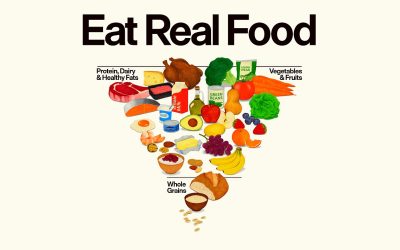
On January 7, 2026, the U.S. federal government released the 2025–2030 Dietary Guidelines for Americans. These new guidelines show a shift in how U.S. health officials define healthy eating andaddress processed foods, protein consumption and dairy. The Guidelines were issued by the Department of Health and Human Services (HHS) and the Department of Agriculture (USDA). They are set to shape federal nutrition policy, school meal standards and how public health is messaged for the next five years.
Health & Gender
Impacts of the Expiration of the Affordable Care Act
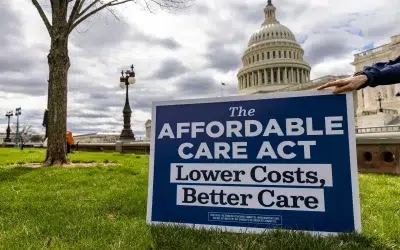
The Affordable Care Act (ACA) (also known as Obamacare) was signed into law by President Obama on March 23, 2010. The ACA aimed to make healthcare more affordable to more people, expand Medicaid to individuals with incomes below 138% of the federal poverty level, and for private health insurance, prohibit insurers from denying coverage due to preexisting health conditions and from denying coverage to people.
The Challenges to Federal Vaccination Policy (Health & Gender Policy Brief #182)
The Protecting Free Vaccines Act (H.R. 5448) aims to preserve stable vaccine coverage by freezing ACIP recommendations as of 2024 and requiring all major insurance programs to continue covering those vaccines without cost-sharing until 2030. H.R. 5448 was introduced on Sept. 18, 2025, by Rep. Frank Pallone D-NJ-6. Since this is a Democrat-sponsored bill in a Republican-controlled House, its chances of passing are currently low unless bipartisan support grows.
A Review and Analysis of the Health Policies of RFK Jr. (Health & Gender Policy Brief #181)
Robert F. Kennedy Jr., confirmed on February 13, 2025, as U.S. Secretary of Health and Human Services under the Trump administration, launched a sprawling “Make America Healthy Again” (MAHA) agenda targeting chronic illness, food quality, and vaccine policy. His platform positions ultra‑processed foods (UPFs) and environmental toxins as primary drivers of America’s health crisis. Prominent proposals include banning UPFs in schools, nursing homes, and prisons; eliminating synthetic food dyes; restricting SNAP purchases of junk food; and overhauling the quintennial Dietary Guidelines to emphasize whole, minimally processed foods.
Current Abortion Laws and Their Challenge to Bodily Autonomy (Health & Gender Policy Brief #180)
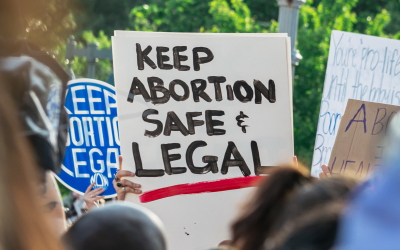
Before the overturning of Roe v. Wade on June 24th, 2022, concerns were raised about the potential effects and consequences it would have on reproductive rights. After the overturning, those concerns have come into fruition, and have not only affected the rights to an abortion, but also the rights to bodily autonomy.
Utah, Fluoride, and the Public Water System Panic
Science is ever-evolving. When new information comes out, it is protocol to test it rigorously and check every assumption along the way. But what happens when the public takes a single new data point as gospel?
The Eyes of Texas Are Upon You: A Tribe’s Response to the Measles Outbreak
Seminole, Texas is where I graduated high school, where I met my best friends, where I played football, and where I drank my first beer. Seminole is where I learned to pick myself up by the bootstraps, that no one is better than me, and that hard work coupled with perseverance will get you far. Seminole is where I learned the value of a handshake, that a person is only as good as their word, how to overcome adversity, and that it takes a Tribe to solve our biggest problems.
The Hypocrite in Chief’s War on Women
Trump has been president for under a month, and he is already going to great lengths to restrict a woman’s right to an abortion. At first, after the 2022 Supreme Court ruling that overturned Roe v. Wade by the Supreme Court that Trump helped assemble, it appeared that abortion would be left to the states.
The Post-Election State of Abortion
The Post-Election State of Abortion Health & Gender Brief #177 | By: Geoffrey Small | November 26, 2024 Photo by Colin Lloyd on Unsplash __________________________________ Summary As the Republican party seizes control of Congress and The Presidency, abortion...
The Rise of ‘Weird’ and the New Framing of Anti-Abortion Policies
Despite widespread public support for abortion rights, restrictive policies continue to rise, highlighting a stark disconnect between American voters and their government. As “weird” becomes the new political shorthand, Vice President Kamala Harris and Governor Tim Walz challenge the unsettling narratives driving anti-abortion legislation.
Current Events in a Post-Roe V. Wade Era
Policy Brief #175 – Health and Gender
by: Geoffrey Small
In the wake of the Supreme Court’s decision to overturn Roe v. Wade, the United States is grappling with a rapidly shifting landscape of reproductive rights, marked by new policy proposals, legal battles, and state-level legislation. This article delves into the ongoing turmoil, highlighting key events and their profound impact on the future of abortion access in America.
Checking in on 14 Years of Obamacare: Part 3
Policy Brief #174 – Health and Gender
by: Geoffrey Small
Fourteen years after the enactment of the Affordable Care Act (ACA), its impact on innovative medical care and cost-saving measures remains mixed. While Obamacare has expanded access and encouraged preventative care, the anticipated financial savings have not fully materialized, highlighting the ongoing complexity of achieving affordable healthcare in the U.S.