

TECHNOLOGY
Latest Technology Posts
Tepid Responses To AI Concerns from Political Rivals Trump and Newsom (Technology Policy Brief #171)
California Governor Gavin Newsom, ending his 8 years in office and eyeing a presidential run, faces pressure at home to respond to public concerns about artificial intelligence and data centers. But he can’t afford to upset his billionaire backers whose dollars will be crucial to his presidential campaign. He signed a series of bills designed to provide a few protections that already seem outdated and ineffectual. The alarm over AI’s immensely dangerous capabilities is growing in California and elsewhere to a fever pitch and encompasses concerns far beyond the reach of measures approved by Newsom or agreed to by the CEOs Trump recently called to the white house.
Palantir’s Intrusive Technologies Infringe Upon Our Liberties (Technology Policy Brief #170)
Palantir Technologies Inc. is an American software company that builds large-scale data integration and analytics platforms for government agencies, military branches, and commercial businesses. Palantir’s technology lies at the heart of the government systems that enable mass surveillance and militarization at home and abroad, and is now moving into healthcare. The profits go to founder Peter Thiel and CEO Alex Karp, tech oligarchs who spend millions to promote a political agenda that favors free-market policies and increasingly supports Republican candidates and Trump-aligned PACs. Protests and public acrimony are growing.
Changing Attitudes Toward Israel and AIPAC (Technology Policy Brief #167)
As Israel’s attacks on the Palestinian people draw international condemnation, its support among US voters is shrinking, and with it the influence of the American Israel Public Affairs Committee (AIPAC), the wealthy and powerful pro-Israel lobbying organization. AIPAC’s backing, once crucial to candidates, is no longer a sure path to election and in some progressive districts is becoming a liability.
AI Protests Grow From Within (Technology Policy Brief #169)
As AI rapidly expands its impact over our lives, jobs, and politics, more and more people are raising alarms about its potential harms. In many cases, those speaking out about the danger are those who know the most: current and former workers in the industry.
Data Center Debates Pit Communities Against Billionaires (Technology Policy Brief #168)
According to a Gallup poll, the majority of people don’t want data centers built near their homes. Communities are taking their objections to the ballot box, and legislators are taking notice. State and local governments are enacting regulations and ending tax breaks. The data center industry is fighting back, spending millions to influence elections and promote tech friendly policies and candidates.
California Seeks to Limit Passenger Abuse by Uber Drivers (Technology Policy Brief #167)
Uber has buried statistics on assaults and accidents on its platform for years. Journalists and advocates have dug hard and are revealing disturbing levels of both. As more customers are suing the company for its inadequate safety measures, Uber is responding with a ballot initiative in California that would limit its liability for accidents, and consumer attorneys are supporting measures that would increase Uber’s liability and accountability.
Will the Meta Verdicts Spur Change? (Technology Policy Brief #166)
Do social media companies try to hook children on their products? Do they fail to adequately protect those children from harmful content, predators, and exploitation? Millions of parents would probably agree with the juries in California and Texas that recently answered those questions with a resounding yes. As a result, one young plaintiff was awarded $6 million from YouTube and Meta in one case, and Meta was ordered to pay $374 million in civil penalties in the other. Meta and YouTube have, of course, vowed to appeal. Despite a growing awareness of the risks to children and teens online, new legislation on children’s online safety remains stalled in Congress, and a robust regulatory system is nowhere in sight.
Tech Billionaires Making a Killing on AI War Machines (Technology Policy Brief #165)
The Pentagon is enriching the pockets of the tech billionaire owners of AI companies. While the Department of Defense/War has broken its contract with the company Anthropic, other AI companies are signing large contracts, such as Open AI and Palantir.
The Illusion of Global Data Privacy Standards (Technology Policy Brief #165)
A single, binding global data privacy standard does not yet exist. Instead, governments and companies operate under regional systems with different priorities.
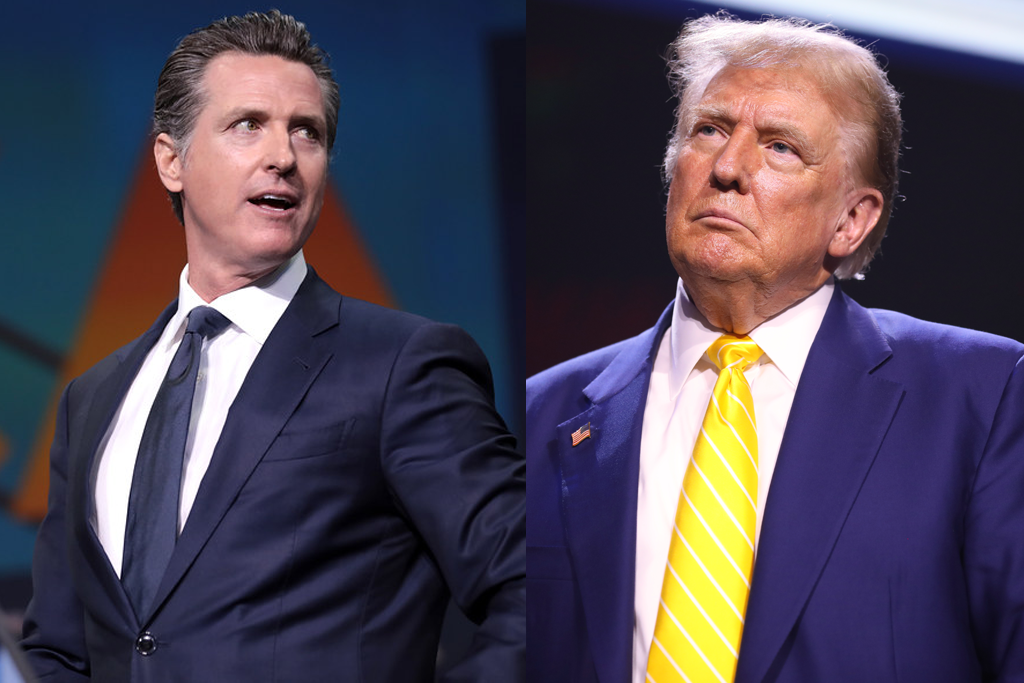
Tepid Responses To AI Concerns from Political Rivals Trump and Newsom (Technology Policy Brief #171)
California Governor Gavin Newsom, ending his 8 years in office and eyeing a presidential run, faces pressure at home to respond to public concerns about artificial intelligence and data centers. But he can’t afford to upset his billionaire backers whose dollars will be crucial to his presidential campaign. He signed a series of bills designed to provide a few protections that already seem outdated and ineffectual. The alarm over AI’s immensely dangerous capabilities is growing in California and elsewhere to a fever pitch and encompasses concerns far beyond the reach of measures approved by Newsom or agreed to by the CEOs Trump recently called to the white house.

Palantir’s Intrusive Technologies Infringe Upon Our Liberties (Technology Policy Brief #170)
Palantir Technologies Inc. is an American software company that builds large-scale data integration and analytics platforms for government agencies, military branches, and commercial businesses. Palantir’s technology lies at the heart of the government systems that enable mass surveillance and militarization at home and abroad, and is now moving into healthcare. The profits go to founder Peter Thiel and CEO Alex Karp, tech oligarchs who spend millions to promote a political agenda that favors free-market policies and increasingly supports Republican candidates and Trump-aligned PACs. Protests and public acrimony are growing.

Changing Attitudes Toward Israel and AIPAC (Technology Policy Brief #167)
As Israel’s attacks on the Palestinian people draw international condemnation, its support among US voters is shrinking, and with it the influence of the American Israel Public Affairs Committee (AIPAC), the wealthy and powerful pro-Israel lobbying organization. AIPAC’s backing, once crucial to candidates, is no longer a sure path to election and in some progressive districts is becoming a liability.

AI Protests Grow From Within (Technology Policy Brief #169)
As AI rapidly expands its impact over our lives, jobs, and politics, more and more people are raising alarms about its potential harms. In many cases, those speaking out about the danger are those who know the most: current and former workers in the industry.

Data Center Debates Pit Communities Against Billionaires (Technology Policy Brief #168)
According to a Gallup poll, the majority of people don’t want data centers built near their homes. Communities are taking their objections to the ballot box, and legislators are taking notice. State and local governments are enacting regulations and ending tax breaks. The data center industry is fighting back, spending millions to influence elections and promote tech friendly policies and candidates.

California Seeks to Limit Passenger Abuse by Uber Drivers (Technology Policy Brief #167)
Uber has buried statistics on assaults and accidents on its platform for years. Journalists and advocates have dug hard and are revealing disturbing levels of both. As more customers are suing the company for its inadequate safety measures, Uber is responding with a ballot initiative in California that would limit its liability for accidents, and consumer attorneys are supporting measures that would increase Uber’s liability and accountability.

Will the Meta Verdicts Spur Change? (Technology Policy Brief #166)
Do social media companies try to hook children on their products? Do they fail to adequately protect those children from harmful content, predators, and exploitation? Millions of parents would probably agree with the juries in California and Texas that recently answered those questions with a resounding yes. As a result, one young plaintiff was awarded $6 million from YouTube and Meta in one case, and Meta was ordered to pay $374 million in civil penalties in the other. Meta and YouTube have, of course, vowed to appeal. Despite a growing awareness of the risks to children and teens online, new legislation on children’s online safety remains stalled in Congress, and a robust regulatory system is nowhere in sight.
Tech Billionaires Making a Killing on AI War Machines (Technology Policy Brief #165)
The Pentagon is enriching the pockets of the tech billionaire owners of AI companies. While the Department of Defense/War has broken its contract with the company Anthropic, other AI companies are signing large contracts, such as Open AI and Palantir.

The Illusion of Global Data Privacy Standards (Technology Policy Brief #165)
A single, binding global data privacy standard does not yet exist. Instead, governments and companies operate under regional systems with different priorities.

36 States Move to Block Federal Preemption of AI Laws, Setting Up Major Court Fight (Technology Brief #164)
On November 25, 2025, the National Association of Attorneys General, led by Connecticut Attorney General William Tong, sent a letter on behalf of a bipartisan coalition of 36 state attorneys general to Congress. The letter urged Congress leaders to reject the proposed ban on state-level artificial intelligence (AI) laws. The attorneys general argue that a broad federal law would prevent individual states from addressing and responding to AI risks quickly.