

JOBS POLICIES, ANALYSIS, AND RESOURCES
Latest Jobs Posts
The Dismal Future of Public Pensions
Brief #93—Economic Policy
By Rosalind Gottfried
Many workers opt for public sector jobs lured by generous pensions and other benefits such as healthcare and leave time. Private sector work may offer higher salaries and some benefits but they are much less likely to offer guaranteed defined benefit retirement plans.
The Past & Present of the American Relationship with Iran
Brief #92—Foreign Policy
By Will Solomon
While not as omnipresent as it often has been, the issue of conflict with Iran should loom large in the context of the 2020 election. Indeed, it’s important to consider just how much more serious this issue has grown in the last four years. A central premise of Trump’s 2016 campaign was exiting the 2015 JCPOA— perhaps the single biggest foreign policy achievement of the Obama administration.
Convalescent Plasma is FDA Approved, and Vaccine Trials are Underway as the US Death Toll Passes 200,000
Brief #80—Health and Gender
By Taylor J Smith
As the US struggles to manage the outbreak of coronavirus, the US Food and Drug Administration has issued an emergency use authorization for convalescent plasma to treat COVID-19.
Nearly Half a Million Immigrants Face Deportation – The End of Temporary Protected Status
Brief #104—Immigration
By Kathryn Baron
In Los Angeles a Federal Appeals Court ruled the Trump Administration acted lawfully in terminating the Temporary Protected Status of hundreds of thousands of immigrants.
Debunking Republican Arguments To Speed Up Vote On Supreme Court Nominee In A Presidential Election Year
Brief #136—Civil Rights
By Rod Maggay
On September 18, 2020 Supreme Court Justice Ruth Bader Ginsburg passed away at the age of eighty-seven.
The Corruption of Eugene Scalia
Blog #19—The Corruption Blog
By Sean Gray
US Department of Labor governs worker safety, wage requirements and an assortment of other pressing concerns of American workers.
Latest Polling Results, Mail-In Ballots, Presidential Debate
Brief #8—Presidential Campaign Update
By Iryna Shkurhan
Less than two months away from election day, Joe Biden and President Trump enter the final stretch of their presidential campaigns.
Russian Interference at the Highest Level in Presidential Elections
Brief #20—Technology
By Amy Swain
It was confirmed in October of 2016, then explained in 2019 by the Special Counsel Investigation led by Robert Mueller – Russia had interfered with the 2016 presidential election.
Trump Labels Three Cities as ‘Anarchist Jurisdictions’ in Executive Order
Brief #15—Criminal Justice
By Erika Shannon
On September 21st, President Donald Trump followed through with an Executive Order from earlier this month and officially deemed New York, Seattle, and Portland “anarchist jurisdictions.”


States Weigh Mail-in Ballot Options; Trump’s Poll Numbers Slip
The U.S. RESIST NEWS Presidential Campaign Update is intended to keep our readers informed about important ongoing events and activities related to the November presidential election contest between Joe Biden (Democrat) and Donald J Trump (Republican)
Voters today are stuck between exercising their constitutional right or protecting their health as states rush to implement mail voting systems. A partisan divide on expanding voting access for the remaining primaries serves as a glimpse for what to expect when the general election rolls around in November. Until then, court rulings and legislative changes are to be expected as the current public health crisis continues to expose partisan clashes over conducting elections.
Voting
Although the general election may seem distant, election experts claim that for mail voting to be effective in November, states will have to make commitments in the coming weeks to prepare to handle an influx of absentee ballots. This will require logistical changes along with an influx of cash for vote counting equipment, printing ballots, and hiring workers. The biggest expense will be postage.
The Brennan Center for Justice has estimated that if mail voting was implemented nationwide, it would cost between $928 million and $1.4 billion. The reality is that most states are not currently equipped with resources to easily conduct mail elections with the present laws in place. The Wisconsin primary exposed how easily election staff can become overwhelmed by absentee ballot requests, with many voters never receiving theirs in the mail.
Voting remains a partisan issue, with President Trump and the Republican party making a case against voting by mail. More than half of Republicans worry about voter fraud if elections were solely by mail, compared to only 29% of Democrats. Studies show that mail voting does not give either party an advantage, nor does it increase voter fraud. A poll from AP- NORC found that 47% of Democrats support their state conducting elections exclusively by mail, compared to 29% of Republicans.
In New Mexico, a state Supreme Court judge rejected a democratic push to send absentee ballots to voters ahead of the June 2 primary and ruled in favor of Republicans, forcing the state to open polling places. In South Carolina, the NAACP and ACLU filed a lawsuit seeking to allow no fault absentee voting before their June 9 primary. A previous court decision in Texas, that would allow voters to use coronavirus as an excuse to cast an absentee ballot, could be appealed by Republicans.
Several states have adjusted their voting structures to expand access amidst social distancing and stay at home orders. After previously delaying its primary election to June 23, New York Democrats cancelled their primary as the state remains an epicenter of the pandemic. All New Yorkers will be mailed an absentee ballot request form, when previously voters needed an excuse. Virginia Gov. Ralph Northam has signed new legislation establishing Election Day as a holiday, removing a photo ID requirement to cast a ballot and expanding no excuse early voting to 45 days prior to an election.
The pandemic has created an opportunity to change how things are done, in hopes of creating a better system for everyone. A poll found that 58% of Americans support permanently changing election laws to allow everyone to vote by mail. Even the CDC has publicly endorsed voting by mail during the current public health crisis.
The Candidates
President Trump’s management of the coronavirus crisis has dropped his approval rating by ten points in the past month, down to 39% approval. As many accuse the President of not adequately responding to the threat of the virus in time, he has sought to reshape that narrative during his daily news conferences. Many are now questioning if the briefings are causing more harm than good as he delivers inaccurately dangerous health information to millions of Americans.
The presumptive democratic nominee, Joe Biden, has received another two high profile endorsements- Hillary Clinton and Nancy Pelosi. Despite Biden’s sexual assault allegations from 27 years ago hovering over his campaign, key democratic female politicians have expressed their solidarity with him. His search for a running mate continues as half a dozen democratic women in the Senate are considered, including Elizabeth Warren, Amy Klobuchar, Kamala Harris, and Stacey Abrams. He remains with a wide lead over President Trump with 18-29-year olds likely to vote: 60% to 30%.
Resistance Resources
- When We All Vote– a nonpartisan organization committed to voter registration.
- Brennan Center for Justice– an advocacy group that supports expanded mail voting as one way to insulate elections from the effects of the pandemic.
- ACLU– a nonprofit organization fighting voter suppression and promoting access to the ballot.

Trump to Limit Immigration to the US due to COVID-19
Policy Summary
The Trump Administration issued a proclamation (Proclamation 9994) to limit immigration into the US in the next 60 days. The justification given is that, due to the economic recession the US is bound to face in the aftermath of COVID-19, “aliens” will be taking jobs. This would not apply to US lawful permanent residents, spouses of US citizens, or immigrants entering the country to work as physicians, nurses, or other healthcare professionals. Stephen Miller, who has been leading the Trump Administration immigration agenda urged Trump’s followers to view this as a first step in the Administration’s longer-term goal of shrinking legal immigration. Though spouses of US Citizens are not affected by this, immigration by extended family members is supposed to be hindered. This Executive Order in practice is intended to disrupt “chain migration,” a term used by Conservatives to describe the arrival of one immigrant in the US making way for extended family to emigrate as well.
In other immigration news, a federal judge recently pressed the US Immigration and Customs Enforcement ) to release migrants held in family detention centers as the hundreds of people who live in close quarters with limited access to soap and disinfectants are at imminent risk for contracting COVID-19. These detention centers are greatly at risk for an outbreak and rapid spreading to surrounding communities. Federal courts have cited the 1997 Flores Agreement that generally requires children detained at the border and kept in non-licensed facilities to be released within weeks. Many have claimed the Trump Administration has continued to violate longstanding agreements that compel the government to release detained migrant children
Analysis
Not unique to the US, the American government is utilizing the pandemic to implement its ongoing immigration agenda. As Stephen Miller transparently expressed, this is in light of COVID-19 but also a part of a wider immigration agenda that has been in place throughout the entirety of the Trump Administration.
By limiting immigration out of fear foreigners will take jobs Americans are believed to be entitled to, the supply chain could be severely affected in sectors of the American economy deeply dependent on immigrants, such as agriculture.
Engagement Resources
- The National Immigration Law Center: an organization that exclusively dedicates itself to defending and furthering the rights of low income immigrants and strives to educate decision makers on the impacts and effects of their policies on this overlooked part of the population.
- Border Network for Human Rights: network to engage education, organization and participation of border communities to defend human rights and work towards a society where everyone is equal in rights and dignity.
- World Health Organization: the WHO provides updated information surrounding COVID-19 and global responses
- Center for Disease Control: the CDC provides updated information surrounding COVID-19 and the US responses
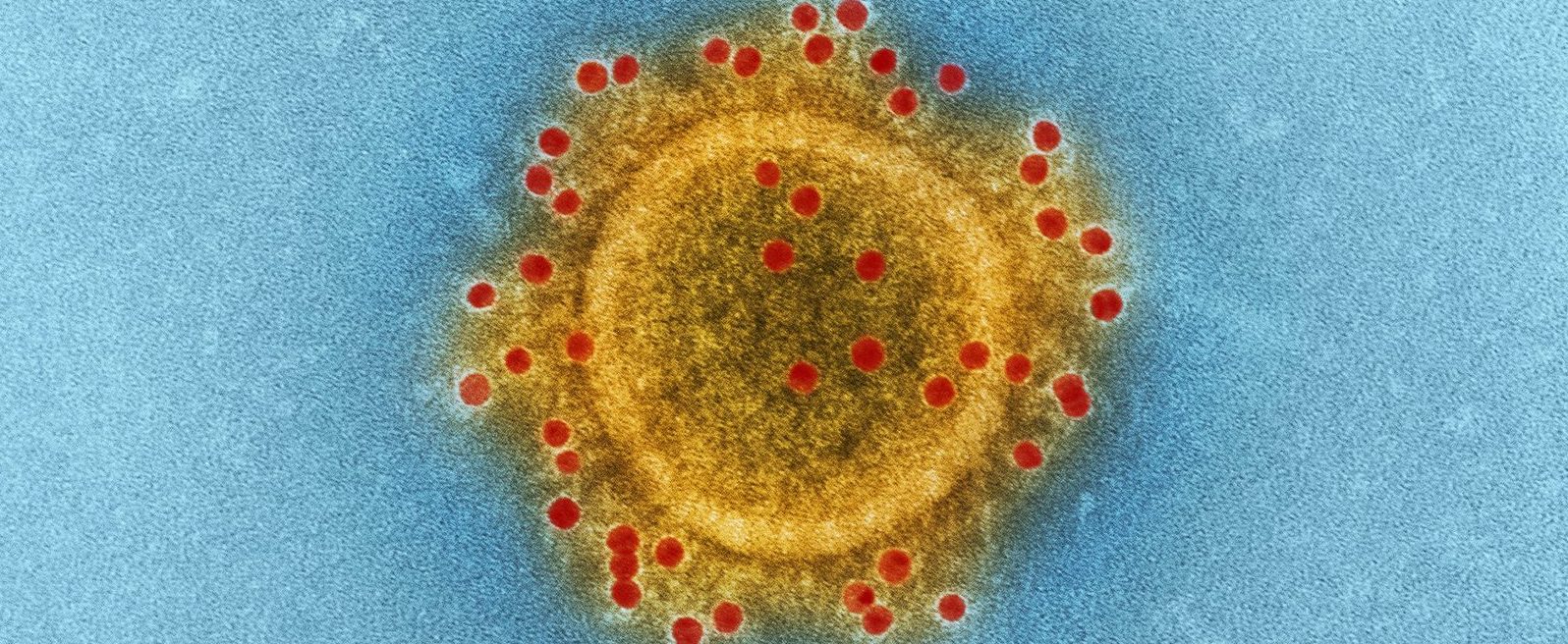
April 27th UPDATE: Coronavirus
COVID-19’s Status in the US
The global count of COVID-19 cases has topped 2 million with just over a million being in the Unites States, where US deaths have surged to over 55,000. The number of confirmed cases in the United States appears to be doubling every three weeks. Officials have accepted the fact that the US is now a global hotspot and have shifted efforts of containing the virus to now focusing on mitigating the virus’ damage and spread.
An additional 4.4 million Americans filed for unemployment benefits just last week as businesses stay closed. Economists estimate the national unemployment rate to be between 15 and 20 percent. With businesses closed and people out of work, protestors have taken to States’ capitals with military grade weapons and demands to reopen businesses on the heels of Trump’s statements also wanting America to open. This has created standoffs between hospital workers and protesters who have carried out demonstrations like “operation gridlock” in Denver, where traffic was halted and access to hospitals was restricted. A spike is expected due to recent protests where demonstrators did not wear protective gear, nor abide by social distancing rules. Critics in support of social distancing also point to the recent Wisconsin election where mail-in ballots were prohibited by the courts, thus mandating citizens to break social distancing or not vote. Currently, thirty-six voters and poll workers have tested positive for COVID-19 after the April 7th primary.
On the economic front, an additional $310 billion is being added to the Paycheck Protection Program to help small businesses and hospitals. This comes after the initial small business package of $349 billion passed early April, was siphoned dry by chain restaurants and larger businesses, after two weeks, before small businesses saw any of the money. Some businesses like Shake Shack and the Los Angeles Lakers, have returned the funds after finding out that small businesses were left out of the payout.
On April 7th, Trump threatened to withdraw funding to the World Health Organization. After repeatedly attacking the organization, calling it pro-Chinese {and therefore anti-American} and blaming the organization for understating the threat of the virus. In contrast to his threats, other international leaders are stepping up and making this pandemic a collaborative international issue.
COVID-19’s Status Internationally
Oxford University of the U.K. has made immense progress in developing a vaccine for COVID-19. After its creation, scientists in Montana gave six macaque monkeys the vaccine and then exposed them to the virus. Nearly a month later, and the macaques are all still healthy. Additionally, China has created a vaccine that resulted in promising outcomes with macaques, and those scientists have started a clinical trial with 144 participants.
In response to Trump’s statements of funding withdrawal from the WHO, the European Union announced it would release 15 billion Euros to help poorer countries fight the coronavirus. In response, the United Kingdom also pledged 200 million Pounds to help the poorer countries via international organizations like the WHO, Red Cross and UN.
Analysis:
The withdrawing of funds threat by the Trump Administration would be both cruel and counterproductive. As seen in his reduction in funding for national emergency response systems, resulting in a lack of preparedness in America, defunding the WHO will only result in this pandemic lasting longer than it needs to, with more preventable deaths, and likely a stronger second wave of cases to hit the US. If the Trump Administration was serious about curbing the spread of the virus, we, like other nations, should be bolstering up public health systems and disease containment strategies. This threat to defund the World Health Organization is simply abhorrent and is a direct threat to the health and safety of the globe.
With many counties having stay at home orders ending in the coming days, the threat of an inundation of new COVID-19 cases is a very real possibility. Against the recommendations of scientists, Governors and state leaders are pushing for America to be reopened. Las Vegas Mayor Carolyn Goodman wants to “reopen the casinos and let the free market decide who lives.” In viral interview with Anderson Cooper the Mayor repeatedly stated that she wanted Las Vegas up and running, as one of the biggest US tourism capitals. Georgia’s shelter in place will remain in effect until April 30th, while some businesses like barber shops, salons and restaurants for dining service already opened back up last Friday. Some are arguing that the benefits of opening and restarting the economy outweigh the human toll of the pandemic. Such thinking is allowing a minority to suffer, while letting a majority benefit. However, the majority will likely suffer greatly if this pandemic reaches every person in the US as it ravages prematurely opened communities. This is an unethical proposition to sacrifice a portion of the population so the rest can enjoy the amenities of pre COVID-19.
A list of open states and precautions for customers and staff can be found here.
Best practices to protect yourself and others from getting and spreading the coronavirus:
- Wash your hand thoroughly and frequently with soap and water for at least 20 seconds
- If you cannot wash your hands, use an alcohol-based sanitizer with at least 60% alcohol
- Cough into your elbow or a tissue, immediately throw the tissue away and wash your hands
- Avoid touching your face
- Keep a safe distance from others, 6 feet is recommended
- Stay home if you can and avoid going out unless it is necessary
- Clean frequently touched surfaces
- Wear a face mask when out in public spaces, it is not recommended to wear latex gloves.
Engagement Resources:
- For concerns about COVID-19, please seek assistance with the Center for Disease Control, the World Health Organization, or local health officials.
- For resources and information on how to make your own face mask, go here.
- Subscribe HERE to stay up to date with COVID-19
Numbers as of April 27, 2020 – Consult the CDC or Johns Hopkins for an update in numbers.
Top Ten Nations with Cases
| Nation | Confirmed Cases
April 27 |
Deaths |
| Globally | 3,063,814 | 212,345 |
| United States | 990,135 | 56,475 |
| Spain | 232,128 | 23,822 |
| Italy | 199,414 | 26,977 |
| France | 164,589 | 23,293 |
| Germany | 159,038 | 6,161 |
| United Kingdom | 157,149 | 21,092 |
| Turkey | 112,261 | 2,900 |
| Russia | 93,558 | 867 |
| Iran | 91,472 | 5,806 |
| China | 83,912 | 4,637 |

Domestic Violence on the Rise Amid Covid-19
Policy:
Domestic violence around the world has exploded with the advent of the coronavirus. Countries across the continents show increases in the rates of abuse attributed to the shelter in place mandates. Increases in stressors such as financial recession, unemployment, natural disasters, and the cancellation of major sports events are known to cause surges in domestic violence. . Women have been barred from the home if they seem to have any symptoms of illness and reports have been made of one partner (not always the man) hiding cleaning materials from their partners. Children are also at risk, as the stress of caring for them 24 hours a day is added to other circumstances of sheltering at home mandates. In comparisons to the same time frames from the previous year, Wuhan, China reports three times the rate of domestic violence; South African officials report 90 thousand calls in the first week of sheltering in place; Paris police report a 36% increase in police intervention for domestic violence incidents; and US cities have report increases in incidences ranging from 6%-35%. Australian authorities report a 75% increase in internet searches for help for domestic violence.
Countering this trend are reports suggesting that calls for shelter are going down since the virus led to shelter at home and social distancing mandates. This is widely thought to be attributed to the fear that victims of domestic abuse have of calling for help or the actual blocking of such attempts by the abusers. The history of escalating violence in stressful situation is substantial and shelters and law enforcement believe that any drops are not indicative of fewer cases of violence but of more fear in asking for help or the inability to safely leave the situation.
Some countries have promoted the use of a code word “mask 19,” that victims can utilize in supermarkets to indicate they are in jeopardy. Some grocery stores have set up crisis counselors to help. Shelters can help by offering social distancing accommodations and, where necessary, quarantine quarters but that will not be enough to support all those in need.
Analysis:
In the US it is estimated that 1 in 4 women and 1 in 7 men will suffer domestic violence in their life time. Women are the primary users of shelters but not the exclusive victims of violence. Even in normal conditions, some areas have difficulties facilitating shelter for all the victims in need; it can only be worse now. Some countries are taking more extreme measures. In Paris the government has provided 20,000 hotel rooms for people fleeing violence at home. The mayor of Los Angeles has made funds available for hotel rooms for those needing such aid. In the US, Rihanna and Twitter CEO Jack Dorsey have contributed 4.2 million dollars for food, hotel rooms, and counseling for victims of domestic violence. Victims of domestic violence are under immediate threat and can suffer long terms injury, or death, at the hands of a perpetrator. With soaring incidences, it seems logical to ask where are the national policies, programs, and funds to address this urgent problem?
Learn More:
- https://abcnews.go.com/US/fewer-domestic-violence-calls-covid-19-outbreak-california/story?id=70336388
- https://www.cnn.com/2020/04/02/europe/domestic-violence-coronavirus-lockdown-intl/index.html
- https://time.com/5803887/coronavirus-domestic-violence-victims/
- https://www.theguardian.com/us-news/2020/apr/03/coronavirus-quarantine-abuse-domestic-violence
Resistance Resources:
- https://www.thehotline.org/help/ The National domestic violence hotline provides for immediate help with chats and phone calls.
- https://ncadv.org/resources National resources for domestic violence sufferers, this site has a link to click on for help during the virus.
Photo by Sydney Sims

ALL IN THIS TOGETHER EXCEPT FOR THE PRESIDENT
President Trump’s handling or mishandling of the Covid-19 crisis calls into question the ability of the United States to take a much-needed leadership stance to address the threat that the Covid-19 virus poses to the health and well-being of our citizens. Instead of bringing everyone together Trump refuses to put forward a national strategy and continues to sow confusion and discord among states and other stakeholder organizations that should be part of the same team. There are numerous examples of this behavior including:
-Encouraging states to do their own thing in re-opening the economy; some states are re-opening; some states are not. When this happens it puts those states who think it is wise to stay locked down for a period in danger of having their citizens at-risk of infection from people traveling to their states from states that have opened up (to say nothing about the risks to citizens living in opened-up states ).
-Allowing states to compete with one another for personal protective equipment (PPE), and in some cases inserting the federal government as a PPE buying competitor to the states; instead of having the federal government coordinate the purchase and fair distribution of PPE according to the needs of different states
-The unwillingness of the federal government to use the Defense Production Act to answer requests from the states to procure needed PPE, ventilators, and other needed medical equipment.
So at a time when a unified approach involving cities, states, the private sector and others is called for the Trump administration has not provided the leadership needed to make this happen. And he has replicated this absentee-landlord position internationally where collaboration also is greatly needed to defeat the virus. Blaming China for the pandemic and withdrawing funds to the World Health Organization are examples of the isolationist approach that Trump is taking.
President Trump’s unwillingness to assume responsibility for addressing the Covid 19 crisis raises historical arguments relating to America’s federal system of government. These arguments revolve around the roles of the federal government and that of the states. State rights advocates support an important and well-reasoned point of view that the decentralization of authority is the best way to respond to the diversity of local needs in our country. However, in times when we face a national emergency (e.g. World War 2, the great depression, 9/11) our nation has relied on the federal government to unite us, support us lead us out of crisis
Great leaders of the past have presented a fact-based and consistent leadership message. It’s time to stop tweeting, blaming and placing the Trump ego ahead of a global policy approach to countering the pandemic and preparing for the next global shock.All in this together is the rallying cry from citizens around the world faced with fighting the coronavirus. But not by those in the White House.
Photo by Bruce Hong

Poverty Rates, Sparked by Covid-19 Could Surpass the Great Depression
Policy
The economic conditions preceding the pandemic, aggravated by the likelihood of extended unemployment, could bring the poverty level to 25% or higher, especially for nonwhites. By some projections, from a Columbia University study, the unemployment rate could reach 30% resulting in 15.4% falling into poverty. This is posited as a worst case scenario and the researchers also offer lesser figures dependent on a smaller unemployment rate. In either case, children and people of color are bound to be disproportionately represented in the unemployment figures and in poverty data.
The structure of the American economy has promoted poverty for the less skilled workforce where jobs have been plagued by erratic hours and absent or minimal benefits such as paid sick days, healthcare, and retirement. Many businesses have been reducing work schedules to save money when business is slower. Decreased hours impact a worker’s income and preclude the worker from gaining additional jobs due to scheduling unpredictability. Additionally, “real” wages for lower paid workers have been stagnant while corporate profits have proliferated. Studies show that wages, controlling for inflation and benefits are down 5.4%, or about $3000. Add the high cost of healthcare, daycare, and education and it is apparent that the working class has not shared in the “robust” economy touted by the media and some politicians. Businesses have opted for maximizing profits, rewarding CEOs and shareholders while practicing frugality with respect to labor.
Currently, the poverty rate is the highest it has been in the 50 years of record keeping. The large number of children at risk is particularly worrisome as even small, limited time deprivations can lead to long term dysfunction in the brain. These deficits can be persistently manifested into adulthood. Such circumstances have been shown to result in less earnings, poor health, and higher rates of incarceration.
The CARES Act, a 2 trillion dollar stimulus program recently passed by Congress ,is bringing relief to individuals and businesses, but has run into problems. The one time payments to individuals are of limited import and the Small Business program has already run out of funds (though it looks likely that Congress will authorize additional funding), and has been awarding funds to companies like Ruth Crist’s Steak House which are not small businesses..
The safety net, in the US, has been under attack since the welfare reform of 1996, the most recent cuts (before the pandemic) being in unemployment insurance and federal food programs (SNAP). Last year according to Feeding America, 40 million individuals were served by food banks. Current demands on food banks foretell a much greater number currently. Many Americans cannot afford the premiums for health insurance and are ineligible for Medicaid (earn too much or are in states that chose not to participate in the ACA federal extension). Some of these individuals will now be able to apply for Medicaid as they are unemployed and others will just join the uninsured.
Since 2011 economists have been using the Supplemental Poverty Measure to determine poverty rates. It is more reliable than the traditional federal poverty level formula since it includes cash, noncash benefits, taxes, and income refunds (EITC) as well as the local cost of living in establishing poverty rates. Published poverty rates generally are obsolete, since they are only figured annually (as opposed to unemployment which comes out monthly). Columbia researchers studying poverty are hoping to produce a new estimate in May to reflect emergent poverty rates since the pandemic. In the past month 22 million jobs were lost with 5.2 million of these in the past week. Joseph Stiglitz, Columbia professor and Nobel Prize winning economist, has said that the US possesses no effective safety net. Contrary to popular beliefs many individuals receiving public health subsidies and cash assistance are working so it is not a leap to imagine the selling of these programs with a huge boost in unemployment.
Analysis
It is not rocket science to figure out what can help the workers. Other countries offer a substantive safety net with sustained wages and healthcare, even during unemployment, and many offer low or free higher education. The American economy must move away from focusing on a quick grab for short term corporate profits and sustain long term health by making livable wages and conditions for its workers. The pandemic has shown, if anything, how essential the labor of our low paid service and agricultural workers is. Policies which worked only for the wealthy may not be sustainable in the “new post pandemic economy”. If corporations persist in short term gains for their shareholders, while workers suffer unemployment and ill health, the current levels of government support will not be sufficient and ultimately costs for disease, malnutrition, crime, and other related consequences will drain the government budgets. A best case scenario resulting from the pandemic would be a rethinking and restructuring of economic policies to adequately support a decent quality of life for our workers. Any Democratic candidate seems more likely to move in that direction than the current administration.
References:
- https://www.nytimes.com/2020/04/16/business/economy/coronavirus-economy.html?action=click&module=Spotlight&pgtype=Homepage
- https://www.nytimes.com/2020/04/16/upshot/coronavirus-prediction-rise-poverty.html?action=click&module=Top%20Stories&pgtype=Homepage
- https://www.nytimes.com/2020/04/16/business/loan-money-runs-out-while-small-business-owners-wait-in-line.html?action=click&module=Top%20Stories&pgtype=Homepage
Photo by Jonathan Kho

President Trump Surpasses President Bush In Number of “Not Qualified” Federal Judicial Nominees
Policy Summary: During Donald Trump’s presidency the American Bar Association (ABA) has rated nine of his nominations to the federal bench as “not qualified.” Six of the nine were nominations for a federal district court while the remaining three were nominations to a federal circuit court of appeals. The nine “not qualified” federal bench nominations thus far into his presidency already surpass the number of “not qualified” nominations made by President George W. Bush (eight total) over the eight years of his two terms. In contrast, President Bill Clinton nominated four persons who were deemed “not qualified” while President Barack Obama never nominated anyone who was rated “not qualified” by the ABA.
The American Bar Association conducts its reviews of federal bench nominees through its Standing Committee on the Federal Judiciary. The Standing Committee is composed of two members from the Ninth Circuit Court of Appeals, one member each from the remaining federal circuits and the Chair of the Committee. In conducting its review to arrive at its rating the committee evaluates three criteria – integrity, professional competence and judicial temperament. When reviewing integrity, the committee reviews the nominee’s general reputation in the legal community and diligence. The professional competence criterion examines knowledge of the law and writing and analytical abilities. Judicial temperament examines open – mindedness, freedom from bias and commitment to equal justice under the law. These evaluations are based on interviews with colleagues (law school professors, co – workers) and publicly available records (written academic and court documents, blog posts) and results in either a well – qualified, qualified or not qualified rating. (Each rating also includes whether the rating was unanimous or substantial majority, e.g. substantial majority not qualified). A federal bench nominee is rated not qualified if the nominee does not meet one of the three evaluation standards. LEARN MORE, LEARN MORE
Policy Analysis: When the numbers of federal judicial appointments made by President Trump is compared to other recent presidents it is clear that President Trump has nominated slightly more than other recent presidents. But the most disconcerting thing about President Trump’s nominations are the unusually high rate of persons nominated who are rated “not qualified” by the American Bar Association (ABA). The ABA was founded in 1878 and for more than one hundred forty years has been at the forefront of advocating for the legal profession in the United States. Through its own words the ABA is “committed to advancing the rule of law in the United States” and providing “practical resources for legal professionals.” For President Trump to nominate a high number of individuals who are rated “not qualified” ignores the thoughtful and important work that the ABA has done since 1953 in rating who should and should not be bestowed with a lifetime federal judgeship.
It is puzzling why an individual who is rated “not qualified” would be nominated and even confirmed for a position as a federal judge or justice but this has been occurring with increasing frequency the last few years. Even if a president saw fit to nominate an individual who would get the unfortunate rating there would be the hope that the Senate Judiciary Committee and eventually the full Senate would not vote to approve that person for the position. But it appears that in the last few years circumstances have given the Republican Party the ability to nominate and approve individuals rated “not qualified” by the ABA. With the Republicans in control of the White House and the Senate they are in a position to nominate individuals with the Democrats unable to muster enough votes to block a nomination in the Judiciary Committee or in the full Senate chamber.
An examination of the individuals nominated by President Trump who were rated “not qualified” shows that many of the candidates had in common the political position of opposition to abortion rights and LGBQT rights. The Leadership Conference on Civil & Human Rights organized letters to be sent to Senators that listed in detail why the group was opposed to the nomination of many of these individuals. The nominations of L. Steven Grasz to the Eighth Circuit Court of Appeals and Justin Walker to the District Court for the Western District of Kentucky revealed that both men had displayed extreme patterns of political bias that questioned whether they could act as an impartial judge as the role requires. Both men were eventually confirmed. Jonathan Kobes’ nomination to the Eighth Circuit Court of Appeals and John O’Connor’s nomination to Oklahoma federal district courts were troubling because the individuals could not satisfy to the committee that they could properly follow ethical rules and write to the high legal standard required of a judge. Kobes was later confirmed while O’Connor withdrew his name. What is clear in these nominations is that all of the nine individuals were being nominated and approved not because of their professional legal skill but because of their adherence to the policies and positions of the Republican Party. Partisan politics was taking precedence over whether a nominee had the skill to manage the rules of a trial, write a coherent and persuasive court order or opinion and judge a case based on the applicability of the relevant law and a case’s merits. This is a very disturbing pattern undertaken by the Republican Party to advance their social agenda. In the future, in order to ensure that qualified and open minded male and female legal professionals are nominated and placed on the federal bench, it is important to reveal how the Republicans have been advancing their social agenda when it comes to the federal judiciary and push for changes in the White House and in the Senate Republican leadership in the upcoming November 2020 elections. LEARN MORE, LEARN MORE
Engagement Resources:
Leadership Conference on Civil & Human Rights – listing of opposition letters against Trump federal judiciary nominees sent by the conference to U.S. Senators with list of their concerns.
American Bar Association (ABA) – website of group dedicated to defending liberty and delivering justice on behalf of the legal profession.
This brief was compiled by Rod Maggay. If you have comments or want to add the name of your organization to this brief, please contact Rod@USResistnews.org.
Photo by Element5 Digital

Mismanagement of the Pandemic Response
U.S. RESIST Government Coronavirus Watch Post
Post # 3 Mismanagement of the Pandemic Response
April 23, 2020
The Government Coronavirus Watch Post is a new U.S. RESIST NEWS blog post written by Sean Gray. The Post provides information and analysis of the federal government’s response to the coronavirus. Wherever possible we seek to be supportive as the coronavirus threatens the health and economic welfare of our nation, and we need government leadership to deal with the virus crisis.
The Mismanagement of a Pandemic Response
The Trump Administration’s handling of the coronavirus outbreak has been scatterbrained and inconsistent. Failure to adequately prepare and heed credible warnings are largely responsible for the nation’s current quagmire. Compounding missteps are the falsehoods and misinformation coming from the president. The numerous blunders and lack of transparency have propelled the crisis to levels that could have been averted.
No one could have predicted the emergence of Covd-19 20 months ago, but the threat of a global pandemic was real. Former Director of National Intelligence, Dan Coats, warned Congress in February of 2018 that the frequency of infectious disease outbreaks like Zika or dengue fever increased the likelihood of a global emergency costing lives and major disruption. In the months that followed Trump signed a bill slashing $1.35 billion from the Prevention and Public Health Fund at the Center for Disease Control and disbanded the team responsible for pandemic response.
An Obama-era collaboration with a medical manufacturer sought to make Personal Protective Equipment machines that could produce up to 1.5 million masks per day in the event of emergency. The administration received blueprints for said machines in September ’18, entered into a million dollar contract with the company, which was then sold to another company that didn’t complete the manufacturing. The same month, Alex Azar, Seceratary of Health and Human Services, reallocated $266 million from the CDC to build housing for the children of detained immigrants. Public health, specifically pandemic preparedness, was clearly not properly prioritized by the administration.
In January the president was provided with a detailed explanation of the looming threat of the coronavirus. Not until March 13th did Trump declare a national emergency. In that time the warnings grew louder. New cases sprung up in new places around the country. The infectiousness and lethality of the virus became known. Trump scoffed at the writing on the wall and minimized the danger of the outbreak. He stated publicly that ‘’we have the virus pretty well under control’’ and ‘’the number of cases would soon be zero.’’ Worse he held five rallies across five states between February 10th through March 2nd. Thousands in attendance gathered to potentially contact and spread the coronavirus while being told by the president that it’s nothing to worry about. All of this occurred while White House Officials and several Senators implored the president to take the coronavirus seriously. Time that should have been spent mitigating the damage of the inevitable was squandered through inaction and ignorance.
The end results of these failures have played out across the nation over the last month and change. Inadequate supplies of personal protective equipment and ventilators have left states scrambling for resources necessary to contain spread. A shortage of tests prevents officials from knowing exactly how many people are infected. Since declaring a national emergency, Trump has resumed daily briefings at the White House. He’s used the pulpit to lash out, blame others for his mismanagement and pitch snake oil. Trump said in a March briefing ‘’I don’t take responsibility at all.’’ He blamed China, ‘’Do-Nothing Democrats’’, and the World Health Organization. In his ire at the WHO, he threatened to cut off their funding ($893million, ~15% of their budget) during the worst global health crisis in a century. Most irresponsible is his promotion of the malaria drug, hydroxychlorquine, for treating Covid-19. Only anecdotal evidence existed of the drug’s efficacy to treat the virus. That didn’t stop Trump from touting it as a miracle drug of sorts. A small study by the VA this week linked the drug to increased deaths and no benefit to Covid patients. The CDC’s top specialists in infectious disease stand beside Trump at his press conferences. His personal medical opinion should not be presented alongside theirs.
Misleading statements and a lack of transparency have been the only constants of the administration’s response. A public informed with accurate information is paramount during a global health outbreak. It is incumbent upon a president and his administration to offer truthful information as it pertains to public health. Trump’s habitual deceit has exacerbated and confused the situation. In February he dismissed the Coronavirus as seasonal and said it ‘’would go away in April.’’ He denied the threat of the virus until he couldn’t. Yet he would later go on to claim that he felt the situation was a pandemic long before anyone else did. To hear the president tell it, his administration has done a wonderful job, responded tremendously across the board, and saved many many lives. The reality reflects a far grimmer situation and the discrepancy between Trump’s words and that reality serve only to conceal truth.
Trump’s fitness for office has been questioned since before he was sworn in. He has proven himself out of his depth on numerous occasions. Never before has he looked so ill-equipped.
Learn More:
- https://apnews.com/a5077c7227b8eb8b0dc23423c0bbe2b2
- https://www.justsecurity.org/69650/timeline-of-the-coronavirus-pandemic-and-u-s-response/
Photo by Hello I’m Nik 🎞

The Virus Is Used As An Excuse to Threaten Women’s Right to Choose
Policy:
Almost immediately following the US Supreme Court Roe v Wade (1973) ruling to provide legal access to safe abortions, the rights of women have been challenged in the states. Legal cases have been filed to eliminate or restrict access to abortion and some have been successful. From January 1, 2011 to July 1, 2019 483 new restrictions were made, in various states, limiting access to abortion. These comprise 40% of the restrictions on abortions made since the Roe v Wade decision.
Texas has been at the forefront of these mandates making abortion costs largely ineligible for private or public insurance, and for public employees, except when the mother’s life is in danger or there are severe health risks at stake. They also have subjected clinics to strict requirements regarding staffing, equipment, and physical plants though the attempt to require doctors to have local hospital privileges was struck down by the Supreme Court in 2016. Nevertheless, the availability of clinics was reduced with 96% of Texas counties, representing 43% of Texas women, living in those counties. The state also requires counseling, which is usually negative, and requires a 24 hour waiting period. Texas also requires parental consent for minors, a requirement often cited as an additional stressor for the young women. In contrast, in March 2020 the fifth Circuit Court of Appeals upheld a Louisiana law to require abortion providers to have admitting privileges at local hospitals. The case will go to the Supreme Court where there is concern over the change in the judges sitting on the court from the earlier 2016 decision
With the advent of the corona virus several states have moved to ban abortions as non-essential procedures, including: Texas, Ohio, Alabama, Arkansas, Oklahoma, and Iowa. In Iowa the ruling was dropped since not all abortions were banned. Mississippi and Kentucky also have moved to restrict abortion access during the pandemic though they are not so far part of the legal cases to reverse the ban in the five states listed above. In early April injunctions allowing for clinics to remain open were made in Ohio, Texas, Alabama, and Oklahoma. On April 7, 2020 the fifth Circuit court of Appeals upheld the Texas restrictions on abortions during the coronavirus pandemic stating: “An emergency measure that postpones certain non-essential abortions during an epidemic— does not ‘beyond question’ violate the constitutional right to abortion.” Planned Parenthood, the American Civil Liberties Union, and the Center for Reproductive Rights make the case that banning the abortions violates a woman’s Constitutional rights. The case is moving on to the US Supreme Court.
Analysis:
States moving to ban abortions as “nonessential” suggest that these procedures will drain personnel and resources from the efforts to treat Covid-19 patients, but there is wide consensus that such actions will actually impede public health and lead to more virus spread. If women delay the time of specific abortions it may result in a different procedure, at a later stage of pregnancy, which can lead to more complications and require more medical intervention after the procedure. This would siphon more resources in personnel, equipment, and hospital space from the emergency medical interventions required to treat sufferers of the virus. Denial of the right to a safe and legal abortion also promotes a return to the pre-legalization “Home” remedies and back alley abortions which can result in significant health risks of infection, hemorrhaging, and death. These unsafe procedures would, without a doubt, ultimately tax the health systems. They also pose a disproportionate threat to low income women and women of color who have fewer resources to pursue a legal abortion once they are limited. Finally, it is shameful to politicize the issue of abortion, a right to choose, which was fought for and accomplished through legal avenues. The battle against the current state lawsuits drains money, time, and resources from more pressing issues.
Learn More:
- https://www.cnn.com/2020/04/07/politics/abortion-coronavirus-appeals-texas/index.html
- https://www.cnn.com/2020/04/07/politics/abortion-coronavirus-appeals-texas/index.html
- https://www.guttmacher.org/fact-sheet/state-facts-about-abortion-texas
- https://www.latimes.com/politics/story/2020-04-02/red-states-block-abortion-coronavirus-outbreak
- https://www.thecut.com/2020/04/every-state-thats-tried-to-ban-abortion-over-coronavirus.html
- https://www.washingtonpost.com/politics/2020/03/31/some-states-coronavirus-measures-are-effectively-banning-abortion/
Resources:
- https://www.prochoiceamerica.org/ website of the National Abortion Rights Action League. Involved in legal cases of the states.
- https://www.plannedparenthood.org/ National website, find local resources for legal and healthcare support.

U.S. RESIST PRESIDENTIAL CAMPAIGN NEWS UPDATE # 1
The U.S. RESIST NEWS Presidential Campaign Update is intended to keep our readers informed about important ongoing events and activities related to the November presidential election contest between Joe Biden (democrat) and Donald J Trump (republican)
By Iryna Shkurhan
April 20,2020
The 2020 U.S presidential election, upended by a global pandemic amidst the primaries, will carry on with some necessary changes to protect public health. The general election is still set to take place on November 3, 2020 and only congress has the power to reschedule the date through legislation.
The Candidates
With Bernie Sanders suspending his campaign, citing no realistic path to victory, Joe Biden will likely be the democratic nominee to go up against President Trump in November. Sander’s name will still remain on the ballot in the remaining primaries. Despite his lead in the polls against the president, some voters are questioning Biden’s electability as his presence amid the pandemic is largely in the shadows. Fans of Gov. Andrew Cuomo have suggested that he replace Biden is the nominee, but a recent poll shows the former vice president leading Cuomo by a 3-1 margin.
Joe Biden’s strength as a candidate lies in the united front that the Democratic party has presented, just as all of his former rivals have endorsed him. Biden’s most recent high-profile backers include, Barack Obama, Alexandria-Ocasio Cortez, and Elizabeth Warren. Bernie Sanders has also endorsed him, claiming that he will guide Biden to align with more progressive values even as many of Sanders supporters say they will not vote for Biden in the general election.
The pandemic crisis has given President Trump a huge platform, a bigger television audience than any rally, in the daily covid-19 task force briefings. Without campaign events, Trump uses these briefings to push his own agenda and highlight his accomplishments to help his reelection campaign. According to a poll, 54% of Americans disapprove of Trump’s handling of the outbreak. The results are starkly different along party lines, as 86% of republicans approve of President Trump’s handling of the crisis compared to only 7% of democrats.
Voting
Several states have not yet held primary elections but are redesigning voting measures amid social distancing orders from states and the federal government. Most have pushed back their primary dates to late spring, hoping that successful in person voting can still be a reality, while other governors have changed voting policies to encourage mail-in-voting. These changes come as voters express discomfort about visiting polling sites, which could leave them choosing between their health and civic duty.
Hawaii, Alaska and Wyoming cancelled in person voting and extended the deadline for accepting ballots by mail. Almost a dozen states rescheduled their primaries to a later date, but with no word on changes to mail voting provisions. Ohio and Maryland postponed their primaries, while requiring most voters to cast absentee ballots. More than two-thirds of states allow “no excuse” absentee ballots, while just five successfully conduct mail only primary voting. “No-excuse absentee” voting allows any voter to request a mail ballot without providing an excuse for why they can’t vote in person. As of now, 17 states require an excuse to request an absentee ballot.
In preparation for the general election, A Texas judge eased restrictions for mail-in voting in his state, issuing a temporary injunction that widened the definition of “disability” to consider Covid-19. Judge Sulak acknowledged that he expects the State to appeal, even as this provision will make it easier for all registered voters to cast ballots without jeopardizing their health at the polls. Voter disenfranchisement remains a concern for Democrats and voting advocacy groups non excuse absentee ballots are expanded to ensure that voter turnout. The Republican party, including President Trump, have argued that absentee ballots can fuel voter fraud and hurt Republicans.
Campaign Fundraising
With unprecedented unemployment rates, the fundraising efforts of political campaigns will take a hit. Many Americans reeling from economic and health hardships do not have disposable income to donate to candidates. This hasn’t stopped President Trump and Joe Biden in asking voters for campaign donations in emails. Both candidates will be holding virtual fundraising events in April in hopes of raising campaign funds and engaging voters.
Free media coverage that would normally be given to presidential candidates this close to the election is now dominated by coverage of the coronavirus. Campaign funds reserved for the general election won’t be available for candidates to use until after the conventions. The Democratic convention was postponed by a month and is now scheduled for August 17-20, with the Republican Convention following on August 24-27, 2020.
Resistance Resources
- Common Cause– finding solutions to expand voter participation despite difficult circumstances. Support vote by mail, online registration and early voting.
- ACLU– fighting voter suppression, such as voter ID requirements and cuts to voting access.
- Spread the Vote– working to ensure people have the requirements to vote and increasing voter turnout.