Brief #152—Civil Rights
By Rod Maggay
On February 18, 2021 Rep. David Cicilline (D-RI) introduced H.R. 5 in the House of Representatives. The bill is popularly known as the Equality Act and had been introduced in various forms in previous sessions of Congress. The bill seeks to “prohibit discrimination on the basis of sex, gender identity and sexual orientation, and other purposes.” The text of the bill uniquely specifies and amends the Civil Rights Act of 1964 to state that discrimination on the basis of gender identity and sexual orientation are protected categories under that law. In addition to adding these new protected categories to that landmark law the bill also expands coverage for discrimination on the basis of sexual orientation and gender identity to the Equal Credit Opportunity Act, the Jury Selection and Services Act housing and education laws and a number of other federally funded programs. And finally, the bill states specifically that the Religious Freedom Restoration Act (RFRA) of 1993 cannot be used to challenge a provision in the Act and cannot be used as a defense to a claim of unlawful discrimination under the Act. On February 25, 2021, the House of Representatives voted to pass the bill by a 224 – 206 vote. The bill was then sent to the Senate for a vote in the coming weeks. LEARN MORE

Civil Rights
California Introduces Bill Banning Non – Disclosure Agreements (NDA’s) In Workplace Discrimination Cases
Brief #151—Civil Rights
By Rod Maggay
On February 8, 2021 California State Senator Connie Leyva (D-Chino) introduced Senate Bill (SB) 331, popularly known as the Silenced No More Act. The bill is intended to supplement the Stand Together Against Non – Disclosures (STAND) Act which was also introduced by State Senator Leyva and which was signed into law in California in 2018.
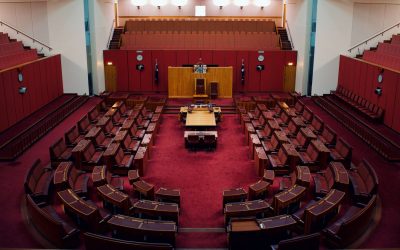
Democrats Take Control of Committees Increasing Chances the Senate Will Get Things Done
Brief #150—Civil Rights
By Rod Maggay
On January 3, 2021 Vice President Michael Pence administered the oath of office to six new senators who had been elected in the November 2020 elections. Additionally, those senators who had won re – election in November were also sworn in. Two days later, elections were held in Georgia for both of Georgia’s Senate seats and a Democrat won each race. Their victories ensured that seats in the U.S. Senate would be equally split between Republicans and Democrats 50 – 50. Kamala Harris’ election as Vice – President gave the Democrats the ability to cast the tie – breaking vote if any vote in the chamber resulted in a tie.
President Biden Moves Forward With Creation of Court Reform Commission
Brief #149—Civil Rights
By Rod Maggay
During the 2020 presidential election campaign then Democratic Presidential Candidate Joe Biden said on the TV program 60 Minutes, “The last thing we need to do is turn the Supreme Court into just a political football, whoever has the most votes gets whatever they want.” Biden was responding to talk over a replacement for Brief Justice Ruth Bader Ginsburg who had passed away in September 2020. Republicans were then in control of the Senate and were pushing to speedily confirm nominee Amy Coney Barrett. Barrett was eventually confirmed to the Supreme Court with less than a week until the November 3, 2020 election.
President Biden’s Day One Executive Order Revokes Prior Trump Orders On 2020 Census
Brief #148—Civil Rights
By Rod Maggay
On January 20, 2021 President Joe Biden issued “Executive Order On Ensuring A Lawful And Accurate Enumeration and Apportionment Pursuant to the Decennial Census.” This was the second executive order President Biden signed after being inaugurated earlier in the day. The executive order in Section 5 specifically revokes President Trump’s Executive Order No. 13880 of July 11, 2019 (Collecting Information About Citizenship Status in Connection With the Decennial Census) and Presidential Memorandum of July 21, 2020 (Excluding Illegal Aliens From The Apportionment Base Following The 2020 Census).
Biden Makes Exceptional Choice For Attorney General
Brief #147—Civil Rights
By Rod Maggay
National Popular Vote Compact Best Bet To Reform Election Of U.S. Presidents
Brief #146—Civil Rights
By Rod Maggay
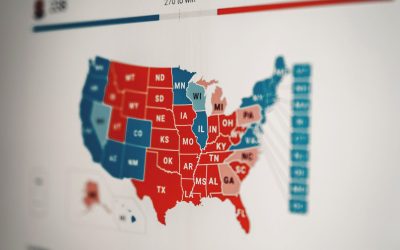
Under Article II, Section 1, Clause 2 of the U.S. Constitution each individual State has the power to appoint the slate of electors who will vote in every presidential election. The Federal Government has no role in a State’s selection of its slate of presidential electors.
President Trump’s Assertion That He Can Pardon Himself Likely Wrong
Brief #145—Civil Rights
By Rod Maggay
Under Article II, Section 2 of the U.S. Constitution, the President of the United States has “the Power to grant Reprieves and Pardons for offenses against the United States, except in Cases of Impeachment.”
Roman Catholic Diocese of Brooklyn v. Cuomo Decision Hints At Future of Religious Liberty Cases In Supreme Court
Brief #144—Civil Rights
By Rod Maggay
In response to the COVID-19 pandemic Governor Andrew Cuomo of the State of New York enacted regulations that allowed him to identify “hot spots” of COVID-19 activity and to designate areas according to a color – coded scheme.
NAACP In Michigan Lawsuit Turns The Tables And Claims President Trump Is The One Engaging In Voter Fraud
Brief #143—Civil Rights
By Rod Maggay
On November 20, 2020 the NAACP Legal Defense Fund filed a lawsuit on behalf of three African – American voters in Michigan contending that President Trump and his campaign team in Michigan are trying to suppress the votes of Black voters in the state.
Leading Contenders for Attorney General And A New Direction for DOJ
Brief #142—Civil Rights
By Rod Maggay
One of the most significant decisions that President – elect Joseph R. Biden, Jr. will make in the coming weeks before his inauguration will be whom he will appoint as Attorney General of the United States.
Federal Appeals Court Upholds Harvard’s Use Of Race As A Factor in Admissions Case
Brief #141—Civil Rights
By Rod Maggay
On October 1, 2019 U.S. RESIST NEWS reported that Judge Allison Burroughs of the United States District Court for the District of Massachusetts issued a ruling in the case Students for Fair Admissions v. Harvard. The Students for Fair Admissions (SFFA) filed the case in November 2014.