

JOBS POLICIES, ANALYSIS, AND RESOURCES
Latest Jobs Posts
Republicanism is Dead: How Today’s Global Challenges Invalidate Current Republican Politics.
Brief #24 – Elections and Politics
By Adrian Cole
Many people on the Left have for decades considered Republican politics anathema. But as the twenty-first century advances into ever-more perilous territory, Republicans are clinging to political and ideological stances which simply defy common sense, logic, reality and efficacy. Bearing in mind the existential nature of the problems facing the country and the world, it is clear that the foundational pillars of today’s Republican party are all premised on untenable positions, false assumptions, bad science and ill-faith, and will, if pursued, lead us all into further crisis.
No One is Safe From the Data Brokerage Industry
Brief #22 – Technology
By Scout Burchill
While you may not be familiar with the shadowy world of the data brokerage industry, there’s a good chance that it knows a lot about you. Data brokers are the unsavory middlemen in our rampant, unregulated surveillance economy. In short, they collect, purchase and aggregate our personal data from the smartphone applications we use and then refine, re-package and sell it for profit. A recent scandal involving the outing of a closeted Catholic priest validates critics’ worst fears about this predatory industry: no one is safe.
Post-Election Investigations Could Yield Criminal Charges for Trump
Brief #23 – Elections and Politics
By Zack Huffman
Despite the 2020 election results decisively showing a majority of Americans wanted Donald Trump out of office, the former president showed that he was not willing to go down without a fight. And now he may face criminal charges for his post-election shenanigans.
Federal Task Force Needed To Attack Roots of Public Despair
Brief #22 – Social Justice
By Katelyn Lewis
The ongoing COVID-19 pandemic has become a stellar example of how ill-fitted U.S. policy is toward addressing the root causes of despair in society, a Brookings Institution policy analysis suggests, with most policies providing reactive solutions and further impairing economic recovery.
A Coup or a Necessary Reset in Tunisia?
Brief #126 – Foreign Policy
By Avery Roe
On July 25, 2021, President Kais Saied of Tunisia fired the country’s Prime Minister and suspended Parliament in what he called an emergency situation, giving him total power. Article 80 of the Tunisian Constitution allows the President to take any actions necessary in the event of imminent danger to the country in consultation with the prime minister and parliament.
While President Saied did not consult with others in the government, there has been debate on whether or not his actions otherwise fall inside the law. He has promised to appoint a new government within 30 days. In the weeks since he acted, there has been considerable debate as to what happened and what will come next as the country remains in limbo.
Who is Spreading Misinformation About Covid Vaccines?
Brief #123 – Health and Gender
By S Bhimji
While the internet has been a good thing, it also has one major negative; it has allowed everyone with a keyboard to become an author and publish whatever they want. Misinformation and fallacies permeate every single topic on the internet but none more so than the Covid vaccines.
Critical Race Theory Debate Rages On
Brief #58 – Education Policy
By Lynn Waldsmith
As millions of K-12 students head back to school in the coming weeks, many conservative lawmakers and anxious parents continue to rail against what they see as the dangers of teaching critical race theory, or CRT, in the classroom. But the reality is that myths and misinformation about CRT are based in fear and being perpetuated as a political tool.
Will This Summer’s Extreme Weather Affect the World’s Resolve to Tackle Climate Change?
Brief #123 – Environmental Policy
By Adrian Cole
COP 26 is the latest climate gathering in a process which began with the 1992 Earth Summit in Rio de Janeiro. The United Nations Framework Convention (UNFCCC), established then, is comprised of 200 members who commit to meeting annually in a Conference of the Parties (COP). This year the UK will host, and has the presidency. The meeting has been billed as the “last, best chance” to deal with climate change. What are its goals?
Why is There No Covid Vaccine for Children?
Brief #122 – Health and Gender Policy
By S Bhimji
For much of 2021, only the adult population has been getting vaccinated in the USA but children have not been a priority. Now that schools are about to open, people are asking why children have not been vaccinated.
In the USA, the plans were to only vaccinate the children in the later stages of the vaccine roll-out. As of yet no vaccine has been approved for use in children under the age of 12.


Will Biden’s Bold Climate Plan See Its Way Through the Political Storms?
Brief # 113, Environment
Author: Todd J. Broadman
Title: Will Biden’s Bold Climate Plan See Its Way Through the Political Storms?
May 4. 2021
POLICY
The world is in need of a climate action plan; the U.S. under President Biden is proposing one. At its core, the proposed plan is a set of policies that shift or transition energy from fossil fuels to renewable sources. The glaring challenge to this shift though, is current and future projections for energy demand. Americans are accustomed to the luxury of 24-7 access to energy at the touch of a button. As the Biden plan points to, solar and wind power are the go-to sustainable energy sources. Electricity though, accounts for only a quarter of CO2 emissions – carbon-intensive manufacturing, agriculture, and transportation demands comprise the vast majority. Biden’s plan subscribes to Bill Gates’s “Show me a problem, and I’ll look for technology to fix it,” approach. Others, particularly in Europe, place more emphasis on ‘degrowth’ as the direction the developed world ought to be heading.
Biden recognizes that any plan must be global in scale; he convened global leaders for a climate summit on Earth Day to discuss commitments and targets. Biden committed to what appears to be an ambitious new U.S. target for cutting climate pollution – 50-52% below 2005 levels by 2030. Another Biden commitment, global in scope, is his campaign pledge to safeguard tropical forests with a promise of $20 billion to protect the Amazon rainforest.
What has been dubbed the White House “climate all-star team” is a reflection of Biden’s intent to follow up commitment with action. Gina McCarthy, former administrator of the Environmental Protection Agency, is the “climate czarina”; Michael Regan, who was a state environment leader, is EPA chief; former Secretary of State John Kerry, one of the original architects of the Paris Agreement, is Biden’s Special Presidential Envoy for Climate. Biden’s allies in the legislature include Sen. Elizabeth Warren and Rep. Andy Levin who have introduced a green procurement that would fund purchases of sustainable American-made products. They, along with the larger Progressive Caucus, introduced the Build Green Act: a $500 billion investment over the next decade to modernize infrastructure and transition the country to electric public vehicles and rail.
This same coalition, which includes Secretary of the Interior Deb Haaland, introduced the THRIVE Act, a $10 trillion proposal on infrastructure spending. Environmental and citizen stakeholder groups influencing these proposals include the Working Families Party, the Sunrise Movement, the NAACP, and the Sierra Club.
While grassroots environmental activism has helped inform Biden’s climate plan, industry lobbyists, most notably energy conglomerates, agriculture oligopolies, and Wall Street have and will continue to weigh heavily in what actual legislation gets passed. The recent tide of history bears this out: between 2013 and 2019, the most destructive agribusiness companies were backed to the tune of $44 billion by over 300 investment firms, banks, and pension funds across the globe. The question remains: will the Biden administration demand transparency and accountability over how industry behaves? Can he stand up to industry? For his climate plan to gain any traction at all, it cannot rely upon voluntary policies and commitments. As many critics have already pointed to, if Biden can’t get banks and asset managers to stop underwriting fossil-fuel companies and destructive supply chains, he won’t stand a chance.
Another important consideration: should the Democrats lose the House in the 2022 midterms, they may have nothing but the next 18 months to formalize actions. Even if Biden is reelected in 2024, his climate plan will need the cooperation of Congress and the courts. The reality is that both branches have prominent members who are outspoken in not wanting to reduce fossil fuel use or submit to international agreements. Gaining agreements from other industrial nations to scale back their overall energy usage considerably, if the U.S. will not serve as an example, will not transpire.
ANALYSIS
The connection between national carbon targets and actual national emissions is anything but clear. If the Paris agreement is the benchmark, what we have are pledges of escalating targets without the domestic policies needed to reach them. Biden’s voluntary pledge doesn’t necessitate a policy process; there is no penalty for not meeting the target. The same is true for the other signatories. Every five years there is an international “stock take,” wherein countries report their progress. Not a single country today has a loophole-free, legally enforceable, economy-wide, declining cap on carbon. Biden has an opportunity to lead.
Some activists argue that Biden should be establishing a reduction target in the range of 70 percent reduction by 2030 – this, given US’s relative contribution as the world’s largest CO2 emitter. Key to meeting any target is addressing the role played by the American financial sector in fueling deforestation. Keeping forests standing could provide more than one-third of the total CO2 reductions needed to keep global heating below 2°C by 2030. The US’s insatiable consumption of wood and mineral-based commodities drive forest destruction, and that devastation is centered on the critical ecosystems of the Amazon, Congo Basin and Papua New Guinea.
Biden is taking action. At his request, Congress is preparing to overturn Trump’s weakening on methane pollution, reestablishing the states’ ability to have stricter air pollution rules, and reversing Trump’s actions on drilling on public lands. On average, Biden is overturning one rule a day. The president endorsed a $2 trillion green infrastructure plan. His $2.7 trillion American Jobs Plan proposes billions for the transition to electric vehicles and cleaner electricity, along with support for less harmful manufacturing. This Jobs Plan aims to create millions of jobs. As well, Biden’s new budget requests funding for a new Office of Climate Change and Health Equity in HHS, which would “focus on decreasing effects of climate change on vulnerable populations.”
He is leaning in the right direction. Reality on the ground will depend upon a clear, enforceable, well-implemented plan, and one that holds industry accountable – a tall order. And there are glaring gaps in the climate plan. Where is the hard line on fracking? Where is some policy—any policy—to curtail fossil fuel production? Will Biden move to cancel the Dakota Access and Line 3 pipelines? And the looming, cultural quandary: how will American lifestyles be supported in a world without fossil fuels?
Engagement Resources:
https://www.postcarbon.org/ leading the transition to a more resilient, equitable, and sustainable world.
https://grist.org/ dedicated to telling stories of climate solutions and a just future.
https://www.sunrisemovement.org a grassroots movement to stop climate change and create millions of good-paying jobs in the process.
https://greennewdealgroup.org/ will power a renewables revolution, create thousands of green-collar jobs across the economy and rein in the distorting and socially-destructive power of the finance sector while making more low-cost capital available for pressing priorities.
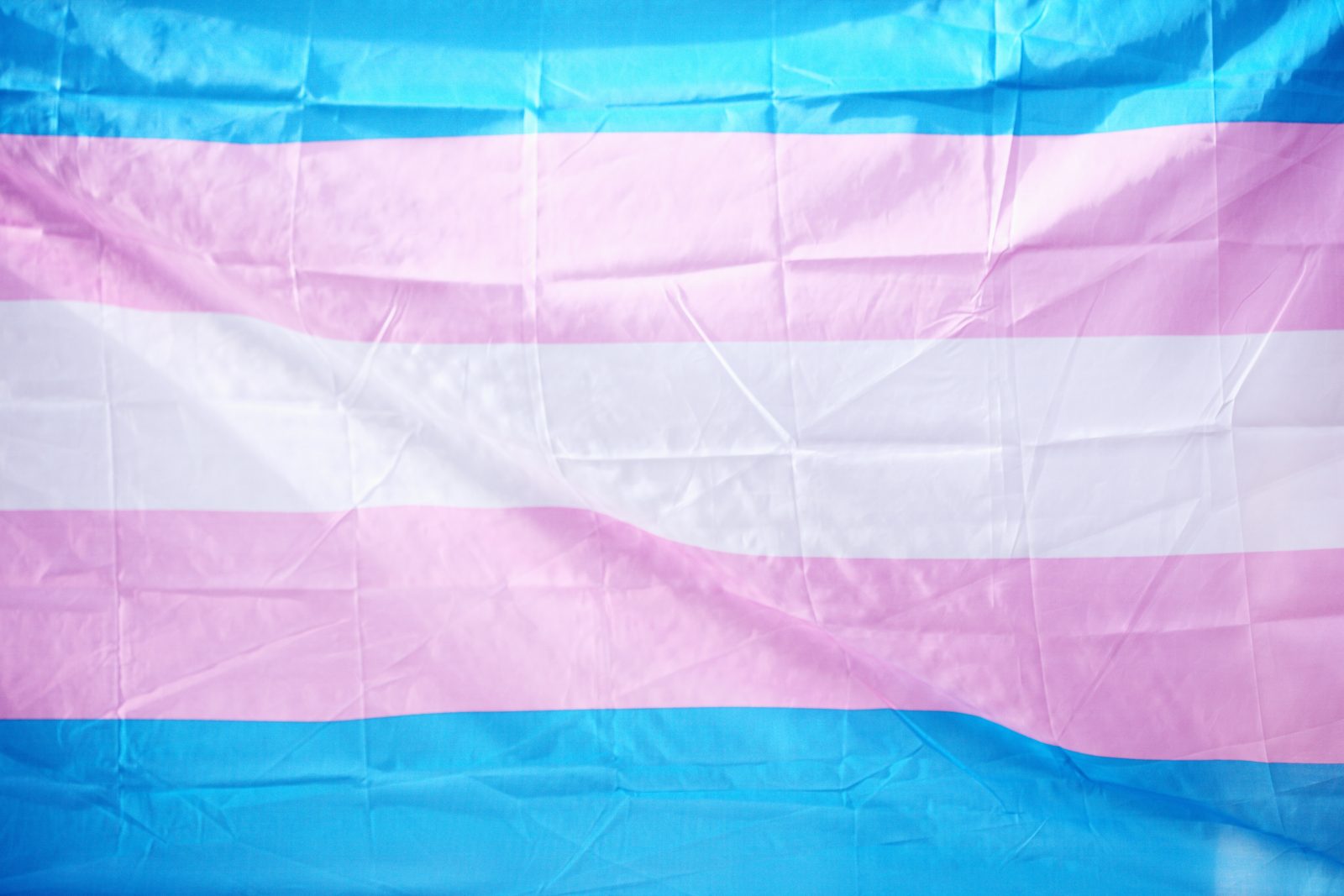
States Launch Assaults on the Rights of the Transgender Community: Part I
Brief #104 – Health & Gender
Author Taylor J Smith
Brief Title: States Launch Assaults on the Rights of the Transgender Community: Part I
May 1, 2021
More than 100 bills that threaten the rights of transgender people have been introduced across thirty-three states as we approach only the fifth month of the year. The Human Rights Campaign, the nation’s largest LGBTQ+ advocacy organization, tracks such dangerous bills and has on record 117 bills that take aim at the transgender community, the majority targeting trans youth. This is the number of anti-trans bills since HRC began tracking anti-LGBTQ+ legislation back in the early 2000s.
These bills are attacking the trans community by restricting access to medical care, prohibiting the use of locker rooms and sports participation, banning specific curriculum, enforcing ID restrictions, and limiting other civil rights protections. All of the soon to be mentioned bills target the trans community in ways that ultimately threaten the existence and enjoyment of life of trans individuals, primarily trans youth, who are already susceptible to high rates of suicide and depression.
The Policy
As mentioned, there have been over 100 bills threatening the rights and life of the trans community in the realms of health, sports and civil rights, in this three-part series, U.S. RESIST will bring attention to some of the most controversial and/or harmful bills.
Part I : Bans on Gender-Affirming Health Care for Minors
This year, twenty-two states have introduced bills that restrict access to gender-affirming therapy and surgery to minors.
In Louisiana, Missouri, South Carolina, Tennessee and Texas, bills have been proposed that could punish parents who encourage or facilitate minors’ access to gender-affirming medical treatment, or healthcare professionals from administering such treatments.
Arkansas’s Ban on gender-affirming care for trans youth is one of the most recent bans, and currently the only one to see signed into law. Governor Asa Hutchinson, a staunch Republican, surprisingly vetoed HB 1570, erroneously called the “Save Adolescents From Experimentation Act” (SAFE Act). This comes after the SAFE Act passed both the House and Senate in March prompting widespread concern and outcry. However, just days after the Governor’s veto, it was swiftly overridden by both chambers. The bill will go into effect 90 days after the legislature adjourns in the coming weeks.
While these bills are proposed as legislation protecting children, trans advocates, LGBTQ+ groups, and researchers believe such laws will do the opposite, as gender affirming treatment is often lifesaving for gender nonconforming or transgender youth. With these bills looming, the mental health of the LGBTQ+ community, trans individuals especially, are at great risk. Research has already affirmed the notion that increasing access to gender-affirming care can reduce consistent suicidal thoughts among trans adults.
Engagement Resources:
The Human Rights Campaign: the largest LGBTQ+ advocacy group and political lobbying organization in the US.
Lambda Legal: A national organization committed to achieving full recognition of the civil rights for lesbians, gay men, bisexuals, and transgender people.
National Center for Transgender Equality: The nation’s leading social justice advocacy organization committed to life-saving change for transgender people.
States Launch Assaults on the Rights of the Transgender Community: Part I
Brief #104 – Health & Gender
Author Taylor J Smith
Brief Title: States Launch Assaults on the Rights of the Transgender Community: Part I
May 1, 2021
More than 100 bills that threaten the rights of transgender people have been introduced across thirty-three states as we approach only the fifth month of the year. The Human Rights Campaign, the nation’s largest LGBTQ+ advocacy organization, tracks such dangerous bills and has on record 117 bills that take aim at the transgender community, the majority targeting trans youth. This is the number of anti-trans bills since HRC began tracking anti-LGBTQ+ legislation back in the early 2000s.
These bills are attacking the trans community by restricting access to medical care, prohibiting the use of locker rooms and sports participation, banning specific curriculum, enforcing ID restrictions, and limiting other civil rights protections. All of the soon to be mentioned bills target the trans community in ways that ultimately threaten the existence and enjoyment of life of trans individuals, primarily trans youth, who are already susceptible to high rates of suicide and depression.
The Policy
As mentioned, there have been over 100 bills threatening the rights and life of the trans community in the realms of health, sports and civil rights, in this three-part series, U.S. RESIST will bring attention to some of the most controversial and/or harmful bills.
Part I : Bans on Gender-Affirming Health Care for Minors
This year, twenty-two states have introduced bills that restrict access to gender-affirming therapy and surgery to minors.
In Louisiana, Missouri, South Carolina, Tennessee and Texas, bills have been proposed that could punish parents who encourage or facilitate minors’ access to gender-affirming medical treatment, or healthcare professionals from administering such treatments.
Arkansas’s Ban on gender-affirming care for trans youth is one of the most recent bans, and currently the only one to see signed into law. Governor Asa Hutchinson, a staunch Republican, surprisingly vetoed HB 1570, erroneously called the “Save Adolescents From Experimentation Act” (SAFE Act). This comes after the SAFE Act passed both the House and Senate in March prompting widespread concern and outcry. However, just days after the Governor’s veto, it was swiftly overridden by both chambers. The bill will go into effect 90 days after the legislature adjourns in the coming weeks.
While these bills are proposed as legislation protecting children, trans advocates, LGBTQ+ groups, and researchers believe such laws will do the opposite, as gender affirming treatment is often lifesaving for gender nonconforming or transgender youth. With these bills looming, the mental health of the LGBTQ+ community, trans individuals especially, are at great risk. Research has already affirmed the notion that increasing access to gender-affirming care can reduce consistent suicidal thoughts among trans adults.
Keywords:
Healthcare, health, trans, transgender, LGBTQ, trans health, trans rights.
Engagement Resources:
The Human Rights Campaign: the largest LGBTQ+ advocacy group and political lobbying organization in the US.
Lambda Legal: A national organization committed to achieving full recognition of the civil rights for lesbians, gay men, bisexuals, and transgender people.
National Center for Transgender Equality: The nation’s leading social justice advocacy organization committed to life-saving change for transgender people.

Show some courage! Defy your tribe!
Show some courage! Defy your tribe!
Someday the world, and maybe even your tribe, will thank you.
By Robert Wright from Robert Wright’s Nonzero Newsletter
(available on Substack)
April 26,2021
Last week LeBron James, who has 50 million Twitter followers, tweeted a picture of a policeman in Columbus, Ohio who had shot a 16-year-old Black girl to death. The tweet said, “You’re next. #Accountability.”
Coming right after the verdict in the Derek Chauvin trial, the tweet seemed to mean that this cop, like Chauvin, would be convicted of murder and imprisoned—though some took James’s message as more menacing: a threat of vigilante justice.
On either interpretation, the tweet didn’t make sense. The cop’s body cam had captured the killing, and the video told this story:
A cop responding to a 911 call arrives on the scene and sees the 16-year-old, Ma’Khia Bryant, with a knife in her hand, approaching another girl. The other girl is backed up against a parked car, with no means of escape, as Bryant draws the knife back and seems poised to stab her. The cop opens fire.
There are good questions you can ask about the cop’s conduct. Couldn’t he have fired one shot, not four? Or, instead of shooting Bryant, could he have rushed her, hoping any stabbing attempt would be ineffective and he could wrestle her to the ground before she did real damage? But if I were the girl the knife was pointed at, I probably wouldn’t be complaining about the decisions he made. In any event, he acted within standard policing guidelines, which say you can use your gun to end a lethal threat to yourself or anyone else.
During the first couple of days after the shooting, my Twitter feed, which tilts to the left, featured a number of tweets that, like James’s, condemned the cop. And it contained almost no tweets making the point I just made—that, though this was a white cop shooting a Black person, it was also a white cop shooting someone who seemed to be trying to stab a Black person.
I sensed a need for someone—like me, for example—to push against the prevailing narrative, to tweet something that might help clarify things. So what did I tweet? Nothing. Why? Because I lacked courage. I just didn’t feel up to dealing with blowback from people on Twitter who, forced to choose between evaluating your argument and attacking you, reliably opt for thermonuclear war.
I’m more and more convinced that there are lots of people like me out there. No, I don’t mean cowards. And I don’t just mean people who think there are too many misleading and inflammatory social media posts by influential people. Obviously, lots of people in red America think there are too many of those posts coming from blue America and lots of people in blue America think there are too many of those posts coming from red America.
What I mean is that there are lots of people who think there are too many of those posts coming from their own tribe—whether red or blue or some other tribe—but are afraid to speak up about it.
I say we start speaking up! Here are some reasons that, at least from my own tribal perspective, speaking up seems like a good idea.
1) If my tribe doesn’t seize the moment, the other tribe will. Ben Shapiro, formerly an editor at Breitbart and currently a right-wing troll, got tons of mileage out of a tweetcomplaining that liberals were resisting the truth about the Columbus shooting. He’d have gotten at least somewhat less mileage if liberals hadn’t in fact seemed to be resisting the truth about the Columbus shooting. When your tribe is denying something that’s obviously true because it doesn’t fit into your tribe’s standard menu of talking points, that’s often a gift to the other tribe. And it can add to the power of people in the other tribe who seize the moment. I personally don’t want to add to Ben Shapiro’s power.
2) If my tribe doesn’t seize the moment, the world will be more likely to enter a spiral of doom. You knew this was coming, right? After all, if I couldn’t connect the theme of courage to the apocalypse, why would I be writing about courage in a newsletter that is devoted to the Apocalypse Aversion Project?
You may ask: But isn’t apocalypse aversion largely about international politics—avoiding wars, building structures of international governance to tackle problems nations can’t tackle alone, and so on? Yes, but:
It’s hard to build coherent international governance on a foundation of incoherent nations. An America lacking in cohesion, divided along red-blue lines, won’t have the political will to do ambitious, politically difficult things. Such as: crafting and then participating in new forms of international cooperation designed to prevent things like pandemics, environmental calamities, and arms races in space or in bioweapons or in AI.
To get a little more granular: Doing these things will require convincing some skeptical Americans—definitely including some who are right of center—that these things make sense. And these Americans will be hard to convince if the people trying to convince them come from a tribe they hate—all the more so if one reason they hate the tribe is because it can’t be trusted to gets its facts straight (like when it accuses cops of racism or murder even when there’s no good evidence of either).
In short: standing up to your own tribe can strengthen its ability to argue persuasively for important policies, including anti-apocalypse policies.
There’s another sense in which courage can aid in the building of good international governance. It takes a little explaining, but the explanation begins with a simple, almost self-evident premise: It’s hard to build coherent international governance on a foundation of international division. Obviously, the more time nations spend at odds—whether fighting actual wars, engaging in tense standoffs, or enduring chilly relations—the less likely international cooperation is.
Now, sometimes being at odds with other nations is the only real option. If a country invades another country, or egregiously mistreats its own people, pushing back against that, sometimes forcefully, can make sense.
But in some cases we overdo the pushback, and one common reason is that we overstate the transgressions we’re pushing back against. Often the way this works is that people who are deeply invested in hostility toward a country exaggerate its transgressions, and hardly anybody has the courage to challenge the exaggeration.
The exaggeration isn’t always, or even usually, intentional. Often people who agitate against, say, Russia or China feel (like LeBron James) that they’re just telling the truth. And sometimes they are. But various cognitive biases make it quite possible that they’re wrong—that they’re unconsciously exaggerating how menacing a country is or how cruel it is to its own people. Depending on the nature of their claims and the prevailing zeitgeist, it can take courage to challenge them.
For example: During the runup to the 2003 Iraq War, it took courage to challenge the claim that Saddam Hussein was building weapons of mass destruction. And by “challenge” I don’t mean denying that he was building them—I just mean saying, “Are we really sure about this?” It’s hard to explain to people who are too young to remember those days why it wasn’t easy to ask a question like that. But the mass psychology of a moralistic rush to war is a strangely powerful thing.
Some kinds of pro-war narratives are especially hard to challenge. In the runup to the earlier war against Iraq, the Persian Gulf War of 1991, a Kuwaiti teenager testified before a congressional committee that while she was volunteering in a Kuwaiti hospital she had watched as Iraqi soldiers “took the babies out of the incubators, took the incubators, and left the children to die on the cold floor.” President Bush repeated that story 10 times in the coming weeks, as support for invading Iraq grew.
Who wants to challenge a Kuwaiti teenager who tells a story like that? Who wants to be called an “apologist” for baby killers? Nobody. But it turned out she was lying. Two years later we learned that she was the daughter of the Kuwaiti ambassador to the US and had been coached by the public relations firm Hill and Knowlton.
But that’s all in the past! And the past is where it’s easy to find examples like that. Finding them in the present is harder. One reason is that it takes courage to sound a note of skepticism about such claims in real time, when emotions are running high. So they tend not to get investigated until after they’ve done their damage.
Right now there are good examples of this—claims about bad behavior by foreign actors that may, for all we know, be exaggerated or even flat-out wrong. You can find examples having to do with the governments of Russia, China, Iran, and Syria. Want to hear about them? Sorry, I’m not feeling that courageous at the moment. But I’ll get back to some of them soon in this newsletter.
Meanwhile, I close on a note of hope: After a period of reflection, LeBron James deleted his tweet.

A New Wave of “Anti – Protest” and “Anti – Riot” Bills Threaten First Amendment Rights In The United States
Title: Civil Rights; A New Wave of “Anti – Protest” and “Anti – Riot” Bills Threaten First Amendment Rights In The United States; April 2021
Policy Summary: During the 2021 legislative session “anti – protest” and “anti – riot” bills have been introduced in a number of states across the United States. The bills vary in a number of key features but it is clear that these bills are being put forward in response to the protests last year against police misconduct and institutional racism. There have been more than 80 anti – protest bills introduced this year alone. Here is a list of the most noteworthy of those state bills.
On April 19, 2021 in Florida, Governor Ron DeSantis (R) signed the Combatting Public Disorder Act. That act creates a new charge of “aggravated rioting” which is focused on acts committed during a declared riot such as blocking a highway or the threat of force against a bystander. The bill also enhances the penalties for battery and burglary charges during a riot. Additionally, a mandatory sentence can be imposed on a person convicted of battery against a police officer during a riot.
In Texas, Senate Bill 92 proposes that if a group of seven or more people causes property damage that all members of the group of people can be held liable for the property damage even if a person did not intend to cause or actually cause the damage.
In the Minnesota State Senate, SF 2381 proposes that anyone convicted of an unlawful protest violation would become ineligible from receiving student loans and state financial assistance aid such as state unemployment benefits.
Indiana Senate Bill 34 proposes that any person convicted of unlawful assembly would be barred from working in a state or local government position.
In Oklahoma, State House Bill 1674 proposes to offer civil and criminal protections to drivers who hit with their vehicles protestors who are blocking a roadway. LEARN MORE, LEARN MORE, LEARN MORE
Policy Analysis: Anti – protest and anti – riot bills have experienced a surge in the last few years. The current batch of bills from the 2021 legislative sessions have come in the wake of incidents where people have protested against police misconduct and racially motivated incidents against minority communities but they have also been tried in other scenarios. In response to protests against the Keystone XL pipeline a number of states proposed bills that sought to penalize those who protested against the pipeline. A rationale often used for these bills against environmental protestors is for a need to protect the oil and gas industry. With these new anti – protest and anti – riot bills a similar rationale is being used in that there is a need to protect law enforcement, historical monuments and property. But in their attempt to make these bills about protection of life and property these politicians are ignoring the constitutional concerns that these bills are running up against.
The common problem running through nearly all of these bills are that they run afoul of the First Amendment’s protections against abridging the freedom of speech and the right to peaceably assemble. Taking the right to freedom of speech, what a number of these bills would do is that they would “chill” a person’s right to protest which is a recognized form of speech. People would be much more hesitant to engage in a protest on an important public issue if there are unrelated consequences for attending a protest. A person can find himself or herself disqualified for educational loans and unemployment benefits. So instead of risking those benefits they may decide that speaking up might not be worth it. They can find themselves disqualified from holding a government position in the future. And they can also find themselves civilly liable for thousands of dollars of property damage when they may in fact not have intended or participated in destruction of property. The message being sent is that speaking up and voicing an opinion is not worth the time and effort. This a horrible message to send as the exchange of ideas and speaking freely is a valued American tradition. States should be encouraging speech and the exchange of ideas instead of enacting restrictions that stifle the exercise of speech or enacting protections for those that seek to physically harm protestors (no liability if a driver rams a protestor with his car) as many of these bills do.
Another common thread to these new bills is that they are directed at controlling the violent and destructive elements that, unfortunately, have become associated with protests. However, the U.S. Crisis Monitor examined data from 2020 and found that of the 7,750 protests from the summer of 2020, 93% were neither violent nor destructive. Of course, there were incidents of property damage at a number of protests but protests have not been overwhelmingly violent or destructive as these bills claim. The threat of violence or destruction is being put forth as a looming threat ready to explode when that is not the case at all. The bills are more likely trying to diminish the messages of protestors by painting them as something they are not – destructive and violent – in the hopes that the rest of the citizenry will side against the protestors without examining the merits of their message.
While Florida’s bill has already been enacted into law, the anti – protest and anti – riot bills in other states should be closely scrutinized for the effects that may have on the rights being exercised under the First Amendment by those who are marching in the streets to voice their concerns. LEARN MORE, LEARN MORE, LEARN MORE
Engagement Resources:
International Center for Non – Profit Law – infopage tracking progress of anti – protest bills around U.S.
First Amendment Watch – infopage with analysis and news of anti – protest bills.
This brief was compiled by Rod Maggay. If you have comments or want to add the name of your organization to this brief, please contact Rod@USResistnews.org.

Student Loan Forgiveness: Who Should Benefit and By How Much?
Brief #115
Student Loan Forgiveness: Who Should Benefit and By How Much?
Rosalind Gottfried
April 25, 2021
Policy
Americans owe 1.7 trillion dollars in student debt. This figure represents an increase of 102% from 2010. The issue is seen by many as one of racial and economic equity. This is because the greatest portion of student debt accrues to lower and middle income students and to students who are Latinx , African American and/or women. Twenty five percent of African Americans and twenty percent of Hispanic Americans are behind in their debt payments. Students of color are also more likely than other bearers of student loans to have left school without a degree or to have jobs where their pay is not commensurate with the average college graduate’s pay scale.
President Biden’s recent corona virus relief bill provided for a moratorium on loan payments until September 30, 2021 and exempted them from accruing interest during that time period. He has also exempted debt forgiveness or cancellation from being taxed. At the same time, a recent US Court of Appeals ruling has made it more difficult to excuse student loans if a person declares bankruptcy. This would not impact a one-time loan cancellation but applies to people making payments on existing loans which would not be canceled under a new guideline.
Candidate Biden attacked the issue of student loan with some vigor but his current positions appear less vehement. There is also a question of whether he has the authority to forgive loans through executive mandate or whether he will go with a congressional strategy. He has asked for a memo clarifying his authority to address the loan issue through executive order and there are some signs that he might favor a Congressional approach, though the likelihood of gaining support in each House seems unlikely.
The more specific issues are in regard to how much might be excused and who, or what, loans would be included. There are resolutions proffered by Democrats in the House and Senate to forgive up to $50,000 in federal student loan debt. The Senate Bill, promoted by Senators Elizabeth Warren and Chuck Schumer, would forgive up to $50,000 in federal student loans for individuals making less than $125,000 annually. Two hundred civil right and consumer protection groups support this effort. This would eliminate the debt of 36 million people of the 45 million loan holders. Biden currently seems more likely to go with a figure of $10,000 in federal student loans wiping out the debt of 15 million borrowers.
Analysis
One large rationale for loan forgiveness addresses the myriad ways in which such an action would bolster the economy. These include:
- Reducing the wealth gap
- Providing an economic stimulus to the middle class
- Promoting home purchases
- Increasing the development of small businesses
- Increasing the ability to save for retirement
- Supporting the desire of young people to start a family
The conditions to qualify for the full loan forgiveness are controversial but likely will have an income limit and apply to students who attended public colleges and universities. The feeling is that students who have attended more elite universities have not accrued much loan debt and, if they did, are more likely to be among the higher earners which could pay back their loans. Critics of loan forgiveness assert that higher income earners are likely to gain the most from loan forgiveness though there is little evidence to support this. The cost of higher education has indisputably outpaced family income, representing an incomprehensible portion of assets; it is hard to argue against the idea of loan forgiveness. Many economists agree that what stimulates an economy most, over the longer term, is a healthy, solvent middle class and eliminating, or at least reducing, student debt certainly would improve the outlook for many young people.
Learn More References
https://afro.com/democrats-pressure-biden-to-address-student-loan-debt-crisis/
Engagement Resources

# 5 Fishing Boat Dispatch
Changing Tides : A new blog post on the marine environment written by U.S. RESIST NEWS Reporter Katherine Cart
# 5 Fishing Boat Dispatch
April 22,2021
Prince William Sound is a quiet place. Storms in the Gulf of Alaska die on the western edges of islands; Montague, Hitchinbrook and Hawkins Islands rise like barbicans about the calm inlets. When one flies low over the Sound, little islands appear as shadows stretched westward: storm waves crush beaches from craggy outcrop. On the leeward side rise unblunted cliffs. At the scooped back of the Sound, one can, in most seasons, drive aluminum skiffs for miles on flat water, jigging for halibut and pulling from 30 fathoms by hand shrimp pots in which an octopus is more likely to be found than shrimp. Treed mountains rise up from the water, are striated by waterfall from glacial seeps, summits. In winter, the bays beneath slush are aquamarine, incredibly clear – the season of rot not yet begun – and the hills are stilled beneath a fathom of snow. The winter nights are long: sun up and down occur near the middle of the working day. In clear dawns and twilights, if one stands in view of the sweep of the Sound, all the snowed islands blaze in alpenglow. On Esther Island, where storms rarely come, the winter sun flits around the periphery of the bay, slinking behind mountain ridge. There is a small cluster of buildings on Esther Island, in which a dozen or so people live and work, hatching and releasing Chum salmon[1] by the millions each year. In the darkest months, daylight is the blued shadow of the mountain across the bay, and night is, with clear skies and luck, the greenish aurora borealis beyond the humped blocks of snowed peaks. Strong moons reflect silver on frozen waterfalls.
I first arrived to Esther Island in a February snow squall. Nothing moved for months, save the ravens and the flitting Coho the birds picked from our raceways[2]. April then opened spring in one day: at the western hem of sinking snow fields, in a juniper copse, a small grey spider had hung her web across the ice. The next morning, I heard the first returning gulls, raucous, self-assured; stoneflies swarmed low over the snow. Life and death are in slow riot in the Sound.
If you spend a winter on Esther Island, you’ll mark time by snow melt, sun’s shift, the budding swells of Chum salmon runs[3]. At the hatchery, we were especially attuned to the return of the anadromous fish; spawning salmon run midsummer, when only the distant Chugach Range still holds snow. After a half decade meandering the Pacific, Chum salmon school en masse in the sheltered bay. Their silvering begins to revert to juvenile colors: mauve, subdued green, sometimes a dull, deep plum. Dorsums of bucks hump up, preparing the endoskeleton for the implausible push up snowmelt, into a fresh water that will, eventually, rot them. Hens fatten, carrying roe like jewels[4]. Chum salmon are often dubbed dog salmon. If you hold a spawning fish and look her in the bland face, the epithet will be no mystery: once demure teeth now grow to snarls and will rip a palm if one isn’t careful. Their collective return to the fresh flush in which they were once yolked hatchlings to dig their own redds[5], lay and fertilize eggs is still a profound mystery. Clear bay water goes black with Chum and hazy with decay; spawned out salmon float dead on the tide. Bucks and hens amass in the hatchery brood pond – a cement hollow through which fresh lake water is funneled, simulating a river. Spawning salmon push up contrived cement steps, jumping against surging water. The feat appears desperate, hysterical, incredible.
From the brood pond, up fifty feet coastwise, a river floods from the same lake the brood pond water is pumped. This small river (you can jump the highest rocks at low tide) has long played host to spawning salmon; eons before the hatchery was erected, before humans populated Alaskan coasts, wild salmon returned each year to lay broods in river beds like these. It was from those native fish that the island hatchery first collected spawning returners for manual propagation. In the bay, wild fish are now far outnumbered by hatchery-bred fish. A few salmon make it past the more alluringly powerful, synthesized current to this river. They may be wild fish whose progenitors too spawned freely in riverbed, or they may be of the hatchery stock. No matter which runnel the fish happen upon, none will return to sea. By the hundreds of thousands they push shoreword. Spawning in the lake water in which they were themselves hatched will be their final pilgrimage.
The seasons on Esther are also marked, though by a lesser token, with the arrival of salmon seiners, gillnetters and tenders. The boats’ materialization, like that of the black bears, of the gulls and bald eagles who feed upon the spent carcasses of spawned fish, is contingent upon the salmon’s continuation. When spawning salmon run to fresh water across the world – as in Prince William Sound – many are netted by fishing vessels before reaching either the brood pond or river bed. This can be, like any fishery, a lucrative business subject to the variability of harvesting wild produce. To protect livelihood and broad economy, hatcheries manually spawn commercially viable fish. Salmon fishermen are threads in the Alaskan coastal financial ecosystem pulsing money to interior stretches. Take, for example, one 38-foot purse-seiner, crewed by five people. This boat nets fish (with an absurd amount of skill required by crew and captain; maneuvering skiff, boat and net through shallow, vessel-jammed water necessitates mechanical and physical dexterity and an insensible stamina.) and the hauls the fish to offload at a waiting tender[6]. Once full, or the opener[7] closes, the tender transports the fish to processor facilities – canneries, reefer trucks, factories. From there, fish is sent and sold throughout the world, supplying grocers, fish counters, food processors, families. Each of these steps (and all those unmentioned – can producers, truck drivers, marine gear suppliers, etc) boosts a massive economic feedback loop.
The season of spawning is called “egg-take.” From the brood pond Chum are sent by conveyor into the main hatchery building. Ripe hens are cut ventrally, roe scraped by thumb and forefinger from ovaries, collected in five gallon buckets. White milt from five bucks is sprayed by hand into the bucket, simulating somewhat the competitive diversity of stream-spawned fish. Over the long, silent winter, these fertilized eggs are coddled in incubators. In the early spring, fry[8] are released into the bay to school in nets. Their concept of the world is maximized from a four-by-four-by-one foot aluminum tank to a thirty-by-thirty-by-twenty foot net. Here they are fed a regulated diet of dried feed chucked generally by a bored technician walking in floating circles. In a few months, the snow melts on moss, spiders uncase, birds return and the smolts[9] are released: their world, very suddenly, becomes the spread of the globe’s oceans. Humpbacks arrive to feed on hatchery fish. Their spouts can be heard across the bay, and the sight of the first is announced on the island with great fanfare. A brief hiatus in bay activity follows. Hatchery workers rest, prepare. And then the next Chum brood returns just ahead of the sea lions, scavenging eagles and the engine thrum of gillnetters and seiners from Cordova and Whittier and Valdez. Egg-take, commercial fishing and summer, begin again.
There are many such hatcheries poised at the world’s littoral edges. They support all manner of fish – though the general commonality is the matter of the fish’s economic import. It’s a sticky situation, providing solutions that raise questions. Hatchery-raised fish (as opposed to those spawning wild in riverbed without the help of human hand), in the Pacific Northwest, make up a mind-boggling 70-80% of coastal fishery stocks. In Prince William Sound, the hatchery system managed by the non-profit I once worked for supported each year $49 million dollars – 90 million pounds – of commercially harvested salmon.
Beyond financial impacts, of course, hatchery fish fill potential gaps caused by overfishing. Overfishing can happen inadvertently and outside prescribed openers; on Bering Sea commercial pollock boats fishing a hundred miles offshore, salmon-takes are of large concern. Salmon cannot legally be kept for sale by offshore vessels, and the catch-limits for Chinook and Coho salmon[10] are restrictively low (and regulated in a system similar to that of halibut limits, discussed here). Industrial inland practices can impact native salmon runs too, raising cause for hatchery support. On the east coast, numbers of wild Atlantic salmon are dumbfoundingly low. The logging, damming and industrial waste that revert long-stable spawning rivers to inhabitable washes, compounded by early unregulated fishing offshore razed Atlantic salmon populations. Atlantic hatcheries now work to boost runs. As coastal money moves in veins by trade and transport inland, salmon move nutrients in heaps, from benthos to estuary. And from river banks fertilized by spawned-out fish unfold ecosystems. There is merit to hatchery-fish beyond the financial.
There are, regrettably, repercussions to muddling long-held ecological patterns – even for reparations’ sake. Pruning of genetics and unsupportable behavioral traits begins in the Chum-spawned river bed. Most individuals making it into the hatchery brood pond have a fair chance to be manually spawned at the hands of a hatchery tech. Not so in the wild; if the journey upriver to spawning grounds is long (I worked once at a Sockeye hatchery 200 miles inland, to which fish arrived alive, but rotting) a very select few will make the push. Wild alvein[11] are subjected to major run-off events, predation, disease. Inside the hatchery, alvein in incubators have daily their O2 levels tested, temperature maintained, are protected within four aluminum walls. The imbalance in necessary hardiness between hatchery and wild salmon continues until smolt release. There is a relative lack of predator awareness, hunting capabilities and overall lower socio-behavioral fitness in hatchery-raised fish. Hatchery-raised and wild-spawned fish do eventually mix at sea, and, during fishing openers, are caught in the same gillnets and purse seins. Concern amongst fisheries researchers now grows: in today’s overtaxed oceans, many salmon stocks are listed as endangered or threatened under the Endangered Species Act. Because hatcheries allow for greater fishing efforts on returning salmon, and because the proportion of hatchery-raised salmon now far outweighs that of the wild-spawned, fishing’s impact on wild-spawned salmon numbers is disproportionately larger than on hatchery-raised. A growing proportion of the less-fit hatchery-raised fish will necessitate more hatchery-fish raised (as the entirety of the salmon population grows, over generations, less-fit). It is a brutal cycle, that at the time of the first hatchery’s development, was unpredictable.
Is there a balance to be found between boosting the volume of native salmon returns and protecting their genetic history? The conundrum lies, as it so often seems to, between hedging industry and the lives supported therein, and sustaining ecological balance. The line between the two, however, grows thinner as one looks further ahead.
Obtusely, yes, hatchery-raised fish boost native populations. It is in the fine-print that the worry niggles: will the less-competitive nature of hatchery fish in turn lessen the subsequent generations of wild fish? A collective appraisal on recent anadromous fish studies can be found here, if you have the interest. Ecosystem evolution is the infinite game. Our practical solutions heretofore have been bandaid-slaps: a child’s answer to the growing sore. Which is not to say that the search for sustainable practices is obsolete. As the bay’s many lives adapt in flux, we too, must evolve regulatory standards when confronted by change and changing perception. Let us reject the notion that holds the sustaining of livelihood and protection of long-term ecological health to be mutually exclusive aims.
[1] Chum salmon: A relatively abundant commercially harvested salmon. Typically used for low-value products (e.g. dog kibble,supplements). The flesh composition is less refined for serving as fillets than other salmon.
[2] Raceways: long, deep tanks in which juvenile fish mature.
[3] Salmon runs: the mass return of a certain year of fish from several years at sea to fresh water in which they will spawn.
[4] Buck: spawning male salmon; Hen: spawning female salmon.
[5] Redds: a hollow dug by female salmon at the bottom of a river bed in which she lays eggs. Bucks fertilize with milt.
[6] Tender: A commercial vessel with large storage capabilities that collects fish from multiple fishing vessels and transports to land en masse.
[7] Opener: a state or federally-determined allotment of time and area in which fishing can occur. For salmon seiners and gillnetters, this may be a 12-36 hour window, in which boats fish with graceful hysteria, laying and pursing nets within inches of each other.
[8] Fry: Newly hatched, impossibly delicate juvenile fish.
[9] Smolt: Young anadromous fish, recently silvered moving from nears-shore, brackish water to sea for the first time.
[10] Chinook and Coho Salmon: depending on your preferences, these can be considered some of the tastiest salmon fillets to be had. Commercially, they have a much greater worth, and are much rarer than Chum salmon. (Personally, I prefer Sockeye.)
[11] Alvein: the youngest stage of fish, directly after hatching, and before fry-stage. Alvein continue to mature in substrate, be it plastic incubator gravel or river bed.

Defendant Trump: A Review of Outstanding Charges
U.S. RESIST NEWS BLOG POST
Defendant Trump: A Review of Outstanding Charges
By Sean Gray
April 25,2021
Donald Trump has been a defendant in some 3,500 lawsuits
Post-presidential life promises little relief from the civil, and potentially criminal litigation. Whilst occupying the White House, Trump was able to weaponize the Justice Department to insulate him from trouble. Those protections are gone, and many chickens may be coming home to roost.The Department of Justice’s Office of Legal Counsel holds that indicting a sitting president would unconstitutionally undermine his ability to execute his duties. That is no longer at issue, and private citizen Trump has no further pretense for refusing to comply with the subpoenas.
Jan. 6th’s failed coup is indeed a day that will live in infamy. It may cost Trump a day in court. That the then-sitting president incited the mob and did nothing meaningful to discourage the mayhem, there can be not doubt. Whether he is civilly responsible for the ensuing fallout will be determined in a Washington federal court. Capitol police officers, Sidney Hemby and James Blassingame, are each seeking in excess of $75,000 in compensatory damages from Trump for his role in the insurrection. The complaint outlines the public timeline of Trump’s behavior on 1/6 through the context of the pair’s ordeal. Both were assaulted repeatedly by rioters spurred on by ‘’The Big Lie’’. Blassingame sustained head and neck injuries and is said to experience symptoms associated with Post Traumatic Stress Disorder. Hemby suffered similar injuries and is currently undergoing physical therapy three days a week. Both are on medical leave from their posts. In tying the president to the conduct of his supporters, the lawsuit notes that while Blassingame was under attack by a violent mob, one of his assailants informed him ‘’we were invited by the president.’’ Additionally, 40% of phones tracked near the national mall (the site of Trump’s pre-riot speech), were also found at the capitol at the time it was under siege. Those people heard Trump’s unambiguous call to action, and took him up on it. The 35-page complaint draws a compelling line between Trump’s conduct and the misfortunate the befall the two officers.
Trump has a long history of defaulting of debts owed. His presidential campaign has proved no exception, owing over a million dollars to a dozen American cities where he held rallies. The expenses mostly stem from additional securities and use of municipal facilities for campaign events. Though no binding agreements were signed, it is generally understood that the cost of political rallies will not be passed on to the taxpayers of the host city. Chalk it up to another norm ignored. The mayor of Albuquerque, New Mexico announced on Thursday that the city has sent the $211,000 bill the campaign owes the city to a collection agency. Cities have been deterred from pursuing the matter in court as a favorable judgement would likely be exceeded in the cost to obtain one.
Former Attorney General Bill Barr attempted to substitute the US government in Trump’s place as a defendant in a defamation suit from former Elle magazine columnist, E. Jean Carroll. He failed, and now the lawsuit is slated to proceed. Carroll alleges Trump raped her in a New York City Department store in the mid-1990’s. In denying the allegation, Trump insulted her appearance, character and called her a liar. Carroll was subsequently inundated with hate mail which she claims led to her firing from a position she had held for nearly thirty years. The statute of limitations on the assault has expired. Carroll is seeking damages for defamation and a retraction by Trump. A preponderance of evidence will be a difficult bar to clear. Apart from convincing a jury that her rape allegation is factual, Carroll must demonstrate that it led to her removal from her post.
Trump faces an eerily similar lawsuit from former Apprentice contestant, Summer Zervos. All told, over two dozen women have come forth with claims of sexual impropriety against the former president. The number of disclosures could prove damaging to Trump’s already less than sterling public image.
Fraud has always been an internal part of Trump’s business dealings. Targeting vulnerable investors in a pyramid scheme is par for the course. It is the crux of a lawsuit against Trump for promoting ‘’multi-level marketing company’’ (MLM). Per the FTC, ‘’99% of individuals who invest in MLM’s lose money. That did not prevent Trump from accepting hefty sums and lending his full throated endorsement to the company, its products and its business model. While Trump was merely a spokesperson for the rouse, his appearances coincided with his time hosting The Apprentice; his name was near synonymous with opulence and prosperity. This, the four psedonounymous plaintiffs allege in the class-action suit, is what motivated them to invest money they could ill-afford to lose.
Donald Trump has also likely civil and committed criminal violations related to his business for which he could stand trial. Michael Cohen, in testimony before Congress, outlined various instances of illegal business activity during his decade of employment in the Trump organization. Trump’s tax returns are a key piece of evidence in the prosecution of several ongoing cases. The battle between Trump and the Manhattan DA’s office over his taxes has dragged on for years. A landmark Supreme Court decision cleared the way for the release of Trump’s taxes and other documents related to his business dealings as a private citizen. Former Trump lawyer,
A charge of solicitation to commit election fraud is a possibility for Trump in Georgia. As part of his attempt to overturn the 2020 election, Trump enlisted the aid of Georgia Secretary of State, Brad Raffensberger. In an hour long phone call (publicly available), Trump is heard pressuring the state official to ‘’find the 11,780 votes’’ that cost him the Peach State. Per federal statute, it was clearly an attempt to solicit election fraud.
Donald Trump is a scofflaw who has seldom been made to face serious consequences. His post-presidential life threatens to put that streak to the test. The mountain of legal woes he faces would be insurmountable for most, but his considerable resources and influence make him a formidable opponent to all challengers.

New Top Dogs, Same Old Tricks: Uncovering the Power of Big Tech, Part 1 Washington’s Biggest Influencers
Technology Brief #44
New Top Dogs, Same Old Tricks: Uncovering the Power of Big Tech,
Part 1
Washington’s Biggest Influencers
By Scout Burchill
April 24, 2021
Summary:
Move over Big Oil and Big Tobacco. According to a new report by Public Citizen, Big Tech companies now run the largest lobbying operations in Washington. For the first time ever, Facebook and Amazon topped the 2020 list of individual corporate lobbying spenders. Facebook spent close to $20 million and Amazon was not far behind spending close to $19 million, about 30% more than Comcast Corporation, the third highest spender. Since 2018, Amazon and Facebook have increased their spending by 30% and 56%, respectively.
These sums only represent reported federal lobbying dollars. Additional spending to gain influence through campaign contributions, Super Pacs, advertising campaigns, research funding, non-profits, associations, federations or trade groups, as well as state, local and international political spending are not included. Taking reported campaign contributions into account, Amazon and Facebook spent a combined $124 million in lobbying and campaign contributions during the 2020 election cycle alone.
These figures barely scratch the surface of what Big Tech companies are spending to influence and capture the Washington political establishment.
Eclipsing the titans of yesteryears, Big Oil and Big Tobacco, Big Tech spent close to twice as much as Exxon and Philip Morris and outspent every telecom conglomerate and defense giant in Washington. This is a dramatic turn of events from less than a decade ago when Big Tech companies barely made these lists.
Google is the exception, having been in the top 10 since 2012. Their decision to significantly cut lobbying in 2019 as part of a planned “corporate restructuring” program came as antitrust criticism grew and the DOJ prepared their investigation. It is unclear how Google’s restructuring plans have affected their influence campaigns.
Analysis:
These figures are important signifiers of the striking shifts in power and economic might that have taken place in the U.S. economy over the past decade. Traditionally, well-known heavyweights like defense contractors, the oil and gas industry, the financial industry and the telecommunications conglomerates tend to top the list. While these industries certainly still shell out plenty of dollars, Public Citizen’s report confirms the presence of the newest top dogs in town. Although these figures may seem large, they barely scratch the surface of Big Tech’s well oiled influence machine.
Take Amazon as an example. Amazon runs an incredibly sophisticated influence campaign, in which lobbying dollars and campaign contributions make up only the tip of the iceberg. For one, Jeff Bezos owns the Washington Post, one of the largest newspapers in the United States with significant sway in D.C. politics. Further consolidating his grip on the media, he has also become a member of the Gridiron Club, one of the oldest and most prestigious journalistic organizations in Washington D.C., wherein journalists cozy up to the same political officials they are supposed to be critical of in their coverage.
Bezos’ D.C. clout does not end there. Bezos also owns the biggest house in Washington D.C., a former museum spanning 27,000 square feet and outfitted with over 20 bathrooms, which he uses to host lavish parties and schmooze with the Washington political and cultural elite. His megamansion is a stone’s throw away from where Amazon’s second corporate headquarters are set to be established in Crystal City, Virginia. HQ2, as it is called, will undoubtedly help facilitate closer relations between the company and the D.C. establishment.
Amazon has already earned billions of dollars in federal contracts with its Web Services division, and only narrowly missed out on a $10 billion dollar deal with the Pentagon after former President Trump snubbed Amazon for Microsoft. Not to mention, by placing HQ2 in the Arlington suburbs, Bezos has effectively enriched countless bureaucrats by boosting the local economy and further spiking property values. Keep in mind, this is only a snapshot of Amazon’s influence efforts in the metro D.C. area. Nonetheless, it makes Facebook’s $20 million in lobbying look like small peanuts.
The insidious and anti-democratic influence of money in politics is a well trodden topic in today’s political discussions. Despite this, it is worth reiterating just how powerful corporate and moneyed interests are in modern American democracy. A newly published study by the political reform group Issue One sheds light on this concentration of power. According to their findings, 1 in every 13 dollars dollars spent on federal election campaigns since 2009 has come from exactly 12 donors. Whether or not the candidates this type of money tends to pool behind are successful (think Bloomberg’s disastrous run) the effect of this concentration of power on the political process is tangible and real.
In 2014, Martin Gilens from Princeton University and Benjamin Page from Northwestern University published a seminal study asking the basic question of who governs the United States. Analyzing data from over 1,700 areas of policy between the years 1981 and 2002, they found that, “the preferences of the average American appear to have only a minuscule, near-zero, statistically non-significant impact upon public policy.” The preferences of powerful business organizations and a small number of affluent Americans, however, were found to be highly influential in policy making in the United States. So the next time Mark Zuckerburg calls for new internet regulations to address the harms of Big Tech, which he has done multiple times, including in the Opinion Section of the Washington Post, think of this study and take a moment to consider who will be helping write those regulations.
There is one final point worth mentioning about Amazon and Facebook’s meteoric rise in political spending. It is likely not a coincidence that Big Tech has reached the zenith of its spending powers at the same time unprecedented amounts of scrutiny and criticism, from both the public and elected officials, are being lobbed their way. Facebook is now one of the most hated companies in America, and their 56% jump in political spending since 2018 reflects this new reality.
Despite marketing themselves as allies of progressive causes, Big Tech does not exactly have an ally in the White House. President Biden has shown signs that he is more than willing to impose stricter regulations on Big Tech. Within this context, these spending figures on lobbying by Big Tech also suggest an underlying anxiety about the future. Big Tech companies see the writing on the wall and are marshaling their resources to ensure that they get to help write the rules when the time comes.
Engagement Resources:
Public Citizen’s Report on Lobbying and Campaign Contributions
https://www.citizen.org/article/big-tech-lobbying-update/
Gilens and Page’s 2014 Study
Gilens and Page’s 2014 Study: Summary Outlining Major Points For Quick Reading
https://lwvaustin.org/publications/Money%20in%20Politics/Gilens%20&%20Page%20article%20summary.pdf
One Issue’s Report and NYT Coverage
https://www.issueone.org/wp-content/uploads/2021/04/Issue-One-Outsized-Influence-Report-final.pdf
https://www.nytimes.com/2021/04/20/us/politics/megadonors-political-spending.html
Jeff Bezos’ D.C. Megamansion
https://www.businessinsider.com/amazon-hq2-why-washington-dc-will-win-jeff-bezos-mansion-2018-1
Amazon Pentagon Cloud Deal
Reporting on Google’s Corporate Restructuring
https://observer.com/2019/06/google-lobbying-firms-antitrust-probe/
10 Most Hated Companies in America 2020
https://finance.yahoo.com/news/10-most-hated-companies-america-100021771.html

Will Biden Save OSHA? An Assessment of the Weakened Regulatory Agency
Brief # 103 Health and Gender Policy
Will Biden Save OSHA? An Assessment of the Weakened Regulatory Agency
By Lily Lady Cook
April 26,2021
Summary: The Occupational Safety and Health Administration (OSHA) was founded in 1971 to protect workers from hazards on the job. OSHA has faced intermittent funding challenges since the ‘70s, and reached new lows under the previous administration. Currently, the U.S. has one labor inspector for every 70,000 people although The International Labor Organization recommends one for every 10,000 people. This means that about 1,850 inspectors are responsible for overseeing the safety of 130 million workers.
At the height of the COVID-19 pandemic, the Department of Labor criticized OSHA for its lack of regulatory guidance and decreased on-site inspections. On the campaign trail, President Biden called upon then-President Trump to double the amount of OSHA investigators; once in office, he instructed OSHA to release Emergency Temporary Standard (ETS) guidelines for employers by March 15. OSHA did not follow through on this order, possibly due to legal barriers related to the ‘grave danger’ precondition necessary for their release. In the absence of federal guidelines, separate states established their own ETSs. OSHA did, however, issue a National Emphasis Program in March, which increased pandemic-related inspection mandates for high hazard industries.
As part of the American Jobs Plan, Biden called on Congress to allocate $48 billion to develop workforce infrastructure and protection, of which $10 billion would be allocated for increased penalty enforcements. Yet most of this plan involves vague language about giving the government “the tools it needs to ensure employers are providing workers with….safe and healthy workplaces” by supporting increased “capacity” at agencies such as OSHA. The plan leaves unclear exactly how many more investigators are needed and how much existing penalties should be increased.
Still, many labor activists find optimism in Biden’s nominee to lead OSHA, Doug Parker. Parker began his career as an attorney at the United Mine Workers of America. He later served under the Obama administration at the Mine Safety and Health Administration, and is currently the head of California’s division of OSHA (Cal/OSHA). Cal/OSHA outperforms most other state OSHA agencies in citations for safety issues, and its ETS on COVID-19 was far more detailed than those of other states.
It remains to be seen when Parker’s Senate confirmation hearing will be, as none is yet scheduled.
Analysis:
OSHA and other agencies are plagued by chronic disinvestment, and it’s no surprise that some states stepped in to establish their own regulations during the pandemic; California, Michigan, Oregon and other states issued their own COVID-19 ETSs. Moreover, 28 states are authorized by OSHA to operate their own safety programs, which often have stricter regulations than federal standards.
While this might at first glance instill confidence in states’ ability to self-regulate, is this really the direction we want to move in? It’s true that stronger state laws could help with safety controls, and increased state budgets would allow more leeway for individualized programs. But having stronger federal rules and enforcement mechanisms would be more advantageous to the country as a whole. This would avoid the problem of big manufacturers seeking out states with fast-and-loose rules and ensure that state partisanship wouldn’t affect worker safety outcomes.
An increased budget for OSHA is a good place to start, and with Doug Parker at the helm, things could really turn around. The pandemic has underscored the vulnerabilities of factory and other essential workers, giving some momentum to some much-needed changes.
Yet OSHA must do more than just increase its number of inspectors and citations. The agency needs to keep up with modernizing industries by crafting prompt responses to technologies with new associated risk factors. OSHA’s record of swift action is dismal: it took decades to change a rule about crystalline silica dust.
It remains to be seen whether OSHA will have the budget for the effective implementation of these changes, which will ultimately be the determining factor for any sweeping reforms.
Engagement Resources:
-Contact Bobby Scott, the chairman of the Congressional Committee on Education and Labor, the committee that oversees OSHA
–Attend a public meeting over zoom: While there are no upcoming hearings scheduled for the Health, Employment, Labor and Pensions Subcommittee, you can watch previous meetings here.
–Know your rights: OSHA covers most workers in the private sector and some in the public sector. Their website offers information about safety equipment standards as well as forms to request an inspection or report injuries on the job.