

JOBS POLICIES, ANALYSIS, AND RESOURCES
Latest Jobs Posts
The Corona Virus Crisis Women in the Labor Force
Brief #95—Economic Policy
By Rosalind Gottfried
Women are leaving the workforce at a rate four times than that of men.
How Foreign Countries Are Hacking the US Election
Brief #94—Foreign Policy
By Brandon Mooney
Although some of us may have missed it with all of the covid-19 news, in early August, U.S. intelligence reported to Congress that Russia, China, and Iran were attempting to interfere in the 2020 presidential election.
Nuclear Proliferation in the Year 2020
Brief #93—Foreign Policy
By Will Solomon
Welfare Demand Peaks During the Pandemic
Brief #81—Health
By Linda F. Hersey
Out of work for a year, Gail Doffifild of California said that the pandemic has put her job search on life support.
Corporate Elites Strike New Oil with the Federal Reserve Bank
Brief #98—Environment
By Todd J. Broadman
The Federal Reserve has made an unprecedented policy change: the Fed is now directly intervening to support corporate credit markets.
How To Identify And Respond If Illegal Armed Militia Groups Show Up At Polling Booths To Act As “Election Observers
Brief #137—Civil Rights
By Rod Maggay
During the weekend of September 19, 2020, Fairfax County, Virginia was conducting an in – person early voting event when a large group of President Trump supporters arrived on the scene
The Corruption of Operation Warp Speed
Brief #24—Corruption Blog
By Sean Gray
Operation Warp Speed is the Center for Disease Control’s project to develop a coronavirus vaccine in record time.
Education in the time Covid — Part 4: Higher Education
Brief #48—Education
By Emily Carty
The spread of Covid through our universities has several implications in addition to the life-threatening effects of the virus itself. College campuses are experimenting with various methods of teaching, housing, and addressing Covid in their student and staff populations.
Updates on Senate Races in Kentucky, Montana, Michigan
Brief #9—Congressional Campaign Update
By William Bourque
As we return to the senate we see several races that have seen a significant rise in funding in recent weeks.


Hawaii Wildlife Fund defends Clean “ Wai” Water
Summary
Hawaiian culture is sacred. Hawaiians give much respect to the history and folklore of their state. Forest, streams, oceans and humans are all interconnected creating “Ohana” one family, protecting invaluable resources. Hawaiian mythology tells a tale of Kane and Kanaloa; Gods of Water, who when they desired to drink would dig their hands into the earth calling on the fresh water to quench their thirst. Circa 2020, if one were to dig into the earth in Maui County, that drink of water would include seepage from the Lahaina Wastewater Reclamation Facility.
Conservation groups are on a mission in Hawaii. Protecting the vitality of the ocean is a major focus. In 2012, Hawaii Wildlife Fund (HWF), along with The Surfrider Foundation, Sierra Club- Maui Group and West Maui Preservation Association, initiated a civil action against Maui County, alleging that The Lahaina Wastewater Reclamation Facility was injecting treated sewage into groundwater that inevitably reaches the Pacific Ocean. HWF states that the injection wells are a direct point source of pollution and therefore in violation of The Clean Water Act (CWA). The facility would need to apply for a National Pollutant Discharge Elimination System Permit (NPEDS) from the Environmental Protection Agency (EPA) in order to be in compliance with the CWA. As a result of failure to comply, pollution has created severe biological disruptions to coral reefs, marine life, strained social goods and economic services.
The Clean Water Act, is the nation’s primary federal law governing water pollution. The main purpose of the statute is to restore chemical, biological and physical integrity of the nation’s navigable waters. The act establishes a structure to discharge pollutants, and activates the EPA to set standards for municipal and commercial industries. The Lahaina Wastewater Reclamation Facility is authorized by the EPA to operate four class V injection wells, to dispose of effluents. Producing 3-5 million gallons of liquid waste from the county’s 40,000 residents, the injection wells are essentially pipelines that travel far beneath the earth’s surface,entombing waste into porous rock. The concern lies with the seepage from the injection wells which invade groundwater, and ultimately marry into the Pacific Ocean.
County of Maui v. Hawaii Wildlife Fund 2020, has endured a lengthy litigation process. The United States District Court for the District of Hawaii 2014 ruling was in favor of the plaintiffs. The Court agreed that the Lahaina Wastewater Facility needed to apply for an NPDES permit, and referred to the injection wells as a “direct” point source. Maui County challenged that decision to the Ninth Circuit Court of Appeals. Maui County argued that the injection wells were a source of indirect pollution and named groundwater, as the culprit which indirectly infused de minimis amounts of liquid sewage into navigable waters. The Circuit Court upheld the lower court’s ruling. Maui County, unsatisfied with the verdict petitioned The United States Supreme Court, who granted the petition in February 2019.
Analysis
The SCOTUS issued its 6-3 decision on April 23, 2020. The issue; Whether the CWA requires a permit when pollutants originate from a point source but are conveyed to navigable waters by a nonpoint source, such as groundwater. In interpreting the language of the CWA, which defines “discharge of a pollutant” as “any addition of any pollutant to navigable waters from any point source, the court held that “a permit is required when there is a discharge from a point source directly into navigable waters or when there is the functional equivalent of a direct discharge.”
The outcome is a victory for environmentalists who work tirelessly to defend navigable waters against an administration who is hellbent on gutting clean water. The Trump Administration repealed the Clean Water Rule of 2015, which protected drinking water for 117 million Americans. They also finalized The Navigable Waters Protections Rule this past April. The vague policy undermines the CWA, cutting protections for national waters. Environmentalists along with some states are ready to sue, on grounds that the new policy is dangerously weak.
The good news? If and when litigation battles commence over the intention of The Clean Water Act, courts will be able to refer to County of Maui v. Hawaii Wildlife Fund 2020. This ruling offers communities reprieve that industries will be held legally responsible if they are negligent in dumping pollutants into navigable bodies of water.
Learn More
Resistance Resources
- Blue Coast . (2020). Retrieved from bluecoast.org: http://www.bluecoast.org/kanaloa.html
- EarthJustice . (2020). Retrieved from earthjustice.org: https://earthjustice.org/blog/2019-october/what-the-trump-administration-is-doing-to-your-water
- Hawaii Wild Life Fund. (2020). Retrieved from wildhawaaii.org: https://www.wildhawaii.org/
- Surf RIder Foundation . (2020). Retrieved from surfrider.org : https://www.surfrider.org/initiatives/clean-water
- West Maui Preservation Association . (2020). Retrieved from .savewestmaui.com: https://www.staradvertiser.com/2020/04/23/breaking-news/in-maui-sewage-case-u-s-supreme-court-sees-broad-reach-of-clean-water-act/

Netanyahu ‘Confident’ Trump will give green-light for Annexation
Speaking to an Evangelical pro-Israel group, Netanyahu assured the audience that Israel’s annexation of the West Bank will likely be supported by the Trump administration. Secretary of state Mike Pompeo has stated that the decision to annex is up to Israel and the US will relay its thoughts privately.
The Palestinians have expressed extreme disapproval over any measures to further diminish the geography of a long-promised Palestinian state. However, with annexation, any hopes for a two-state solution are effectively thrown out the window rendering it geographically unfeasible. The extension of Israeli sovereignty will slice through the West Bank engulfing and fragmenting Palestinian territory, reminiscent of the South African Bantustans.
The emergence of a turbulent political climate in Israel after a series of three inconclusive elections led to a deal to form a unity government between the right-wing Likud, and the center Blue and White parties. One of the stipulations in that deal is for either party to possess veto power over any legislation proposed by the other with one exception: Netanyahu’s plans for annexation will remain unchallenged as long as it receives support from Washington.
The US holds the authority to stop this plan in its tracks. However, the Palestinians are not holding their breaths for an American intervention, a notion that was underscored by Trump’s unveiling of a so-called ‘Middle Past peace plan’ earlier this year. Netanyahu stated “Three months ago, the Trump peace plan recognized Israel’s rights in all of Judea and Samaria,” referring to the West Bank by its biblical name. “A couple of months from now, I’m confident that that pledge will be honored,” he added. The Trump administration yet again proved to the Palestinians—and to the rest of the world—that the US is no longer an honest broker for peace.
Israel’s occupied territories in the West Bank remain illegal under numerous international laws and have been subjected to UN resolutions urging the state’s withdrawal.
The plan to annex received overwhelming condemnation from the international community. Joseph Borrell, foreign policy chief for the European Union said that a potential annexation “would constitute a serious violation of international law.” The Middle East peace envoy for the United Nations Nikolay Mladenov dubbed the move as crippling the prospects of a future two-state solution and will “close the door to a renewal of negotiations and threaten efforts to advance regional peace.” Nonetheless, Trump’s salient relationship with Netanyahu guarantees a green light for even categorical violations of international law.
Analysis:
To be candid, the Trump presidency is a political windfall for the nationalist Israeli Prime Minister. Netanyahu sees the Trump administration as a window of opportunity to push controversial policies with an American stick, an opportunity that is not fully guaranteed come November. In the midst of Israeli elections, Netanyahu is hoping that voters keep an Israeli expansion in their minds while heading to the polls. To compound his motivations further, Netanyahu is facing criminal charges of corruption, fraud, and breach of trust and is betting on the fact that staying in office and maintaining a fruitful relationship with the US President will mitigate his legal fate.
Donald Trump has election concerns of his own. With an already unshakeable Evangelical voter base, a dogmatic approval of Israeli wishes will further buttress his popularity among the Conservative, pro-Israel voters.
It is in the interest of all Americans to make sure the President does not sanction the illegal activity of any country. The US’s historic position as an honest broker for peace, and for a two-state solution has been completely gutted under the administration of Donald Trump. The US should use its influential position to pressure the Israeli government to comply with international laws rather than to allow itself to be implicated as supporters of an illegal occupation.
Resistance Resources
- Jewish Voice for Peace (JVP) Is an American activist organization focused on peace through the self-determination and security of both the Palestinians and the Israelis. JVP gathers Jewish-American support in an attempt to spread awareness of the illegal occupation with the goal of having Israel abide by international law.
- Americans For Peace Now Has since 1978 been apposed to Israeli expansion and has been keeping track and publishing construction and settlements in the West Bank. been working tirelessly to persuade American leaders and the public to adopt policies that work towards a two-state solution and consistent with American interests.
- Foundation for Middle East Peace is a center for peace based in Washington D.C. that has been keeping track of Israeli settlements in the west bank and also publishes legislation relating to Israel in the US congress. FMEP urges for complete human rights for the Palestinians.
Learn More:
- . https://www.aljazeera.com/news/2020/04/netanyahu-confident-annexation-months-200426201133822.html
- https://www.timesofisrael.com/netanyahu-confident-trump-will-okay-west-bank-annexation-in-couple-of-months/https://www.timesofisrael.com/netanyahu-confident-trump-will-okay-west-bank-annexation-in-couple-of-months/
- https://www.nytimes.com/aponline/2020/04/26/world/middleeast/ap-ml-israel-palestinians.html

We Are 16 States Away from Being Able to Have an All Mail-In Presidential Election
Policy Summary: In the United States, an absentee ballot is a voting option that permits a registered voter to receive an official ballot from the state and return the ballot to the state board of elections after he or she has filled it out at a place other than a local polling booth. The ballot is traditionally filled out at the voter’s home prior to the designated Election Day and returned before or on Election Day. The ballot is valid in every respect except for the fact that the ballot is not marked at a local polling booth.
As of May 2020, sixteen states permit voters to cast an absentee ballot but only with an approved excuse that is listed in the state statute concerning absentee ballot voting. Citizens in these states can only qualify for an absentee ballot using one of these approved excuses. Any other excuse, no matter how valid, is not accepted. Many of the same approved excuses for an absentee ballot can be found in these states – for U.S. military service members serving abroad, for those with illness or disability, those incarcerated for a crime that is not a serious felony, the person is an elected official and for workers who work shifts during polling hours. Some states also impose additional requirements such as an affidavit swearing to their excuse. The remaining thirty-four states and the District of Columbia allow various forms of absentee ballot voting for its citizens that do not require the voter to have an approved excuse. Any voter in these remaining states who requests an absentee ballot will simply receive one. LEARN MORE
Policy Analysis: With the COVID-19 pandemic sweeping the United States in 2020 there have been concerns as to how the virus will affect upcoming U.S. elections. This includes upcoming state primary elections this summer that have already been postponed at least once and the national election in November 2020. In early April, Wisconsin refused to postpone their state election and presidential primaries because of the virus which resulted in the state bungling election operations (delayed distribution of absentee ballots with some never even being delivered and only opening five polling booths out of a potential one hundred seventy – eight in the city of Milwaukee). This has led to calls for an absentee ballot election for the remaining 2020 scheduled elections.
While thirty – four states and the District of Columbia have made voting by absentee ballot a viable and easy option the remaining sixteen states have still not made the process to vote by absentee ballot in their state as easy as it should be. Most of the states are red states in the South (Indiana, NY and Connecticut are the other states). The main impediment at the moment is the process to qualify for an absentee ballot. The sixteen states still require an approved excuse and it is not exactly clear if the threat of a deadly virus qualifies as an approved excuse. This could lead to a possible scenario where a voter would request an absentee ballot because of fear of infection from COVID-19 and be denied.
When compared to how the rest of the states have been administering their absentee ballots it is clear that, given enough time, states can efficiently and effectively conduct an all – mail election. The requirement of having an approved excuse should no longer be a barrier for any citizen who wants to cast their ballot. The Brennan Center of Justice has conducted research that shows mail – ballots have been the primary method of voting in five states, that mail – in ballots have bipartisan support and that voting by mail encourages fraud is simply false. While the approved excuses used by the remaining sixteen states are noble efforts to permit absent voters to cast their ballot it is clear that circumstances have changed and that other more modern options employed by the rest of the country is the wave of the future that needs to be implemented in the remaining states. There is no need to require a separate affidavit statement when a signature and warning on the back of the envelope will suffice. Additionally, many states on the west coast automatically mail a ballot to all voters with the option to drop it off in the mail or bring it to a voting booth on Election Day and those states have administered their elections with almost no administrative problems. With more and more people opting to vote at home by absentee ballot because of personal convenience there is no need to restrict absentee voter eligibility to only military service members and others who cannot physically appear at a local polling station. The traditional reasons for an absentee ballot have been swept away by the COVID-19 2020 pandemic. With more and more states employing no – excuse absentee ballots and a history of managing all – mail elections successfully it is time for the remaining sixteen states to follow their sister states and make an all mail – ballot election possible for 2020 and in the years to come. LEARN MORE, LEARN MORE
Engagement Resources:
- Rock the Vote – non – profit group’s infopage on each state’s absentee ballot voting rules.
- Brennan Center for Justice – group statement on why COVID-19 should be accepted as an excuse to permit voters to vote by absentee ballot (with updates on individual states thus far in 2020).
- Vote at Home – non – profit group’s webpage advocating for voters to have the option to vote at home and with a collection of vote at home documents and success stories.
This brief was compiled by Rod Maggay. If you have comments or want to add the name of your organization to this brief, please contact Rod@USResistnews.org.

Unemployment Surges with Little Cause for Optimism
Policy:
The dramatic surge in unemployment in the April BLS (Bureau of Labor Statistics) data comes with little surprise. The current rate of 14.7% is the worst since the 1933 high of 25%. Initial layoffs in areas of hospitality, leisure, transportation, and retail were followed by reverberations in supporting fields and in white collar occupations. April saw the loss of 20.5 million jobs bringing the total to nearly 33.5 million jobs lost in the past seven weeks. The current rate of unemployment is widely thought to be an underestimate due to its omission of discouraged workers—those no longer looking for work, estimated at 6.4 million—and those who were not counted for other reasons. A person is not counted if s/he is working part time (estimated at 11 million up from 4 million before the pandemic) or working reduced hours and/or at reduced pay. Additionally there is a category of workers who are not included in unemployment data and are not on sick leave or vacation but are absent for atypical reasons not specified. This number is currently at 9 million though it normally averages about 1.5 million.
Not surprisingly, the repercussions have hit groups differentially with the hard hits among women, at 16.2% unemployment representing 11.9 million lost jobs compared to 10.4 million for men. Male unemployment stands at 13.5%. In contrast, the 2008 recession hit harder in construction and related occupations which had a disproportionate impact on men. The pandemic has also reversed the gains made in recent decades among minority workers. Minority workers, African Americans and Latinos, have been hard hit with rates of unemployment at 16.7% and 18.9% respectively. White unemployment is 14.2%. Fears of these groups ability to regain the improved levels of employment are realistic since low wage workers are the ones who most often suffer the most dramatically when the economy contracts.
Analysis:
The alleged silver lining is that 78.3% of those affected report anticipating being temporarily out of a job and being rehired as the repercussions of the corona virus recede. Is this optimism justified? It is anyone’s guess but it is unlikely that all of these workers will have a business or job to go back to. As the closing down of the economy persists, in spite of pockets of progress in some areas to resume “normal” business, there is reason to believe that the new “normal” will look different from the presumed norm. Some small businesses will likely close for good while others are likely to open with diminished volume and workers. Larger businesses, many of which are seeing white collar layoffs, stand a good chance of contracting in the future. It is safe to say that no one can accurately predict what the future holds though some economists are estimating that the current unemployment rate, if it was to be most accurately accountable, is really at about 20%, moving closer to the 25% seen in the height of the depression in 1933. It is also a good bet to say that local, state and federal budgets will constrict from a combination of spending to support the unemployed and Covid-19 related expenses coupled with a loss of revenue from reductions in income and spending. One dramatic example can be seen in the state of California, considered the fifth largest economy in the world. Governor Newsom had anticipated a surplus of 5.6 billion for the state budget of 2020-2021 and now the state budget office estimates predict a 54.3 billion deficit, with 3/4s of that impacting the new budget year starting in July. It is hard to say how the various levels of the government will respond to these deficits amid projections of protracted negative economic repercussions of the virus. The best hope for a safe return for economic normalcy hinges on a vaccination which is likely at least a year or more in the future, at best.
Learn More
- https://www.nytimes.com/2020/05/07/business/economy/coronavirus-unemployment-claims.html?action=click&module=Spotlight&pgtype=Homepage
- https://www.nytimes.com/2020/05/08/business/stock-market-coronavirus-jobs-report.html
- https://www.nytimes.com/interactive/2020/05/08/business/economy/april-jobs-report.html?action=click&module=Spotlight&pgtype=Homepage
- https://www.kqed.org/news/11816775/state-facing-54-3-billion-deficit-due-to-covid-19

States Re-Open: Is It Wise
The Coronavirus Government Watch Post is a new U.S. RESIST NEWS blog post written by Sean Gray. The Post provides information and analysis of the federal government’s response to the coronavirus. Wherever possible we seek to be supportive as the coronavirus threatens the health and economic welfare of our nation, and we need government leadership to deal with the virus crisis.
By last Monday morning 31 states in the US had reopened portions of their economy. Mass gatherings are still be prohibited wide and social distancing practices remain in effect for businesses. New cases have been down overall, though some states and cities saw n uptick at the end of April. Partial reopening is welcome news to many across the country eager to leave their homes and draw weekly paychecks. Viruses spread with indifference to such considerations.
14 consecutive days with reduced hospital admission was the recommended threshold for states to consider easing stay-at-home orders. No state has reached that mark. There is short term gain in the public’s mental well-being and pocketbooks by allowing them outside and back into restaurants, barbershops and the like. But with no state definitively on the other side of the curve, and so much unknown about the viruses the moves seems shortsighted and destined to backfire.
The worst of coronavirus could be behind the United States. Still over the weekend
46,000 news cases and 2300 deaths were reported. There still have been over 1,000,000 active cases nationwide. Those numbers include only individuals tested for the virus, which to date remains insufficient. A Harvard Study conducted to determine guidelines on safely reopening society concluded that the US would need to be running 5 million tests a day by June and 20 million daily by July. 5.7 million test have been run, total, in the country. Admiral Brett Giroir, who heads the government’s testing response, said those numbers would be impossible to reach in the timeframe. He hopes to complete 8 million tests in May.
The available data offers encouragement in the fight against coronavirus, but is incomplete. There is light peering in from the other side, but America is hardly out of the woods. Easing stay-at-home orders now invites the worst results they were intended to avert.
Lost in the rush to reopen is the medical community’s fluid understanding of coronavirus. Initially it was thought to be primarily a disease of the lung. It is now evident that Covid-19 threatens nearly every other major organ system. New York City has seen a surge in patients between 30 and 50 suffering strokes that damage areas of the brain responsible for controlling speech and movement. The median age for major strokes is 74, but doctors at Mount Sinai Hospital have been treating Covid-positive stroke victims in alarming numbers. New evidence suggests the virus attacks the kidneys harshly. Roughly 50% of people hospitalized for Covid-19 have blood or protein in their urine, an early sign of kidney damage. In New York City and Wuhan province (birthplace of the outbreak) kidney failure is so prevalent that 15-30% of patients require dialysis. Heart arrhythmia and inflammation have been widely reported. According to Johns Hopkins, 1 in 5 people who test positive will have heart damage. Gastrointestinal symptoms, immune system issues and conjunctivitis have also proven common in Covid patients. The medical community’s understanding of coronavirus is still in its infancy. To approach business as usual with such a nebulous understanding is reckless and impetuous.
These risks have been considered and largely overlooked by governors in over 60% of the country. Tomorrow 31 states will have moved closer to resuming normal life. Georgia, one of the last places to issue a stay-at-home order opened the widest on May 1st. Dining, retail and recreational venues are now open to the public. Capacities have been reduced and social distancing guidelines remain in effect but the move’s risk/reward profile isn’t promising. Short-term economic gain is as likely as a resurgence of infections. Social distancing isn’t foolproof and inviting a stir crazy state to congregate for kicks puts them at risk even with masks and a proximity of no closer than six feet. Citizens have grown restless inside while infections have decreased. Letting people back outside eases the former at the expense of the latter.
Shuttering nonessential businesses and implementing social distancing was done with minimizing the loss of life and economic damage. Prematurely opening back up runs counter to that objective. History appears destined to repeat itself in this instance. Similar measures were put in effect across the US during the influenza pandemic of 1918. Many states lifted them after only a month. Their track records are universally abysmal. On October 18th, 1918 San Francisco closed ‘’all places of public amusement’’ and mandated face masks in public under threat of a $5 fine. Little over a month later the city buckled and allowed residents to celebrate Allied victory in WWI. In early January ’19 the city saw 600 cases in one day and re-issued the mask ordinance. Comparable spikes occurred in St.Louis, Omaha and other cities which followed a similar course. 100 years ago the US’s population was about a third of its present total. The influenza pandemic also occurred before global and interstate commerce necessitated the unfettered movement of millions of people between states on a daily basis. In a smaller, more populous country, the governors move to reopen couldn’t contain the risks within their own borders.
Dr. Anthony Fauci has stated that a second wave of coronavirus seems inevitable. Given what we know and don’t reopening now is myopic and almost certain to backfire.
Federal guidelines on social distancing lapsed on April 30th and the states wre left to their own devices. Large swaths of Americans are or soon will be free to frequent nonessential businesses. The unemployment rolls will likely decline and the process of economic recovery may begin. But the risks are real and uncertain. In pursuing a ‘’new normal’’, many states may be pushing normalcy further off the horizon.
Learn More:

The dangers of America’s appetite for meat just multiplied
POLICY
Approximately 25% of all U.S. meat packing plants have been closed. The reason: COVID-19; over 4000 meat plant workers in 115 meatpacking plants have tested positive, more than 5000 have been hospitalized, and 20 have died. Meat processing is a highly consolidated industry: four companies—Cargill, JBS, National Beef, and Tyson—control more than 80% of the nation’s beef supply. These COVID outbreaks among plant workers are concentrated clusters. In a single Tyson plant in Indiana, 890 employees tested positive.
Similar numbers are reflected in processing plants located in Minnesota, Wisconsin, Iowa, and South Dakota. Some plants are voluntarily shutting down, while others have been ordered to cease operations, resulting in a significant supply chain disruption. As of April 27, Beef production was down nearly 25% year-over-year and pork production was down 15%. Tyson Foods, one of America’s biggest meat producers, warned in a full-page New York Times ad that the “food supply chain is breaking.”
According to the CDC, meat processing plants are deemed “critical infrastructure” and as such, asymptomatic workers at plants may be permitted to continue work even with the threat of exposure to COVID-19. They must wear protective gear. Deploying this same “critical infrastructure” rationale, President Donald Trump has invoked the Defense Production Act to mandate meatpacking plants stay open during the coronavirus epidemic. This is recognition that a meat supply shortage in the U.S. has political consequences.
A rung up on the supply chain, animal feedlots, have no place to ship their pigs, cattle, and chickens. Producers have started to “euthanize” animals in large numbers. For example, the state of Iowa processes about 50,000 pigs a day, and a significant number are slated to be “depopulated.”
There is anecdotal evidence that workers who do speak out about compromised safety are being threatened with job loss. Some managers have asked line workers to continue to work through mild symptoms. One Smithfield processing employee remarked, “If you’re not in a casket, they want you there.”
ANALYSIS
The Administration’s executive order underscores the political importance of meat in this country. There are economic ripples that reach major feed crops, rural bank loans, local property taxes, and even K-through-12 education funding. Glynn Tonsor, a professor at Kansas State University’s department of agricultural economics, thinks the problem will start to improve by June as meat processing plants find ways to operate in a COVID-19 world. On the other hand, longer-term employee illness could significantly slow down production for over a year, according to David Anderson, professor and extension economist in the Department of Agricultural Economics at Texas A&M University.
In the face of worker safety though, the Executive Order lacks teeth. Sick workers cannot be forced to show up to the plant. They cannot easily be replaced either; these are skilled jobs. The added federal COVID benefits on top of state unemployment insurance may also incentivize more workers to stay out longer. There is the harsh realities of the illness and threat of illness. Kim Cordova, president for workers at a JBS Meatpacking Plant in Greeley, Colorado, told The Washington Post that they are “treating workers like fungible widgets instead of human beings.”
The unions seem to be taking the middle ground by emphasizing the importance of America’s food supply as well as worker on-the-job safety, citing guidelines from the CDC and the Occupational Safety and Health Administration. Yet the food supply is shrinking and some meats may increase in price more quickly than others. The production levels for pigs, for example, can be adjusted more efficiently than cattle because they get to production weight faster.
What is not given enough attention is the fact that the industry predominately employs immigrant minorities and people of color, the very same groups who are disproportionately dying of the virus.
Resistance Resources:
- Common Dreams https://www.commondreams.org/news/2020/05/01/calls-break-big-meat-nearly-900-workers-single-tyson-processing-plant-test-positive
- Grist https://grist.org/food/coronaviruss-next-victim-big-meat/
- Civil Eats https://civileats.com/2020/05/01/op-ed-a-fairer-more-resilient-food-system-is-possible/
- The Fence Post https://www.thefencepost.com/opinion/concentration-in-the-meat-packing-industry-has-advantages-and-distinct-disadvantages/
Photo by Charlie Solorzano

States Weigh Mail-in Ballot Options; Trump’s Poll Numbers Slip
The U.S. RESIST NEWS Presidential Campaign Update is intended to keep our readers informed about important ongoing events and activities related to the November presidential election contest between Joe Biden (Democrat) and Donald J Trump (Republican)
Voters today are stuck between exercising their constitutional right or protecting their health as states rush to implement mail voting systems. A partisan divide on expanding voting access for the remaining primaries serves as a glimpse for what to expect when the general election rolls around in November. Until then, court rulings and legislative changes are to be expected as the current public health crisis continues to expose partisan clashes over conducting elections.
Voting
Although the general election may seem distant, election experts claim that for mail voting to be effective in November, states will have to make commitments in the coming weeks to prepare to handle an influx of absentee ballots. This will require logistical changes along with an influx of cash for vote counting equipment, printing ballots, and hiring workers. The biggest expense will be postage.
The Brennan Center for Justice has estimated that if mail voting was implemented nationwide, it would cost between $928 million and $1.4 billion. The reality is that most states are not currently equipped with resources to easily conduct mail elections with the present laws in place. The Wisconsin primary exposed how easily election staff can become overwhelmed by absentee ballot requests, with many voters never receiving theirs in the mail.
Voting remains a partisan issue, with President Trump and the Republican party making a case against voting by mail. More than half of Republicans worry about voter fraud if elections were solely by mail, compared to only 29% of Democrats. Studies show that mail voting does not give either party an advantage, nor does it increase voter fraud. A poll from AP- NORC found that 47% of Democrats support their state conducting elections exclusively by mail, compared to 29% of Republicans.
In New Mexico, a state Supreme Court judge rejected a democratic push to send absentee ballots to voters ahead of the June 2 primary and ruled in favor of Republicans, forcing the state to open polling places. In South Carolina, the NAACP and ACLU filed a lawsuit seeking to allow no fault absentee voting before their June 9 primary. A previous court decision in Texas, that would allow voters to use coronavirus as an excuse to cast an absentee ballot, could be appealed by Republicans.
Several states have adjusted their voting structures to expand access amidst social distancing and stay at home orders. After previously delaying its primary election to June 23, New York Democrats cancelled their primary as the state remains an epicenter of the pandemic. All New Yorkers will be mailed an absentee ballot request form, when previously voters needed an excuse. Virginia Gov. Ralph Northam has signed new legislation establishing Election Day as a holiday, removing a photo ID requirement to cast a ballot and expanding no excuse early voting to 45 days prior to an election.
The pandemic has created an opportunity to change how things are done, in hopes of creating a better system for everyone. A poll found that 58% of Americans support permanently changing election laws to allow everyone to vote by mail. Even the CDC has publicly endorsed voting by mail during the current public health crisis.
The Candidates
President Trump’s management of the coronavirus crisis has dropped his approval rating by ten points in the past month, down to 39% approval. As many accuse the President of not adequately responding to the threat of the virus in time, he has sought to reshape that narrative during his daily news conferences. Many are now questioning if the briefings are causing more harm than good as he delivers inaccurately dangerous health information to millions of Americans.
The presumptive democratic nominee, Joe Biden, has received another two high profile endorsements- Hillary Clinton and Nancy Pelosi. Despite Biden’s sexual assault allegations from 27 years ago hovering over his campaign, key democratic female politicians have expressed their solidarity with him. His search for a running mate continues as half a dozen democratic women in the Senate are considered, including Elizabeth Warren, Amy Klobuchar, Kamala Harris, and Stacey Abrams. He remains with a wide lead over President Trump with 18-29-year olds likely to vote: 60% to 30%.
Resistance Resources
- When We All Vote– a nonpartisan organization committed to voter registration.
- Brennan Center for Justice– an advocacy group that supports expanded mail voting as one way to insulate elections from the effects of the pandemic.
- ACLU– a nonprofit organization fighting voter suppression and promoting access to the ballot.

Trump to Limit Immigration to the US due to COVID-19
Policy Summary
The Trump Administration issued a proclamation (Proclamation 9994) to limit immigration into the US in the next 60 days. The justification given is that, due to the economic recession the US is bound to face in the aftermath of COVID-19, “aliens” will be taking jobs. This would not apply to US lawful permanent residents, spouses of US citizens, or immigrants entering the country to work as physicians, nurses, or other healthcare professionals. Stephen Miller, who has been leading the Trump Administration immigration agenda urged Trump’s followers to view this as a first step in the Administration’s longer-term goal of shrinking legal immigration. Though spouses of US Citizens are not affected by this, immigration by extended family members is supposed to be hindered. This Executive Order in practice is intended to disrupt “chain migration,” a term used by Conservatives to describe the arrival of one immigrant in the US making way for extended family to emigrate as well.
In other immigration news, a federal judge recently pressed the US Immigration and Customs Enforcement ) to release migrants held in family detention centers as the hundreds of people who live in close quarters with limited access to soap and disinfectants are at imminent risk for contracting COVID-19. These detention centers are greatly at risk for an outbreak and rapid spreading to surrounding communities. Federal courts have cited the 1997 Flores Agreement that generally requires children detained at the border and kept in non-licensed facilities to be released within weeks. Many have claimed the Trump Administration has continued to violate longstanding agreements that compel the government to release detained migrant children
Analysis
Not unique to the US, the American government is utilizing the pandemic to implement its ongoing immigration agenda. As Stephen Miller transparently expressed, this is in light of COVID-19 but also a part of a wider immigration agenda that has been in place throughout the entirety of the Trump Administration.
By limiting immigration out of fear foreigners will take jobs Americans are believed to be entitled to, the supply chain could be severely affected in sectors of the American economy deeply dependent on immigrants, such as agriculture.
Engagement Resources
- The National Immigration Law Center: an organization that exclusively dedicates itself to defending and furthering the rights of low income immigrants and strives to educate decision makers on the impacts and effects of their policies on this overlooked part of the population.
- Border Network for Human Rights: network to engage education, organization and participation of border communities to defend human rights and work towards a society where everyone is equal in rights and dignity.
- World Health Organization: the WHO provides updated information surrounding COVID-19 and global responses
- Center for Disease Control: the CDC provides updated information surrounding COVID-19 and the US responses
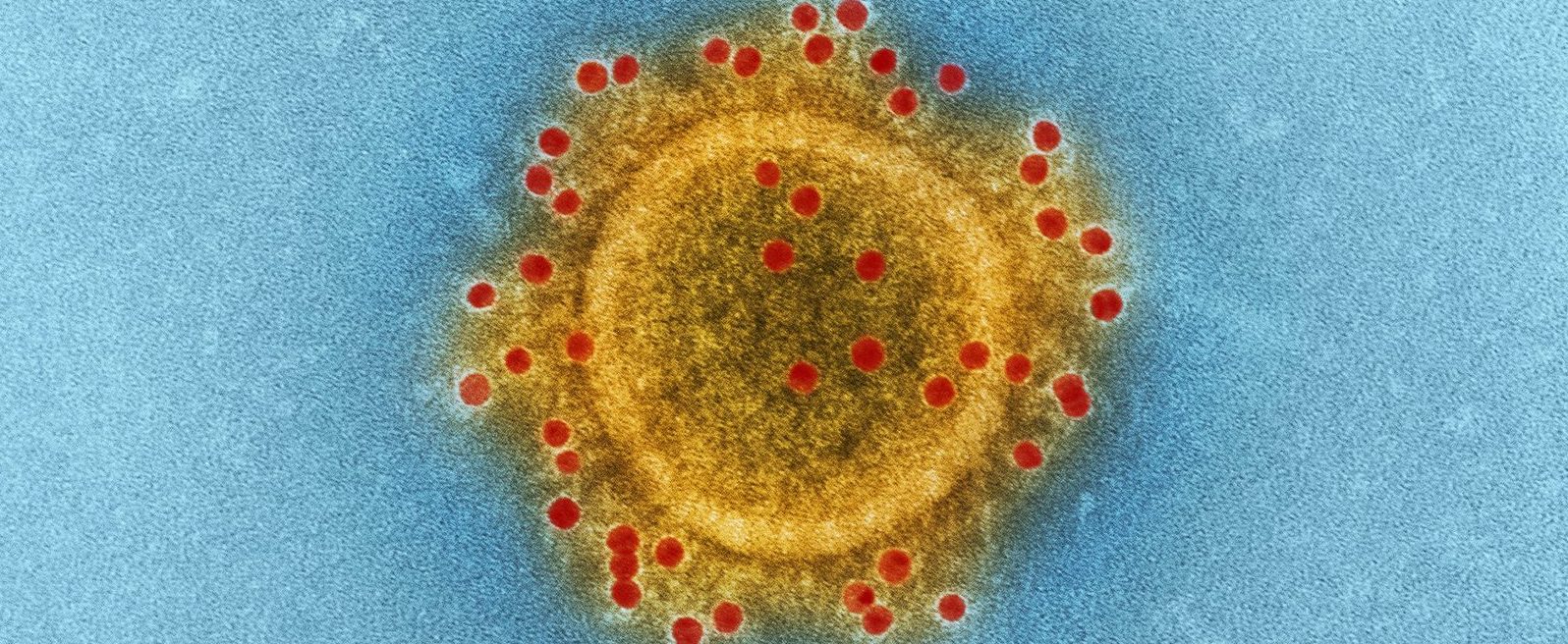
April 27th UPDATE: Coronavirus
COVID-19’s Status in the US
The global count of COVID-19 cases has topped 2 million with just over a million being in the Unites States, where US deaths have surged to over 55,000. The number of confirmed cases in the United States appears to be doubling every three weeks. Officials have accepted the fact that the US is now a global hotspot and have shifted efforts of containing the virus to now focusing on mitigating the virus’ damage and spread.
An additional 4.4 million Americans filed for unemployment benefits just last week as businesses stay closed. Economists estimate the national unemployment rate to be between 15 and 20 percent. With businesses closed and people out of work, protestors have taken to States’ capitals with military grade weapons and demands to reopen businesses on the heels of Trump’s statements also wanting America to open. This has created standoffs between hospital workers and protesters who have carried out demonstrations like “operation gridlock” in Denver, where traffic was halted and access to hospitals was restricted. A spike is expected due to recent protests where demonstrators did not wear protective gear, nor abide by social distancing rules. Critics in support of social distancing also point to the recent Wisconsin election where mail-in ballots were prohibited by the courts, thus mandating citizens to break social distancing or not vote. Currently, thirty-six voters and poll workers have tested positive for COVID-19 after the April 7th primary.
On the economic front, an additional $310 billion is being added to the Paycheck Protection Program to help small businesses and hospitals. This comes after the initial small business package of $349 billion passed early April, was siphoned dry by chain restaurants and larger businesses, after two weeks, before small businesses saw any of the money. Some businesses like Shake Shack and the Los Angeles Lakers, have returned the funds after finding out that small businesses were left out of the payout.
On April 7th, Trump threatened to withdraw funding to the World Health Organization. After repeatedly attacking the organization, calling it pro-Chinese {and therefore anti-American} and blaming the organization for understating the threat of the virus. In contrast to his threats, other international leaders are stepping up and making this pandemic a collaborative international issue.
COVID-19’s Status Internationally
Oxford University of the U.K. has made immense progress in developing a vaccine for COVID-19. After its creation, scientists in Montana gave six macaque monkeys the vaccine and then exposed them to the virus. Nearly a month later, and the macaques are all still healthy. Additionally, China has created a vaccine that resulted in promising outcomes with macaques, and those scientists have started a clinical trial with 144 participants.
In response to Trump’s statements of funding withdrawal from the WHO, the European Union announced it would release 15 billion Euros to help poorer countries fight the coronavirus. In response, the United Kingdom also pledged 200 million Pounds to help the poorer countries via international organizations like the WHO, Red Cross and UN.
Analysis:
The withdrawing of funds threat by the Trump Administration would be both cruel and counterproductive. As seen in his reduction in funding for national emergency response systems, resulting in a lack of preparedness in America, defunding the WHO will only result in this pandemic lasting longer than it needs to, with more preventable deaths, and likely a stronger second wave of cases to hit the US. If the Trump Administration was serious about curbing the spread of the virus, we, like other nations, should be bolstering up public health systems and disease containment strategies. This threat to defund the World Health Organization is simply abhorrent and is a direct threat to the health and safety of the globe.
With many counties having stay at home orders ending in the coming days, the threat of an inundation of new COVID-19 cases is a very real possibility. Against the recommendations of scientists, Governors and state leaders are pushing for America to be reopened. Las Vegas Mayor Carolyn Goodman wants to “reopen the casinos and let the free market decide who lives.” In viral interview with Anderson Cooper the Mayor repeatedly stated that she wanted Las Vegas up and running, as one of the biggest US tourism capitals. Georgia’s shelter in place will remain in effect until April 30th, while some businesses like barber shops, salons and restaurants for dining service already opened back up last Friday. Some are arguing that the benefits of opening and restarting the economy outweigh the human toll of the pandemic. Such thinking is allowing a minority to suffer, while letting a majority benefit. However, the majority will likely suffer greatly if this pandemic reaches every person in the US as it ravages prematurely opened communities. This is an unethical proposition to sacrifice a portion of the population so the rest can enjoy the amenities of pre COVID-19.
A list of open states and precautions for customers and staff can be found here.
Best practices to protect yourself and others from getting and spreading the coronavirus:
- Wash your hand thoroughly and frequently with soap and water for at least 20 seconds
- If you cannot wash your hands, use an alcohol-based sanitizer with at least 60% alcohol
- Cough into your elbow or a tissue, immediately throw the tissue away and wash your hands
- Avoid touching your face
- Keep a safe distance from others, 6 feet is recommended
- Stay home if you can and avoid going out unless it is necessary
- Clean frequently touched surfaces
- Wear a face mask when out in public spaces, it is not recommended to wear latex gloves.
Engagement Resources:
- For concerns about COVID-19, please seek assistance with the Center for Disease Control, the World Health Organization, or local health officials.
- For resources and information on how to make your own face mask, go here.
- Subscribe HERE to stay up to date with COVID-19
Numbers as of April 27, 2020 – Consult the CDC or Johns Hopkins for an update in numbers.
Top Ten Nations with Cases
| Nation | Confirmed Cases
April 27 |
Deaths |
| Globally | 3,063,814 | 212,345 |
| United States | 990,135 | 56,475 |
| Spain | 232,128 | 23,822 |
| Italy | 199,414 | 26,977 |
| France | 164,589 | 23,293 |
| Germany | 159,038 | 6,161 |
| United Kingdom | 157,149 | 21,092 |
| Turkey | 112,261 | 2,900 |
| Russia | 93,558 | 867 |
| Iran | 91,472 | 5,806 |
| China | 83,912 | 4,637 |

Domestic Violence on the Rise Amid Covid-19
Policy:
Domestic violence around the world has exploded with the advent of the coronavirus. Countries across the continents show increases in the rates of abuse attributed to the shelter in place mandates. Increases in stressors such as financial recession, unemployment, natural disasters, and the cancellation of major sports events are known to cause surges in domestic violence. . Women have been barred from the home if they seem to have any symptoms of illness and reports have been made of one partner (not always the man) hiding cleaning materials from their partners. Children are also at risk, as the stress of caring for them 24 hours a day is added to other circumstances of sheltering at home mandates. In comparisons to the same time frames from the previous year, Wuhan, China reports three times the rate of domestic violence; South African officials report 90 thousand calls in the first week of sheltering in place; Paris police report a 36% increase in police intervention for domestic violence incidents; and US cities have report increases in incidences ranging from 6%-35%. Australian authorities report a 75% increase in internet searches for help for domestic violence.
Countering this trend are reports suggesting that calls for shelter are going down since the virus led to shelter at home and social distancing mandates. This is widely thought to be attributed to the fear that victims of domestic abuse have of calling for help or the actual blocking of such attempts by the abusers. The history of escalating violence in stressful situation is substantial and shelters and law enforcement believe that any drops are not indicative of fewer cases of violence but of more fear in asking for help or the inability to safely leave the situation.
Some countries have promoted the use of a code word “mask 19,” that victims can utilize in supermarkets to indicate they are in jeopardy. Some grocery stores have set up crisis counselors to help. Shelters can help by offering social distancing accommodations and, where necessary, quarantine quarters but that will not be enough to support all those in need.
Analysis:
In the US it is estimated that 1 in 4 women and 1 in 7 men will suffer domestic violence in their life time. Women are the primary users of shelters but not the exclusive victims of violence. Even in normal conditions, some areas have difficulties facilitating shelter for all the victims in need; it can only be worse now. Some countries are taking more extreme measures. In Paris the government has provided 20,000 hotel rooms for people fleeing violence at home. The mayor of Los Angeles has made funds available for hotel rooms for those needing such aid. In the US, Rihanna and Twitter CEO Jack Dorsey have contributed 4.2 million dollars for food, hotel rooms, and counseling for victims of domestic violence. Victims of domestic violence are under immediate threat and can suffer long terms injury, or death, at the hands of a perpetrator. With soaring incidences, it seems logical to ask where are the national policies, programs, and funds to address this urgent problem?
Learn More:
- https://abcnews.go.com/US/fewer-domestic-violence-calls-covid-19-outbreak-california/story?id=70336388
- https://www.cnn.com/2020/04/02/europe/domestic-violence-coronavirus-lockdown-intl/index.html
- https://time.com/5803887/coronavirus-domestic-violence-victims/
- https://www.theguardian.com/us-news/2020/apr/03/coronavirus-quarantine-abuse-domestic-violence
Resistance Resources:
- https://www.thehotline.org/help/ The National domestic violence hotline provides for immediate help with chats and phone calls.
- https://ncadv.org/resources National resources for domestic violence sufferers, this site has a link to click on for help during the virus.
Photo by Sydney Sims