Russia bet on a slow grind. Ukraine answered with drones.
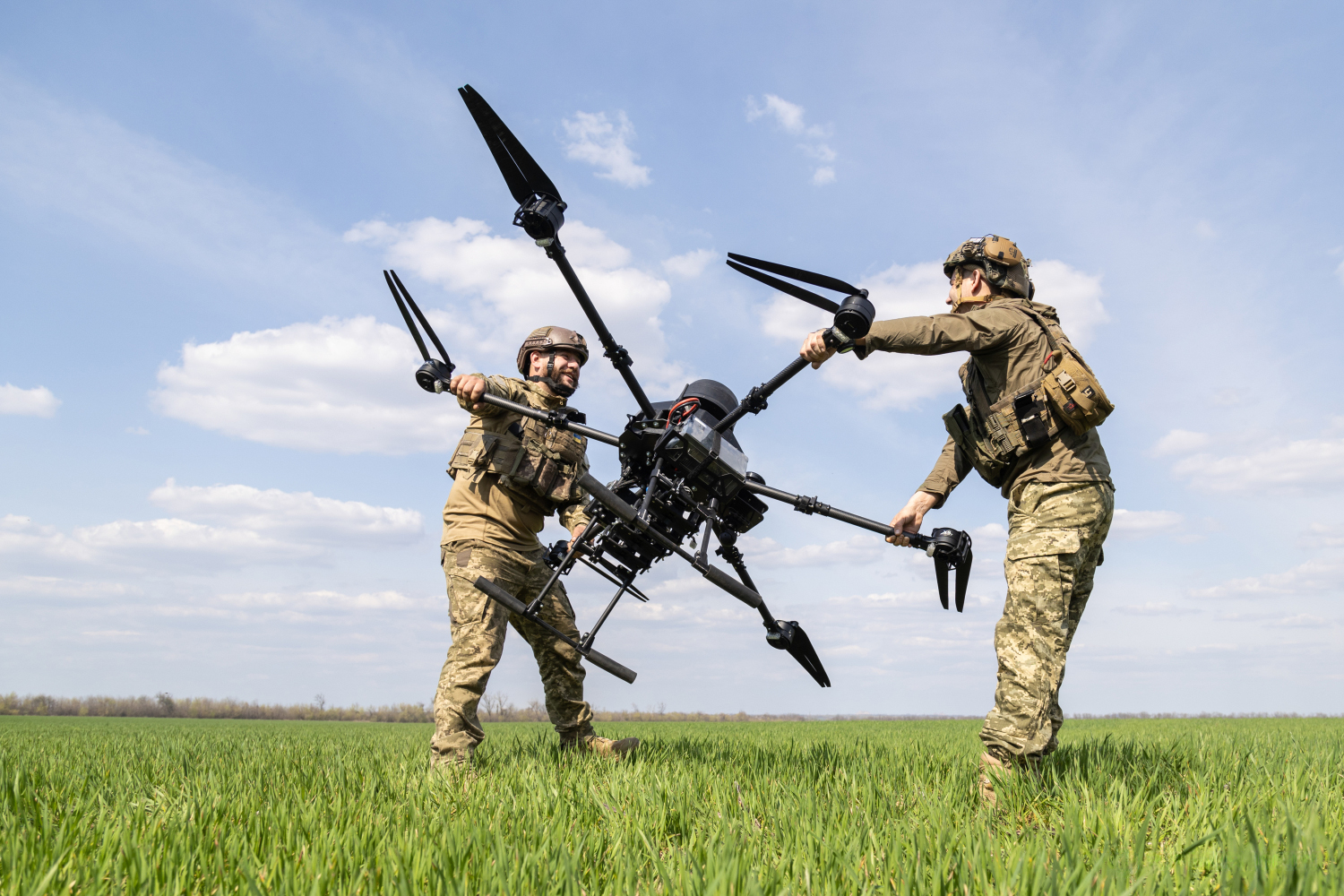
Ukraine Is Not Just Surviving. Its Drone War Is Changing the Fight. (Foreign Policy Brief #234)
read more

Russia bet on a slow grind. Ukraine answered with drones.

Florentines say July has been unusually hot this year. Outside, temperatures climb to 105 degrees Fahrenheit. It is not much cooler indoors. Tommaso, the son of the woman who owns the apartment where we are staying, says summers seem to be getting hotter every year. The heat is impossible to ignore. Inside the Uffizi Gallery, the air feels heavy and the temperature is high. Because of the oppressive heat, the museum is closing for two days to visitors without advance reservations. Standing among some of the world’s greatest masterpieces, I find myself wondering how the collection is protected under such conditions. Can extreme heat really have no effect on paintings that have survived for centuries?
Foreign policy is a collection of goals, strategies, and actions that a government uses to guide its relationships with other countries and international organizations. Such goals include national security, economic prosperity, global stability, and values promotion. China’s foreign policy seeks to advance all of these goals using the tools of diplomacy, economic measures, military power and soft power (sharing a nation’s culture, values, and media to build good will and influence opinions).

A private American mercenary company is now running a large share of Haiti’s fight against its own gangs, operating drone strikes, raids, and intelligence gathering under a contract the government has never made public.

The US war on Iran has now passed the six-month mark, negotiations have been abandoned and last week saw renewed fighting with Tehran attacking American bases across the Middle East. This came after a US strike was alleged to have hit a home hosting a wedding event, killing five people and wounding dozens. Washington also launched a new aggressive economic pressure campaign and blockade to coerce Iran into submission. Tehran on its part is now threatening military escalation and a wider war. The head of Iran’s National Security Council said recently that Tehran is planning to announce a maritime “exclusion zone” outside the Strait of Hormuz where it intends to stop vessels attempting to transit the waterway without Iranian permission. The conflict currently appears to have no likely end in sight.
The ongoing war in Ukraine seems to have slipped into the back of collective consciousness. If the war enters the news cycle it’s usually new footage of the sides trading missile and drone attacks on energy infrastructure, weapon factories, or apartment buildings.
Before its dissolution, the U.S. Agency for International Development (USAID) was a leading actor in combating Ebola outbreaks globally. The agency established a robust infrastructure in nations such as Democratic Republic of Congo, Uganda, and Kenya after the deadly Ebola outbreak in 2014, in which the United States took a forefront role in responding.
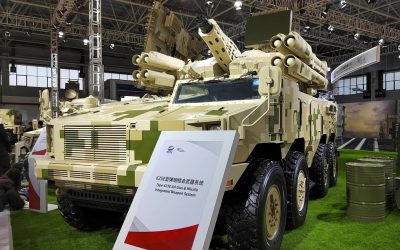
China’s economic and defense systems are increasingly integrated under a unified strategy of “high-quality development” and “military-civil fusion.” In March 2026, the National People’s Congress formally adopted the 15th Five-Year Plan (2026–2030), which serves as the master blueprint for the nation’s trajectory through the end of the decade. The central pillar of this plan is the cultivation of “New Quality Productive Forces,” a term championed by the leadership to describe a shift away from traditional, labor-intensive manufacturing toward a technology-led economy driven by artificial intelligence, quantum computing, and green energy.
Recent days have seen resumed fighting between the United States and Iran. Multiple days of US airstrikes targeting Iran, following Iran’s attacks on three ships in the strait. US and Iranian officials had agreed to a preliminary memorandum of understanding to end the costly and destructive 110 day conflict. Both the US and Iran, along with their allies, agreed to declare an end to military operations on all fronts, which includes Israel’s war on Lebanon. Including Lebanon in the deal had been a hurdle in reaching the deal as Israel has refused to end its attacks and withdraw from Lebanese territory.

Obviously, the loss to Belgium is the most disappointing moment of the World Cup for the USMNT and their fans. Losing 4-1 to Belgium came as a shock to most USA fans, and clearly to the players as well; however, perhaps it should not have since the only time the USA has ever beat Belgium was in the 1930 World Cup (the very first World Cup ever). Since 1930, Belgium has won every time they have played the United States. So, though, the USMNT was riding a serious wave of fandom and support, but the historical data suggests that they may have never really stood much of a chance anyway.
An explosion lights up the sky over the city during a Russian missile and drone strike, amid Russia’s attack on Ukraine, in Kyiv, Ukraine June 2, 2026
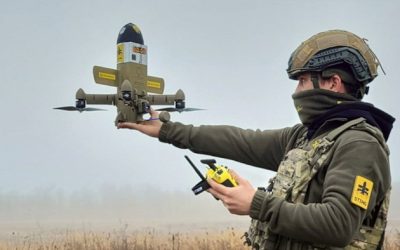
The geography of the war has changed. Once, the war in Ukraine was measured in miles of trenches, destroyed towns, and incremental advances across the Donbas steppe. Over the past two years, however, the conflict has expanded both vertically and territorially, carried not only by missiles and aircraft but also by relatively inexpensive drones assembled in workshops across Ukraine. The battlefield no longer ends at the front line. It now stretches hundreds—and sometimes thousands—of kilometers into Russian territory, reaching oil depots, military plants, logistics hubs, and even Moscow itself.