

JOBS POLICIES, ANALYSIS, AND RESOURCES
Latest Jobs Posts
What Trump Could Do on the Way Out
Brief #1—Transition of Power
By Sean Gray
It’s all over but the crying in the case of the 2020 presidential election, and rest assured there will be crying. Celebrations broke out in cities across the country at the news the Associated Press had called the race in favor of Joe Biden.
Election Legal Challenges # 2 Nevada, Georgia, Wisconsin
Brief #2—Election Legal Challenges
By Zack Huffman
On Thursday, November 5, The Trump Campaign filed a lawsuit in U.S. District Court in Nevada. The suit seeks an emergency order to halt the use of an optical scanning machine to process ballots and validate voter signatures
Student Loan Debt and the Higher Education Act of 1965
Brief #50—Education
By Emily Carty
The student loan debt crisis has many people across the nation rethinking the university and job training systems. According to Forbes, 45 million borrowers nearly have a collective $1.6 trillion in student loan debt, falling just behind the collective debt of the mortgage industry.
Timber industry clear-cuts a path to more old-growth forest in Alaska
Brief #100—Environment
By Todd Broadman
The Tongass forest, referred to as “America’s Amazon,” was designated a National Forest by President Theodore Roosevelt in 1902.
Democrats Missed Opportunities with Latino Voters
Brief #2—Campaign News
By Linda F. Hersey
Neither Joe Biden nor Donald Trump addressed adequately the most significant issues facing Latinos in the United States is the blunt assessment of Kristina Sosa, a bilingual caseworker in California, about Election 2020.
2020 Presidential Election Motivates Both Sides to Protest
Brief #19—Criminal Justice
By Erika Shannon
This past week, tensions have been rising here in the U.S. while everyone impatiently awaits the result of the 2020 presidential election.
America Needs to Rethink Its Use of Military Force
Brief #96—Foreign Policy
By Will Solomon
It can be difficult to find coherence in Trump’s agenda, foreign policy included.
Election Legal Challenges Part 1 Pennsylvania, Arizona, Michigan
Brief #1—Campaign News
By William Borque
In Pennsylvania, President Trump launched a lawsuit to stop counting the votes in key counties still counting votes
Social Security in the Time of Covid-19
Brief #97—Economics
By Rosalind Gottfried
There are several ways in which older Americans will be impacted as a consequence of the Covid epidemic.


Big Tech Companies Announce Halt To Sales of Facial Recognition Technology
Policy Summary: On June 10, 2020 Amazon.com announced that they would implement a one-year moratorium on providing Rekognition to law enforcement agencies. Rekognition is Amazon’s face recognition software that allows a user to scan a crowd of persons and quickly match a photo of a person’s face to a database of people’s face photos. The next day, Microsoft announced that they would discontinue selling their own version of facial recognition technology to law enforcement departments until a federal law is passed to regulate the technology. Both of these announcements followed the announcement of IBM to completely abandon the technology as a product for sale. LEARN MORE, LEARN MORE, LEARN MORE
Policy Analysis: Facial recognition technology has always been controversial. This is because the technology has the ability to scan and potentially match large crowds of people who may not be engaging in illegal behavior which raises privacy issues. And in tests of the software, the software has been shown to be unreliable and prone to false matches when used against photos of persons of color. There have been calls to Congress to try and implement legislation that would regulate and limit the use of the software but nothing has been enacted. There have also been similar calls to Amazon to discontinue sales of the software to law enforcement agencies but Amazon ignored those calls.
Until now. In the aftermath of the protests due to the George Floyd and Breonna Taylor killings and the ongoing national discussion of police reform, Amazon, Microsoft and IBM have all issued statements regarding the future of their facial recognition software products. IBM is the only company of the three to announce that they will discontinue offering their software because of the potential for “mass surveillance and racial profiling.” Amazon and Microsoft’s decision represents a holding pattern – Amazon putting on hold sales to law enforcement for a year while Microsoft suspending sales while being more vocal in calling for federal legislation to regulate the technology.
On the surface these are steps in the right direction but any of these companies could have taken these steps the last couple of years. They refused. It was only because of the eruption of police reform protests that finally got the companies to change their tune. Amazon’s decision is only for one year which implies that they will simply go back to selling their product once the protests have simmered down. In addition, Amazon’s announcement states that their product is still being sold to groups that are not traditional law enforcement such as missing children’s groups. A moratorium on sales of Rekognition to law enforcement does not change the fact that other groups are still using the software. This action also does not mention how Amazon’s Ring service will be affected. Ring is a doorbell monitor that allows users and third – parties to view remotely video of a user’s front door. Even though controversial, Amazon and Ring have recently partnered with local law enforcement to give those police departments access to videos from the app which can be used to bypass search warrant requirements and again raises issues of privacy.
If these big tech companies want to implement more meaningful change in the controversial realm of smart policing, they need to look at all aspects of the field instead of simply halting sales for a limited time. Some of the best suggestions include making the software more available for independent third party testing, court approval before police can use it and a ban on use if a constitutional right such as free speech or a protest is in progress. What these tech companies have announced is a move in the right direction but there is more that can be done. LEARN MORE, LEARN MORE
Engagement Resources:
- American Civil Liberties Union (ACLU) – press release on Amazon’s decision to halt sales of Rekognition.
- Electronic Frontier Foundation (EFF) – blog post on decision by tech companies halting sales for now of facial recognition technology.
This brief was compiled by Rod Maggay. If you have comments or want to add the name of your organization to this brief, please contact Rod@USResistnews.org.

Trump Continues to Deport Infected Migrants
Policy
Amidst the global lockdowns as a result of COVID-19, the Trump Administration deported 76 migrants on a plane to Guatemala in March. Of those 76 individuals, 71 had tested positive for COVID-19. Guatemala currently links about a fifth of their confirmed cases to those 71 individuals. They have since temporarily suspended accepting deportation flights, though President Trump has threatened to impose penalties on countries who deny or delay the acceptance of deportees.
The Trump Administration had previously shut national borders to all migrants and asylum seekers to avert serious danger of the spread of COVID-19 from abroad (See USRN Immigration Brief 94 ) The US now has the largest number of cases in the world and continues to deport thousands of immigrants, many of whom are infected and en route to countries that are ill equipped to cope with a mass outbreak. However, the deportation flights have persisted to countries like Guatemala, Honduras, El Salvador, Brazil, Nicaragua, Ecuador, Haiti, Dominican Republic, Colombia, and Jamaica.
Analysis
Many Democrats had pushed for the release of migrants held in detention centers (which have become Covid-19 incubators) and suspension of deportations early in the Pandemic. The United Nations and human rights organizations have urged for this as well in addition to calling on governments to suspend forced returns as of May 13 to reduce serious health risks. While the xenophobic Trump Administration has placed emphasis on the dangers of communicable diseases infecting Americans from abroad, COVID-19 has rapidly spread within the United States and purposely deporting infected migrants is inhumane and unethical.
Engagement Resources
- The National Immigration Law Center: an organization that exclusively dedicates itself to defending and furthering the rights of low income immigrants and strives to educate decision makers on the impacts and effects of their policies on this overlooked part of the population.
- Border Network for Human Rights: network to engage education, organization and participation of border communities to defend human rights and work towards a society where everyone is equal in rights and dignity.
- World Health Organization: the WHO provides updated information surrounding COVID-19 and global responses
- Center for Disease Control: the CDC provides updated information surrounding COVID-19 and the US responses

The Supreme Court and Trump Administration Offer Conflicting Opinions on Transgender Rights in a Matter of Days
The Policy
On the four-year anniversary of the Pulse Nightclub shooting, where 49 LGBTQ+ (majority latinx) individuals were shot and killed in a Florida night club, the Trump Administration finalized a rule rescinding nondiscrimination protections for LGBTQ+ people in healthcare. Section 1557 of the Affordable Care Act (ACA), enacted in 2010, “prohibits discrimination on the basis of race, color, national origin, sex, age, or disabilities in certain health programs or activities”. In 2016, under President Obama, the rule redefined discrimination “on the basis of sex” to include gender identity and termination of pregnancy, with gender identity being defined as “one’s internal sense of gender, which may be male, female, or neither, or a combination of male and female”.
The reversal of this rule, follows prior regulations of the Trump Administration that defines “sex discrimination” as only applying when someone faces discrimination for being male or female, and does not protect people from discrimination on the basis of sexual orientation or gender identity. While the previous 2016 rule did not include sexual orientation in the definition of sex, gender identity was, and such a reversal severely impacts the protections of those who do not identify as what some would define as “traditionally” or biologically male or female. With such changes, the health care system is expected to save over $2.9 million. The rule is set to go in effect by mid-August.
This Rule change comes days prior to the monumental Supreme Court ruling protecting LGBTQ+ rights in the workplace. In a 6-3 decision that stated, “An employer who fires an individual merely for being gay or transgender defies the law”. The Supreme Court decided on the cases of a skydiving instructor who was fired in 2010 after he told a client he was gay, a funeral home director who was fired after she came out as transgender in 2013, and a child-aid worker who was fired, also in 2013, after he joined a gay softball league.
Analysis:
The key reason driving , given by the Trump administration, the need for Section 1557’s amendment is cost efficiency. Cutting costs is a frequently used defense in instances where civil rights are impacted, or where minorities are severely affected. The Rule’s finalization is expected to save roughly $2.9 billion over the next five years. While this may benefit the pockets of Americans, it will most certainly negatively impact LGBTQ+ individuals, specifically, trans individuals.
Supporters of the change point to benefits of cost effectiveness and the need for correcting the “blatant executive overreach by President Obama”. Additionally, supporters claim the change will also reduce confusion regarding the legal meaning of “sex discrimination”. Critics argue the rule will further harm one of the most vulnerable populations, transgender people. The rule could also mean that those seeking an abortion could be denied care if performing the procedure violates the provider’s moral or religious beliefs. This rule opens the door for discrimination and protections for those who discriminate under religious freedom. In addition to the risk of discrimination, the signing of this rule produces a chilling effect, as seen in the Public Charge proposal, it is likely that transgender or non-binary people will be less willing to go to the doctor’s office out of fear and suffer health complications as a result. This comes during a pandemic where marginalized communities are severely impacted and to now add this layer of discrimination will inevitably result in preventable deaths. LGBTQ rights groups quickly and vocally condemned the rule change, calling the move “heartless”, “encouraging discrimination”, and “deadly consequences”. The Administration has made it clear with this rule, both in its contents and its signing date, that the LGBTQ+ community is a target and will lose rights.
However, the Supreme Court ruling provides workplace protections that help millions. Conservatives have strong opposition to this ruling and to the apparent abandoning of conservative-values by the conservative Justices that sided with liberal Justices; this ruling not only established LGBTQ+ rights in the workplace, it likely set the foundation for addition alprotections down the line.
Justice Neil Gorsuch wrote the Court’s opinion based on a matter of logic when refuting the argument that the writers of the Civil Rights Act did not mention, nor intended on including sexual orientation of transgender status, when it protected against discrimination on the basis of sex. Gorsuch wrote “discrimination based on homosexuality or transgender status necessarily entails discrimination based on sex; the first can not happen without the second.” While there is much to celebrate, many point to the widespread practice of “at-will employment”, where most employers do not need a reason for firing someone, thus rendering the decision meaningless. Title VII covers employees in workplaces with 15 or more employees and religiously-affiliated employers. While there are some exemptions, including ministers or other individuals whose job involves teaching or leading the faith, largely, this ruling applies to all job positions.
How do these two rulings interact with each other?
In a matter of four days, two branches of government gave conflicting orders prompting confusion about LGBTQ+ rights in the United States. Both the Affordable Care Act and Title IX ban discrimination “on the basis of sex.” Although this language is different from the statutory language in Bostock, the Supreme Court case, which forbids discrimination “because of … sex,” the Court has indicated that the words “on the basis of” and “because of” have the same meaning. The Bostock ruling may have focused solely on employment discrimination, but legal scholars say the language will likely force an expansion of civil rights in countless areas of daily life for LGBTQ+ members and beyond.
The Administration has attempted to, and succeeded in some areas, to narrow the definition of sex in order to erase the rights of the LGBTQ+ population, but this ruling will likely upend this pursuit, protecting rights already federally protected in housing, healthcare, education, and credit. Importantly, the logic described in Justice Gorsuch’s opinion will be key, and will likely be applied to similar provisions, protections, and policies. With this precedent, there is an expectation that any future cases ruling in favor of sex rights will expand the rights of the LGBTQ+ community.
While the Supreme Court ruling does not automatically invalidate the new healthcare rule, it makes it significantly more difficult to defend in court. Legal scholars, however, do not see the Bostock ruling impacting Trump’s Military Transgender Ban. The next challenge in sex discrimination is likely to be found in an anticipated policy to allow homeless shelters to consider biological sex rather than gender identity in placement decisions, even if that puts the LGBTQ+ individuals in harm’s way Another legal challenges will likely occur on the Administration’s argument that adoption services should be able to reject same-sex couples from adopting. The true strength of the Supreme Court ruling will be revealed in due time, likely highlighting more conflict with the Administration.
Engagement Resources:
- American Civil Liberties Union : A national organization working to defend civil liberties across the United States.
- Human Rights Campaign : America’s largest civil rights organization, working to achieve lesbian, gay, bisexual, transgender and queer equality.
- Lambda Legal : A national organization committed to achieving full recognition of the civil rights of the LGBT community as well as those living with HIV/AIDS through litigation, societal education, and public policy work.
- National Center for Transgender Equality : The nation’s leading social justice advocacy organization winning life-saving change for transgender people
Reach out to your senators and representatives to take action!

Victory Ruling on DACA Status by the Supreme Court
Policy Summary
On June 18, in a 5-4 ruling, the Supreme Court denied the Trump Administration’s longstanding endeavor to dismantle the Obama era immigration program that allowed nearly 700,000 young people to remain in the US and avoid deportation. The program known as the Deferred Action for Childhood Arrivals (DACA) allows enrollees, “Dreamers,” to work, study, and remain in the US on a two-year renewable permit. Nearly 30,000 Dreamers work in health care and have been essential during the COVID-19 pandemic and 90% of Dreamers are employed and contribute greatly to the American economy. The Supreme Court addressed the Trump Administration’s failure to legally comply with the procedural requirements that it provide a reasoned explanation for its actions; this hubris enabled the Republican majority court to be more inclined to rule against the Trump Administration.
President Trump touted the decision as a “shotgun blast” into the faces of proud Republicans. He tweeted “we need more Justices or we will lose our second amendment [which is the right to bear arms] and everything else.” He has since promised to disclose a list of Conservative Judges to replace the current sitting Justices for his second term, should he be re-elected. Among many other progressives in the Court and legislature, the former Vice President and future Democratic Presidential Candidate, Joe Biden, called the ruling a victory.
Analysis:
In some capacity, this decision came as a shock due to the Republican majority of the court but serves as an unmistakable reminder that the Trump Administration cannot be exempt from the Rule of Law and official procedures. The Trump Administration has sought to dismantle and curate a more stringent policy towards immigration from its inception. The efforts to reverse the DACA program were amongst its greatest aspirations and the Supreme Court judgment firmly asserts the American Dream and core values are more important than acquiescing to a bigoted and xenophobic administration.
Engagement Resources
- The National Immigration Law Center: an organization that exclusively dedicates itself to defending and furthering the rights of low income immigrants and strives to educate decision makers on the impacts and effects of their policies on this overlooked part of the population.
- Border Network for Human Rights: network to engage education, organization and participation of border communities to defend human rights and work towards a society where everyone is equal in rights and dignity.
- World Health Organization: the WHO provides updated information surrounding COVID-19 and global responses
- Center for Disease Control: the CDC provides updated information surrounding COVID-19 and the US responses

No Transparency or Accountability in CARES Act Small Business Loans
June 22,2020
The CARES act, passed in late March, is a $2 trillion relief fund designed to shield Americans from the economic fallout of the Covid-19 pandemic. Individuals, businesses big and small, and local and state governments have access to funds to keep them afloat while much of the nation’s commerce is stalled. Millions of Americans received one-time stimulus checks of $1200 and Unemployment Insurance benefits have been greatly expanded to reflect pressing need.
The CARES Act picture is murky as to which businesses received what funds and from where. In a Senate Hearing on June 10th, Treasury Secretary Steve Mnuchin refused to divulge the recipients of the $600 billion allocated for small businesses. The CARES Act specifically stipulates that loans to business are subject to public disclosure. Transparency is a crucial tool in combating fraud and waste for this historic instance of public assistance. Given this administration’s track record of cronyism and graft, the attempt to stonewall is especially troubling.
As of this writing, the Small Business Administration has dispensed 4.6 million loans to the tune of $511 billion. Most all of it is unaccounted for, at least publicly. The SBA typically makes this information public , and the loan application for the Paycheck Protection Program specifically states that the borrowers information will be released. Nevertheless, Mnuchin has refused to name any loan recipients, making the ridiculously brazen claim that the information amounts to ‘proprietary information.’’
His ludicrous assertion warrants further scrutiny. Aside from the fact that language in the CARES act demanded transparency, the PPP stipulates that under the Freedom of Information Act, any of the information in question must be released to the person making the request. Given the seeming inevitability that this information becomes public, it is notable that Mnuchin appears intent on preventing, or at least stalling the public release of the PPP’s beneficiaries. In an attempt at cooperation, he promised to supply the requested information to the Government Accountability Office, who would then release it. It’s possible that Mnuchin is on the level and genuinely concerned about the privacy of loan recipients, but his rationale makes no sense. House Democrats have demanded information specifically related to who received emergency funds, and how much they borrowed. If KFC were a recipient, the public is entitled to that information. It would hardly constitute anything that could be considered proprietary. It isn’t as if Congress is subpoenaing the Colonel’s secret blend of herbs and spices. It’s also possible that the funds have been misappropriated and Mnuchin knows the story would likely have less impact via a GAO report, rather than a public admission in Congress by the man responsible for the nation’s piggy bank. Given that many of the loans may be forgiven if employees are retained through June, the administration’s cagey stance is worrisome.
Publicly, PPP was touted as a lifeline to small businesses trying to weather the burdensome impact of nationwide lockdowns. Misuse of the funds would have been a consideration at any time, which likely necessitated language of accountability before Congress could reach an agreement. Shake Shack, the restaurant chain with 168 locations across the globe and nearly half a billion in revenue, presents an interesting case study in the kind of malfeasance lawmakers are right to be wary of. The chain, which would fit no one’s definition of a small business received a $10 million loan. Similarly large restaurant groups such as Ruth’s Chris Steakhouse and Potbelly’s did the same. Amid public backlash, Shake Shack returned theirs, stating that though they were entitled to funds, they’d hold off until every restaurant that needed aid had the same opportunity as them. Be it pure public relations, or out of some sense of decency, Shake Shack gave money back so that more needy recipients in the industry might have access to it. In all, 71 publicly traded companies received aid in the 13 days before the funds dried up, according to the Securities and Exchanges Commission. If Shake Shack’s return of their loan exposed a bit of inequity in how funds intended for small businesses were distributed, it begs the question: what is the government trying to conceal? The American taxpayer, who will be on the hook for every penny of the money, is entitled to know.
Politicians have long pontificated that small businesses are ‘’the backbone of the American economy’’ while favoring legislation beneficial to corporate giants. The public presentation of the PPP vs. it’s reality appears to be a continuation of that trend. If 71 companies large enough to be publicly traded received funds, one must wonder how much was left for the small, shuttered businesses the program was intended to help. At best, Mnuchin’s stance can be seen as a continuation of this administration’s incessant obstruction of any oversight. At worst, it’s an attempt to cover-up corporate raiders looting the public coffers of funds earmarked for working-class Americans.

Will Democrats Maintain Control of the House? 4 More House Races to Watch for 2020
Highlighted Districts
Virginia’s 7th
Illinois 13th
Texas 24th
Minnesota’s 7th
Our continuing coverage of races to watch in the House of Representatives brings us to Virginia’s 7th district, currently held by democrat Abigail Spanberger. The 7th district of Virginia, covering the suburban areas outside of Richmond and Charlottesville, as well as more rural areas, had been in Republican control since 1971 until Spanberger’s win in 2018. Spanberger beat then-incumbent Dave Brat in a tightly contested race, winning by about 7,000 votes, and about 2.5 percentage points. Spanberger has been a loyal member of the democratic party, voting in favor of both impeachment claims brought against the president. Spanberger’s opponent is to be chosen by a primary on July 18th, where it seems that the race is very open. FiveThirtyEight currently rates the district as 6.5 points in the republicans favor, so Spanberger will be betting on another strong “blue wave” of democratic support as she pushes through this tough battle to maintain control of her seat in VA-07.
In Illinois 13th district, Republican incumbent Rodney Davis faces a challenge from Democrat Betsy Dirksen Londrigan, a rematch of a narrow Davis win in 2018. Davis has held the seat since 2012, and has had several close races and is vulnerable again this election cycle. Davis holds a slight edge in fundraising, but beyond that, most major political report has deemed the race a toss-up. Davis is seen as a more moderate Republican and has been more critical of President Trump than many other Republicans. However, he did vote against both articles of impeachment, showing that there is still a significant amount of party loyalty in his DNA. Dirksen Londrigan graduated from the University of Illinois Urbana-Champaign and has worked for Teach For America and multiple non-profits within central Illinois. History shows that these two candidates are neck-in-neck, with plenty more race still to be run.
In Texas’s 24th congressional district, the race is wide open, as Republican incumbent Kenny Marchant has chosen not to run for re-election. The Republican nomination has already been decided, with former Mayor of Irving, TX, Beth Van Duyne, running to maintain control of the seat. Van Duyne completed two terms as mayor before moving on to work as a regional administrator for the Department of Housing and Urban Development under President Trump. The democratic nomination has yet to be decided, as a runoff is necessary to choose a candidate. Kim Olson won a plurality of the vote, but Candace Valenzuela was about 6,000 votes behind, setting up a runoff for the nomination. Olson seems the likelier victor of the two candidates, as she has a much more substantial financial backing. However, Valenzuela secured an endorsement from Kamala Harris, showing that this race isn’t over by any means. Regardless of the victor in the primary, the polls suggest that the district is a toss-up, so the Republicans face a difficult test to maintain control of their seat.
Minnesota’s 7th district is one of the largest geographic districts in the nation, currently held by Democrat Colin Peterson. This is one of the most interesting districts to predict, partially because they’ve had such odd voting behaviors in the past two major election cycles. The district fell overwhelmingly to Trump, by almost 31 points, but was also held by Colin Peterson, and has been since 1991. Peterson is more moderate than many democratic colleagues, which may explain in part how he has held onto his seat so long. Peterson was one of two democrats to vote against the articles of impeachment for President Trump. Regardless, Peterson faces a challenge, most likely from Dave Hughes, who Peterson defeated narrowly in 2018. A sneaky challenge may come from former Lieutenant Governor Michelle Fischbach, who is second only to Peterson in fundraising. Either Republican candidate will mount a strong bid, but Peterson will lean on his 29 years of service to bolster his campaign.
The democratic candidates websites will be linked down below if any readers would like to learn more about their campaigns. This tumultuous campaign season is just getting started, and we will have all the coverage here at U.S. Resist News.
Abigail Spanberger: https://abigailspanberger.com
Betsy Dirksen Londrigan: https://www.betsydirksenlondrigan.com
Kim Olson: https://kimforcongress.org
Candace Valenzuela: https://candacefor24.com
Colin Peterson: https://www.petersonforcongress.com

Will Trump’s Proposed Rollback of Obama Fuel Standards be Sustainable in Court?
Shannon Q. Elliott Thursday, June 11, 2020
In 2012, President Obama made historic changes to the Corporate Average Fuel Economy (CAFÉ) standards. The intention was to improve fuel economy and reduce greenhouse emissions caused by roadway traffic. By the year 2025, cars and light duty trucks would have an average of 54.5mpg which would nearly double the fuel efficiency of vehicles. Not only did this revision aim to save consumers upward of $1.7 trillion dollars at the gas pump, cutting emissions meant less exposure to toxins for communities. President Barack Obama’s commitment to protecting the environment, and his environmental legacy, have been challenged, and overturned by the Trump Administration, who recently revoked the changes to CAFE and implemented the Safer Affordable Fuel Efficiency Vehicle Rule (SAFE) which, in lament terms, rips the rug from underneath CAFE and regresses any environmental progress made by the United States.
The Trump Administration rule replaces the Obama -era mandate that automobile makers were required to improve their fuel economy performance by 5% annually. The new rule only requires that vehicles have to improve their performance by 1.5% a year. SAFE standards are implemented to save lives, create jobs, and maker safer, more affordable cars for American families. It’s estimated that an additional 78 billion gallons of fuel will be utilized under the new rule, making fossil fuel companies and their shareholders the primary beneficiaries of SAFE. Experts are also predicting the rule will omit 900 million more tons of carbon-dioxide into the air, a casualty incurred by less environmentally friendly vehicles on the road.
On May 27th, The Environmental Defense Fund, Moms Clean Air Force, and The Sierra Club, , in conjunction with California and 22 other states including the District of Columbia, filled suit against what is being deemed the “UN-SAFE” Rule. California Attorney General Xavier Becerra, leads the multi-state lawsuit, stating that the Trump Administration is inflating and misrepresenting what the rule does.
The complaint filed with the D.C Circuit Court of Appeals argues that the decision to weaken auto industry fuel emissions, is a direct threat to public health, and is based on flawed research. The ambient levels of air toxins will lead to cardiovascular, neurological, and respiratory disease. As a nation we will see a rise in asthma, premature death, immune system damage and countless illnesses associated with the obscene amount of pollution attributed to fuel inefficiency. They argue that the Trump Administration’s vow to shift away from environmental protections enacted to protect public health and produce greener vehicles is not only irresponsible, but their reasoning is based on inflated research and alleged falsified documents.
Analysis
SAFE undermines the Clean Air Act of 1970, which established air quality standards for the United States, and granted California the right to set their own pace for stricter air quality control. The totality of the circumstances suggests that SAFE is grossly negligent, putting American lives at risk. A recent win for environmentalists, relevant for the SAFE case, came about in County of Maui v. Hawaii Wildlife Fund. The complaint stemmed from concerned organizations who petitioned that the county was in violation of injecting treated sewage into groundwater and navigable waters. This threatened the health of their community and the Pacific Ocean. The win heightened awareness that complex environmental issues, are being reviewed and taken seriously by the courts.
The judiciary will need to weigh the interests of the government and public safety to determine which carries more weight. The verdict issued in County of Maui v. Hawaii Wildlife Fund, could be a contributing factor in how the SCOTUS interprets the SAFE Rule, and its strengths and weaknesses. It’s without a doubt that the court will hear excellent arguments authored by some of the country’s finest attorneys, and may have to answer some of the following questions in order to reach a decision; 1.) Did the Trump Administration violate federal law, and falsify documents to support their research? 2.) Is the SAFE Rule in the best interest of the American people? 3.) Is it at the states discretion to set their own stricter law for tailpipe emissions?
The growth of the economy and protection of the environment are two different goals. The current administration has expressed their denial when it comes to climate change and environmental protections. The childlike outbursts, retaliation, and mocking of those who are rightfully concerned are a frequent occurrence… by our President. COVID-19 has strengthened the voice of communities who have been ravished by illness. The momentum behind sensitivity of respiratory disease, may prove to dismantle the Trump Administration’s efforts regarding the SAFE rule.
Learn More
- Eilperin, J. (2020, May 19). EPA staff warned that mileage rollbacks had flaws. Trump officials ignored them. Retrieved from washingtonpost.com: https://www.washingtonpost.com/climate-environment/epa-staff-warned-that-mileage-rollbacks-had-flaws-trump-officials-ignored-them/2020/05/19/242056ba-960f-11ea-91d7-cf4423d47683_story.html
- EmoryLaw.edu. (n.d.). Retrieved from The SAFE Vehicles Rule: How the Trump Administration’s Course Change on Vehicle Emissions: https://law.emory.edu/ecgar/content/volume-6/issue-1/essays/SAFE-vehicles-rule-trump-course-policy-shift-regulations.html
- epa.gov. (n.d.). https://www.epa.gov/regulations-emissions-vehicles-and-engines/safer-affordable-fuel-efficient-safe-vehicles-proposed
- JDSupra.com . (2020, April). Trump Administration Issues Second Part of SAFE Vehicles Rule: https://www.jdsupra.com/legalnews/trump-administration-issues-second-part-94777/
Resistance Resources
https://www.edf.org/. (n.d.). Environmental Defense Fund : https://www.edf.org/
- Addressing today’s most urgent environmental challenges EDF targets issues that effect people globally. Focusing on a clean economy, resilience and results EDF works to reduce exposure to pollutants and advocate for the health of humanity
https://www.momscleanairforce.org/. (n.d.). Moms Clean Air Force: https://www.momscleanairforce.org/
- Mom’s Clean Airforce works on air pollution, toxic chemicals, climate change and national campigns that align with the greater good for the environment. Current campaigns include “Wheeler must go” and “ Clean Car Standards”

American Public Lands Under Threat
June 19,2020
More than 12 percent of the total land area of the United States and almost 20 percent of its marine area are protected by a combination of state and federal protections. However, only 5 percent of the U.S.’ total land mass is designated federally protected wilderness. The Wilderness Act, the strongest federal protection for public lands, preserves these protected areas for biodiversity conservation, watershed protection, and outdoor recreation; mining, farming, and other extraction proceedings are banned.
From the period 1959-2012, the largest changes in land use in the U.S. were the expansion of special uses, including protected areas and public lands, the reduction in forest use, expansion of grassland, and recent reduction in cropland.
Under the Trump Administration, protections for public lands that expanded under Obama have been drastically scaled back by an estimated 35 million acres, or almost 15 percent. While many of the rollbacks are being challenged in the courts before they can be fully implemented, they still represent a significant threat to the integrity of the extensive protections from mining and development efforts.
The United States is an incredibly diverse country, and as such has many important ecosystems that provide life support services to the local residents and the planet as a whole. The map below shows the 15 Level I ecoregions of North America, including the nine regions in the continental United States and the additional two in Alaska. These include Tundra, Taiga, Northern Forests, Northwestern Forested Mountains, Marine West Coast Forest, Eastern Temperate Forests, Great Plains, North American Deserts, Mediterranean California, Southern Semi-Arid Highlands, and Tropical Wet Forests.
Given the most recent attacks by the Trump Administration on the United States’ public lands, protected areas in Alaska like the Tongass National Forest, as well as national monuments like Bears’ Ears need protection from destruction by fossil fuel mining and extraction. Additionally, the Everglades, a unique ecosystem in south Florida that hosts some of the most biodiverse areas on the continent and provides essential services including water regulation and climate benefits is in need of protection from human development and the effects of climate change.
Resistance Resources
Sierra Club: . An environmental organization that defends America’s most precious resources and wild places. www.actsierraclub.org
The Nature Conservancy: Founded in 1951, The Nature Conservancy has over one million members, and has protected more than 119,000,000 acres of land and thousands of miles of rivers worldwide. www.nature.org
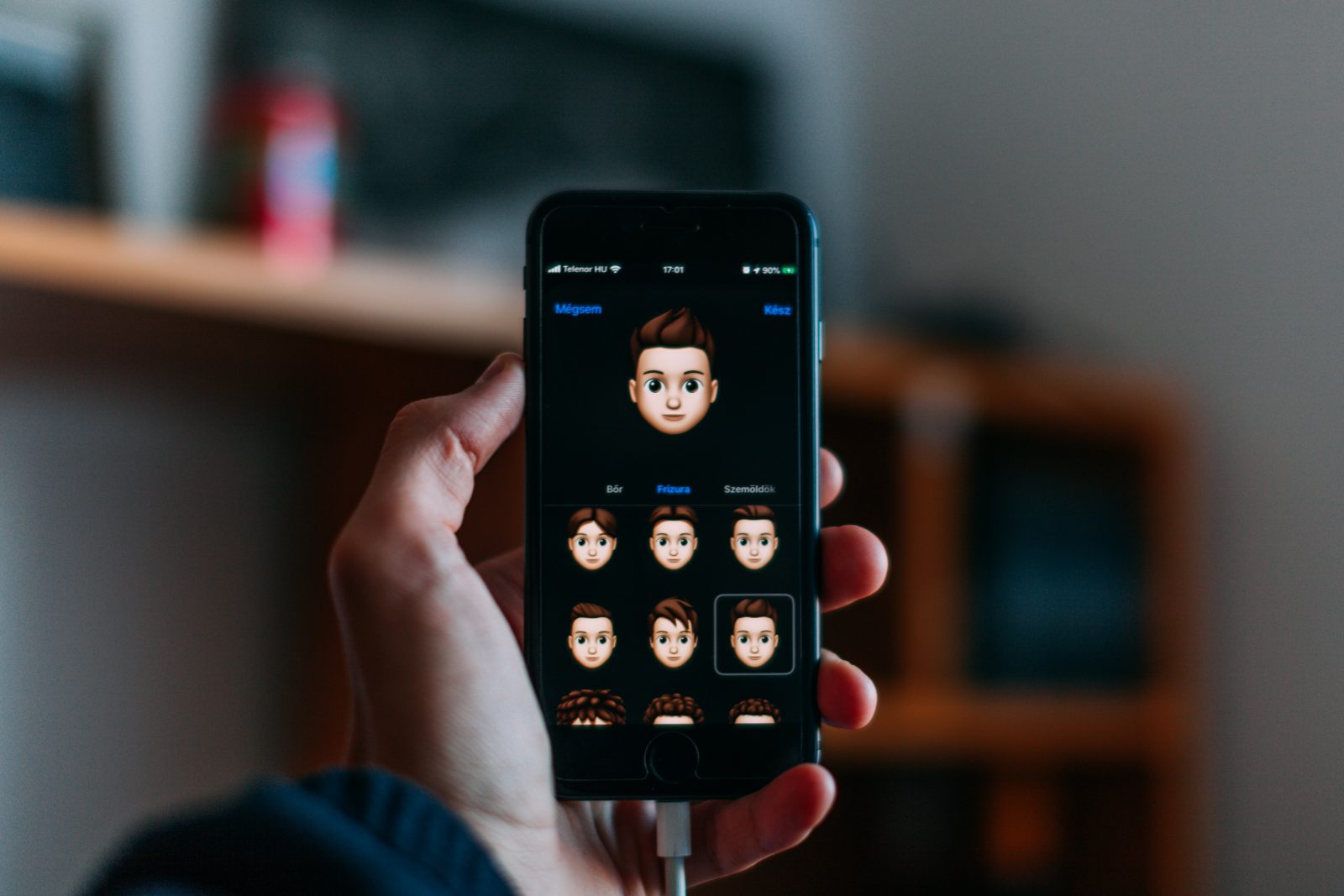
Contact Tracing: Privacy Invasion or An Effective Tool To Tame The Beast
Policy Summary
In the six months since we first became aware of the novel coronavirus, we have learned hard lessons about how the disease spreads and what we can do to contain it. Efforts worldwide have concentrated on population lockdowns, scientific research on treatments and vaccines and contact tracing of infected people. Contact tracing, a time-tested strategy employed successfully to control sexually transmitted disease and tuberculosis, has fallen to a messy patchwork of state health departments and tech start-ups to ramp into high gear in the US. The Trump Administration, reluctant to recognize the scope of the public health emergency, should lead in the development of standard systems, ensure data privacy and encourage the nation’s citizens to adopt it.
Analysis
Traditionally, local public health departments have conducted extensive interviews with victims of contagious diseases, their friends and families to track the spread and enable testing, quarantine and treatment. The COVID-19 pandemic presents a unique challenge in a disease that spreads by aerosol droplets from people in close proximity for a relatively short period of time. Those exhibiting symptoms will often not have the ability to recall who they came in contact with making tracing those contacts nearly impossible. We do, however, already possess a technical ability to track those contacts with our mobile devices.
In Israel, the government ordered telecom carriers to share location data with security services for contact-tracing. This gave authorities access to detailed data that usually is reserved for military purposes. The Knesset (Parliament) needed to pass emergency legislation to accomplish this but this action was credited with checking the spread of infection in Israel and the Palestinian Territories.
Several countries including Australia, Iceland and New Zealand have developed contact tracing application software that citizens voluntarily install on their devices. These apps use bluetooth technology and the voluntary input of data if an individual is infected to alert other application users that they have been in close proximity to someone who has tested positive. New Zealand is one of the only countries on the planet that is now COVID-19 free.
Apple and Google, whose mobile phone operating systems account for nearly 98% of all smartphones, are jointly developing software that will use bluetooth technology and location information. Initially, the data has been made available to application developers to utilize but updates expected in the next few weeks will build tracking functionality into the system with the ability of the user to opt in or out.
Using this as a sole methodology for contact tracing runs the risk of missing many underserved populations who do not own smartphones. It is by no means the silver bullet but another tool in the public health toolbox.
What is missing from this discussion are the privacy guarantees. We need a national coordination of these efforts to make sure that any adopted technologies actually helps public health workers in their work and doesn’t make it harder to do., We also must ensure that these systems protect privacy and that collected information is not used for marketing or other profit making purposes. Ultimately, we need a cheerleader-in-chief to encourage and empower us to use the technology for the greater good.
Resistance Resources
- The Bloomberg School of Public Health at Johns Hopkins University has several White Papers on COVID-19 public health strategies
- The American Civil Liberties Union (ACLU) has published guidelines for contact tracing apps
- The Centers for Disease Control has outlined principles for case investigation and maintaining privacy
Jumbo Privacy A privacy consulting firm has been sounding a warning about the app that North Dakota deployed

The Qualified Immunity Doctrine Stands In The Way of Real Police Reform
Policy Summary: In 1967 the United States Supreme Court decided the case Pierson v. Ray which decreed for the first time that police officers had “qualified immunity.” That doctrine states that police officers are immune from civil liability unless they deprive under color of law another person of his or her civil rights. In 1982 the Supreme Court issued an updated interpretation of the “qualified immunity” doctrine in Harlow v. Fitzgerald by stating that now the legal standard is that “government officials…are shielded from liability for civil damages insofar as their conduct does not violate clearly established statutory or constitutional rights of which a reasonable person should have known.”
On June 4, 2020, Representatives Justin Amash (L-MI) and Ayanna Pressley (D-MA) introduced the Ending Qualified Immunity Act in the U.S. House of Representatives. The bill seeks to simply do away with the legal doctrine put forth by the U.S. Supreme Court. On June 8, 2020 Senators Kamala Harris (D-CA) and Cory Booker (D-NJ) introduced bill S.3912 which seeks to also eliminate qualified immunity and permit law enforcement officers to be held civilly liable for misconduct while in the performance of their duties.
Additionally in 2020, the Supreme Court had thirteen different petitions before the court that deal with qualified immunity. Many of the petitions had either been rescheduled or distributed for conference on the same day in the future, which indicates that a significant decision on qualified immunity may have been forthcoming. However, the Supreme Court on June 15, 2020 declined to hear the cases although Justice Clarence Thomas issued a brief dissent signaling that he was open to re-examining the doctrine. LEARN MORE, LEARN MORE
Policy Analysis: In the aftermath of the killings of George Floyd, Breonna Taylor and others and the protests that have erupted across the United States the last month the issue of police reform has been on the minds of countless Americans. Reviving federal oversight of local law enforcement with DOJ consent decrees have been discussed as well as defunding police departments. But only the issue of “qualified immunity” has gotten the attention of all three branches of the federal government.
The issue has become notable because calls for reform of the doctrine have come from people on both the right and the left of the political spectrum. While the Supreme Court surprisingly declined to hear cases during this term two justices have indicated their unease with the doctrine. Justice Clarence Thomas has become an advocate for reforming the doctrine because he sees it as having no roots in common law and is another example of judicial activism. And Justice Sonia Sotomayor sees the doctrine as an absolute shield for police officers to “shoot first and think later.”
The doctrine is controversial in the courts because when the legal standard is applied in civil cases, the bar is nearly impossible for plaintiffs to meet. From a legal standpoint, plaintiffs who have brought police brutality cases against individual officers must show that the officers conduct is against “clearly established statutory or Constitutional” rights. But since there a very few prior cases that match exactly the offensive conduct committed by the officers courts have been reluctant to side with the plaintiffs and their lawsuits almost always fail. The end result of this anomaly in the criminal justice system is that cops are never held accountable for their actions and case law holding police officers accountable which could be used in the future rarely gets decided.
Examples of police officers who have eluded accountability for their actions because of the legal doctrine are numerous. In Jessop v. City of Fresno, police officers stole $225,000 in cash and rare coins while executing a warrant but could not be sued because they were held to be civilly immune for their actions. In West v. Winfield, a woman gave law enforcement permission to search her home for a suspect only to see law enforcement destroy her home with tear gas grenades. She then found out the officers were immune to a civil suit for the destruction they caused. And in Corbitt v. Vickers, which has garnered national headlines and a petition from a number of high – profile professional athletes, police shot a ten – year old boy and his dog even though they posed no threat to the police officer. The police in that case claimed immunity in a civil case against them. These cases show that the qualified immunity doctrine has gone too far and that police officers are manipulating the doctrine to shield themselves from civil liability for illegal and egregious behavior.
The “qualified immunity” doctrine appears to be on the verge of significant reform if not outright elimination. With the doctrine at the forefront of discussion among lawmakers and members of the judiciary it is clear that changes are coming and it will be interesting to see what form those changes will look like. LEARN MORE, LEARN MORE, LEARN MORE
Resistance Resources:
American Civil Liberties Union (ACLU) – blog post on the background of “qualified immunity.”
National Police Accountability Project (NPAP) – project’s letter to Congress to eliminate the “qualified immunity” doctrine.
This brief was compiled by Rod Maggay. If you have comments or want to add the name of your organization to this brief, please contact Rod@USResistnews.org.