

JOBS POLICIES, ANALYSIS, AND RESOURCES
Latest Jobs Posts
Clean Skies: The Potential of Electric Aviation
Brief #167 – Environment Policy Brief
by : Inijah Quadri
Electric aviation is set to revolutionize air travel by drastically reducing carbon emissions and noise pollution, promising a sustainable future for the industry. As technological advancements accelerate, electric-powered aircraft are poised to reshape regional economies and global trade, making cleaner skies a reality.
Harvey Weinstein’s Cornerstone Conviction Overturned
Brief #165 – Social Justice Policy Brief
by: Devyne Byrd
In a stunning 4-3 decision, the New York Court of Appeals has overturned Harvey Weinstein’s cornerstone 2020 rape conviction, a verdict that once symbolized the triumph of the #MeToo movement. This reversal ignites a fierce debate on the legal handling of sexual violence cases and the admissibility of prior accusations, leaving survivors and advocates in turmoil.
A Journey Through Words: An Interview with Palestinian Writer Rula Arafat
Brief #142 – Foreign Policy Brief
by: Aziza Taslaq
Rula Arafat, a renowned Palestinian writer from Nablus, weaves powerful narratives of love, war, and peace, reflecting the profound struggles and hopes of her homeland. Through her evocative prose, Arafat captures the essence of Palestinian identity, making readers feel as if they are walking the streets of Palestine and living its stories firsthand.
The Swing States Series: #1 Pennsylvania
Brief #130 – Elections & Politics Policy Brief
by: Abigail Hunt
Pennsylvania, a pivotal swing state in the 2024 presidential election, has a rich history and a diverse electorate that could tip the balance for either Biden or Trump. Key issues influencing voters include urban versus rural concerns, gender voting trends, and significant youth turnout, making Pennsylvania a critical battleground once again.
A Better Path to Repaying Student Loan Debt
Brief #91 – Education Policy Brief
by: Rudolph Lurz
President Biden’s approach to student loan forgiveness, initially marked by a broad cancellation proposal, has evolved towards expanding the Public Service Loan Forgiveness (PSLF) program and implementing income-driven repayment plans. This shift aligns more closely with traditional Democratic values and offers a more sustainable solution for managing student debt.
A Primer on The Electoral College
Brief #129 – Elections & Politics Policy Brief
by: Abigail Hunt
Embark on a comprehensive exploration of the Electoral College system, starting with its role in U.S. Presidential elections, tracing its historical origins, navigating constitutional complexities, and shedding light on the ongoing debate about its significance in American democracy.
The Week That Was: Global News in Review
Brief #141 – Foreign Policy Brief
by: Abran C
Discover the seismic shifts and pressing issues shaping our world in this week’s Global News Review. From controversial refugee deals to record-breaking military expenditures, delve into the headlines that demand your attention and understanding.
Demographic Shifts in the U.S: Challenges and Opportunities
Brief #164 – Social Justice Policy Brief
by: Inijah Quadri
The United States is experiencing profound demographic transformations characterized by an aging population, declining birth rates, and increased immigration. These demographic shifts are reshaping the socio-economic landscape, impacting public policy from healthcare to education, and altering the workforce dynamics.
TURNING OUT THE YOUTH VOTE
MAY OP ED
by: U.S. Resist News
In this compelling new Op-Ed, our reporting staff highlights the critical importance of engaging young voters in the upcoming Presidential elections. Addressing issues from climate change to the Israel/Palestine conflict, the piece emphasizes the need for strategic efforts by President Biden and Democrats to secure the youth vote.


A Christian Perspective on the War in Gaza: Seeking Peace Amidst Suffering
A Christian Perspective on the War in Gaza: Seeking Peace Amidst Suffering
Foreign Policy Brief #125 | By: Aziza Taslaq| March 07, 2024
Featured Photo taken from: www.middleeasteye.net
__________________________________
In the midst of the ongoing conflict in Gaza, Tom, a Christian residing in the USA, offers a compassionate perspective on the devastation and its psychological toll, while emphasizing the importance of separating individuals from broader geopolitical conflicts.
For Tom, the war in Gaza is not just a distant conflict but a deeply troubling and heartbreaking reality that affects him on a personal level. As a Christian, he values the sanctity of all human life and believes fervently in the pursuit of peace and justice in every circumstance. The scenes of violence and suffering in Gaza weigh heavily on his heart, prompting feelings of profound sadness, frustration, and helplessness. Witnessing the loss of innocent lives and the destruction of communities fills him with a sense of despair.
Moreover, the relentless media coverage and constant updates on the situation exacerbate Tom’s emotional distress, leaving him feeling overwhelmed and drained. The incessant cycle of violence and retaliation seems to offer no respite, amplifying the psychological toll on those like Tom who bear witness from afar.
In spite of the anguish and despair, Tom remains steadfast in his commitment to treating all individuals with respect, compassion, and understanding. He emphasizes the importance of distinguishing between the actions of governments or extremist groups and the broader population of Arabs and Muslims. For Tom, it is crucial not to succumb to the temptation of stereotyping or vilifying an entire group based on the actions of a few.
Instead, Tom advocates for empathy and solidarity with all those impacted by the conflict, regardless of their religious or cultural background. He recognizes the humanity and dignity inherent in every individual, irrespective of their beliefs or affiliations. In doing so, Tom exemplifies the teachings of his faith, which calls for love, compassion, and reconciliation in the face of adversity.
When it comes to addressing the conflict in Gaza, Tom unequivocally supports efforts to establish a ceasefire. He views cessation of hostilities as a crucial step towards alleviating the suffering of civilians caught in the crossfire and creating opportunities for dialogue and negotiation. For Tom, a ceasefire represents a beacon of hope amidst the darkness of conflict, offering a glimmer of possibility for peace and reconciliation.
In conclusion, Tom’s perspective offers a poignant reminder of the human cost of war and the imperative of seeking peace in the midst of suffering. As a Christian, he embodies the principles of compassion, understanding, and forgiveness, even in the face of profound tragedy. His unwavering support for a ceasefire reflects a deep-seated belief in the power of dialogue and reconciliation to overcome the divisiveness of conflict. In a world torn apart by violence and hatred, Tom’s voice serves as a beacon of hope, inspiring others to join in the pursuit of peace and solidarity.
For more articles, perspectives, and in-depth analysis on the conflict in Gaza, click here.
For more articles and in-depth analysis on the Israel-Gaza War, click here. Stay informed with the latest insights from our dedicated reporters by subscribing to the U.S. Resist Democracy Weekly Newsletter. Your support is crucial in safeguarding fearless, independent journalism. If you appreciate our content, please consider donating today to continue in helping to protect democracy and empower citizenship.

Political Bipartisanship Needs to be Rescued
Political Bipartisanship Needs to be Rescued
OP ED | By: U.S. Resist News | March 06, 2024
Featured Illustration by Ben Wiseman, www.time.com
__________________________________
From the end of WWII to the conclusion of the Johnson presidency, Republicans and Democrats were able to find common ground on many issues. A great deal of bipartisan legislation was passed. As is all too obvious that no longer is the case. A deep polarization now exists between the two political parties. It’s caused by Republican efforts to appeal to an alienated base, the presence of dark money in politics, gerrymandering, and a fragmented media environment that allows every interest group to hear and watch news that supports their point of view.
The absence of bipartisanship and the polarization of politics gives many Americans the impression that government doesn’t work. It explains whuy some Americans are disillusioned with democracy, and have a misguided interest in authoritarian, more “decisive approaches” to decision-making. If we don’t want this trend to continue, we need to take steps to reform our political system, and revive opportunities for bipartisan policy-making.
1. Enact Term Limits:
Many members of Congress have made their service in the legislature a career. The problem, though, is that good performance alone isn’t what gives them the best chance of keeping their jobs. What is required to win office and stay in office is often at odds with what would be best for the general public. When the priority of members of Congress is to win elections, rather than serve the people, things can quickly go awry Placing limits on the number of terms members of Congress can serve will help reduce the need for Senators and Representatives to constantly cast votes to curry favor with their base rather than do the right thing.
2. Reform Campaign Finance: The campaign finance system is broken.
The 2010 Supreme Court decision in the Citizens United vs FEC case effectively blocked the ability to enact limits on campaign spending. The Citizens United decision opened the floodgates to the billions of dollars that have since poured into the election system, enabling those with access to concentrated wealth to have vastly more influence over our political system than the average American. The repeal of the Citizens United decision of the Supreme Court, will lessen the control that dark money and superPACs have on the political decisions of our Congressmen and women
3. Increase Opportunities for Ballot Initiatives and Referendum
In the politics of the United States, the process of initiatives and referendums allow citizens of many U.S. states to place legislation on the ballot for a referendum or popular vote, either enacting new legislation, or voting down existing legislation. Citizens, or an organization, might start an initiative to gather a predetermined number of signatures to qualify the measure for the ballot. The measure is placed on the ballot for the referendum, or actual vote. The process allows citizens the ability to take initiatives that circumvent a gridlocked government
4. Enact Voting System Reforms
A thorough reimagining of the electoral process is the best hope for reversing the decline of confidence in U.S. elections and their outcomes. , depressing voter turnout, and exacerbating the risks of contentious outcomes fought through court appeals and public protests. In many states there is a need to enact voting system reform, for example overhauling the regulations surrounding voter registration and balloting, and assuring independent, impartial and professional electoral management. Ranked choice voting that allows voters to prioritize their support for different candidates, is a an approach used in several states to help expand the base of support for winning candidates
5. Eliminate Gerrymandering
Redistricting is a legal requirement to periodically redraw the maps of state districts based on changes in populations. The redistricting process is supposed to ensure that everyone is fairly represented. However because the power to redistrict often rests in the hands of politicians, gerrymandering has become another means of supporting partisan decision-making. A way to combat gerrymandering is to limit the power of self-interested politicians in the mapmaking process. This can be done through the use of Independent Redistricting Commissions (IRCs), separate bodies from the state legislature that are responsible for drawing the districts used in congressional and state legislative elections. Several states, such as Michigan and Colorado have begun to use IRCs to guide their redistricting efforts.
6. Hold Judges Accountable:
There are several ways in which judges can abuse their authority, including: failure to disclose a conflict of interest; improper communication about a case; improper political activities. A Code of Ethics that holds all judges, including members of the Supreme Court, accountable for ethics violations, will help dissuade judges from making opinions that satisfy the partisan interests of those that provide them with extra-judicial perks and benefits. A credible independent body that has the power to enforce such a Code of Ethics needs to be established.
Taking steps, such as those listed above, should help support a renewed framework of bipartisan decision-making. However, they won’t completely fix the problem. Americans of all political persuasions also need to see that political decision-making requires give-and-take and compromise; that all people want to the same things in life, and that if we can at least sometimes put country over party, it’s possible for all of us and our children to enjoy a satisfying and sustainable way of life.
Stay informed with the latest insights from our dedicated reporters by subscribing to the U.S. Resist Democracy Weekly Newsletter. Your support is crucial in safeguarding fearless, independent journalism. If you appreciate our content, please consider donating today to continue in helping to protect democracy and empower citizenship.

The Politics of Passion, Courtesy of The Ink
The Politics of Passion
SPECIAL GUEST OP ED | By: Anand Giridharadas (Courtesy of The Ink) | March 06, 2024
Featured Photo taken from: www.zebra.com
__________________________________
One of the strange dynamics of the Trump era is that, as the right has become, more and more, a movement of passion more than reason, of emotional appeal more than policy solutions, the political left has, as if to be symmetrical, drifted the other way.
Today’s electoral left is highly cerebral. It is suspicious of the politics of passion. It doesn’t do emotional appeals. It doesn’t have much of a role for music, for the body, for in-person communing in public spaces, for catchy slogans, for arresting visuals. The more Trump becomes a carnival barker, the more it seems leaders on the left embrace coming across like the inoffensive heads of state one sees in many European capitals — people who are working very hard not to be interesting, who seem to associate life force in politics with danger. Today’s left seeks to appeal to human beings through a small sliver of all the ways in which human beings take in the world.
If this were an age defined by big policy questions and little else, that would be one thing. But it is an age defined by Big Feelings. By anxiety and fear and future dread and a great confusion among millions of people about who they will be on the far side of head-spinning change. By the emotional crises of men unsettled by a future of gender equality, and of white people unsettled by a future of racial equality, and of young people who know deep down that their parents love them but wonder why they have left them a burning, doomed planet. By the dour vibes of people who know that, on paper, the economy is good, but who cannot shake the feeling that the American dream is a lie. All around us, people are lost, not sure how to make sense of their place in a world of upheaval. In an era such as this, leaving the politics of emotion, of passion, to aspiring autocrats is a dangerous abdication.
Discover more editorials from Anand by visiting and exploring The Ink for a wealth of thought-provoking, passionate political commentary. Stay informed with the latest insights from our dedicated reporters by subscribing to the U.S. Resist Democracy Weekly Newsletter. Your support is crucial in safeguarding fearless, independent journalism, so please consider donating today to contribute to protecting democracy and empowering citizenship.

Congress Struggles to Regulate Social Media Content
Congress Struggles to Regulate Social Media Content
Technology Policy Brief #108 | By: Mindy Spatt | March 05, 2024
Featured Photo taken from: www.san.com
__________________________________
A Senate Committee grabbed major media headlines for making Mark Zuckerberg say “sorry” to the parents of children harmed by social media, but his highly publicized apology drew derision from commentators and comedians as a meaningless show put on by a Congress that has been unable to pass significant legislation to address the harms of social media. State Attorney Generals and legislators have been far more aggressive, and more successful, but a pending Supreme Court decision could dramatically change the landscape.
Analysis
Zuckerberg’s performance was mocked by commentators and talk show hosts, including Jimmy Kimmel, who said Zuckerberg’s apology had “the level of sincerity you can usually only get on ChatGPT.” Bills in languishing in Congress include a privacy rights one requiring online platforms to disclose how a users’ personal data will be collected and used, a proposal for a Digital Consumer Protection Commission and the Kids Online Safety Act. (KOSA)
Zuckerberg was one of a mostly united group of social media CEOs who oppose those bills, as they do pretty much any government regulation or oversight over their operations. Except for Evan Spiegel, the CEO of Snapchat, who broke with the group by throwing his company’s support behind KOSA, which would make platforms like Snapchat liable for exposing minors to harmful content. He urged Zuckerberg and the others to do the same.
Some senators appeared clueless. Kimmel caught an especially strange moment from the hearing, with Louisiana Senator John Kennedy calling out Spiegel, saying “I see you hiding down there.” Kennedy then asked Spiegel “What does yadda yadda yadda mean?” Spiegel replied, “I’m not familiar with the term senator,” to which the Senator reacted to with the comment “very uncool.”
While Congress pussyfoots around, there’s action and reaction at the state level, and at the United States Supreme Court. Thirty-three states filed suit in federal court in California in October 2023, claiming that Meta is violating laws forbidding the company from collecting data on children under 13 without their parents’ consent. They also allege the company has deliberately designed their products to be addictive to children.
Last year, Utah passed legislation requiring social media companies to obtain parental consent for minors, verify the ages of their subscribers in Utah and execute a digital curfew on minors. It is set to take effect next year, although it is unclear how the rules would be enforced, or if the law would survive a challenge. A similar law was approved in Arkansas but was struck down in court. And the same arguments being made by the companies in these battles were made in a high-profile case heard at the US Supreme Court on Feb. 26.
Texas and Florida have passed laws to stop what they term as “censoring” by social media companies that have blocked Donald Trump and other extremists on their platforms. They claim the companies should be treated as businesses that don’t have the right to reject customers they disagree with. The companies argue that they should be treated as news outlets and have editorial discretion over what they publish, the same argument they make against state efforts to regulate them.
This same editorial discretion that conservatives object to has allowed the companies to censor content from a variety of sources, including Palestine (see Brief # 102 ), and, some would allege, allowed sexual exploitation and child pornography to proliferate. The first amendment issues will be thorny for the Court to resolve.
Engagement Resources
- Five Takeaways From The Times’s Investigation Into Child Influencers, By Jennifer Valentino-DeVries and Michael H. Keller, Feb. 22, 2024
- 2024 Set To Be Crucial Year For Child Online Safety Litigation, By Gabby Miller, Dec. 18, 2023.
Stay informed with the latest insights from our dedicated reporters by subscribing to the U.S. Resist Democracy Weekly Newsletter. Your support is crucial in safeguarding fearless, independent journalism. If you appreciate our content, please consider donating today to continue in helping to protect democracy and empower citizenship.

Checking in on 14 Years of Obamacare: Part 1
Checking in on 14 Years of Obamacare: Part 1
Health and Gender Policy Brief #170 | By: Geoffrey Small | March 05, 2024
Featured Photo: www.cosmopolitan.com
__________________________________
March 2024 highlights fourteen years since the The ACA (Affordable Care Act) has been enacted. When it was passed more than a decade ago, there were three primary goals of the ACA, or more popularly referred to as Obamacare. According to HealthCare.gov, the first was to make affordable health insurance more available for the American public. The second goal was to encourage states to expand their Medicaid coverage to all individuals whose income is significantly below the federal poverty level. Finally, the ACA would provide federal support to “innovative medical care delivery methods designed to lower the costs of health care generally.” Considering the fact that this landmark legislation, the most significant policy change since the introduction of Medicare in 1965, is categorized into three broad regulatory goals, this policy analysis series will break down each goal to understand the progress of this healthcare reform. The first in this series will expand on the data that indicates how the ACA has made healthcare more affordable and available overall.
Policy Analysis
To measure ACA affordability, factors such as inflation, the COVID-19 pandemic, fluctuating state Medicaid coverage, and the growing rate of insured individuals play a major role when strictly looking at premiums. According to the Peterson Center on Healthcare and the Kaiser Family Foundation, there will be a projected 2-10% increase in 2024 ACA premiums. One can only imagine the increases in cost if Obamacare wasn’t enacted, but premiums are a significant variable that directly impacts an insured individual’s ability to afford coverage. However, this metric alone is reductive when viewed through the comprehensive lens of affordable healthcare overall.
Accessibility also provides insight into affordability. And according to multiple HHS (Health and Human Services) studies, accessibility to healthcare coverage is improving because of the ACA. In 2022, HHS stated that the national uninsured rate is at an all time low, due to ACA policy changes. The Office of Health Policy stated “Changes in uninsured rates from 2020 to 2022 were largest among individuals with incomes below 100% of the Federal Poverty Level (FPL) and incomes between 200% and 400% FPL.”

Accessibility across racial and ethnic backgrounds has also improved because of Obamacare. Despite these positive trends, minorities still have significantly higher uninsured rates than whites.
A separate HHS study concluded that before the ACA was administered, “individuals who identified as Hispanic or Latino had the second highest rate of uninsured individuals, with 32 percent in 2010. From 2010 to 2019, the rate of uninsured Hispanic individuals decreased by nearly one third, but at 22 percent in 2019 it is still almost 2.5 times the rate for white individuals (whose uninsured percentage dropped from 14 to 9).” Native Americans also experienced the most dramatic decrease in uninsured adults.

A Health Affairs research article has also stated that the LGBTQ community has seen improvement in overall accessibility thanks to the ACA. The research indicated that adult LGBT coverage increased from 75.9% in 2013 to 91% in 2019.
The Affordable Care Act is considered a massive overhaul of our healthcare system. A 14-year debate has since ensued between scholars, policymakers, and the mainstream media related to the three primary goals. Within each goal lies nuanced data detailing the progress our society has made since the law was passed. One simply can’t determine that a rise in healthcare premiums dictates affordability. Progress is being made in overall accessibility, but inequalities among the uninsured still remain.
This is the first part in a series. For the rest of the Obamacare series, click here.
Stay in-the-know! Always get the latest updates from our reporters by subscribing to the U.S. Resist Democracy Weekly Newsletter, and please consider contributing to ‘Keeping Democracy Alive’ by donating today! We depend on support from readers like you to aide in protecting fearless independent journalism.
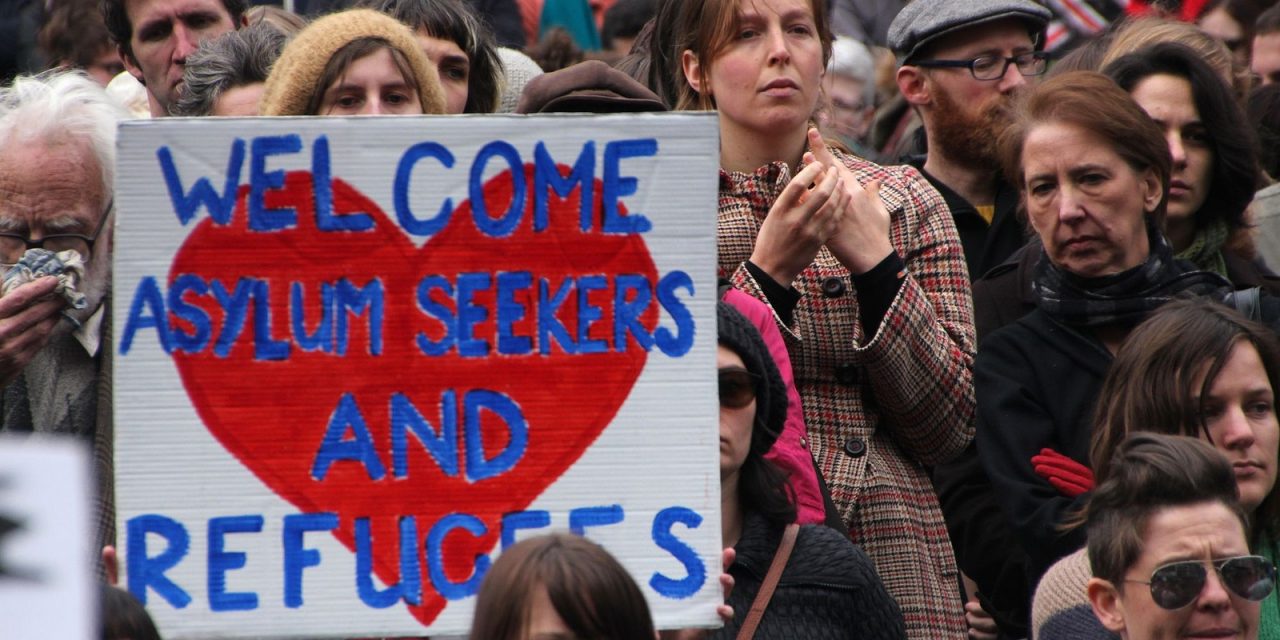
Addressing the Modern Refugee Crisis in the US: Policies and Solutions
Addressing the Modern Refugee Crisis in the US: Policies and Solutions
Social Justice Policy Brief #157 | By: Inijah Quadri| February 23, 2024
Featured Photo taken from: www.immigrationimpact.com
__________________________________
The United States has long been a beacon of hope for refugees fleeing persecution, war, and violence. The modern refugee crisis, characterized by an unprecedented number of displaced individuals globally, presents complex challenges that require nuanced, humane, and effective policy responses.
Before delving into the complexities of the U.S. response to the refugee crisis, it is crucial to clarify the terminology used in this discourse. The term ‘refugees’ refers to individuals who are forced to flee their country due to persecution, war, or violence and have been recognized under international law. ‘Migrants’, on the other hand, can encompass a broader category of people on the move, not necessarily compelled by immediate threats but often seeking better economic opportunities. ‘Asylum seekers’ are individuals who seek international protection from dangers in their home country but whose claim for refugee status has not yet been determined. Each group faces distinct legal and procedural challenges in their quest for safety and stability.
In discussing the modern crisis, it’s essential to recognize the different circumstances under which individuals seek refuge in the U.S. Asylum seekers, for example, are individuals who flee persecution based on race, religion, nationality, membership in a particular social group, or political opinion. On the other hand, some refugees are escaping extreme poverty, though this category often faces more challenges in gaining asylum. Understanding these distinctions is crucial for developing policies that address the specific needs and rights of each group.
This article examines the current state of the overall land border refugee crisis in the U.S., exploring policy challenges and proposing solutions aimed at improving the resettlement process, ensuring fair treatment of asylum seekers, and leveraging international cooperation to address root causes of displacement.
Analysis
The number of forcibly displaced people worldwide reaches new highs every year, with the United Nations High Commissioner for Refugees (UNHCR) reporting millions in need of resettlement. However, the U.S. has seen a fluctuation in its refugee admission caps, with recent years witnessing significant reductions. This trend raises concerns about the nation’s commitment to providing sanctuary for the world’s most vulnerable.
To accurately assess the scale of the refugee crisis and the U.S.’s response, recent data sheds light on the numbers. As of the latest reports, more than a million refugees and migrants enter the United States on an annual basis, with that number rising to well over 1.5 million in 2023 alone. The majority of these individuals come from Mexico, El Salvador, Guatemala, Cuba, India, Honduras and China, reflecting the global patterns of displacement, persecution and poverty. Of those seeking entry, approximately about 60,000 were accepted for resettlement last year, while the others are turned back, or are simply unnaccounted for. These figures underscore the challenges and limitations of the current U.S. immigration system in addressing the needs of displaced individuals.
One of the critical challenges in addressing the refugee crisis is the lengthy and complex resettlement process. Refugees undergo rigorous security checks and screenings, often taking years before being admitted to the U.S. This delay exacerbates the hardships faced by refugees, leaving them in limbo and uncertain of their futures. Additionally, the treatment of asylum seekers at the U.S. borders has sparked national and international debate.
After examining the treatment of asylum seekers and the controversies surrounding policies like family separation and the Remain in Mexico policy, both enacted during the Trump administration, it’s crucial to consider the broader debate on border control. The argument for closing the border often centers on national security and the management of resources. However, opponents argue that such measures ignore humanitarian obligations and can damage the U.S.’s international reputation. Recently, a bipartisan bill aimed at addressing some of these concerns passed the Senate. This legislation proposed a balanced approach to border security and refugee admissions, reflecting a rare moment of consensus. Unfortunately, it was vetoed in the House, a decision influenced by former President Trump’s advocacy for stricter border controls. Trump’s stance emphasizes the need for more stringent measures to curb illegal immigration, suggesting a fundamental disagreement on the role of the U.S. as a refuge.
Proposed Solutions:
1. Increase Refugee Admission Caps: The U.S. should commit to increasing its refugee admission caps to reflect the scale of the global crisis. A return to historical averages would signal the U.S.’s renewed commitment to refugee protection and resettlement.
2. Streamline the Resettlement Process: Reducing the time it takes for refugees to be resettled requires improving the efficiency of screening processes without compromising security. As we propose increasing refugee admissions and streamlining the resettlement process, it’s important to address the resources required for such efforts. The federal government plays a primary role in funding and coordinating resettlement programs, but state and city governments often bear the brunt of direct support services. This includes housing, education, and healthcare for refugees. The growing number of refugees has put additional pressure on local communities, highlighting the need for a more equitable distribution of resources and responsibilities. Enhanced federal support and clear guidelines can help ensure that refugees are resettled in communities equipped to support them, facilitating better integration and self-reliance. The U.S. government can also invest in technology and increase staffing to process applications more quickly.
3. End Harmful Border Policies: Policies that undermine the rights and dignity of asylum seekers should be revised or ended, including those at the Texas border where Governor Greg Abbott’s controversial measures have sparked debate. The U.S. should ensure that its practices, especially in contentious areas like Texas, align with international law and the principles of humanitarian protection.
4. Support Integration and Self-Reliance: Providing refugees with access to education, employment, and health services upon arrival supports their integration and self-reliance. Programs that facilitate language learning, job training, and community engagement are crucial for successful resettlement. Addressing the U.S. labor market’s needs presents an opportunity to challenge misconceptions about refugees and job competition. Many sectors, including agriculture, healthcare, and technology, face significant labor shortages that refugees can help fill. This contribution not only aids in their integration and self-reliance but also supports the U.S. economy. It’s a common misconception that refugees take jobs from American citizens. In reality, they often take positions that are hard to fill, creating more jobs by stimulating demand and contributing to a diverse workforce. By acknowledging and leveraging this potential, and letting the populace be more aware of this, the U.S. can foster a more inclusive and productive society.
5. International Cooperation: The U.S. must work with international partners to address the root causes of displacement, such as conflict, persecution, and climate change. Investing in development and stabilization efforts in countries of origin can reduce forced displacement over time.
Addressing the modern refugee crisis in the U.S. requires a multifaceted approach that balances security concerns with humanitarian obligations. By increasing refugee admissions, streamlining the resettlement process, ensuring the fair treatment of asylum seekers, and engaging in international efforts to tackle the root causes of displacement, the U.S. can reaffirm its position as a global leader in refugee protection and resettlement.
Engagement Resources
- UNHCR (https://www.unhcr.org/): The UN Refugee Agency provides critical support to refugees globally and advocates for their protection and resettlement.
- International Rescue Committee (https://www.rescue.org/): The IRC responds to the world’s worst humanitarian crises and helps people to survive, recover, and gain control of their future.
- Refugee Council USA (https://rcusa.org/): A coalition of U.S.-based organizations committed to refugee protection, welcome, and excellence in the U.S. refugee resettlement program.
- American Immigration Council (https://www.americanimmigrationcouncil.org/): Works to strengthen America by shaping how America thinks about and acts towards immigrants and immigration.
- Human Rights First (https://www.humanrightsfirst.org/): An independent advocacy and action organization that challenges America to live up to its ideals, including fair treatment of asylum seekers and refugees.
Wanna stay in-the-know? Always get the latest updates from our reporters by subscribing to the U.S. Resist Democracy Weekly Newsletter, and please consider contributing to ‘Keeping Democracy Alive’ by donating today! We depend on support from readers like you to aide in protecting fearless independent journalism.

Israel-Gaza War Updates
Israel-Gaza War Updates
Foreign Policy Brief #124 | By: Abran C| February 28, 2024
Featured Photo taken from: www.slate.com
__________________________________
Current situation:
Nearly six months have passed since the October 7, 2023 attacks, an Israeli assault on the Gaza strip that has killed over 29,000 people with thousands more believed to be uncounted and buried under rubble in the strip. Despite growing international condemnation and calls for a ceasefire, the war shows no sign of ending, and has driven around 80% of the Palestinians in Gaza from their homes and has left nearly half of the population starving, according to UN officials. The US in recent weeks has been meeting with mediators Egypt and Qatar to try to broker another cease-fire and hostage release agreement. Yet Israeli Prime Minister Benjamin Netanyahu has vowed to continue the assault on Gaza until “total victory” is achieved. The unwillingness of the Israeli PM to move towards a negotiated ceasefire has raised fears that Gazans will be forced out of the strip and that troops will soon move and attack the town of Rafah on the Egyptian border, where half of Gaza’s 2.3 million people have sought refuge from the Israeli bombing campaign in the rest of the strip.
International responses to the Israel-Gaza war and humanitarian crisis in Gaza:
As the Israel-Gaza war has dragged on, calls for a ceasefire and humanitarian aid have grown. Last week the Turkish and Egyptian presidents met in Cairo, for the first meeting between these two heads of state in over a decade, during the meeting the two called for an immediate ceasefire in Gaza. In the Netherlands a Dutch appeals court ordered the government to stop the delivery of F-35 fighter jet parts to Israel in order to comply with the recent ICJ ruling. In Africa there was unanimous agreement at an African Union summit in the Ethiopian capital Addis Ababa where the continent’s heads of state condemned Israel’s offensive in Gaza and called for its immediate end and the Israeli Delegation was prevented from entering the union’s headquarters.
Earlier this week Brazilian President Lula Da Silva Lula compared Israel’s war on Gaza to the Nazi’s treatment of Jews in World War II. Israeli Foreign Minister Israel Katz announced that Lula is not welcome into the country until he takes back his comments. The leaders of Canada, Australia and New Zealand issued a joint statement also calling for an immediate humanitarian ceasefire in Gaza, the statement came as a response to Israeli attacks and reported plans for a ground invasion on Rafah. The recent ICJ ruling stated that, it was plausible that Israel’s acts could amount to genocide and issued six provisional measures, including that Israel must do all it can to prevent genocide, including refraining from harming or killing Palestinians. At the United Nations, thirteen countries on the 15 member body security council backed an Algerian resolution to call for an immediate ceasefire. Only two states did not vote in favor of the resolution with the UK abstaining, with the US being the sole veto to the resolution.
Violence in the region:
Since the beginning of the war in Gaza there has been a dramatic rise in conflict across the region. States including Israel, the US, and Iran have conducted airstrikes within the borders of other countries. Israel recently launched its longest and heaviest attack on neighboring Lebanon since the start of the Gaza war, striking several locations in the south, killing multiple civilians, and raising further the prospect of full war between the two states. Israel and the Lebanese armed group Hezbollah have traded fire since the beginning of the war, Hezbollah has called for an end to an assault on Gaza in order to end the fighting.
The US has struck sites in Iraq, Syria, and Yemen, the strikes are claimed to have been carried out against Iranian backed groups within those countries. Last month four US personnel suffered traumatic brain injuries after the Ain al-Asad airbase in Iraq was hit by ballistic missiles and rockets allegedly fired by Iranian backed militants. Iran last month also launched missile and drone strikes on targets in three countries Iraq, Syria and Pakistan, angering the targeted countries and killing civilians. All players involved claim to be striking bases of operation for one anothers proxy groups. The overall result of these strikes is that these developments continue to heighten concerns over the possibility of a wider all out Middle East war. This concern has been augmented by missile and drone attacks by the Houthis in Yemen on cargo ships in the Red Sea. The US has responded with air strikes on the Houthis.
For more articles and in-depth analysis on the Israel-Gaza War, click here. Stay informed with the latest insights from our dedicated reporters by subscribing to the U.S. Resist Democracy Weekly Newsletter. Your support is crucial in safeguarding fearless, independent journalism. If you appreciate our content, please consider donating today to continue in helping to protect democracy and empower citizenship.

The Unequal Effects of Climate Change on Vulnerable Communities
The Unequal Effects of Climate Change on Vulnerable Communities
Environment Policy Brief #165 | By: Devyne Byrd | February 27, 2024
Featured Photo sourced from: www.sustainable-earth.org
__________________________________
As the world contends with the negative effects of climate change, lower-income communities are often hit the hardest due to environmental injustice. The intersection of climate change, class, and social factors combine to unequally impact poorer communities and make avoiding natural disasters and recovering from them exceedingly difficult.
A major source of environmental injustice is zoning and land use policies that allow industrial facilities that pollute the air and water to be located in low-income areas. There is a stretch of land between Baton Rouge and New Orleans commonly called Cancer Alley. Local zoning ordinances have encouraged the implementation of factories, refineries, and other industries that heavily pollute natural resources. The local governments also include tax breaks, and subsidies to encourage factory expansion in the area. The residents of the land who are low-income and predominantly Black and Hispanic, bear the brunt of the consequences of these zoning laws, reporting higher cases of asthma and cancer.
The hardships these communities face are a direct result of the discrimination against low-income communities as they take on an unequal share of the consequences of environmental decline. Additionally, although poorer communities account for less global emissions, they are more affected by climate change because they tend to be located in areas that are prone to the extreme weather that climate change causes such as flooding or hurricanes. Because of the land’s susceptibility to natural disasters, it is often cheaper and the only place poorer communities can afford to live. The housing itself is often of lower quality, lacking proper insulation or construction materials that would keep them safe during natural disasters.
Finally, after low-income communities are affected by natural disasters and discriminatory zoning, they then have to contend with decreased access to medical and emergency services. Poorer populations tend to struggle with obtaining health insurance and have fewer healthcare facilities in their vicinity. This makes obtaining assistance prohibitively expensive and often delays seeking medical care which leads to poorer outcomes. In conjunction with climate change exacerbating existing health care inequalities as discussed previously, poorer communities have higher incidences of serious illness and death due to climate disasters.
Poorer communities continue to bear a disproportionate burden of the effects of the worsening climate. Due to their lower income, parties affected by environmental injustice hold less power in the political landscape to advocate for changes or to relocate from hazardous areas. These already vulnerable communities are left to the will of politicians and the wealthy to reduce emissions and not actively put pollutants into their areas. This emphasizes the need for immediate action to alleviate the pressures put on these communities and the lessening of climate change.
Engagement Resources
- Center on Budget and Policy Priorities – An article on proposed solutions to the affordable housing crisis, including rental assistance and the housing supply.
- Poverty and Climate Change – A report on reducing poor community’s vulnerability to climate change through adaptation.
Click here to read more in-depth analysis on Climate Change. Don’t miss out on the latest insights from our dedicated reporters – subscribe to the U.S. Resist Democracy Weekly Newsletter. Your support is vital in safeguarding fearless, independent journalism. If you value our content, please consider donating today to help protect democracy and empower citizenship.

2024: The Year of Elections
2024: The Year of Elections
Foreign Policy Brief #123 | By: Abran C| February 26, 2024
Featured Photo taken from: www.ie.edu
__________________________________
The year 2024 will be a record breaking year for elections around the world. More than 50 countries that are home to half the planet’s population are all due to hold their national elections this year. However, just because elections are set to be held is not in and of itself good news. The past few years have seen a strong resurgence of the far-right and authoritarian leaders in numerous countries. In certain countries, voting will be neither free nor fair. In many, bans on opposition candidates, distrustful electorates and the potential for manipulation and disinformation may sway outcomes or enable anti-democratic candidates. This year’s elections will test whether democracy globally will continue its trend of backsliding or whether a renewed push for democratic freedoms will take hold.
Some of the elections already held:
Bangladesh: Elections for the South Asian nation were held on January 7th. Bangladesh, home to 170 million people, was the first country in South Asia this year to head to the polls. But turnout was low, with only 40% of approximately 120 million eligible voters taking part. Bangladesh Prime Minister Sheikh Hasina has secured a fourth consecutive term in office. Human rights organizations have warned that Hasina and her government are headed towards a one-party system, as critics expressed concerns over increased reports of political violence and voter intimidation.
El Salvador: On February 4th, El Salvador’s president who calls himself the ‘world’s coolest dictator’ scored the second largest election win in the country’s history. El Salvador’s Nayib Bukele suspended civil liberties to conduct a sweeping crackdown on gang violence which proved popular with voters. Bukele is now El Salvador’s first reelected president. His party’s majority in congress and a court they stacked allowed him to dodge a constitutional ban on presidents running for a second term.
Comoros: In the small Indian ocean nation of Comoros, President Azali Assoumani was re-elected for a fourth term in a poll disputed by the opposition as “fraudulent”. He secured the win with 63% of the vote, according to the country’s electoral body. However, turnout was low amid an opposition boycott, only 16% of people voted in the presidential election. After the results were announced, security forces clashed with protesters in several parts of the capital, Moroni.
Finland: On February 11, Alexander Stubb of the center-right National Coalition Party narrowly won Finland’s presidential election on Sunday, defeating liberal Green Party member Pekka Haavisto. Stubb is pro-European and a strong supporter of Ukraine who has taken a tough stance against Russia. The vote marks a new era in Finland, which for decades had elected presidents to foster diplomacy, and now instead opted not to join military alliances such as with NATO.
Elections with global impact:
United States: It should come as no surprise that the Presidential and Congressional elections in the US are some of the most highly observed in the world. On November 8, 2024, the results of US elections will affect the world and the direction of many conflicts, negotiations, business dealings, the future state of the climate, and more. Conflicts like the war in Ukraine and war in Gaza will have profound impacts depending on who wins the 2024 election. Relationships with traditional allies could also be strained by a possible second Trump presidency, along with the US’ credibility and perception as a reliable partner has already been damaged, and of course in an increasingly polarized and militarized world there is the possibility of either candidate inflaming tensions with different adversarial states. The US elections will have profound impacts on the future of the international system. We will have to wait and see whether it will be a continuation of the current administration’s policies or a return to Trumpism.
India: In India, which is often called the world’s largest experiment in democracy, voters are expected to head to the polls at a still undisclosed date between April-May 2024. India which has a population of over 1.4 billion is likely to see a majority of its voters reelect Prime Minister Narendra Modi to secure a rare third term in power. Prime Minister Narendra Modi has been accused of enabling democratic backsliding since 2016. Modi throughout his tenure in office has been accused of cracking down on opponents, restricting press freedom and persecuting the country’s Muslim and other ethnic and religious minorities. Facing off against Modi is a newly formed alliance of 26 political parties known as INDIA, which includes the country’s main opposition, the Indian National Congress.
EU Elections: Far-right parties are becoming increasingly dominant in national settings across many EU capitals. The June 2024 European Parliament elections will likely see a major shift to the right in many countries, with populist radical right parties gaining votes across the EU. Many center-left and green parties will likely lose votes and seats. Anti-European Union populists are likely to top the polls in nine member states (Austria, Belgium, the Czech Republic, France, Hungary, Italy, the Netherlands, Poland, and Slovakia). Much of the shift to the right can be attributed to rising anti-immigrant sentiment across the continent. EU elections will shape the bloc’s approach to climate policy, aid to Ukraine, and the bloc’s ability to work and stay united.
Russia: On Friday March 15, 2024, Russia will hold its presidential elections, yet of course, there is already little doubt as to who will emerge the winner from these elections. The upcoming Russian elections are more of a spectacle than serious competition for the future of the country. It’s likely Russia’s current policies will continue on in another Putin administration. Vladimir Putin, should he win again, and serve a full six year term, will have been in power for 30 years total. This will be longer than any Russian or Soviet leader since Tsar Peter the Great (who died in 1721). Until recently, Russia’s constitution forbade more than two consecutive six year presidential terms. Though this is a constitutional rule that appears not to apply to the current occupant of the Kremlin. Putin’s main rival, opposition leader Alexei Navalny mysteriously died in prison late last week. Another of Russia’s presidential hopefuls, Boris Nadezhdin, has said his bid to run in elections in March has been blocked. Nadezhdin, is a prominent critic of the war in Ukraine and is not thought to be a likely challenger to unseat Putin.
Analysis
Democracy, the value and idea that human beings have the right to choose their own leaders is a much newer concept than many of us realize. Only about half of the world’s countries are electoral democracies, meaning that they hold free and fair multi-party elections. Of those countries, just 14 have been democracies for 100 or more years. The upcoming elections globally will present to us whether democracy can continue to endure through the current rise of extremism, violence, and polarization globally. Democracies often fall short of their promised ideals, but it is thus far in human history the only system that allows us a voice and the ability to learn and do better if we choose to do so.
Remember to stay in-the-know with the latest insights from our dedicated reporters by subscribing to the U.S. Resist Democracy Weekly Newsletter. Your support is crucial in safeguarding fearless, independent journalism. If you appreciate our content, please consider donating today to continue in helping to protect democracy and empower citizenship.

The Top 5 Worst GOP Bills: A Closer Look at Troubling Legislation
The Top 5 Worst GOP Bills: A Closer Look at Troubling Legislation
Elections & Politics Policy Brief #125 | By: William Bourque | February 23, 2024
Featured Photo taken from: www.thehill.com
__________________________________
In our world of American politics, GOP-sponsored bills often stir up controversy and debate. Some proposals, however, stand out for all the wrong reasons. From healthcare to taxes, environment to social programs, these bills have sparked concern and criticism across the political spectrum.
In this brief, we’re diving into the top five GOP bills that have raised eyebrows and ignited fierce opposition. We’ll explore what they sought to do and the motivations behind them. As we navigate through these bills, it’s crucial to understand the broader political landscape and the tensions driving these debates. While some see these proposals as solutions, many of these bills are foolish and short-sighted. This past year of Congressional proceedings have been nothing short of shocking – with House GOP members getting into physical altercations, screaming matches, and beefing on X (still Twitter in my book). Without further ado, the 5 worst GOP bills of this past year.
-
1. House Resolution 582: A resolution to impeach Homeland Security Secretary Mayorkas for High Crimes and Misdemeanors
The initial vote on this legislation, which was eventually blocked by Rep. Mike Gallagher, failed in embarrassing fashion for Speaker Mike Johnson. Mayorkas is the first cabinet secretary to be impeached since the 1870’s, when Secretary of War William Belknap was impeached. The motion eventually passed, which sets up a trial in the Senate. Policy differences aren’t impeachable offenses, and Mayorkas is primed to be acquitted by a Democratic-controlled Senate. The GOP is wasting taxpayer money and valuable time where they could be legislating.
-
2. House Resolution 1: Lower Energy Costs Act
This legislation looked to rollback a significant amount of Joe Biden’s Inflation Reduction Act, which provided tax credits for renewable energy development in addition to uplifting marginalized communities. The “Lower Energy Costs Act” creates incentives for fossil fuel development including a moratorium on a fracking ban. Not only is this legislation a step entirely backwards, it had no chance of passing the Senate, making it a glorious waste of time for all involved. Sure, it made for good headlines, but it (thankfully) made no substantive change or even came close to becoming law. Another messaging bill for the ever-more-pathetic GOP.
-
3. Biden Border Bill
One of the more egregious Republican moves from the past year is the recent rejection of a deal with President Biden which would have given significant money to border patrol in hopes of stemming the flow of migrants at the Southern border. Realistically, this was the best deal that the GOP could have hoped for. However, President Trump has come out against this bill several times – causing the GOP to turn their backs on the deal brokered by President Biden and GOP leadership. Since then, each and every member of GOP leadership has come out against the bill – making it incredibly obvious that they intend to use the border as a campaign talking point.
-
4. Cutting Foreign Aid (Ukraine et al)
Another policy position that the GOP has leaned into the past year is cutting foreign aid, namely to allies like Ukraine and Israel. While Israel has had many accusations of wrongdoing come up at the UN and within international circles, Ukraine is still universally supported in their fight against Russia…except in the Republican party. The fight against Russia is one of the most vital in the world especially given Putin’s additional consolidation of power. It’s notable that many Democrats have also called for an end to aid for Israel – although for different reasons than Republicans. Republicans seem to be using each and every discussion regarding aid as a campaign chip, hoping they can prop up former President Trump to another unlikely victory.
-
5. Various Censure Votes on Jamaal Bowman, Rashida Tlaib, and Adam Schiff
Yet another waste of time from the House of Representatives, censure votes. The most ridiculous of these three was against Adam Schiff, who made many comments relating to former President Trump and Russia (which are all probably true). House Republicans felt offended that Schiff would bring up this association and felt it was grounds for censure. Schiff wore it as a badge of honor and it seems to be helping him in the race for Senate in CA, where he leads in all polls. The next censure motion was against Rashida Tlaib, who made comments defending Palestine. For what it’s worth, Tlaib is a Palestinian-American and clearly felt like nobody in Congress was defending her people or her homeland – but the vote including both Democrats and Republicans makes this one feel slightly less egregious. There have been several GOP lawmakers who have made statements in opposition to Israel and they haven’t been censured…The last censure was against Jamaal Bowman, who accidentally pulled a fire alarm in the Capitol building that ended up delaying a vote. Bowman claims that it was accidental, and by all accounts, video footage doesn’t make it seem pre-meditated. Either way, censure does absolutely nothing and is only used as a political weapon, so it was another waste of time to go about this.
In a year marked by intense partisan clashes and headline-grabbing controversies, the three worst GOP bills of recent memory have epitomized political theater at its most wasteful. From futile attempts to impeach cabinet members to misguided efforts to roll back progressive policies, these bills have not only squandered valuable legislative time but also highlighted the stark divisions within Congress. As lawmakers engage in futile gestures and symbolic condemnations, the real issues facing the American people remain unaddressed. We don’t expect anything different from the GOP this year, and our election predictions will show that the GOP won’t be the majority in the House for much longer.
Stay informed with the latest insights from our dedicated reporters by subscribing to the U.S. Resist Democracy Weekly Newsletter. Your support is crucial in safeguarding fearless independent journalism. If you appreciate our content, please consider donating today to help protect democracy and empower citizenship.