

JOBS POLICIES, ANALYSIS, AND RESOURCES
Latest Jobs Posts
Along with carbon emissions, U.S. climate accords go up in smoke
A year ago, at the beginning of Donald Trump’s second term as President, he signed Executive Order 14199, requesting a “government‑wide review” of all international intergovernmental organizations, conventions, and treaties that the United States formally supports. That review resulted in a signed a memorandum on January 6th of this year that specifies that the U.S. formally withdraw from 66 “organizations, conventions, and treaties.” Included in the 66 are the UN Framework Convention on Climate Change (UNFCCC), the Intergovernmental Panel on Climate Change (IPCC), and other important climate treaties. In all, the U.S. withdrew from 31 UN bodies.
Trump’s Policies to Increase Pronatalism in the U.S.
Pronatalism is the belief that our society’s duty is to encourage people to have more children (National Women’s Law Center). This belief is rooted in boosting the economy, embracing eugenics, and increasing white nationalism. Elon Musk is echoing this belief by stating that the answer to saving civilization is by having more children. Except that sentiment does not ring true for everyone. And it is not reflective in the Trump Administration’s policies and actions.
Idaho (2026 Democratic Primary Preview Series Brief #11)
The Democratic Party in Idaho is implementing an expanded strategy aimed at competitive races in 2026. The Idaho Democratic Party recently launched its “All In for Idaho” campaign to recruit local candidates and grow voter registration, especially in rural and traditionally conservative communities that have often been overlooked.
Kansas (2026 Democratic Primary Preview Series Brief #10)
Kansas has one Democratic member of the house up for re-election Sharice Davids of the 3rd Congressional District.
Iowa (2026 Democratic Primary Preview Series Brief #9)
In 2026, Iowa will see one Senate race & four House races in its congressional elections. The Hawkeye state has been a Republican stronghold since Trump came on the scene in 2016, but the Cook Political Report currently has two of Iowa’s House seats as toss-ups. In a year where Democrats should be expected to overperform, we could see Hawkeye voters change the distribution of the state’s legislative power in Washington. Currently, all 6 of Iowa’s congressional seats are held by Republicans, but 2026 could see one, if not more, of these change. Voters will be able to cast their ballots in the primary on June 2, 2026 & in the general election on November 3, 2026.
US Incursion in Venezuela: Review, Reactions, and What Happens Next (Foreign Policy Brief #226)
In the early hours of Jan. 3, 2026 the United States carried out an attack in Venezuela that saw the removal and capture of Venezuelan President Nicolas Maduro. The incursion followed months of military operations in the Caribbean Sea, targeting small boats and oil tankers along the Venezuelan coast. The operation dubbed, Operation Absolute Resolve, saw US forces enter Venezuelan territory, carry out strikes on military sites around the country and in the capital Caracas. Nicolas Maduro and his wife, Cilia Flores, were taken by US forces from Fuerte Tiuna, the country’s largest military complex. Maduro was first flown to a US military base and then transported aboard the USS Iwo Jima, which brought Maduro and his wife to a detention centre in New York, where he is being held and indicted on charges of narcoterrorism and conspiracy to import cocaine into the United States.
Georgia (2026 Democratic Primary Preview Series)
Georgia is set to be one of the biggest battleground states in 2026, with one senator, Democrat Jon Ossoff, up for election.
Democracy on the Brink: Structural Suppression and the Fight for the 2026 Midterms (Elections & Politics Brief #202)
The concept of a free and fair election in the United States has always been more of an aspiration than a reality, but as we approach the 2026 midterms, the gap between that ideal and the ground truth is widening at an alarming rate. By definition, a “free and fair” election in the U.S. context requires three non-negotiable pillars: universal access for all eligible citizens without coercion, a transparent and secret balloting process, and an impartial tabulation and certification that reflects the genuine will of the people
Hawaii (2026 Democratic Primary Preview Series Brief #8)
The Aloha state will feature two House races but will be absent a headlining Senate race. Senior Senator Brian Schatz will be back up for re-election in 2028 & the Junior Senator Mazie Hirono will be back up in 2030. Overall, the state is solidly Democratic, with all four members of Congress under the Democratic banner. Further, at the state level, of the 51 state house members, only 9 are Republicans. That means the remaining 42 are Democrats since no Independent has a seat in the Hawaii State House. In the Hawaiian Senate, the breakdown is 3 Republicans to 22 Dems. Hawaii is a solidly blue state, & the real campaign or battle will be in the Democratic primaries.


Hawaii (2026 Democratic Primary Preview Series Brief #8)
Democratic Primary Series Brief #8 | Morgan Davidson | 1/21/2026
The Aloha state will feature two House races but will be absent a headlining Senate race. Senior Senator Brian Schatz will be back up for re-election in 2028 & the Junior Senator Mazie Hirono will be back up in 2030. Overall, the state is solidly Democratic, with all four members of Congress under the Democratic banner. Further, at the state level, of the 51 state house members, only 9 are Republicans. That means the remaining 42 are Democrats since no Independent has a seat in the Hawaii State House. In the Hawaiian Senate, the breakdown is 3 Republicans to 22 Dems. Hawaii is a solidly blue state, & the real campaign or battle will be in the Democratic primaries.
Turning to the U.S. House, Hawaii’s current Democratic delegation consists of:
- District 1: Ed Case
- District 2: Jill Tokuda
Both incumbents had dominant elections in 2024, with Ed Case winning with 71.8% of the vote & Jill Tokuda winning with 66.5% of the vote & look to do the same. At the time of writing, Democrats have a national advantage in generic ballots, or ballots listing only the political party, not specific candidates. Per Verasight, respondents were asked, “If the 2026 general election were held today [January 2026], which party’s candidate would you be more likely to vote for in your local congressional district?” 51% of respondents side with the Dems, 43% to the GOP, & 6% were undecided. Among voters who reported greater interest in voting, these percentages change to 55% Dems & 42% Republicans, with advantages to Dems of 8% & 13%, respectively.
The current Trump regime in Washington continues to hemorrhage support with crises after crises, from Venezuela & the kidnapping of Maduro, the ICE shooting of Renee Good, to concerns over US involvement with Greenland. Each of these events, individually, has the Trump administration in hot water, & collectively has led to a decrease in support for Trump & the Republican party more broadly. These are issues heading into a midterm election, which tend to favor the party out of power, causing major issues for Republicans down ballot. That said, there is still a long time from today to election day for Republicans to gain ground, but that seems bleak with Trump’s actions since the start of the new year.
Back to Hawaii, where the primary will take place on August 8th, 2026, followed by the general election on November 3rd, 2026, both Democratic incumbents look poised to retain their seats. That said, Jill Tokuda in District 2 seems to have a stronger advantage over her District 1 counterpart, Ed Case.
District 2: Jill Tokuda
Jill Tokuda, as of writing, is running unopposed in her re-election bid for District 2’s U.S. House seat. There is still time for other Democrats to join the race, with the filing deadline being in June of this year; however, chances are slim that Tokuda will face a Democratic challenger. In theory, District 2 should be the harder race, as it represents the suburban areas of Honolulu & the smaller islands that are much more rural than O’ahu, but without a challenger, Tokuda should continue her dominance in the district.
Tokuda is a 49-year-old female incumbent in Hawaii’s second district. Tokuda has represented Hawaiʻi’s Second Congressional District in the U.S. House since 2023, serving the state’s rural & outer-island communities. Her family has called the district home for four generations after emigrating from Okinawa, with roots on Hawaiʻi Island, Maui, Kauaʻi, & Oʻahu. A product of Hawaiʻi’s public schools & the first in her family to attend college, Tokuda earned a degree in international relations from George Washington University before returning home to public service. She spent twelve years representing Windward Oʻahu in the Hawaiʻi State Senate, where she became one of the Legislature’s most trusted voices on fiscal & education policy, chairing committees including Ways & Means, Education, Labor, & Hawaiian Affairs. As budget chair, she oversaw the state’s $14 billion budget, expanded early childhood education & school-based health services, & secured long-delayed constitutional protections for Hawaiʻi’s most productive agricultural lands. In Congress, Tokuda serves on the Armed Services Committee, the Select Committee on the Chinese Communist Party, & the Agriculture Committee, while also holding leadership roles focused on rural health, Asian Pacific American representation, & regional Democratic organizing. She & her husband are raising their two sons in the same public schools that shaped them, reinforcing her emphasis on education, local opportunity, & stewardship of Hawaiʻi’s future.
Jill Tokuda is well-positioned to win re-election in 2026 largely because Hawaiʻi’s Second Congressional District remains safely Democratic & she faces no listed challengers according to Ballotpedia. As a first-term incumbent elected comfortably in 2022 & even more so in 2024, Tokuda benefits from the structural advantages of incumbency, strong name recognition across the neighbor islands, & deep local ties built over decades in public service. Her committee assignments in Congress, particularly on Armed Services & Agriculture, reinforce her ability to deliver for a district with significant rural, military, & outer-island needs. With no serious primary opposition & a Republican bench that has struggled statewide for decades, Tokuda enters the 2026 cycle as a clear favorite to retain her seat.
District 1
Incumbent: Ed Case (Male, 73)
Challengers: Della Au Belatti (Female, 52); Jarrett Keohikalole (Male, 41)
Incumbent Democrat Ed Case is favored to retain Hawaiʻi’s First Congressional District in 2026, though he faces a potentially competitive Democratic primary from two challengers running to his left. According to Data for Progress polling, Case leads the field but does not currently command a majority, raising the possibility that the primary could go to a runoff. The central tension in the race is ideological: Case’s centrist, pragmatic style continues to appeal to establishment Democrats & moderate voters, while progressive activists are increasingly coalescing around alternative candidates who promise a more assertive liberal agenda.
Ed Case (Incumbent)
Ed Case has represented Hawaiʻi’s First District since 2019 & is one of the state’s most experienced federal lawmakers, having previously served in Congress in the early 2000s & as Hawaiʻi’s lieutenant governor. At 73, Case is viewed as a steady but ideologically moderate figure, emphasizing fiscal responsibility, national security, & bipartisan governance. Further, younger voters see Case as old & out of touch. While his approach has helped him survive competitive primaries in the past, it has also drawn criticism from progressive voters who view him as insufficiently aligned with the Democratic Party’s leftward shift on issues like climate policy, healthcare, & foreign affairs.
Della Au Belatti
Della Au Belatti, a 52-year-old former Hawaiʻi State Representative, enters the race with strong progressive credentials & deep ties to Democratic Party organizing. As a former chair of the Hawaiʻi Democratic Party, Belatti is well known among party activists & grassroots networks. Her campaign emphasizes reproductive rights, climate action, housing affordability, & a more confrontational posture toward corporate influence in politics. Belatti’s challenge is converting institutional goodwill & activist enthusiasm into broad-based voter support beyond the party’s progressive base.
Jarrett Keohikalole
Jarrett Keohikalole, 41, is a sitting Hawaiʻi State Senator representing Kāneʻohe & Kailua, & positions himself as a generational & ideological alternative to Case. Keohikalole has built a reputation as a policy-focused progressive, with emphasis on healthcare access, cost-of-living relief, & environmental protection. His youth & legislative experience give him credibility among voters seeking change without inexperience, though he faces the same structural hurdle as Belatti in expanding appeal beyond Honolulu’s progressive core.
Who Is Most Likely to Win
Despite dissatisfaction among liberal voters, Ed Case remains the most likely winner due to incumbency, name recognition, & a fragmented opposition. While Belatti & Keohikalole together may represent a majority of the district’s Democratic electorate ideologically, their split support significantly benefits Case under Hawaiʻi’s primary rules. Unless one challenger consolidates progressive voters or Case’s support collapses late in the cycle, the incumbent’s path to renomination & eventual re-election in this safely Democratic district remains the clearest. If Case suffers a health scare or scandal of sorts, look for Belatti to take advantage with the grassroots background & current lead over Keohikalole in the Data for Progress poll.
Primary outlook: Competitive, but Case favored
General election outlook: Safe Democratic hold
Engagement Resources:
- Ballotpedia- serves as an initial go-to for candidates & races at all levels: https://ballotpedia.org/United_States_House_of_Representatives_elections_in_Hawaii,_2026
- Verasight Poll & information- https://www.gelliottmorris.com/p/new-poll-trump-slips-on-immigration?utm_source=post-email-title&publication_id=6273&post_id=185257395&utm_campaign=email-post-title&isFreemail=true&r=2ncajb&triedRedirect=true&utm_medium=email
- Politico Coverage of Hawaii’s 1st district- https://www.politico.com/newsletters/weekly-score/2025/11/17/the-next-democrat-indivisible-wants-to-boot-from-congress-00653934
- Jill Tokuda interview- https://www.facebook.com/TheYoungTurks/videos/watch-jill-tokuda-delivers-a-powerful-speech/1235181668562817/
- Ed Case Interview- https://www.youtube.com/watch?v=BwI90ATzz5s
- Della Au Belatti- https://www.youtube.com/watch?v=8dlYyUykJvY
- Jarrett Keohikalole https://www.youtube.com/watch?v=lZpOlCRUzD4

New U.S. Dietary Guidelines Signal Shift on Processed Foods, Meat and Dairy (Health & Gender Policy Brief #184)
Health & Gender Policy Brief #184 | Haley Gabrielle Lloyd | January 15, 2026
On January 7, 2026, the U.S. federal government released the 2025–2030 Dietary Guidelines for Americans. These new guidelines show a shift in how U.S. health officials define healthy eating andaddress processed foods, protein consumption and dairy. The Guidelines were issued by the Department of Health and Human Services (HHS) and the Department of Agriculture (USDA). They are set to shape federal nutrition policy, school meal standards and how public health is messaged for the next five years.
The guidance targets packaged, ready-to-eat foods high with sugar, sodium, refined carbohydrates and additives, citing chips, candy, sugary drinks and frozen meals as examples. What is commonly knownas “ultra-processed foods,” the federal government is now calling “highly processed foods.” Federal officials warn the foods are contributing to obesity and obesity-related diseases, including Type 2 diabetes and heart disease.
The recommendations call for a diet centered on whole, nutrient-dense foods such as fruits and vegetables, as well as whole grains, healthy fats and protein. Unlike previous versions, the new recommendations explicitly include meat and full-fat dairy when eaten in moderation. Federal officials have described the shift as a move away from rigid low-fat frameworks toward a broader focus on eating minimally processed foods. Added sugars remain a major concern. The guidelines recommendlimiting added sugars to less than 10% of daily calories and state that no amount of added sugar is necessary for good health, particularly for children. Sodium intake limits remain in place, and saturated fat is still recommended to stay below 10% of daily calories, even as the guidance allows more flexibility around whole-food sources of fat.
The rollout has sparked political debate and skepticism beyond the nutrition and health community.This reflects a broader mistrust of federal health guidance and of the Trump administration.
Some conservatives and food industry groups have questioned whether the administration isoverreaching by discouraging processed foods that are affordable and widely consumed. They warn that the recommendations could raise food costs or further stigmatize foods relied on by low-income families. Others on the right have criticized the guidelines as inconsistent, arguing they promote meat and dairy while continuing to caution against saturated fat. The American Action Forum, a center-right economics and health research institute, argued that broad warnings against categories ofprocessed foods could be overly simplistic and cause confusion about affordable food options, callingfor clearer definitions and careful consideration of economic impact. Sen. Roger Marshall of Kansas called the update “a huge win for America,” saying food is “the best medicine known to man,” while
Sen. Tommy Tuberville thanked officials for highlighting “real, healthy food” under the Make America Healthy Again agenda.
On the left, environmental and public health advocates have raised concerns about the expanded emphasis on animal products, particularly red meat and full-fat dairy, citing climate impacts and long-standing links to cardiovascular risk. Critics have also questioned why the final document diverged from recommendations made by the Dietary Guidelines Advisory Committee, saying the process appears more political than scientific. The American Heart Association welcomed the focus on cutting added sugar and highly processed foods but emphasized that elevating red meat and full-fat dairy risks undermining long-standing guidance on saturated fat and cardiovascular disease. The Center for Biological Diversity criticized the emphasis on animal products as politically driven and said it ignores the climate and ecological costs of meat production.
The response from Democratic lawmakers has been limited. Sen. Cory Booker of New Jersey, who has long focused on food policy and nutrition, has previously raised concerns about meat-heavy diets,citing links to chronic disease and environmental impact. Beyond Booker, reaction from prominent Democratic lawmakers has been notably quiet.
Public reaction has also been divided. On platforms including X, Reddit and TikTok, supporters havewelcomed simpler messaging around “real food” and cutting back on sugar. Others have expressed confusion over what qualifies as processed and whether the update reflects new science or a rebranding of previous administrations’ advice. Marion Nestle, a longtime nutrition professor at New YorkUniversity, has previously warned that broad and inconsistent use of the term “processed foods” can confuse consumers and undermine confidence in dietary guidance. Recent polls from the Harvard T.H. Chan School of Public Health and the de Beaumont Foundation and the Annenberg Public Policy Center show declining trust in federal health agencies.
These changes appear to read less like a new change and more like rebranding of long standing federal advice. The refurbished focus on whole foods and limiting added sugars is aligned with previous guidance. What does stand out is the emphasis on red meat and full fat dairy. This is interesting to see since decades of previous messaging noted the link between saturated fats cardiovascular issues. Even for meat eaters, there have been eyebrows raised about how this advice contradicts heart health research. It feels like a rebrand with ambiguous and slightly questionable additions.
The emphasis on red meat and full-fat dairy in particular feels like the strangest addition. While the guidelines stress moderation, the messaging blurs the line between decades of public health efforts. For consumers who struggle to interpret nutrition advice, this shift might confuse protein intake with adapting healthy eating patterns that cardiologists have long urged people to start.
Administration officials have pushed back against criticism, describing the guidelines as a reset rather than an ideological statement. They say the changes are intended to address rising rates of obesity and chronic disease and that the focus on nutrient density and reducing highly processed foods reflects current evidence and is meant to be flexible.
Health and Human Services Secretary Robert F. Kennedy Jr. has defended the guidelines as a public health reset. At a White House event announcing the update, Kennedy said the message was simple:“Eat real food.” In a CBS News interview, he emphasized protein intake and said the administration is encouraging people to eat more meat, dairy and other high-quality protein sources.
The dietary guidelines are now in effect and will shape federal nutrition policy, school meals and public health messaging for the next five years.
Sources: U.S. Department of Health and Human Services and U.S. Department of Agriculture (https://www.dietaryguidelines.gov); Associated Press (https://apnews.com); CBS News (https://www.cbsnews.com); Harvard T.H. Chan School of Public Health and the de Beaumont Foundation (https://www.hsph.harvard.edu; https://debeaumont.org).

Delaware (2026 Democratic Primary Preview Series Brief #7)
Nate Iglehart | 1/19/2026
Announced Delaware Democrat Senate Candidates: Chris Coons (incumbent) and Christopher Beardsley
Announced Delaware Democrat House Candidates: Sarah McBride (incumbent)
The primary elections will take place on September 15, with the general election happening on November 3rd
Senate
Chris Coons, 63, is the incumbent Senator in this race, and he will be a tough opponent to beat. He is an experienced Congressman, serving on the Appropriations, Judiciary, Foreign Relations, Small Business & Entrepreneurship, and Ethics committees since his election to the seat in 2010. He also ranked fairly regularly among the most productive Senators in Congress, which has led him to enjoy a +20 approval rating. Before becoming a Senator, he served as New Castle County Council President and County Executive, and practiced law in Delaware. His platform is fairly progressive, highlighting gun safety, civil rights, criminal justice reform, climate change, and economic policies that are fairly popular, although Delaware has one of the oldest average ages of any U. state. Nonetheless, he is likely to win in large part due to his popularity, his massive $4,714,517 war chest, and his finger on the pulse of the most pressing issues, as shown by his leading position of the Congressional bipartisan delegation to Denmark in January. Unless there is some major scandal that hits Coons, it is highly likely that he will continue to be a Senator for Delaware.
Recent Interviews
American Conversations: Senator Chris Coons
Sen. Chris Coons: Nobody Knows Trump’s Plan to Help Iran
Christopher Beardsley, 33, is a former federal worker and Fulbright scholar looking to unseat Coons with a platform focused on housing, healthcare, and accountable governance. He is looking to leverage his experience in the Peace Corps and as a Management and Program Analyst for the U.S. Department of Housing and Urban Development. With his belief that quality housing and healthcare are human rights, his support for raising the minimum wage, his defense of progressive social values, and his stance against increased military funding, his platform will likely resonate with younger voters. However, he has not raised much, if any, funding thus far, and his opponent is an experienced and popular candidate. Additionally, his lack of media interviews and general presence outside a campaign page may indicate that, so far, he hasn’t mounted the extensive media campaign he would likely need to unseat Coons. The primary is still a long way out, but for the moment, Beardsley has a lot of ground to cover if he wants a shot at taking the seat.
House
Sarah McBride, 35, is the incumbent representative for Delaware’s only district. She was elected in 2024 with a comfortable 16% lead and became the first openly transgender member of the U.S. Congress. She serves on the Committee on Foreign Affairs and the Committee on Science, Space, and Technology, and has focused on LGBTQIA+ rights, protecting reproductive rights, expanding access to healthcare, and addressing economic insecurity. This time around, she has no primary challengers, and unless there is a late addition to the race, she will go straight to the general election unchallenged. This means that her $2,419,367 fundraising number will be saved entirely for this election, dwarfing the currently published numbers of any declared Republican candidate so far (Donyale Hall has raised the most, with $534). As a result, it seems equally likely that she will continue to be the representative for Delaware, especially given her name recognition, her successful pushes to establish paid leave and expand Medicaid, and her progressive social values in a consistently blue stronghold.
Recent Interviews:
Congresswoman Sarah McBride in Conversation with David Axelrod
Sarah McBride on Why the Left Lost on Trans Rights | The Ezra Klein Show

The Week That Was: Global News in Review (Foreign Policy Brief #225)
Foreign Policy Brief #225 | Abran C. | January 19, 2026

The illustration of Greenland posted to X by Katie Miller (wife of Trump aide Stephen Miller)
Europe sends troops to Greenland to counter the US
European troops have begun arriving in Greenland last week in a show of support to Denmark, as leaders attempt to respond to President Donald Trump’s threats to annex Greenland. Trump recently announced he would be putting extra tariffs on any European states that opposed the US in acquiring Greenland. A small French military contingent along with limited deployment, which also involves Germany, Sweden, Norway, Finland, the Netherlands and the UK. Denmark, which is a NATO ally, would be obligated to come to the island’s defense were the US to invade. Greenland as a territory of Denmark is technically EU territory and would likely pull other European states into the conflict against the US. The Danish Prime Minister Mette Frederiksen has said that the United States attempting to seize Greenland would “mark the end of NATO”. Greenlanders have repeatedly expressed their refusal to be part of the US, with 85% of the population rejecting the idea, according to a 2025 poll.
Additionally and often overlooked, billionaires like Peter Thiel, Ronald Lauder, Ken Howery (the US ambassador to Denmark), Bill Gates, Sam Altman, Jeff Bezos, Elon Musk, see Greenland as a source of rare earths, land for data centers and a laboratory for their techo-libertarian economic experiments. Some of these tech-billionaires have envisioned unregulated “freedom cities” in Greenland, free from any democratic oversight, environmental laws, and labor protection laws.

In this photo obtained by The Associated Press, Iranians attend an anti-government protest in Tehran, Iran, Friday, Jan. 9, 2026. (UGC via AP)
Protests in Iran
For over 20 days now nationwide protests have swept across Iran. The protests began over widespread and increasing discontent over the country’s faltering economy and the collapse of its currency the Rial. While the initial focus was on issues like spikes in the prices of food and the country’s sky high annual inflation rate, protesters have now begun chanting anti-government statements as well. Iran has shut down the internet over large parts of the country, and accurate information has been difficult to get. Reports in the media of protestors being killed have ranged in the dozens, thousands, and even tens of thousands. In reality there are no concrete numbers as to just how many have been arrested or killed and will likely not be available until protests have ended and internet access is restored.
US President Donald Trump has warned of “very strong action” against Iran, using backing protestors as the basis for a possible attack. His administration also announced a new 25% tariff on any country doing business with Iran. Trump said he thought it was “a good idea” for Americans to evacuate from Iran and The State Department put out a statement saying that all US citizens should leave the country. Iran’s exiled Crown Prince Reza Pahlavi, who is based in the US, has appealed to Trump to militarily intervene in the country in order for him to take control. Meanwhile, Gulf states Saudi Arabia, Qatar, Oman and Turkey warned and lobbied Trump against strikes on Iran for fears that it would lead to major regional conflict. It is unclear whether their lobbying will cause the US to refrain from carrying out strikes or only delay the now expected attack.

UNICEF/Mohammed Jamal A woman searches through the burnt remains of her shelter at a displacement camp in Darfur, Sudan.
Update: Civil war in Sudan
Sudan’s Prime Minister Kamil Idris, has announced the government’s return to Khartoum, after nearly three years of operating from its wartime capital of Port Sudan. The government has pursued a gradual return to the capital after the army recaptured the city in March 2025. The Sudanese Armed Forces (SAF) and military rivals the Rapid Support Forces (RSF) have been in a brutal battle for power since mid-April 2023, creating the world’s largest humanitarian and refugee crisis. The fighting has forced nearly 12 million people to flee their homes and seek safety either elsewhere in Sudan or across the border. Additionally, more than 21 millionpeople are suffering from malnutrition and famine has been confirmed in parts of the country where humanitarian aid is unable to enter.
The UN’s World Food Programme recently issued a plea for $700m to fund its work in Sudan. The organization’s request is needed to prevent what it says is the world’s worst hunger and displacement crisis from getting worse. Sudan peace efforts are being carried out in Cairo, Egypt. The host nation, Egypt, other key mediators, the US, Saudi Arabia, UAE and the United Nations are calling on the warring parties to agree to a humanitarian truce.

A man takes a photograph of a forest fire burning in El Hoyo, Chubut province, Argentina, on Wednesday. Forest fires in Argentine Patagonia continued to spread in the provinces of Chubut, Santa Cruz and Rio Negro. Photo by Matias Garay/EPA
Patagonia on fire
Raging wildfires in Patagonia have destroyed nearly 37,000 hectares of native forests and threaten local communities. After nearly two weeks the fires, which are believed to have been deliberately set, were only partially under control. The emergency prompted the evacuation of 3,000 people, most of them tourists visiting the region, and destroyed homes and rural infrastructure. President Milei scrapped Argentina’s Ministry of Environment and Sustainable Development, downgrading it to the Secretariat of Tourism, Environment and Sports. The move led to a decrease of almost 80% to the country’s environmental budget between 2023 and 2024. The fires also come just one month after President Javier Milei announced changes to the Land Law and Forest Law, which removed limits on foreign purchases of land in Patagonia and lifted long-standing restrictions on changing land use after fires. Though every summer, wildfires devastate Patagonia, and have grown in intensity since 2020, some suspect foul play and corruption as a possible cause of the massive fires.
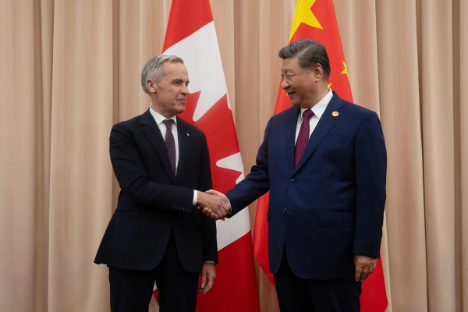
China and Canada reset ties and increase trade
Canada’s prime minister, Mark Carney, hailed a “new strategic partnership” with China as he held talks in Beijing with President Xi Jinping, in the first visit to China by a Canadian leader in eight years. The two leaders announced that Canada and China had reached a preliminary trade deal aimed at reducing tariffs, investment in energy, and a commitment to import 49,000 electric vehicles from China at preferential rates. Until recently, for almost a decade, Canada and China had been locked in diplomatic tensions after retaliatory arrests of each other’s citizens and a series of trade disputes. Though as both have faced uncertainty from their largest trading partner, the United States, the two countries are now seeking to forge a path bi-laterally, independent of the United States. Carney himself described the trade deal as a recognition of operating in a “new world order”.
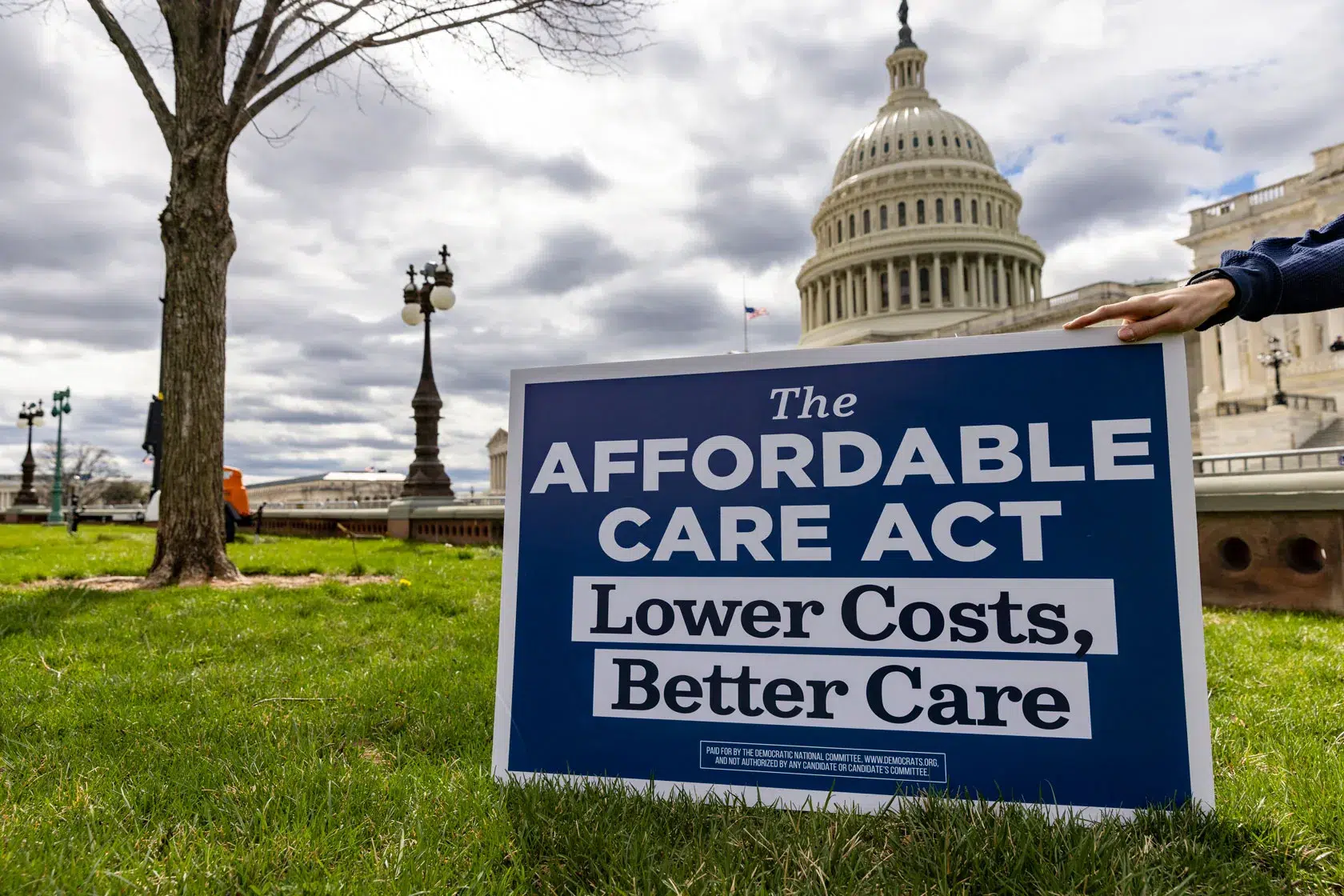
Impacts of the Expiration of the Affordable Care Act
Health & Gender Brief #183 | Naja Barnes | January 14th, 2026
The Affordable Care Act (ACA) (also known as Obamacare) was signed into law by President Obama on March 23, 2010. The ACA aimed to make healthcare more affordable to more people, expand Medicaid to individuals with incomes below 138% of the federal poverty level, and for private health insurance, prohibit insurers from denying coverage due to preexisting health conditions and from denying coverage to people.
The ACA’s Premium Tax Credit (PTC) is a refundable credit that helps people to cover the premiums for their health insurance, which helps to lower health insurance costs for those enrolled in Marketplace insurance. The PTC was increased in 2021 and was set to expire at the end of 2025. However, on January 8th, 2026, the U.S. House of Representatives passed legislation to extend the enhanced Affordable Care Act PTC for three years. The Senate has yet to confirm the House’s legislation. With its future not yet decided, this raises the question of what possible impacts the expiration of the ACA’s enhanced premium tax subsidies could have on Americans and healthcare systems.
Analysis
The ACA enhanced PTC’s goal was to make health insurance more affordable and accessible, but its possible expiration would do the complete opposite.
The expiration may negatively affect Americans’ health and create more of a financial burden by leading to higher health insurance premiums for millions of Americans who are self-employed, do not qualify for Medicare or Medicaid, and whose jobs do not offer health insurance. Those enrolled in the ACA program will start to see their premium costs increase, to where some may choose altogether to go without health insurance because they can no longer afford it. This outcome will further affect Americans by creating more financial burden if unforeseen health problems arise and they are forced to pay the full price of their medical bills. Health problems may arise or worsen, as one may neglect getting treated due to the lack of health insurance and the finances to go to the hospital. People who need insulin and other medications may no longer be able to afford the lifesaving medication needed, as there would be a risk of losing coverage.
Healthcare systems will suffer with the looming expiration of the enhanced Affordable Care Act PTC. People will not just stop going to the hospitals, but they might refuse or be unable to pay, which creates a financial strain and leads to closures. This may affect rural hospitals and healthcare systems more because rural communities have higher rates of poverty and people with lower incomes than urban areas. Due to the financial strain, job losses may occur, leading to hospitals being understaffed and staffers being overworked.
Conclusion
The enhanced Affordable Care Act Premium Tax Credit Program was set to expire at the end of 2025, but may continue for three more years if decided by the Senate. If it does not continue, many Americans and hospitals will be negatively impacted due to the financial hardships and possible health concerns that will come with the program’s expiration.
Engagement Resources
- About the Affordable Care Act https://www.hhs.gov/healthcare/about-the-aca/index.html
- The Affordable Care Act 101 https://www.kff.org/affordable-care-act/health-policy-101-the-affordable-care-act/?entry=table-of-contents-what-did-the-aca-change-about-health-coverage-in-the-u-s
- Health subsidies expire, launching millions of Americans into 2026 with steep insurance hikes https://www.pbs.org/newshour/health/health-subsidies-expire-launching-millions-of-americans-into-2026-with-steep-insurance-hikes
- Five Key Facts About Medicaid Coverage for People Living in Rural Areas https://www.kff.org/medicaid/5-key-facts-about-medicaid-coverage-for-people-living-in-rural-areas/

ICE and excessive use of force
Social Justice Policy Brief #185 | Maya Woods | January 13, 2026
Earlier this month, the state of Minnesota made national and international headlines when Minneapolis resident and U.S. citizen, Renee Nicole Good, was fatally shot by an ICE officer while attempting to leave an area she was overseeing as a legal observer. Officer Jonathan Ross, who has an extensive background in ICE, the armed forces, border patrol, and law enforcement, was identified as the shooter, who shot Good three times through her open car window at point blank range. Although we are still waiting for more details and a potential trial, as well as input from the FBI, Vice President JD Vance has suggested that Ross is “protected by absolute immunity,” and that “he was doing his job” when shooting Good at point blank range while she attempted to drive away from the officers.
The day after the shooting, federal authorities declared the state of Minnesota had no jurisdiction to investigate the shooting, a move that has sparked legal controversy. The jurisdiction of the case has invited controversy elsewhere, as at least six top members of a Justice Department unit that investigates police killings resigned in protest after the Assistant Attorney General for Civil Rights, Harmeet Dhillon, declined to investigate the shooting. In the aftermath of the shooting, the Justice Department said there is “currently no basis” to start a criminal investigation, prompting local prosecutors to challenge the Trump administration directly.
Policy analysis: DHS Use of Force policies
Excessive use of force has been brought up as the story continues to unfold and more details come to light. The Department of Homeland Security’s Use of Force policies were last updated in 2022, and state that DHS LEOs (law enforcement officers) are allowed to use deadly force “only when necessary, that is, when the LEO has reasonable belief that that the subject of such force poses an imminent threat of death or serious bodily injury to the LEO or others.”
On the topic of “reasonableness,” the DHS derives the threshold for use of force from the Fourth Amendment, which protects privacy and limits overreaches of government power. The DHS’s use of force policy references the 1989 Graham v. Connor case which first tested this application, when discussing reasonableness.
Graham v. Connor
In 1989, a diabetic man had a friend drive him to a convenience store to purchase orange juice. The man was spotted by a police officer, who initiated an investigative stop, resulting in Graham being handcuffed and sustaining injuries while trying to explain his condition. The Supreme Court ruled that use of force in such encounters must be held up to the reasonableness standard to which LEOs are held to today, due to the Fourth Amendment’s protection against illegal search and seizure.
Today’s “reasonableness”
It is worth noting that the reasonableness standard established by Graham v. Connor is subjective and, especially in high-profile cases like Good’s death, is applied on a case-by-case basis. The concept of what is reasonable under the current administration is also likely much less reasonable than in the past. Following Good’s death, Secretary of Homeland Security Kristi Noem stated that Good “proceeded to weaponize her vehicle… The ICE officer, fearing for his life, and the other officers around him… fired defensive shots. He used his training to save his own life and that of his colleagues.” Additionally, the DHS has labeled Good’s actions as an “act of domestic terrorism,” and Good an “Anti-ICE rioter,” while Noem and other high-profile politicians have called Good a “domestic terrorist.” This commentary, in addition to the White House’s recent reframing of the January 6th Capitol riots, indicates attempts from the White House to influence public perception and memory on such matters.
Perception, of course, does not impact what really happened. Videos of the incidents have been circulated, and there was a crowd of witnesses present when Good was shot, and she appeared to be driving away from Jonathan Ross rather than weaponizing her vehicle. Vehicles, of course, can be used as weapons in confrontations with law enforcement, and it’s important that LEOs protect themselves against such threats. But video evidence shows that Ross stepped in front of Good’s car as she was trying to flee another ICE officer (likely illegally) trying to force entry into her car. Despite Ross’s dangerous positioning, he nonetheless had time to jump away from Good’s slowly moving car, leaving several feet of room between himself and Good’s car, as she was steering away from him.
Furthermore, in situations where a driver is weaponizing their vehicle, killing the driver willlikely not make that situation any safer, as the vehicle then becomes rogue, as was evidenced by Good’s car slamming into other parked cars in the neighborhood after she was shot. Had other cars not been in her car’s path, the car could have very easily struck an officer or civilian.That’s why in these situations, shooting the tires and disabling the vehicle is a much safer means of stopping an individual in a vehicle, whether they are weaponizing it or not. And regardless of whether or not the vehicle in question was being weaponized, it’s hard to fathom a situation in which a LEO would be justified using deadly force in what would, in any other situation, be viewed as a routine traffic stop. It’s also perfectly reasonable for a woman to quickly drive away from masked men approaching her car.
However, the White House’s attempt to reinterpret the case is concerning, especially given the subjectiveness of the reasonableness standard when it comes to justifying use of force. The FBI is currently investigating the case, and it is unclear what will happen next. But the agency’s input, along with any ensuing legal rulings, will likely shape interpretations of reasonableness in the future, and certainly during a Trump presidency.

Watching their home go up in smoke: the indigenous of the Amazon ( Environment Policy Brief #187)
Environment Policy Brief #187 | Todd J. Broadman | January 6, 2026
POLICY
The Amazon rainforest is rapidly degrading. The ecological functions of the rainforest such as absorbing greenhouse gases and releasing oxygen into the atmosphere are diminishing as the size of the rainforest shrinks. Global precipitation patterns depend upon the Amazon’s unique location on the planet. The diversity of plant life in the Amazon constitutes about a quarter of the globe’s stock of carbon biomass. There are 80,000 species of plants.
The degradation of this vital system is primarily due to deforestation, and behind the deforestation is agribusiness and organized crime. Climate scientists and biologists characterize the condition of the forest today as “very, very serious.” If deforestation reaches 20 – 25% there is likely to be a tipping point. At present, deforestation is at 18%. Once the tipping point is reached, a rapid acceleration of deforestation is forecasted with some scientists estimating up to a 70% habitat loss. Global carbon will then rise dramatically as will global temperatures.
As witnessed and recorded by MapBiomas Fire Monitor, the burning of the Amazon was accelerated between January and October 2025. 7.5 million acres (3 million hectares) went up in carbon smoke, an area 39 times the land area of New York City. This was actually a year-over-year decrease due to local and regional firefighting efforts, yet even this progress is fragile. In 2024, an area the size of California was transformed to cinder and ash. These fires destroyed biomass, species habitat, and tribal territory not only in Brazil, but also in Peru, Colombia, and Ecuador.
The government of Brazil is the primary player in the effort to protect the Amazon. Brazil’s President Luiz Inácio Lula da Silva spoke in November of this year about their intentions at COP30 in Belem, Brazil. He said, “We have recorded the lowest deforestation rate in the Amazon in 11 years. Our commitment is to restore 40 million hectares of degraded pastureland over the next decade. But the forest is not made up solely of fauna and flora — around 50 million people live in the Amazon region of South America.” The actions he touched on were financing and the community-led securing of land rights for Indigenous Peoples. In terms of financing, he lent his support for the $125 billion-dollar Tropical Forests Forever Fund (TFFF).
On top of the continuing threats posed by man-made fires, large portions of the Amazon are experiencing drought – four severe droughts over the last two decades. Lakes are drying up and waters that remain are turning into “steaming cauldrons,” according to hydrologist Ayan Fleischmann. He and his team have investigated the many dolphins that are now dead and dying on Lake Tefe. The water temperature there was recorded at 106 degrees Fahrenheit (41 degrees Celsius).
Man-made fire is tied to industrial agriculture, cattle ranching and farming in particular. Land is burned as a method of clearing vast stretches to accommodate cattle. Beef production along with the sales and profits that result are the primary drivers. There is a single company, JBS, based in Brazil, that dominates the meat supply chain. They purchase cattle raised by over 40,000 independent ranchers and have a stated policy that all cattle are to be bought from “deforestation-free” ranches. “They say this is going to be implemented,” one rancher observed, “and I’d say straight away: that’s impossible.” JBS does have a network of “green offices” which advise ranchers on how to comply with their rules which includes the planting of trees on previously deforested land. The Bezos Earth Fund has contributed to this process of mobilizing livestock farmers to commit to not lighting existing rainforest land on fire. One of the many hurdles with compliance is that a significant portion of Amazon land used for ranching has been taken by force. These independent ranchers must also utilize ear trackers on cattle and satellite internet connectivity to verify compliance. A practice of “cattle laundering” is commonly used to make it appear that environmental regulations are followed.
ANALYSIS
In addition to industry, drug cartels and organized crime have a significant and growing presence in the Amazon, and is worth an estimated $280 billion dollars. Criminals in the jungle live by their own laws in their pursuit of wealth. They have established 31 airstrips, 13 of which are within indigenous lands. There are hit men that routinely kill those who oppose their efforts, including tribal members. In addition to being responsible for deforestation, the criminal gangs use mercury in their illegal mining operations. They perpetrate sexual violence and drug trafficking among the Amazon’s remaining native tribes including the Yanomami.
For the U.S.’s part in trying to contain Amazon deforestation, there continue to be minor contributions made to the Amazon Fund, created in 2008 by Brazil’s National Bank for Economic and Social Development (BNDES). The Amazon Fund’s mission is to promote sustainable use of the rainforest. That contribution from the U.S. is expected to end soon in line with President Trump’s elimination of USAID, a key partner for this program. We can expect no further participation from the Trump administration in any global climate-related conventions; there was no U.S. delegation at COP30. U.S. based NGOs such as Amazon Watch and the Rainforest Foundation will continue to campaign for Amazon’s protection.
One hopeful financing mechanism introduced at COP30 is The Tropical Forests Forever Facility (TFFF). The initiative aims to raise $125 billion to be paid as a kind of carrot to those countries (Brazil in particular) who keep their tropical forests intact. Payments are made based upon the number of hectares of preserved forest cover. Tropical forests areas will be monitored and verified through satellite technology. 20% of TFFF funding is to be allocated to indigenous tribes.
While governments and industries of the developed world go to battle over the bounty of the Amazon, the land has been home to millions of native peoples for millennia. Perhaps this is the strongest argument for its preservation: the relationship between indigenous tribes and the forest biome they call home. There are about 350 ethnic groups with an aggregate of around 2.7 million people who call the Amazon home. 60 of those ethnic groups have little or no contact with outsiders. For them, deforestation is the painful process of removing their identities. Likewise, native communities are and will continue to be the most faithful stewards of their ancestral lands.
Engagement Resources:
- https://amazonaid.org/ envisions an Amazon free of destructive mining practices where people have access to safe, dignified livelihoods and ecosystems thrive.
- https://mongabay.org/ is an independent, nonprofit media organization reporting on nature and planetary challenges with a global network of local journalists.
- https://amazonwatch.org/ protects the rainforest and advance the rights of Indigenous peoples in the Amazon Basin.

Misogyny and Abuse Are Thriving Online (Technology Policy Brief #162)
Technology Policy Brief #162 | Mindy Spatt | January 8, 2026
Summary:
Two new reports document the alarming rise of online violence against women and girls. Sex trafficking, sexualized images, and stalking and exploitation online are nothing new. But Artificial Intelligence has exacerbated the problem. Deepfakes almost exclusively target women; in fact, some of the technology used to create them, developed by mostly male teams, only works on female forms.
Analysis:
AI-facilitated violence against women refers to acts of digital abuse generated and spread by online technologies that result in physical, sexual, psychological, social, political, or economic harm, or otherwise infringe on women’s rights.
According to a recent Organization of American States report on gender-based violence online, women are disproportionately victimized by cyber violence as compared to men. The report cites a long list of forms this violence can take, including:
- Non-consensual creation and distribution of photos and videos of a sexual or intimate nature
- Unauthorized publication of private information
- Impersonation and identity theft
- Surveillance and monitoring
- Cyberstalking
- Direct threats of harm or violence
- Technology-facilitated physical violence
- Abuse, exploitation, and trafficking of women and girls.
- Attacks on women’s groups, organizations, or communities
The report acknowledges that, of course, gender-based discrimination and violence against women are nothing new and are connected to, rather than separate from, violence offline. But gender based abuse is flourishing on the Internet, especially through AI-generated deepfakes.
Journalists, human rights workers, and activists are especially at risk, according to a report developed by the United Nations Entity for Gender Equality and the Empowerment of Women (UN Women), a part of the Advocacy, Coalition Building and Transformative Feminist Action (ACT) to End Violence Against Women Programme funded by the European Union.
It found that a whopping 70% of women working in the fields of human rights, activism, and journalism surveyed had experienced online violence related to their work. The survey defined technology-facilitated violence against women as any act committed, assisted, aggravated, or amplified through the use of information technologies or digital tools resulting in or likely to result in physical, sexual, psychological, social, political, or economic harm. “These are forms of violence that are directed against women because they are women and/or that affect women disproportionately,” note the authors.
The mainstreaming of generative AI tools threatens to “supercharge” the risks of online violence to women in public life by making it easier and cheaper to produce and distribute abusive content.
Like the OAS report, the UN report ties online violence to physical violence. Forty-one percent of respondents in the UN survey reported experiencing physical harm along with online harassment, including assault, stalking, swatting, and verbal harassment.
Laura Bates, an author and activist in Great Britain, has been a victim. Bates runs a website called Everyday Sexism, “an ever-increasing collection of over 200,000 testimonies of gender inequality.” She is the author of many books on sexism and misogyny, including Men Who Hate Women: From Incels to Pickup Artists, The Truth About Extreme Misogyny, and How It Affects Us All. After its publication, she told an interviewer on National Public Radio that she received death threats daily, some days as many as 200, and was subjected to pornographic and abusive deepfake videos using her likeness.
Some governments are taking action. In Denmark, authorities are attempting to clamp down on deepfakes with changes to copyright laws that ensure that every person has the right to their own body, facial features, and voice. Strengthened protections give Danes the right to demand that online platforms remove content posted without their consent.
Peru has already changed its Criminal Code to include harassment, sexual harassment, sexual blackmail, and dissemination of images, audiovisual materials, or audios with sexual content, and countries including Bolivia, Brazil, and Nicaragua have established national police cybercrime divisions.
Women’s organizations are also fighting back; some are listed below.
Engagement Resources:
The Coalition Against Online Violence is a collection of global organizations working to find better solutions for women journalists facing online abuse, harassment, and other forms of digital attack.
https://onlineviolenceresponsehub.org
The Everyday Sexism Project, https://everydaysexism.com
Julie Posetti, Lea Hellmueller, Kaylee Williams, Pauline Renaud, Nermine Aboulez, and Nabeelah Shabbir, Tipping Point:The Chilling Escalation Of Online Violence Against Women In The Public Sphere, New York, December 2025. https://www.unwomen.org/sites/default/files/2025-12/tipping-point-the-chilling-escalation-of-violence-against-women-in-the-public-sphere-in-the-age-of-ai-en.pdf
FAQs: AI-Powered Online Abuse: How AI Is Amplifying Violence Against Women And What Can Stop It, November 2025
Online Gender-Based Violence Against Women and Girls: Guide of Basic Concepts, https://www.oas.org/en/sms/cicte/docs/Guide-basic-concepts-Online-gender-based-violence-against-women-and-girls.pdf

FTC Escalates Enforcement Against Algorithmic Discrimination in Hiring and Credit Systems (Technology Policy Brief #162)
Technology Policy Brief #162 | Jason Collins | December 30, 2025
Summary
In 2025, the Federal Trade Commission (FTC) signaled that it would use existing federal law to address algorithmic discrimination in automated decision-making services regarding hiring, lending, and tenant screening. Some tech companies argue that the FTC is overreaching in the absence of explicit AI laws. The FTC’s push highlights how federal agencies are reshaping AI governance on a case-by-case basis rather than implementing broad new laws.
Analysis
Currently, no federal legislation explicitly governs the use of AI across all sectors in the U.S. Still, the FTC has invoked its authority under statutes such as Section 5 of the FTC Act, the Equal Credit Opportunity Act (ECOA), and the Fair Credit Reporting Act (FCRA).
In a joint statement with the Consumer Financial Protection Bureau, the Justice Department’s Civil Rights Division and the Equal Employment Opportunity Commission, the FTC said, “Private and public entities use these systems to make critical decisions that impact individuals’ rights and opportunities, including fair and equal access to a job, housing, credit opportunities, and other goods and services,” but added, “Although many of these tools offer the promise of advancement, their use also has the potential to perpetuate unlawful bias, automate unlawful discrimination, and produce other harmful outcomes.”
Together, these agencies have signaled that they will hold companies accountable where automated systems harm workers and consumers.
The FTC has maintained that existing legal authorities apply to those automated systems. In late September last year, the FTC announced Operation AI Comply, which included five law enforcement actions against operations that use AI hype or sell AI technology that can be used in deceptive and unfair ways.
In public guidance, the FTC outlined a roadmap for companies using AI to comply. Companies are expected to:
- Test their algorithms
- Be honest with customers about how and why their data is being used
- Be transparent about the AI frameworks
Throughout 2025, the FTC has brought multiple new cases involving companies like Ryter, in which the agency ultimately found no Section 5 violation. This case shows that the FTC continues to enforce its policies on a case-by-case basis.
In response to the FTC’s heightened scrutiny, some tech companies raised concerns about how far enforcement policy could go before stifling innovation. During a panel at CES 2025, current and former FTC Commissioners, including Christine Wilson and Julie Brill, sat together to examine the FTC’s role in AI oversight and in unfair and deceptive acts or practices (UDAP).
During the panel, it became clear there were two schools of thought: that the FTC should act to prevent new technologies that bring new risks, and that excessive enforcement could discourage technological advancement. However, the answer is still unclear, as no new policies or federal AI laws have been implemented yet.
The FTC is adopting a case-by-case approach to ensure fairness rather than sweeping AI regulation and seeks to fill the gaps in existing frameworks. This means that companies deploying automated decision-making systems can no longer rely on those gaps for protection.
Engagement Resources

Connecticut (2026 Democratic Primary Preview Series Brief #5)
Brief #5 | Morgan Davidson | 12/30/2025
Connecticut, known as the Constitution State, will feature five U.S. House races in 2026, with no U.S. Senate contests on the ballot. Both of the state’s U.S. Senators, Richard Blumenthal and Chris Murphy, are midway through their six-year terms, having last been elected in 2022 and 2024, respectively.
On the House side, Connecticut’s current Democratic delegation consists of:
- District 1: John Larson
- District 2: Joe Courtney
- District 3: Rosa DeLauro
- District 4: Jim Himes
- District 5: Jahana Hayes
All five Democratic incumbents are expected to seek reelection in 2026. Connecticut remains one of the most reliably Democratic states in the country, with all seven members of its congressional delegation affiliated with the Democratic Party.
Looking district by district, each incumbent enters the cycle in a strong position. All five representatives benefit from the incumbency advantage, and none faced a truly competitive general election in 2024. The narrowest margin among them was approximately 53.4 percent, underscoring the relative safety of these seats even in less favorable electoral environments.
Heading into 2026, national conditions appear increasingly favorable for Democrats. Republicans are projected to underperform their 2024 vote share amid voter backlash to tariff-driven cost increases, broader inflationary pressures, and declining approval of the current presidential administration. Against that backdrop, Connecticut Democrats are well positioned to retain full control of the state’s House delegation, with few signs of serious general-election vulnerability.
Taken together, Connecticut’s five congressional districts reflect a state where Democratic strength is built through multiple, reinforcing coalitions rather than reliance on a single voter base. Urban centers such as Hartford and New Haven anchor the delegation through racially diverse, union-heavy, and progressive constituencies, while suburban and exurban districts in Fairfield County and northwestern Connecticut have shifted steadily toward Democrats amid broader trends among college-educated and professional voters. Even in the state’s more rural eastern and western regions, labor influence, defense-related employment, and demographic change have eroded traditional Republican advantages. As a result, each district enters the 2026 cycle with distinct local characteristics but a shared structural tilt that continues to favor Democratic candidates statewide. The primaries will take place on August 11th of 2026, followed by the General election on November 3rd.
District 1
John Larson:
Rep. Larson is the incumbent Democrat for CT 1. The former History teacher/football coach entered politics in the 80s & has been in his current seat for the past 27 years. As a senior member of Congress, Larson serves on the Ways and Means Committee and wields significant influence in the House. Over his career, Larson has played a central role in landmark legislation on healthcare, labor rights, gun safety, voting rights, climate policy, and Social Security reform, while delivering billions in federal funding to his district. Known as a consensus builder, he remains one of Connecticut’s most experienced and influential Democratic lawmakers.
Platform Priorities
- Social Security & seniors: Protecting and expanding Social Security benefits; lowering prescription drug costs through Medicare negotiation.
- Healthcare access: Defending and building on the Affordable Care Act; lowering out-of-pocket costs for working families.
- Labor & economic security: Strong support for unions, workplace protections, and middle-class wage growth.
- Gun violence prevention: Expanded background checks and federal gun safety reforms.
- Climate & clean energy: Investment in renewable energy, emissions reduction, and green manufacturing.
Voter & Donor Support
Larson’s base includes union households, seniors, public-sector workers, and communities of color in Greater Hartford. He benefits from deep institutional support within the Democratic Party, strong labor backing, and a long-established donor network tied to healthcare, education, and organized labor.
Why He Might Win
- Deep incumbency advantage with decades of constituent service.
- National influence through leadership on Ways and Means and Social Security.
- Strong alignment with district demographics and policy priorities.
Why He Might Lose
- Primary fatigue or generational change pressures.
- Voter desire for new leadership, though no serious challenger has emerged.
Key Election Variables
- Whether a credible Democratic primary challenger materializes.
- Senior voter turnout.
- National Democratic enthusiasm in a midterm cycle.
Electoral Odds:
General: Very low risk
Primary: Low risk, but non-zero due to tenure length
Those challenging Larson include Luke Bronin, Ruth Fortune, & Jillian Gilchrest. At one point, there were five total challengers, with one dropping out in December, underscoring the challenge of unseating Larson.
Luke Bronin
Luke Bronin is a former two-term mayor of Hartford, serving from 2016 to 2024, where he led the city through a period of fiscal stabilization, major housing investment, and the COVID-19 pandemic. As mayor, Bronin played a central role in averting municipal bankruptcy, expanding affordable housing, launching the nationally recognized Hartford Youth Service Corps, and prioritizing public safety. A Rhodes Scholar, he previously served as a Navy intelligence officer in Afghanistan on an anti-corruption task force and held senior roles in the Obama administration’s Treasury Department, including work on the creation of the Consumer Financial Protection Bureau and efforts to combat terrorist financing. Earlier in his career, he served as General Counsel to former Governor Dannel Malloy, helping advance gun safety legislation, clean energy initiatives, and veteran homelessness reduction efforts.
Platform Priorities
- Cost of living relief: Lowering housing, healthcare, and energy costs for middle- and working-class families.
- Housing affordability: Federal investment in affordable housing supply and tenant protections.
- Climate action: Accelerated transition to clean energy and emissions reduction.
- Rule of law & anti-corruption: Protecting democratic institutions and accountability in government.
- Middle-class economic policy: Tax and financial reforms that limit advantages for the wealthiest households.
Voter & Donor Support
Bronin’s natural base includes Hartford-area Democrats, policy-oriented voters, younger professionals, and supporters drawn to executive experience and technocratic governance. His background in federal finance and municipal management positions him well with institutional donors, national Democratic networks, and reform-oriented contributors. However, he lacks the deep labor and senior-voter ties that have long anchored the district’s incumbent coalition.
Why He Might Win
- Executive leadership experience at both municipal and federal levels.
- Strong résumé on fiscal management, housing, and governance reform.
- Appeals to voters seeking generational change or a post-incumbent transition.
- Ability to frame the race around future-oriented leadership rather than seniority.
Why He Might Lose
- Challenging a deeply entrenched incumbent with decades of constituent relationships.
- Lower name recognition outside Greater Hartford.
- Potential skepticism from labor and older voters loyal to existing representation.
- Risk of the primary electorate prioritizing seniority and congressional influence.
Key Election Variables
- Whether Democratic primary voters prioritize experience and continuity versus renewal.
- Bronin’s ability to consolidate progressive, reform-minded, and younger voters.
- Fundraising performance relative to the incumbent.
- Turnout levels in Hartford versus surrounding suburban towns.
Electoral Odds
- Primary: Low to moderate – viable challenger, but uphill against a well-established incumbent.
- General: High – District 1 remains overwhelmingly Democratic regardless of the nominee.
Ruth Fortune
Ruth Fortune is an attorney, mother, and immigrant-rights advocate whose personal story anchors her candidacy for Congress. She immigrated to the United States as an undocumented child and later built a professional career in law, framing her journey as an example of upward mobility achieved through perseverance and public investment. Fortune is running on a message centered on expanding opportunity for working families, strengthening democratic institutions, and ensuring that constitutional rights are protected for all residents, regardless of background.
Platform Priorities
- Economic equity: An economy that works for working- and middle-class families, not just top earners.
- Public education: Investment in quality public schools and equitable access to educational opportunity.
- Immigration & civil rights: Protecting immigrant communities and defending constitutional freedoms.
- Democratic norms: Opposition to authoritarian governance and defense of democratic institutions.
- Social justice: Policies aimed at reducing systemic inequality and expanding opportunity.
Voter & Donor Support
Fortune’s natural base includes progressive activists, immigrant communities, younger voters, and Democrats motivated by lived-experience representation. Her support network is more grassroots-oriented, with strength among small-dollar donors and advocacy-driven organizations rather than institutional or corporate donors.
Why She Might Win
- Compelling personal narrative that resonates with voters seeking descriptive representation.
- Strong alignment with progressive values in urban parts of the district.
- Ability to mobilize grassroots enthusiasm in a low-turnout primary.
- Clear contrast with long-tenured incumbents on generational and experiential grounds.
Why She Might Lose
- Limited name recognition beyond activist and progressive circles.
- Fundraising disadvantages relative to both incumbents and better-connected challengers.
- Difficulty expanding appeal to older, labor-aligned, and institutional Democratic voters.
- Structural challenge of unseating an entrenched incumbent in a safe Democratic seat.
Key Election Variables
- Progressive turnout levels in Hartford and surrounding urban communities.
- Ability to convert grassroots enthusiasm into sustained field operations.
- Whether the primary electorate is motivated by change versus continuity.
- Fundraising viability through the early and mid stages of the campaign.
Electoral Odds
- Primary: Low — credible values-based challenge, but structurally disadvantaged.
- General: High — the district is safely Democratic regardless of nominee.
Jillian Gilchrest
Jillian Gilchrest is a four-term Connecticut State Representative, social worker, and mother who has built her political career around translating community needs into legislative outcomes. In the state legislature, she has focused on policies affecting working families, healthcare access, and reproductive rights, and currently serves as Chair of the Human Services Committee. Gilchrest’s campaign emphasizes a people-first approach to governance, rooted in direct constituent engagement and a rejection of special-interest influence.
Platform Priorities
- Reproductive freedom: Protecting and expanding access to abortion and reproductive healthcare.
- Healthcare affordability: Lowering healthcare costs and expanding access to care.
- Working families: Paid family and medical leave, childcare support, and economic security.
- Human services: Strengthening safety-net programs and social services.
- Progressive governance: Centering constituent voices in policymaking over corporate interests.
Voter & Donor Support
Gilchrest’s base includes progressive Democrats, women voters, healthcare and social-service professionals, and constituents familiar with her legislative work. She is well-positioned to attract support from advocacy organizations focused on reproductive rights and family policy, as well as small- to mid-level donors aligned with progressive causes. Her state-level visibility provides a stronger institutional foundation than that of first-time challengers, though it is still well short of incumbent-scale networks.
Why She Might Win
- Proven legislative record with tangible policy wins.
- Clear alignment with progressive priorities in an urban, Democratic district.
- Ability to consolidate voters seeking both experience and generational change.
- Strong credibility on healthcare and family-focused policy.
Why She Might Lose
- Competing against a long-tenured incumbent with deep district ties.
- Risk of progressive vote fragmentation among multiple challengers.
- Fundraising gap relative to the incumbent.
- Difficulty expanding name recognition beyond her state legislative base.
Key Election Variables
- Whether progressive challengers consolidate or split the anti-incumbent vote.
- Turnout among women, younger voters, and urban Democrats.
- Endorsements from major advocacy or labor organizations.
- Fundraising momentum early in the primary.
Electoral Odds
- Primary: Low to moderate- stronger than a purely grassroots challenger, but still uphill.
- General: High- the district is safely Democratic regardless of the nominee.
District 2 – Joe Courtney
Joe Courtney has represented Connecticut’s Second Congressional District since 2007 and is a senior member of the U.S. House with deep influence on defense, veterans, and workforce policy. He serves on the House Armed Services Committee and the House Committee on Education and the Workforce, and is the Ranking Member of the Armed Services Subcommittee on Seapower and Projection Forces. Courtney has played a central role in securing long-term investment in submarine production and naval infrastructure, supporting thousands of defense-sector jobs in eastern Connecticut and strengthening the region’s military presence. A longtime advocate for veterans, farmers, and working families, he previously served in the Connecticut General Assembly and is known for his bipartisan approach and sustained focus on constituent-driven economic and national security priorities.
Platform Priorities
- Veterans and military families, defense-sector employment.
- Labor protections and infrastructure investment.
- Healthcare access and rural economic development.
Voter & Donor Support
Courtney draws strong backing from labor unions, defense-industry workers tied to Electric Boat, veterans, and older voters across eastern Connecticut.
Why He Might Win
- Longstanding ties to working-class and defense communities.
- Consistent record on jobs and veterans’ issues.
Why He Might Lose
- The district remains more politically mixed than others.
- National Republican overperformance in rural areas.
Key Election Variables
- Turnout in New London and Windham Counties.
- National security and defense spending debates.
General: High but more contested. If Republicans have a shot it may be this district but national tides should favor the Dems & the incumbent here.
Primary: High- incumbency should seal this but the challenger is of quality.
Kyle Gauck
Kyle Gauck is an Army veteran, business-minded Democrat, and father running for Congress in Connecticut’s Second District. He enlisted in the U.S. Army in 2010 and served as a specialist with the 5th Special Forces Group, deploying to the Kuwait–Iraq border in 2013. Following his military service, Gauck built a professional background spanning aerospace defense, business, and creative industries, and is currently pursuing an MBA at the University of Connecticut. Living in eastern Connecticut with his wife and two daughters, Gauck frames his candidacy around service, integrity, and practical leadership rooted in both military experience and private-sector problem solving.
Platform Priorities
- Healthcare access: Protecting and expanding the ACA, Medicare, and Medicaid; lowering premiums and out-of-pocket costs; expanding telehealth and rural healthcare infrastructure.
- Veterans’ services: Fully funding the VA, streamlining claims, expanding mental health and suicide prevention services, and increasing housing and job-training support.
- Reproductive freedom & LGBTQ+ rights: Federal protection for abortion access, support for gender-affirming care, and passage of the Equality Act.
- Government accountability: Congressional term limits and a ban on stock trading by members of Congress.
- Rural investment: Broadband expansion, support for rural hospitals, and economic development across eastern Connecticut.
Voter & Donor Support
Gauck’s natural base includes veterans, younger voters, healthcare-focused Democrats, and reform-oriented constituents skeptical of career politicians. His campaign is positioned toward grassroots and small-dollar donors, with limited evidence of institutional or major-donor backing at this stage. His military background may resonate across partisan lines, particularly in veteran-heavy communities within the district.
Why He Might Win
- Military service provides credibility on national security and veterans’ issues.
- Clear reform message on healthcare, accountability, and term limits.
- Potential appeal to voters seeking outsider or nontraditional candidates.
- Ability to connect healthcare access to rural and working-class concerns.
Why He Might Lose
- Running against a well-established incumbent with deep district ties.
- Limited name recognition beyond early supporters.
- Fundraising and campaign infrastructure remain unproven.
- District’s Democratic electorate has historically favored experience and seniority.
Key Election Variables
- Veteran and rural voter turnout in eastern Connecticut.
- Gauck’s ability to translate grassroots enthusiasm into sustained fundraising.
- Whether accountability and reform messaging gains traction in a low-profile primary.
- Incumbent strength and absence of broader anti-incumbent sentiment.
Electoral Odds
- Primary: Low- credible message, but significant structural disadvantages vs an incumbent.
- General: High the district should remain Democratic regardless of nominee.
District 3
Rosa DeLauro
Rosa DeLauro has represented Connecticut’s Third Congressional District since 1991 and is one of the most senior and influential Democrats in the U.S. House. She serves as Ranking Member of the House Appropriations Committee and the Labor, Health and Human Services, and Education Appropriations Subcommittee, giving her direct oversight of federal investments in healthcare, education, labor, and biomedical research. Throughout her career, DeLauro has built a national reputation as a leading advocate for working families, championing higher wages, paid leave, child tax credits, food safety, and affordable healthcare while consistently opposing trade agreements that undermine U.S. jobs. A longtime leader within the Democratic caucus and a former executive director of EMILY’s List, a platform to elect pro-choice women to Congress, she remains a central figure in shaping progressive economic and social policy in Congress.
Platform Priorities
- Progressive economic policy and labor rights.
- Public health, food security, and education funding.
- Reproductive rights and LGBTQ+ protections.
Voter & Donor Support
Strong support from progressive voters, labor, healthcare advocates, academics, and New Haven’s diverse urban electorate.
Why She Might Win
- Deeply Democratic district.
- Longstanding progressive credibility.
- Strong name recognition and fundraising base.
Why She Might Lose
- Age and tenure could invite primary challenges.
Key Election Variables
- Progressive turnout.
- Potential generational primary challenger.
Electoral Odds
General: High
Primary: High
Damjan Denoble
Damjan Denoble is a civil rights and immigration attorney, entrepreneur, and father of three running as a Democratic challenger in Connecticut’s Third Congressional District. His family arrived in the United States as refugees from the former Yugoslavia, an experience he cites as foundational to his political identity and commitment to civil liberties and democratic institutions. After graduating during the aftermath of the 2008 financial crisis, Denoble built a career spanning healthcare consulting, international policy work, and journalism, including freelance reporting for Nikkei Asia. Upon returning to the United States, he founded a law firm and the nonprofit FronteraTECH.org, where for more than a decade he has represented immigrant families and workers facing systemic abuse. Denoble frames his candidacy as a response to entrenched political power and argues that long-serving leadership has failed to meet the urgency of current economic, democratic, and environmental challenges.
Platform Priorities
- Universal healthcare: Treating healthcare as a guaranteed right, with expanded coverage and cost controls.
- Affordable housing: Large-scale public investment to address housing shortages and rising rents.
- Democratic reform: Challenging entrenched political power and promoting structural accountability.
- Civil rights & immigration: Strong protections for immigrants, workers, and due process.
- Climate & environmental protection: Aggressive action to protect regional and national environmental interests.
- Constitutional governance: Defending democratic institutions and countering authoritarian movements.
Voter & Donor Support
Denoble’s natural base includes progressive activists, civil rights advocates, immigrant communities, and voters dissatisfied with long-tenured incumbency. His background in nonprofit work and legal advocacy suggests strength among small-dollar donors and issue-driven supporters, while institutional party, labor, and large-donor backing remains uncertain at this stage.
Why He Might Win
- Distinct outsider narrative in a district dominated by long-term incumbency.
- Strong ideological clarity and willingness to challenge party orthodoxy.
- Appeal to voters seeking structural reform rather than incremental change.
- Ability to frame the race around urgency, democracy, and generational transition.
Why He Might Lose
- Running in one of the safest Democratic districts in the country.
- Challenging a nationally influential incumbent with deep institutional support.
- Messaging may resonate strongly with a narrow but intense electorate rather than the broader primary base.
- Limited evidence of a scalable fundraising or field operation.
Key Election Variables
- Progressive and anti-incumbent turnout in New Haven and surrounding communities.
- Whether voters prioritize seniority and committee power over reform-oriented messaging.
- Denoble’s ability to convert philosophical critique into concrete electoral organization.
- Presence or absence of additional challengers fragmenting reform-minded voters.
Electoral Odds
- Primary: Low- ideologically distinct but structurally disadvantaged.
- General: High- District 3 is safely Democratic regardless of nominee.
Andrew Rice
Andrew Rice is a first-time Democratic candidate, molecular biologist, and member of the Democratic Socialists of America running to challenge Rep. Rosa DeLauro in Connecticut’s Third Congressional District. A University of Connecticut graduate living in Milford, Rice left his job in the biotech sector to campaign full-time, arguing that his scientific work ultimately served corporate interests rather than the public good. He frames his candidacy as a generational and ideological challenge to long-serving Democratic leadership, particularly on healthcare and foreign policy.
Platform Priorities
- Medicare for All: Government-run single-payer healthcare.
- Foreign policy shift: Ending U.S. military aid to Israel amid the Gaza conflict.
- Labor reform: A 30-hour workweek.
- Housing policy: Seizing vacant homes held by private equity to expand housing supply.
- Anti-corporate politics: Reducing the influence of corporate money in Democratic policymaking.
Voter & Donor Support
Rice’s support is concentrated among younger left-wing activists, DSA-aligned voters, and issue-driven progressives dissatisfied with incremental reform. He relies primarily on grassroots enthusiasm and small-dollar donations. Institutional Democratic backing and major donor support are effectively nonexistent, and even the Connecticut DSA chapter has not committed to endorsing his campaign.
Why He Might Win
- Clear ideological contrast with the incumbent on healthcare and foreign policy.
- Appeal to a small but motivated segment of progressive voters.
- Ability to force debate on issues party leadership has avoided.
Why He Might Lose
- Running against a nationally respected, deeply entrenched incumbent.
- Minimal name recognition and limited campaign infrastructure.
- Lack of endorsements from major progressive organizations.
- District electorate broadly aligned with the incumbent’s record.
Key Election Variables
- Whether progressive dissatisfaction translates into measurable primary turnout.
- Rice’s ability to qualify for the primary ballot.
- Media attention generated by issue-based confrontations.
- Overall Democratic primary turnout in a safe district.
Electoral Odds
- Primary: Very low- primarily symbolic and issue-driven.
- General: High- District 3 is safely Democratic.
District 4 – Jim Himes
Jim Himes has represented Connecticut’s Fourth Congressional District since 2009 and is currently serving his ninth term in the U.S. House. He is the Ranking Member of the House Permanent Select Committee on Intelligence and serves on the House Financial Services Committee, giving him a central role in national security oversight and economic policy. Raised by a single mother and shaped by years living abroad in Latin America, Himes brings an international perspective to Congress and has focused his legislative work on affordable housing, economic opportunity, and access to quality healthcare and education. Prior to Congress, he worked in finance and led nonprofit efforts to expand affordable, energy-efficient housing, experiences that continue to inform his policy approach and emphasis on pragmatic governance.
Platform Priorities
- Financial regulation and economic stability.
- Suburban cost-of-living concerns.
- National security and democratic institutions.
Voter & Donor Support
Strong backing from college-educated suburban voters, finance-sector donors, and Democratic professionals in Fairfield County.
Why He Might Win
- The district has shifted decisively Democratic.
- Strong alignment with suburban political trends.
Why He Might Lose
- No real reason. There are no primary challengers at this time & no Republican challenger.
Key Election Variables
- Suburban swing voter behavior.
General: High- only challenger is an Independent candidate at the time of writing
Primary: Uncontested
District 5
Jahana Hayes
Jahana Hayes has represented Connecticut’s Fifth Congressional District since 2019 and serves on the House Committee on Education and Workforce and the House Agriculture Committee, where she is Ranking Member of the Subcommittee on Nutrition and Foreign Agriculture. A former public school teacher, Hayes built her career around expanding equitable access to education, healthcare, and economic opportunity, and has focused her legislative work on nutrition policy, labor, veterans’ issues, and gun violence prevention. First elected in 2018, she made history as the first African American woman to represent Connecticut in Congress, bringing a background in education, bipartisan lawmaking, and community advocacy to a diverse district spanning central and northwestern Connecticut.
Platform Priorities
- Education investment and teacher advocacy.
- Healthcare affordability.
- Economic opportunity in mixed urban-rural communities.
Voter & Donor Support
Hayes’s base includes educators, voters of color, and urban Democratic strongholds, with growing support among younger voters.
Why She Might Win
- Strong personal narrative and educational background.
- District trends increasingly Democratic.
Why She Might Lose
- One of the more competitive district in the state.
- Requires consistent turnout in urban cores.
Key Election Variables
- Democratic turnout in Waterbury and Danbury.
- Independent voter swing.
General: High- the state should remain solidly Democratic
Primary: Likely to be unchallenged
Challengers
Hayes has two challengers in Jackson Taddeo-Waite & Winter Solomita but neither have campaign sites, interviews, or any record of donations. Unlike other incumbents in the state, Hayes is young & has not invited the quality challengers members like Larson or Rosa DeLauro who are both over 75.
Engagement Resources:
- Ballotpedia- serves as an initial go to for candidates & races at all levels: https://ballotpedia.org/United_States_House_of_Representatives_elections_in_Connecticut,_2026
- CT Mirror- The CT mirror is a go to resource on Connecticut Politics- https://ctmirror.org/
- Larson on re-election- https://www.youtube.com/watch?v=JT6oYT9sal0&themeRefresh=1
- Luke Bronin on challenging Larson- https://www.youtube.com/watch?v=iMPq-LaemI4
- Ruth Fortune Reel- https://www.facebook.com/RuthFortuneForCongress/videos/1558069945219157/
- Jillian Gilchrest- https://www.instagram.com/reel/DRxeZ2OEkOQ/
- DeLauro on the House floor speaking out against Trump- https://www.youtube.com/watch?v=TFV-oC6pijw
- Damjan Denoble- https://www.youtube.com/shorts/F2GHTYOO_o4
- Damjan Denoble 2040 vision- https://www.instagram.com/reel/DMg0yG5MSoP/