It is no secret that the past two months of Trump’s second term have rattled both American and international societies to their core. Racing out of the gates, the administration has enacted executive orders and taken initial action against those who stand against its policy agenda; these actions are illegal and fundamentally violate the Constitution.
Search Results
Argentinian Resistance: Austerity’s Failures
The Argentinian people have had enough. On 12 March 2025, the people of Buenos Aires took to the street to protests President Javier Milei’s policy of extreme austerity. The protesters showed anger at the weakness of their pension system exposed by these policies. In reaction, the government sent out police; senior citizens and soccer fans were then blasted with firehoses, teargassed, and shot with rubber bullets Ghastly images and videos have emerged of badly wounded protesters voicing their desperation to the riot police.
Immigrants vs. the Trump Administration: Part 2:”First They Came for the Immigrants”: Parallels Between Trump’s Immigration Policies and the Early Rise of Nazi Ideology
Immigrants vs. the Trump Administration: Part 2:"First They Came for the Immigrants": Parallels Between Trump’s Immigration Policies and the Early Rise of Nazi Ideology Immigration #137 | By: Morgan Davidson | November 26, 2024 US RESIST NEWS has asked Morgan...
The Week That Was: Global News In Review
Brief #148 – Foreign Policy Brief
by: Abran C
Global tensions rose as the SCO summit strengthened ties among member nations. Kenya faced domestic unrest over proposed taxes, while Israel’s expansion of West Bank settlements ignited further conflict. Climate change concerns deepened with Hurricane Beryl’s destructive path across the Caribbean and Mexico.
The Week That Was: Global News In Review
Brief #144 – Foreign Policy Brief
by: Abran C
This week’s global news highlights significant events, including the Biden administration’s new asylum ban at the US-Mexico border and Human Rights Watch’s alarming report on mass killings of Ethiopian migrants by Saudi border guards. Additionally, unrest in New Caledonia over French electoral reforms and Haiti’s ongoing crisis under interim Prime Minister Garry Conille draw international attention.
The Week That Was #3
Brief #168 – Foreign Policy
By Abran C
A new series to catch you up on the top stories that occurred around the world last week.
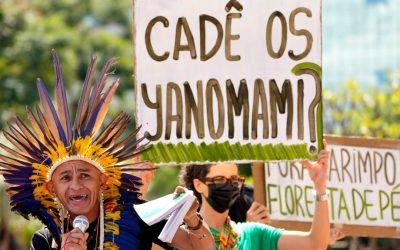
Brazil indigenous genocide | US secretary of state Anthony Bliken visits the Middle East | France protests against raising the retirement age
Supreme Court Passes On Chance To Modify The Qualified Immunity Doctrine
Brief #177 – Civil Rights
By Rodney A. Maggay
In Rivas – Villegas v. Cortesluna, Officer Daniel Rivas – Villegas responded to the scene of a 911 call. Upon arriving at the home he found a mother and her two daughters barricaded in a room trying to hide from the mother’s boyfriend. Ramon Cortesluna, the mother’s boyfriend, was in possession of a chainsaw and was destroying items in the house.
Crime is on the Rise in U.S. Cities: Is there a Plan?
Brief # 19 – Social Justice
By Erika Shannon
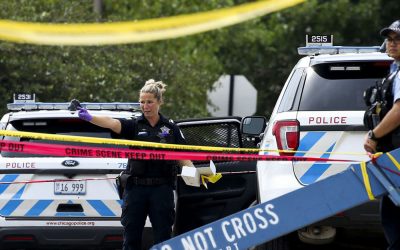
The year 2021 has, fortunately, brought people many things to look forward to. With the pandemic beginning to get under control, people are excited to resume their normal lives. Unfortunately, this year has also brought over 250 mass shootings in the United States, along with a rise in other violent crimes.
Supreme Court Rules Against Warrantless Entry Into Home In Misdemeanor Cases
Brief # 167 – Civil Rights
By Rod Maggay
On June 23, 2021 the United States Supreme Court handed down its decision in Lange v. California. The case examined whether a warrantless entry into a home by a police officer to apprehend a fleeing misdemeanor suspect was permissible under the Fourth Amendment to the U.S. Constitution.
Should the US join the International Criminal Court?
Brief #112—Foreign Policy
By Ailin Goode
Relations between the U.S. government and the International Criminal Court have shifted back and forth between cautious support and straightforward opposition with each administration since the founding of the ICC in 2002. While the Biden administration is proving more tolerant of the Court than his predecessor it remains to be seen whether-or-not the United States will reconsider its current abstinence from the Rome Statute, the treaty that established and governs the ICC.