Brief #154 – Environmental Policy
by Todd J. Broadman
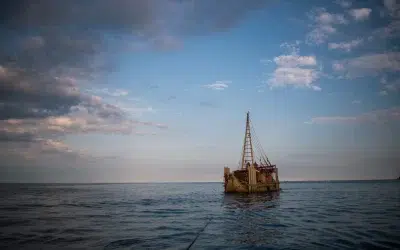
Oceans make up over 70% of the Earth’s surface and contain 95% of total habitat – only 9% of which has been classified. Most of that watery habitat lies unprotected from human exploitation.

Brief #154 – Environmental Policy
by Todd J. Broadman
Oceans make up over 70% of the Earth’s surface and contain 95% of total habitat – only 9% of which has been classified. Most of that watery habitat lies unprotected from human exploitation.
Brief #153 – Environment Policy
By Todd J. Broadman
The methods that many humans apply to cooking their food are proving to have a substantial effect on our environment and health. About 2.4 billion people cook food using a “dirty” biomass method of cooking which uses wood, animal dung, and charcoal fire pits or kerosene stoves.

Brief #152 – Environment Policy
By Todd J. Broadman
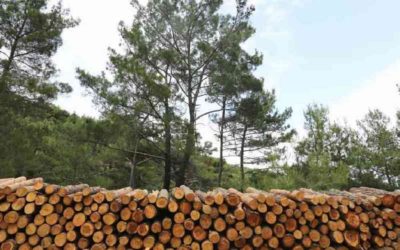
Just over a third of what remains as forested land in America is classified as “old-growth forest,” equivalent to 167 million acres. By definition, old-growth is at least 80 years old, and just 24% of old-growth forest is fully protected – the balance exposed to the risk of logging. 58 million acres of this old-growth forest are on federal lands under management by either the U.S. Forest Service or Bureau of Land Management.
Brief #151 – Environment Policy
By Todd J. Broadman
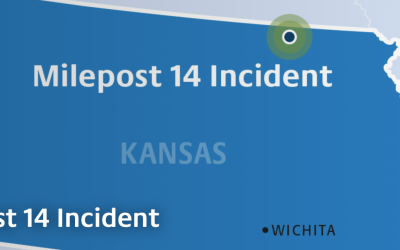
Since the beginning of its operations in 2010, the Keystone pipeline has experienced 22 oil spills totaling 26,000 barrels of tar sands oil leaked into the surrounding land and water. The pipeline traverses approximately 2,700 miles, starting from the tar sands of Alberta, Canada and terminating at refinery locations in the Midwest and Oklahoma. The pipeline’s owner and operator is TC Energy.

Brief #150 – Environment Policy
By Todd J. Broadman
We are a world addicted to plastic, the most perceivable, persistent and pervasive indicator of the Anthropocene. Plastics are produced from natural gas, feedstocks derived from natural gas processing, and each year more is produced. The current production rate is 400 million metric tons and is the source of 5% of CO2 emissions. By 2030 it will be 600 million metric tons, and 800 by 2040.

Brief #43 – Elections & Politics
By Abigail Hunt
For the disillusioned and jaded non-conservatives of the Lone Star state, seeing Beto O’Rourke within spitting distance of Greg Abbott in a dead heat for governor thrills our withered-but-still-beating Grinchy little hearts. From 1847 to 1979, with the exception of a few years here and there, Texas was Democratic.

Brief #149 – Environment Policy
By Todd J. Broadman
Worldwide, 1 in 10 people cannot access clean water within a 30-minute walk from their home and by 2030 this situation is projected to grow and displace up to 700 million. Closer to home, as the water treatment infrastructure in the U.S. continues to deteriorate, many Americans are facing a similar plight.
Brief #146 – Health & Gender
By Emily Scanlon
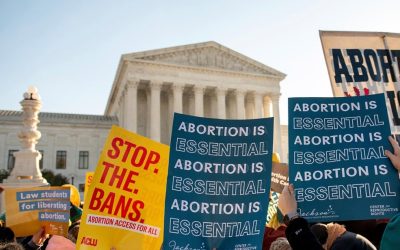
For years, the anti-abortion movement has been focused on one main goal: the overturn of Roe v. Wade. Because of this unifying goal, the movement has not had to grapple with fringe beliefs. Now that their main goal has been accomplished, anti-abortion groups are considering next steps and facing more radical ideas within the movement.
Brief #146 – Environmental Policy
By Todd J. Broadman
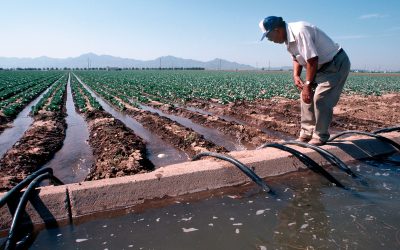
The Colorado River, a water source that irrigates 5 million acres of farm land and supplies 40 million people with drinking water, has long been severely overallocated. For decades, so much water has been diverted to supply farms and cities that the river’s delta in Mexico has dried up. Those that depend on its bounty are now in crisis as the western U.S. has undergone a 23-year megadrought and the nation’s largest reservoirs have subsequently dropped their water levels by three-quarters.

US Renew Op-Ed
By Todd J Broadman
Global warming as our single most important political issue has begun to wane, taking a backseat to economic concerns. A scant 1 percent of those recently polled by the New York Times/Siena College perceive climate change as the most important U.S. issue.
That low ranking for climate as an issue held true for those under 30 as well. As this is a long-term issue and one that requires long-term determination, the apparent widespread apathy is cause for concern.