Brief #51 – Education Policy
By Lynn Waldsmith
As conservatives continue to inflame the culture war over “critical race theory” and curriculum or books that it labels as unpatriotic or offensive, free speech advocates are fighting back.


Brief #51 – Education Policy
By Lynn Waldsmith
As conservatives continue to inflame the culture war over “critical race theory” and curriculum or books that it labels as unpatriotic or offensive, free speech advocates are fighting back.

Brief #50 – Education Policy
By Lynn Waldsmith
America’s teacher shortage, which was worsening even before the pandemic, is now reaching crisis levels in many parts of the country as a growing numbers of educators are not planning to ever return to the classroom.
Brief #69 – Education Policy
By Yelena Korshunov
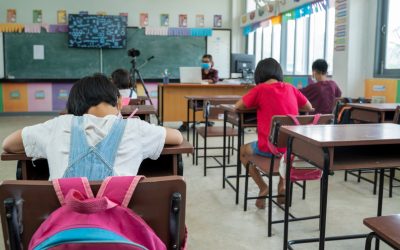
Before the COVID-19 pandemic, everybody said that Greg was an exceptional basketball player. He was a leader of his middle school basketball team. He shot a basketball at the school court with his friends every single day after class, unless it was pouring rain. When the COVID-19 tsunami came, Greg had to quarantine, as did all of his friends.
Brief #65 – Education
By Lynn Waldsmith
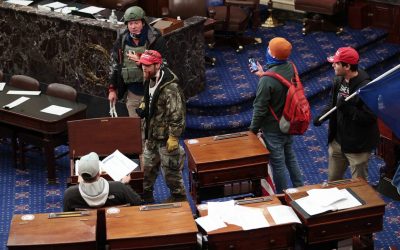
As the House committee investigating the January 6th attack on the Capitol gains momentum, teachers throughout the country are struggling more than one year later with how, or even if, to teach students about that pivotal event and its impact on our democracy.

Brief #64 – Education Policy
By Yelena Korshunov
“Is my child safe in school?” This is a question that millions of parents ask themselves today. Remote learning vs. in-person. In-person vs. remote. Multiple pros and cons, dipped in wordy discussions without being resolved, challenge students and their parents to solve this dilemma on their own. On Monday, January 10th, the New York City Department of Education reported 11,825 students and 2,298 staff COVID cases.
Brief #63 – Education Policy
By Stephen Thomas
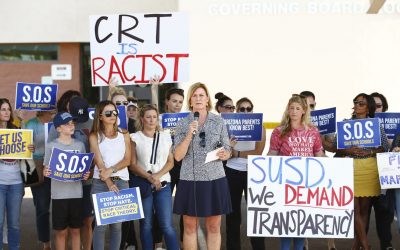
Years ago, segregationists relied on the states to pass laws to exclude black students from their children’s schools. Today, their objective is to exclude blacks from the social studies curriculum. Either way, it is a movement centered on the debate about a crucial campaign issue that arose in the Virginia governor’s race and will rise again in the congressional mid-term elections and in state-level elections in 2022.
Brief #62 – Education Policy
By Lynn Waldsmith
Therapy dogs. Sensory rooms with comfy furniture, tents and weighted blankets. Playing with sand or building with Legos. These are the kinds of things that many schools throughout the country are making available to students when they need a break or when it just becomes too hard to cope in the classroom. But it’s not about fun and games.

Brief #61 – Education Policy
By Lynn Waldsmith
Global warming is, above all else, a looming crisis for children.
With extreme weather events such as heat waves and wildfires expected to rise in frequency, intensity and duration under global warming, it should come as no surprise that younger generations will face many more such events over their lifetimes compared to their parents and grandparents. In fact, a new survey published in Science magazine predicts children born in 2020 could face seven times more climate disasters than those born in 1960.
Brief #60 – Education Policy
By Lynn Waldsmith
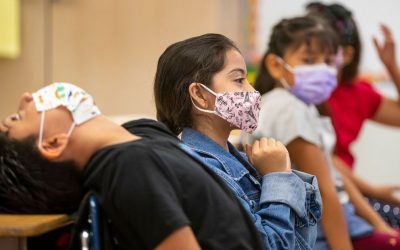
Growing numbers of school districts are easing mask mandates in the face of pressure from Republican state lawmakers, strong opposition from parents and as the latest wave of Covid-19 appears to be declining in many parts of the country.
Brief #59 – Education Policy
By Lynn Waldsmith
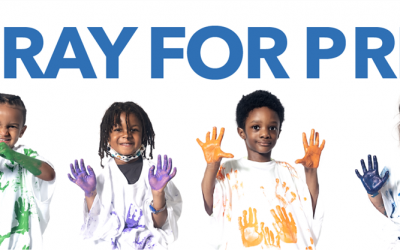
The evidence is overwhelming that children who attend preschool not only dramatically improve the quality of their own lives but the welfare of their communities. Yet, far too many kids aren’t able to attend because their parents simply can’t afford it. President Biden is hoping to change that by making universal pre-K a reality, if Congress passes the $1.8 trillion American Families Plan.
Brief #58 – Education Policy
By Lynn Waldsmith
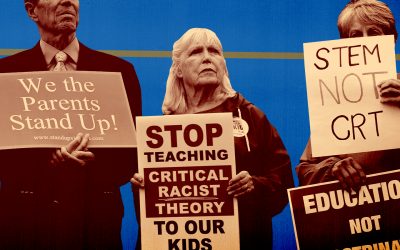
As millions of K-12 students head back to school in the coming weeks, many conservative lawmakers and anxious parents continue to rail against what they see as the dangers of teaching critical race theory, or CRT, in the classroom. But the reality is that myths and misinformation about CRT are based in fear and being perpetuated as a political tool.
Brief # 57 – Education Policy
By Lynn Waldsmith
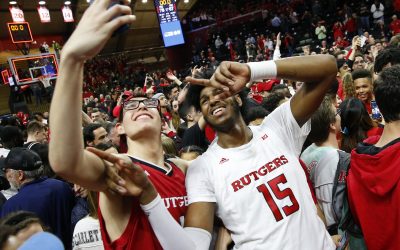
For the first time, college athletes can profit from their name, image and likeness (known as “N.I.L.), now that the NCAA decided to allow the historic change in a surrender to growing pressure from states and the Supreme Court. While student athletes still cannot be directly paid by the schools they represent, the sweeping change to the NCAA’s longstanding policy that student athletes not receive any form of payment, other than scholarships that cover tuition, room and board, opens the door to that possibility in the future.