Brief #109—Environment
By Jacob Morton
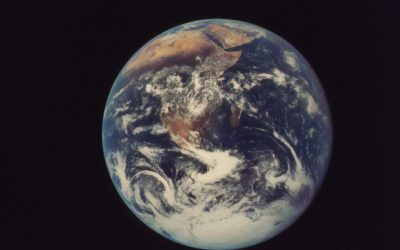
The biodiversity of our planet is declining at an accelerated rate. Populations of plant and animal species around the world are dwindling to the point of near extinction, more rapidly than at any other time in our planet’s history. Sir Partha Dasgupta, an economist at Cambridge University, says this rampant and unheeded degradation of our planet “could have catastrophic consequences for our economies and wellbeing,” pointing to Covid-19 as “just the tip of the iceberg.” Earlier this month, Dasgupta and the UK Treasury released an independent report on the economics of biodiversity. The main takeaway? We are draining the bank of our most valuable asset, natural capital. And the consequences are not going to be pretty.
Dasgupta explains it like this, “Just as diversity within a portfolio of financial assets reduces risk and uncertainty, diversity within a portfolio of natural assets increases nature’s resilience in withstanding shocks.” The widespread impacts of climate change and a coronavirus run rampant across the globe are just a couple examples of nature’s loss of resilience. As the report points out in its opening remarks, “Our economies, livelihoods and wellbeing all depend on our most precious asset: nature. We are part of nature, not separate from it.”