

JOBS POLICIES, ANALYSIS, AND RESOURCES
Latest Jobs Posts
Florida Gov. Ron DeSantis Wants His Own Paramilitary Force
Brief #32 – Elections & Politics
By Abran C
Florida Governor Ron DeSantis is looking to create the state’s own private civilian military force that would operate outside of federal control. The announcement came during a broader plan to increase funding to Florida’s National Guard. This additional $3.5 million tax payer funded plan calls for a new state-run force that would be added in addition to the already existing Florida National Guard and state police.
Variant of Concern – Omicron
Brief #125 – Health & Gender Policy
By S Bhimji
Over the weekend, the world learned about another heavily mutated coronavirus variant named Omicron. First detected in South Africa, Omicron has now been detected in many nations. While not much is known about it, experts suggest that it could be more infectious than the delta variant.
The U.S. House Select Committee Investigation of the January 6 Attack on the Capitol: Part 5
Brief #31 – Elections and Politics
By Erika Shannon
There have been many changes on our nation’s home front since the January 6th insurrection in the U.S. Capitol; and some of these changes are being made to ensure that events like that will never occur again, on either side. Chairperson Bennie Thompson and his US House Select Committee panel have been investigating the events that transpired on January 6th with one mission in mind: preserve the democratic process. There have been endless subpoenas, documents submitted, and interviews, so what is still to come in this lengthy process?
Of course, there are the matters of getting people to cooperate who have been unwilling to do so. This includes people like former president Donald Trump and his closest cohorts, such as Steve Bannon and Mark Meadows. Earlier this month, Bannon was hit with a federal indictment and charged with two counts of contempt of Congress. This came after he refused to provide testimony or documents to the January 6th Select Committee. His defiance is seen as extreme due to the fact that he was not willing to even appear before investigators under subpoena, even if to assert other alleged privileges. It is seen as a move that may prompt others to follow suit and do their best to derail the investigation.
Pandemic Barriers Inhibit Return to Low-Wage Jobs and Have Caused Massive Decrease in Migrant Labor Needed to Sustain US Economy
Brief #131 – Immigration Policy
By Kathryn Baron
The US needs roughly 10 million people to work low-wage and high-skilled workers to comfortably sustain the economy. Only 8.4 million Americans are actively seeking work in this stage of the pandemic; workers are resigning in record numbers and the number of Americans returning to low-wage industries are persistently low. On average, the US accepts roughly 1 million immigrants and 75% of those immigrants actively contribute to the American labor force. In 2020, the US only admit 263,000 immigrants.
Schools Are Failing to Teach Climate Change
Brief #61 – Education Policy
By Lynn Waldsmith
Global warming is, above all else, a looming crisis for children.
With extreme weather events such as heat waves and wildfires expected to rise in frequency, intensity and duration under global warming, it should come as no surprise that younger generations will face many more such events over their lifetimes compared to their parents and grandparents. In fact, a new survey published in Science magazine predicts children born in 2020 could face seven times more climate disasters than those born in 1960.
Takeaways from the COP26 Climate Summit
Brief #128 – Environment Policy
By Jacob Morton
At the UN’s COP26 Climate Summit earlier this month, representatives from 197 nations gathered in Glasgow, Scotland with the goal of collectively accelerating global efforts towards achieving the climate goals of the Paris Agreement and the UN Framework Convention on Climate Change. The focus of the conference centered around three major pillars of climate change action: Adaptation, Finance, and Mitigation. Here are the key takeaways.
How Facebook Breeds Civil Conflict and Hatred Around the World
Brief #66 – Technology Policy
By Stephan Lherisson
Frances Haugen, a former Facebook employee, leaked Facebook internal documents to the press, federal regulators, and Congress. The content of those documents showed how the social media platform uses potentially damaging algorithms to drive up use by its users while disregarding the negative effects of those algorithms including polarizing attitudes and divisiveness. Such attitudes have been proven to contribute to violence in places like Myanmar, Ethiopia, Sri Lanka, and India.
The Other Epidemic That No One Talks About: Drug Overdose
Brief #124 – Health & Gender Policy
By S Bhimji
Opioids are a class of pain relieving drugs that include both illegal drugs like heroin and synthetic legal ones like codeine, morphine, oxycodone, fentanyl and many others. The problem with opioids is that not are they addictive but they can quickly suppress respiration and lead to death.
Yemen : A Complex Situation For American Policy Makers
Brief #136 – Foreign Policy
By Reilly Fitzgerald
For American policymakers, the conflict in Yemen is going to be particularly challenging on many levels. The conflict intertwines regional tensions between Saudi Arabia; religious tensions between Shia and Sunnis; and the mixing in of terrorist organizations with no allegiances to either side but taking advantage of the wide-scale chaos and instability. President Biden announced three major points that outline his policy agenda towards Yemen: ending support of offensive acts in the conflict by Saudi Arabia, promoting peace talks and initiatives, and sending US Special Envoy Tim Lenderking to the region to work towards solutions to the conflict.


The Need To Overhaul the Nation’s Aging Electric Grid Is Urgent But Challenging
The Need To Overhaul the Nation’s Aging Electric Grid Is Urgent But Challenging
Environment Policy Brief # 122 | By: Todd J. Broadman | July 30, 2021
Header photo taken from: Power Grid News
Follow us on our social media platforms above
Browse more environment policy briefs here

Photo taken from: E&E News
Policy Summary
[SSB theme=”Official” align=”center” counter=”true” ]
Biden’s foundational policy objectives of carbon-free power by 2035 and net-zero emissions by 2050 serve as the basis for his $2.25 trillion green infrastructure plan. The overarching question is “how” – particularly when nationwide carbon-free power effectively means tripling the size of the U.S. transmission system.
As U. S. engineering feats go, the current national grid of over 650,000 miles of high voltage transmission lines, millions of miles of distribution lines, and thousands of generators is a marvel, but a dated one; the system was mostly designed and built in the 1950s and 60s.
The parts are aging and system failures are now common, and this at a time of immense system stresses. Most of the infrastructure repairs are being done reactively, in response to severe events, rather a more costly proactive replacement strategy. Underscoring the complexity of a replacement strategy is the fact that power transmission construction projects usually take more than a decade to complete.
With the fairly recent energy crisis and subsequent deaths in Texas as a backdrop, the ability for the grid to be enmeshed and shared across regions adds to the argument for investment in an upgraded transmission system. The intermittency of solar and wind power – when the wind doesn’t blow or the sun doesn’t shine – adds to the engineering challenge of building such an electric grid.
Sides have been squaring off, debating how the increased need for electricity in our cities and suburbs can be met by distant wind turbines and solar farms. While increases in consumption are driven by electric vehicles, urbanization, and more frequent extreme weather patterns, the necessary construction of thousands of miles of additional power lines to meet those needs is a point of contention for local and environmental groups, as well as the big carbon-energy corporations.
Mr. Biden’s campaign platform to upgrade the national grid won him the nod of the utility industry. In order for utilities to be 100% carbon-free by 2035, they will require a massive transmission line upgrade aimed at distributing clean energy between states. (Contributions to his campaign from utilities as a whole were $1.4 million).
Biden’s administration is in lock-step, making industry friendly statements: Energy Secretary Jennifer Granholm said, “We need to make a big national plan to ensure that electricity is delivered from where it is generated to where it is needed,” and this is echoed by Patricia Hoffman, acting assistant secretary at the U.S. Department of Energy’s Office of Electricity, “As we’ve seen more hurricanes, and more challenging environmental issues from severe weather, we want to have a resilient system.”

Photo taken from: The Free Press
As was anticipated, big energy and utility companies who advocate for new transmission lines are contending with environmental interests. For example, in the state of Maine, there is an environmental campaign to block the plan to bring hydropower from Quebec to Massachusetts.
“This transmission line will have a significant impact on Maine’s environment and wildlife habitat,” said Sandra Howard, a local activist. Her sentiment finds favor with those who prefer that federal dollars support widespread adoption of local, residential solar panels and storage batteries.
With his proposal for investment tax credits, Biden is also trying to win favor with smaller communities who have scaled ambitions for local rooftop solar grids and microgrids; this allows towns and neighbors to generate and use their own electricity. Yet again, in terms of meeting the 2035 goal, the administration views a centralized approach with massive investment in transmission lines as essential.
Policy Analysis
Coal and gas power plants are being phased out and are actively being replaced by large wind and solar power plants located hundreds of miles from urban energy consumers. Replacement at the scale required though is a daunting task considering environmental opposition, the cost, and that legal siting authority is with the states, not the federal government.
Then there is scale: the current transmission system cannot support even half of the nation’s power coming from clean or zero-carbon sources, let alone 100%. Average household electricity bills have increased by about 14% over the last decade, despite an increase in average household energy use of just over 1%.

Photo taken from: NASA Visible Earth

Photo taken from: ETEnergyworld.com
To date, Biden has secured $73 billion for thousands of miles of new power lines in an infrastructure proposal that won bipartisan support. To help with the obstacle of siting authority, the deal involves the establishment of a federal “grid development agency” to speed up transmission line approval. These monies are in line with the centralized approach favored by large utilities.
For added public support, they point to the Texas disaster in which so many died, largely due to having an isolated grid, unable to import the needed electricity from neighboring states.
Other countries though, are paving a decentralized path. For example, Australia is developing what it says will be the world’s largest Virtual Power Plant (VPP) system, connecting 50,000 home batteries. VPPs are networks of decentralized, medium-scale power generating units such as wind farms, solar parks, and storage systems. Green Mountain Power in the state of Vermont has also built a microgrid VPP; they have contracted with more than 2,000 homes in one of the largest utility-coordinated home battery programs in the country.
The complexity of the task ahead speaks to hybrid solutions, some decentralized, in communities that want to invest in that approach. Large scale infrastructure upgrades will only come with federal financial subsidies, and the jobs they will bring will continue to garner bipartisan support. Unfortunately, there is not discussion about re-sizing or scaling down consumption, or even an effort to make plain that both solar and wind energy for all their benefits, have considerable energy downsides in their construction and long-term maintenance. We are soon to realize that the post-carbon energy environment will come with serious sacrifices that aren’t politically palatable.
Engagement Resources
Click or tap on image to visit resource website.

https://www.solarpowerworldonline.com/ is the premier media outlet for the U.S. solar market.

https://www.energy.gov/ is the federal agency that addresses U.S.’s energy, environmental and nuclear challenges through transformative science and technology solutions.

https://cleanpower.org/ is a leading federation of renewable energy companies expediting the advancement of clean energy

https://www.utilitydive.com/ provides in-depth journalism and insight into the most impactful news and trends shaping the utility industry.

Biden Ups The Ante on Car Fuel Standards
Biden Ups The Ante on Car Fuel Standards
Environment Policy Brief # 121 | By: Katelyn Lewis | July 29, 2021
Header photo taken from: NBC News
Follow us on our social media platforms above
Browse more environment policy briefs here

Photo taken from: MSN
Policy Summary
[SSB theme=”Official” align=”center” counter=”true” ]
President Joe Biden’s team is working on a vehicle emissions rule that will not only restore aggressive vehicle mileage standards set under then-President Barack Obama, but also reduce greenhouse gas emissions and significantly increase electric vehicle drivers in the U.S. by the end of the decade.
The proposed rule, first reported by the Associated Press, would start with the 2023 car model year and would follow standards set by the California deal, an agreement reached among five leading automakers and the Golden State that “increases the mileage standard and cuts greenhouse gases by 3.7% per year.”
That fuel economy percentage would grow to a 5% annual increase, with a similar cut in emissions, by 2025, and then increase up to 6 or 7% for the 2026 vehicle models under the new rule. Industry and administration officials who spoke to AP on the condition of anonymity said the EPA would “likely … make a nonbinding statement that the requirements will ramp up even faster starting in 2027, forcing the industry to sell more zero-emissions electric vehicles.”
The goal of the new rule is for 40% of all new car sales to be electric by 2030 – a large increase from the 2% of new car sales they constitute in the U.S. in 2021.
The proposed rule assembled by the Environmental Protection Agency and Transportation Department is expected to be released in full as soon as next week, AP reports.
Policy Analysis
A common and unsurprising theme so far in the Biden administration has been to reverse the rollbacks established under the Trump administration that have impaired efforts to reduce anthropogenic-caused environmental distress and air quality-related public health issues.
The proposed rules to increase fuel economy standards once more therefore align well with Biden’s pledge to address climate change and with his goal of decreasing U.S. greenhouse gas emissions by at least half by 2030.
But some environmental groups argue the proposed rules may be a little too lenient on the auto industry at a time when the country is behind on cutting its pollution levels.

Photo taken from: LA Times
“The West is baking, forests are ablaze, storms are worsening, so this is not the time for weaker standards and promises of doing better tomorrow,” Dan Becker, the Safe Climate Transportation Campaign director for the Center for Biological Diversity, said in a statement. “Half steps won’t save us from climate catastrophe.”
In 2012, the Obama administration finalized clean car standards to “increase fuel economy to the equivalent of 54.5 mpg for cars and light-duty trucks by Model Year 2025,” with an annual required 5% increase in fuel economy between 2021 and 2025, according to an archived White House statement. The 2012 rule significantly increased Obama’s 2009 fuel standards, which required an average fuel economy of 39 mpg for cars and 30 mpg for trucks by 2016. U.S. RESIST NEWS estimates that the standards proposed by Biden equal 45 mpg.

Photo taken from: TED Ideas
In 2020, the Trump administration decreased the extent of the vehicle mileage standards, reducing the growth rate to an annual 1.5% increase in fuel efficiency. In other words, the looser standards under the Trump administration would require automakers to average a fuel economy standard of about 40.4 mpg by 2026, rather than the 46.7 mpg the Obama-era rule would have demanded, according to Reuters.
With the more gradual mileage increase – 3.7% for 2023 models, 5% for 2025 models, and so on – in Biden’s proposed rule, supporters argue it will enable more automakers to meet the environmental policy demands while remaining competitive in the industry.
But critics argue that it won’t cause the same emission pollution cuts in the near term that the U.S. would have experienced had former President Donald Trump not rolled back the standards set by former President Barack Obama. In addition, it would require additional rulemaking to establish tougher standards to continue cutting down emissions.
And the question remains whether the proposed rule, in its efforts to appease both environmental groups and automakers, will be able to help meet the reduced emissions goals set for the U.S. under the Paris climate agreement.
Engagement Resources
Click or tap on image to visit resource website.

Sierra Club – https://www.sierraclub.org/

Center for Biological Diversity – https://www.biologicaldiversity.org/

Earthjustice – https://earthjustice.org/
Sources
Click or tap on image to visit resource website.

Associated Press – New Trump mileage standards to gut Obama climate effort (Mar. 30, 2020) – https://apnews.com/article/virus-outbreak-donald-trump-ap-top-news-corry-schiermeyer-climate-change-f1b244a36bccfa314448e5ffa90b4ff7
Associated Press – EXCLUSIVE: Biden mileage rule to exceed Obama climate goal (July 27, 2021) – https://apnews.com/article/technology-joe-biden-government-and-politics-climate-change-climate-dd404e566e5f849f2aa05662f4752e8a

E&E News / ClimateWire – Biden car rules won’t account for Trump-era CO2 (July 28, 2021) – https://www.eenews.net/articles/biden-car-rules-wont-account-for-trump-era-co2/

Politico – Obama announces new fuel standards (May 18, 2009) – https://www.politico.com/story/2009/05/obama-announces-new-fuel-standards-022650

Reuters – Trump finalizes rollback of Obama-era vehicle fuel efficiency standards (Mar. 31, 2020) – https://www.reuters.com/article/us-usa-autos-emissions/trump-finalizes-rollback-of-obama-era-vehicle-fuel-efficiency-standards-idUSKBN21I25S

The Washington Post – Trump administration to freeze fuel-efficiency requirements in move likely to spur legal battle with states (Aug. 2, 2018) – https://www.washingtonpost.com/national/health-science/2018/08/01/90c818ac-9125-11e8-8322-b5482bf5e0f5_story.html
The Washington Post – Major automakers strike climate deal with California, rebuffing Trump on proposed mileage freeze (July 25, 2019) – https://www.washingtonpost.com/climate-environment/2019/07/25/major-automakers-strike-climate-deal-with-california-rebuffing-trump-proposed-mileage-freeze/
The Washington Post – Biden Plan would tighten mileage for new cars over the next four years (July 27, 2021) – https://www.washingtonpost.com/climate-environment/2021/07/27/biden-plan-would-tighten-mileage-new-cars-over-next-four-years/

The White House of President Barack Obama – Obama Administration Finalizes Historic 54.5 MPG Fuel Efficiency Standards (Aug. 28, 2012) – https://obamawhitehouse.archives.gov/the-press-office/2012/08/28/obama-administration-finalizes-historic-545-MPG-fuel-efficiency-standard

New Vaccine Mandates Being Rolled Out
New Vaccine Mandates Being Rolled Out
Health & Gender Policy Brief # 119 | By: S. Bhimji | July 28, 2021
Header photo taken from:
Follow us on our social media platforms above
Browse more health & gender policy briefs here

Photo taken from: National Geographic
Policy Summary
[SSB theme=”Official” align=”center” counter=”true” ]
A few months ago, Methodist Hospital in Texas mandated the covid vaccine for all its healthcare workers. About 150 healthcare workers including nurses refused citing a variety of non-medical reasons. Methodist fired them all; the workers filed a lawsuit and the case went to the Texas Federal court where a judge ruled that in private practice, the employees have to follow the rules of the employer. If they do not agree, they are welcome to find a job elsewhere.
Since then many hospitals have followed the Methodist example making vaccines mandatory for their healthcare workers.
Fast forward, with the dreaded spread of the delta variant, some governmental agencies are following the same Methodist Hospital’s footsteps.
Just a few days ago, The Dept of Veterans Affairs, which operates one of the nation’s largest healthcare systems, announced that it is making a new vaccine mandate for its employees in New Your City, California, the Mayo Clinic, and many other VA hospitals. The VA is the first federal agency to make this mandate signaling what many experts below will soon become a nationwide trend.
And the VA is not alone; the White House is also supporting the call by Medical Associations that are mandating vaccines for their healthcare workers.
In the face of the rapid growth of the delta variant, Both the State of California and the city of New York are giving the workers a choice- Get vaccinated or face weekly testing.
Policy Analysis
Healthcare leaders say this recent move by the VA is perhaps the best way to fight the coronavirus. It is hoped that this mandate will encourage millions of Americans to get vaccinated. Seven months since the covid vaccines were approved for emergency use, there are still millions of Americans who remain unvaccinated.
The VA mandate will apply to more than 100,00 front-line workers; in NY city it will apply to over 45,000 city contractors and employees, and in California, it will apply to more than 2.2 million state employees and healthcare workers.
This is perhaps the tipping point in the fight against covid 19. Despite all the incentives, nearly 45%-50% of Americans have adamantly refused to get vaccinated but now if they want to remain employed, they will have to make a choice.
As of July 21, 2021, the delta variant accounted for nearly 61% of cases, many of which have occurred in unvaccinated individuals. In most cases, the infection has been severe enough to require hospitalization.

Photo taken from: Becker’s Hospital Review
With the schools set to open in about a month, it is time for the Government to start being aggressive about the vaccine protocol.
Nationwide the number of covid infections have rapidly increased from about 13,000 cases per day at the beginning of July to nearly 54,000/day in the middle of July. Experts in infectious disease are urging people to get vaccinated since the shots can prevent severe infection and even death.
For the past few months, healthcare workers have been asking the government to make the vaccine mandatory and finally, with the VA mandate, the rates of vaccination may start to increase.
But despite the urgency of the situation, the Biden Administration has said it will not impose a national mandate on the vaccine but will support employers who will have the absolute right to create new requirements for their workers. It also is considering mandating vaccinations for all federal workers.
The number of healthcare workers who remain unvaccinated varies from 20-30% but the majority of them are nursing home staff, nurses, and a few doctors who look after patients at risk for covid.

Photo taken from: Fortune
The key reason why some hospitals have avoided vaccine mandates is the fear of litigation or defection of staff. But with the Federal Court ruling for Methodist hospital in Texas, most hospitals have started to adopt the same approach. As usual, unions that represent nurses and other healthcare staff argue against vaccine mandates but provide no valid reasons.
However, outside of nurses, almost all healthcare workers including pharmacists, therapists, doctors, and healthcare leaders are encouraging vaccine mandates before the delta variant overwhelms the healthcare system. Similarly, most universities and colleges are also imposing vaccine mandates for their students.
An argument in favor of vaccination is that with millions of Americans already vaccinated, it is now known that the vaccines are very safe and should not be a reason for refusal.
Administration of the covid vaccine has not caused the sky to fall and the unvaccinated individuals should take note. With courts upholding vaccine mandates, the unvaccinated will have to make a choice – have a job or stay at home. The nation has run out of patience with these folks.
Engagement Resources
Click or tap on image to visit resource website.

New Vaccine Mandates Are Coming For Government Employees And Health Care Workers

Biden Weighs Vaccine Mandate for Federal Workers
https://www.nytimes.com/2021/07/27/us/politics/biden-vaccine-mandate-federal-workers.html
Covid vaccine mandates: is it time?
https://www.nytimes.com/2021/07/27/us/politics/biden-vaccine-mandate-federal-workers.html

Israel Update
Israel Update
Foreign Policy Brief # 124 | By: Reilly Fitzgerald | July 22, 2021
Header photo taken from: Halal Watch World News
Follow us on our social media platforms above
Browse more foreign policy briefs here

Photo taken from: News Break
Policy Summary
[SSB theme=”Official” align=”center” counter=”true” ]
Early June saw the Israeli Parliament oust the former Israeli Prime Minister, Benjamin Netanyahu, and replace him with a new coalition government and new Prime Minister. The new coalition government consists of nine differing political parties that were brought together in a loose alliance due to their shared displeasure of former PM Netanyahu. The parties are wide ranging in political beliefs from more conservative Jewish groups, to even including the Arabist Ra’am Party.
The election of the Coalition Government was a reaction to decreased public acceptance of the former Prime Minister Benjamin Netanyahu, and to the spring war with Gaza that killed numerous Palestinians. The coalition government was seen as a hopeful opportunity to reset Israeli public policy.; However, it was expected to be a huge challenge to govern with a coalition of such broad views.
The recent weeks have seen tensions rise again as the Knesset denied the new coalition government an opportunity to renew and extend a controversial law that would deny citizenship to thousands of Palestinians, married to Israeli citizens, their own Israeli citizenship status. The renewal of the law failed to pass via a 59-59 vote that saw members of the new coalition government vote against their own government; it saw members of the new Prime Minister’s Party vote against the Prime Minister; and saw the Ra’am Party split their votes in half with two voters against the law while two voters abstained.
This month also has seen Israel and Lebanon firing rockets at each other, technically a violation of spring ceasefire following the war with Hamas over Gaza. The past week also has seen an increase in tensions over Ben and Jerry’s Ice Cream decision to ban sales of their product in Israeli occupied territories.
Israel and Lebanon have exchanged rocket fire this month for the first time since the ceasefire was instituted this spring following the war in Gaza. The exchange, it appears, was started by Lebanese militants who fired rockets into Israel. It is a solid reminder, to all parties involved in finding peace in the region, that the situation there is quite tense even with a ceasefire.
The Jewish holiday of Tisha B’Av over a thousand Jewish citizens praying at the Temple Mount which has for recent history seen a ban on religious prayers at the site due to the contentious nature of it being a part of Judaism, Islam, and Christianity. Prime Minister Bennett took an interesting course of action when he applauded the Israeli security forces for “maintaining freedom of worship for Jews” on the Temple Mount during a recent Jewish holiday (which was later walked back by PM Naftali). Obviously, religion has often been a source of contention in the region; and the display of religion has been contentious for decades.
The Ra’am Party, the Israeli Islamist party mentioned earlier, loudly voiced criticism stating that the al-Aqsa Mosque (part of the Temple Mount site) was “solely the property of Muslims, and no one else has any right to it”. The Ra’am Party even threatened a potential “catastrophic religious war” due to the tensions this event could spark throughout the region. Neighboring countries have all voiced their displeasure and anger with Israel’s leadership to allow this to happen. The Jordanian Foreign Minister said “The Israeli actions against the mosque are unacceptable and condemnable. They represent a violation of the historical and legal status quo, international law, and Israel’s obligations as an occupying power in East Jerusalem”.
Policy Analysis
The new coalition government faces major challenges. Can it keep the diverse parties within it from splitting apart over political issues.The Prime Minister, Naftali Bennett, needs to figure out a way to deal with the tensions of the region and the role they play on Israeli policy while also finding a way to keep the coalition intact without it imploding and sabotaging itself as was seen during the citizenship law vote.
Prime Minister Naftali has the unfortunate position of being caught between governing and political rivalries that pre-date his coalition. As noted previously in this brief, the coalition consists of nine different political parties all with their own agendas.
The coalition, clearly, does not share a consensus on a particular vision for moving Israel away from the days of Prime Minister Netanyahu. The clearest piece of policy that these parties share is the simple dislike of former PM Netanyahu, which is one of the major reasons that they were able to succeed him in the first place. The views range from the conservative Jewish Yemina Party (PM Naftali’s party) to the Ra’am Party (Arabist party) and everywhere in between.

Photo taken from: BBC
According to CNN, on July 6th, The Citizenship and Entry Into Israel Law was created in 2003. The government was worried that Palestinians (or other Muslims from outside of Israel) would marry into citizenship with the goal of carrying out terror attacks inside the country.
Citizenship for Palestinian spouses might also affect Israel’s desire to be identified as a Jewish state. Now that the Law has not been renewed (as it had been every year since 2003), the Interior Minister will have to review all cases related to Israeli citizenship.
The vote saw the coalition government splinter, not voting with any real consensus, as the nine parties all voted their own ways (some for, some against, and some abstaining); even members of the Prime Minister’s own party voted against the desire of the new Prime Minister.

Photo taken from: The Madison-Rafah Sister City Project
According to the Atlantic, Ben and Jerry’s decision to end the sale of their ice cream in Israeli occupied territories is that “it’s symbolic … but symbolism is huge.” The decision does not change much in the everyday life of Israeli citizens or the Israeli government. However Israelis often feel that “criticism from abroad of their policies is anti-Israel, it’s anti-Zionist, and it’s anti-Jewish, or anti-Semitic.”
We also have started to see the internal problems that Ben and Jerry’s is creating within the United States for this decision with politicians (on the left and the right) taking positions either in support of or in criticism of Ben and Jerry’s. Some states, such as Texas, are going as far as proposing a ban on Ben and Jerry’s due to the company’s ban on sales in Israeli occupied territories.
The US State Department spokesman Ned Price said, on July 20th, that “we firmly reject the BDS (Boycott, Divest, Sanction) movement, which unfairly singles out Israel…. the United States will be a strong partner in fighting efforts around the world that potentially seek to delegitimize Israel and will work tirelessly to support Israel’s further integration into the international community.” However, the State Department still has not yet condemned Ben and Jerry, or commits to commenting on the actions of a private company.
Engagement Resources
Click or tap on image to visit resource website.

US State Department Press Briefings (https://www.state.gov/department-press-briefings/) –
The United States State Department Press Briefings page is updated every few days with official commentary from the State Department on issues taking place all over the world. The transcripts are provided for public consumption.
ENSURING FAIR ELECTIONS HELPS ENSURE DEMOCRACY
ENSURING FAIR ELECTIONS HELPS ENSURE DEMOCRACY
U.S. RESIST NEWS EDITORIAL | By: Ron Israel, Managing Editor | July 26, 2021
Header photo taken from: Center for American Progress
Follow us on our social media platforms above
Browse more US Renew editorials here

Photo taken from: Fair and Just Prosecution
[SSB theme=”Official” align=”center” counter=”true” ]
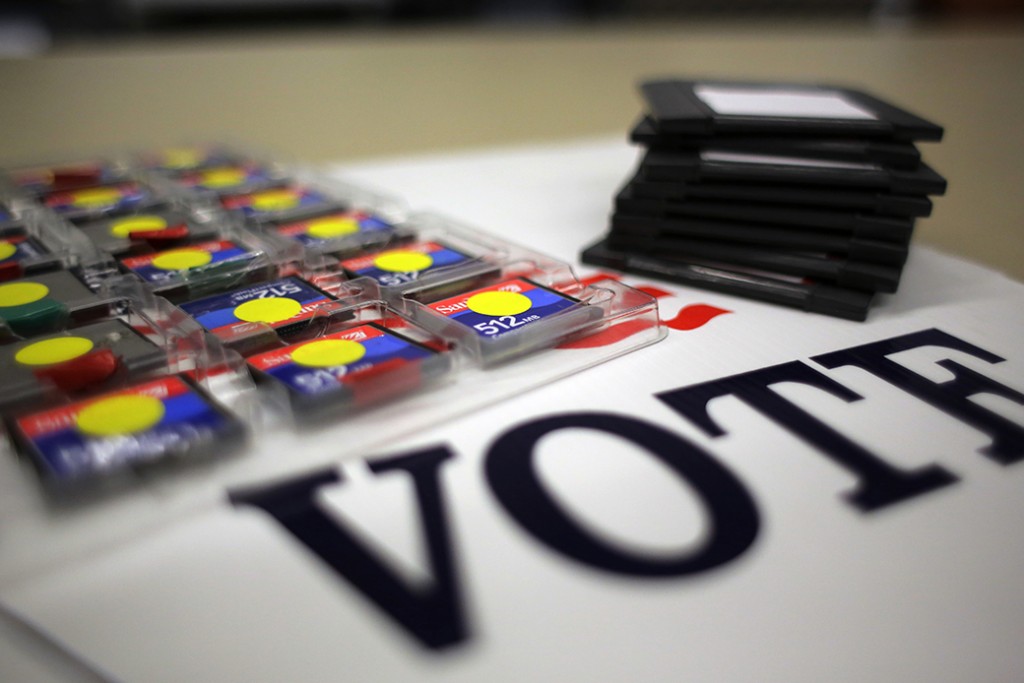
The United States of America was intended by our founders to be a democratic republic. Our Declaration of Independence enshrines our commitment to the core values of equality, freedom, and self-government. As Abraham Lincoln said in his Gettysburg address, we are a government “of the people, for the people, and by the people.” Those who govern America are accountable to the citizens they serve. This accountability gets renewed on a regular basis through an election system that is intended to be fair and transparent, with all citizens being given the opportunity to vote.
Over the past decade our electoral system has come under attack, first by Supreme Court decisions that diminished the effectiveness of the Voting Rights Act of 1965 and by a recent series of state level voting laws that are targeted at placing restrictions on minority voting rights ; second by the increasing use of state-level partisan gerrymandering to reapportion the way Congressional seats are chosen, third through a decision by the Supreme Court that allows corporations to make election contributions and allow unlimited special amounts of money to be spent , thereby favoring candidates supported and tethered to interests; and fourth by continued reliance on the outdated, undemocratic use of an electoral college system for determining the outcome presidential elections.
The Biden administration urgently needs to take steps to address these threats to our election system that in turn threaten to weaken our democracy. U.S. RESIST NEWS views the need to restore the equity and fairness of our voting system as more important than any other issue on President Biden’s agenda. We recommend that the administration put its utmost energies into passage of the following electoral reforms.
1.) Pass Federal voting rights legislation that ensures voting rights and easy access to the ballot box for all.
First and foremost, this means passage of the For The People Voting Rights Bill (HR 1) and the John Lewis Voting Rights Advancement Act now before Congress. The For the People Bill would expand voting rights, change campaign finance laws to reduce the influence of money in politics, ban partisan gerrymandering, and create new ethics rules for federal officeholders.
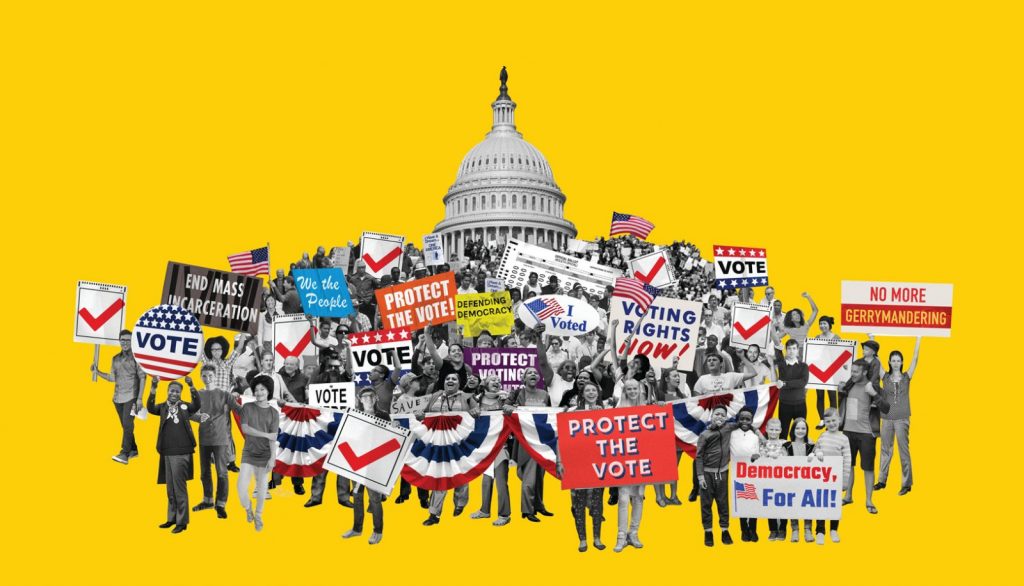
Photo taken from: Brennan Center for Justice
The John Lewis Voting Rights Advancement would restore the 1965 Voting Rights Act back to its original and full power which would prevent future discriminatory bills from being passed. The passage of these 2 bills will pre-empt ongoing Republican backed efforts to pass state level bills that severely restrict voting rights, especially for minorities, the disabled and young people.
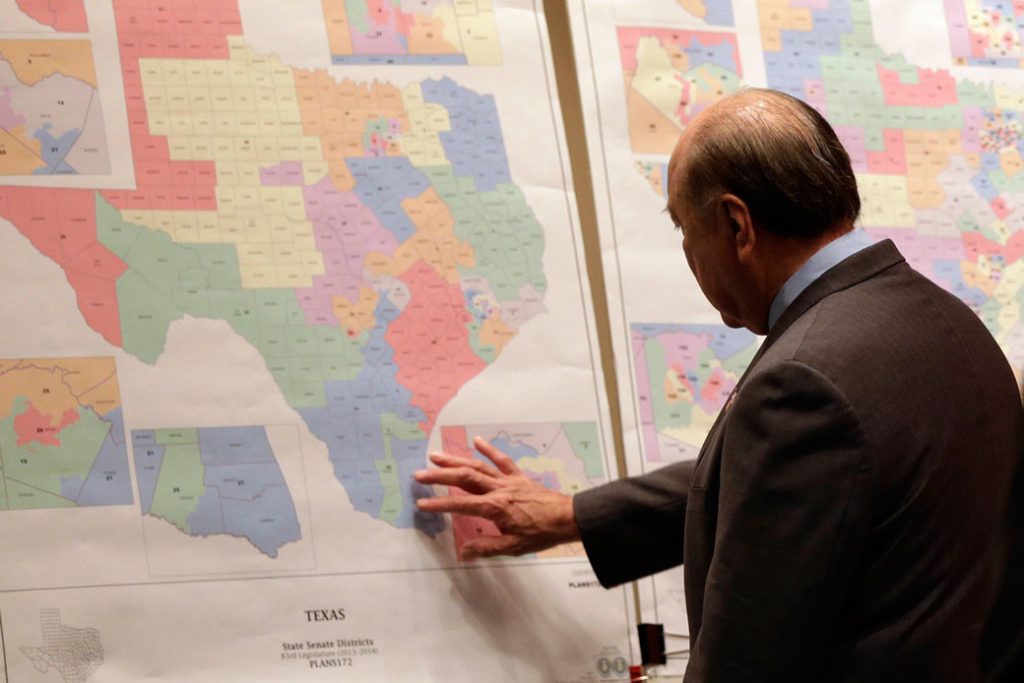
Photo taken from: Center for American Progress
2) Support efforts to establish state level non-partisan independent commissions responsible for re-districting.
The success of such commissions is largely dependent on their structure and i internal system of checks and balances. Carefully designing a commission to promote core values like independence, inclusivity, good-faith negotiation, and transparency is critical to fair redistricting that guards against partisan and racial gerrymandering.
Currently, 21 U.S. states have some form of non-partisan or bipartisan redistricting commission. Of these 21 states, 13 use redistricting commissions to exclusively draw electoral district boundaries. In 2015, the Supreme Court ruled that redistricting commissions, whose redistricting commission process is independent of the state legislature, were constitutional.
Learn more at https://www.brennancenter.org/our-work/policy-solutions/better-way-draw-districts
3) Initiate a legal challenge to overturn the Supreme Court’s Citizens United decision.
The idea is that a city or state can create a law cracking down on some of the big-money election tactics that have become commonplace, expecting that that law will then be challenged. Once challenged, the fight will advance through the court system and advocates hope, ultimately reach the Supreme Court.
At that point, the court will have the opportunity to reconsider the legal framework of the Citizens’ United case.
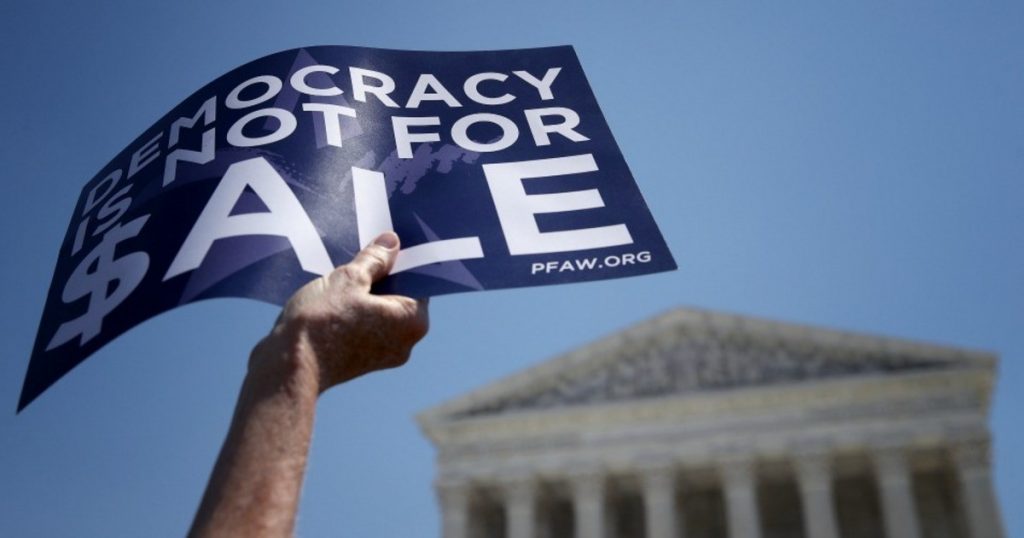
Photo taken from: Common Dreams
It also should be noted that a provision of the For the People Act-see # 1—above—calls for public financing of elections and support for a constitutional amendment to overturn the Citizens United Decision.
Learn more at www.defendourdemocracy.org.
4) Support the National Popular Vote Interstate Compact aimed at deciding presidential elections by popular vote.
The Compact will guarantee the Presidency to the candidate who receives the most popular votes across all 50 states and the District of Columbia. It ensures that every vote, in every state, will matter in every presidential election. The National Popular Vote Interstate Compact will go into effect when enacted by states possessing a majority of the electoral votes—that is, enough to elect a President (270 of 538).
So far, The National Popular Vote Compact has been endorsed by 16 jurisdictions possessing 195 electoral votes, including 4 small states (DE, HI, RI, VT), 8 medium-sized states (CO, CT, MD, MA, NJ, NM, OR, WA), 3 big states (CA, IL, NY), and the District of Columbia. The bill will take effect when enacted by states with 75 more electoral votes.
Learn more at www.nationalpopularvote.com
Learn more at www.defendourdemocracy.org.
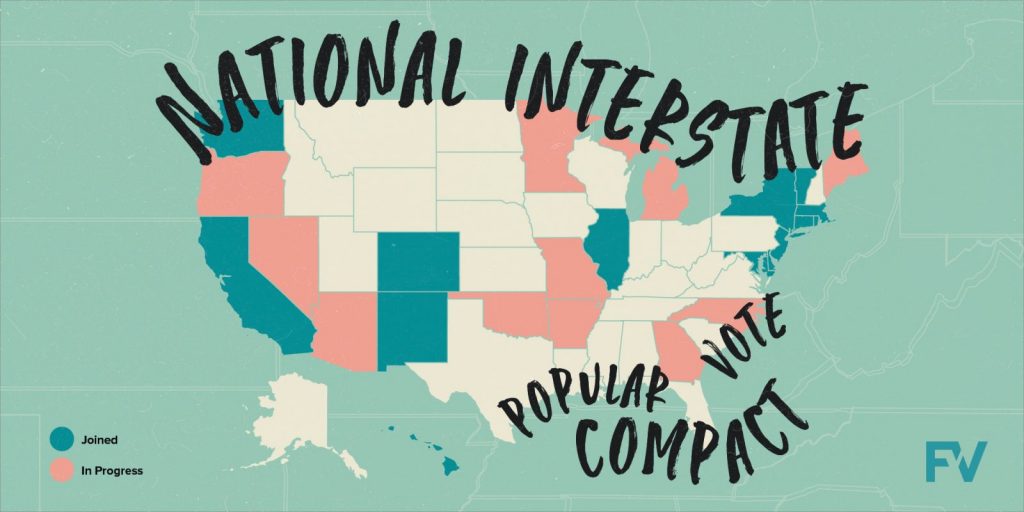
Photo taken from: Fairvote
Implementing these electoral reform proposals pose a challenge for the Biden administration, given our current highly charged political atmosphere. But it is a challenge well worth taking on if we are to preserve the democratic values and principles upon which our country and government stand.

Big Tech Antitrust Efforts Take a Step Forward
Big Tech Antitrust Efforts
Take a Step Forward
Technology Policy Brief # 56
By: Scout Burchill | July 26, 2021
Header photo taken from: Market Watch
Follow us on our social media platforms above
Browse more technology policy briefs here

Photo taken from: The Verge
Policy Summary
[SSB theme=”Official” align=”center” counter=”true” ]
The world of antitrust and Big Tech regulation has been brimming with developments lately, and all signs point to a transformational shift underway in Washington. Last month, in a rare show of bipartisanship, the Senate voted overwhelmingly to approve Lina Khan’s nomination to the Federal Trade Commission. A young, progressive antitrust scholar, Khan’s appointment at the FTC, along with the recent nomination of Jonathan Kanter to head the antitrust division at the Department of Justice, signifies a sea change in institutional attitudes towards Big Tech and Big Business.
Furthermore, late last month a bipartisan House Judiciary Committee approved a collection of six bills aimed at modernizing century-old antitrust laws in an effort to better equip the government to take on the anticompetitive practices of Big Tech companies. Shortly after these six bills passed their first hurdle in the House, the necessity of updating existing legal frameworks was put on full display as a federal judge handed Facebook a major legal win by dismissing two antitrust complaints against the company. Facebook’s legal woes are far from over, but the ruling still sent the company’s shares up 4%, and for the first time ever Facebook reached a market capitalization of $1 trillion.
Finally, on July 9th, President Biden signed a sweeping 72 point Executive Order aimed at curbing the power of corporations and delivered a remarkable speech condemning the past forty years of antitrust enforcement and policy. Channeling his role model Franklin D. Roosevelt, Biden bluntly asserted that, “capitalism without competition isn’t capitalism; it’s exploitation.” After signing the Executive Orders he handed his pen over to Lina Khan, a symbolic passing of the mantle intended to signify the beginning of a new era of governance in which reigning in the excesses of Big Tech are high on the agenda.
Policy Analysis
While Facebook may have parried away a major legal challenge, the developments of the past few weeks signal that the battle against Big Tech behemoths and Big Business giants is just ramping up.
A new consensus is taking shape in Washington with the potential to dramatically redefine the government’s role in regulating corporate power and safeguarding the interests of workers, individuals, small businesses, and competitors.
For starters, the appointment of Lina Khan to the FTC speaks volumes about how the Big Tech backlash is beginning to be reflected in American institutions.
Khan has become somewhat of a hero in progressive circles for her aggressive, straightforward stance on the necessity of curbing the dominance of Big Tech companies.

Photo taken from: The Seattle Times
However, her appeal extends beyond the left, as a number of Republicans have warmed to her hawkish approach.
In fact, Josh Hawley, the fist-pumping purveyor of election lies, was among the first to jump to Khan’s defense in response to a number of hit pieces published by the Wall Street Journal, her number one critic so far.
As Khan’s reign at the helm of the FTC portends to usher in a new era of antitrust regulation and enforcement, the Judiciary Committee’s six new bills attempting to modernize and update our current antitrust framework would add wind to her sails. The first two bills are relatively straightforward and are expected to receive the least amount of pushback.
The first would increase the FTC’s budget and resources by raising premerger filing fees on companies. The second would forbid companies from routinely moving cases to courts friendly to their interests. The remaining four bills specifically target Big Tech companies. They crack down on mergers, non-competitive behavior restricting interoperability between systems, the self-preferencing of a company’s products over those of competitors, and finally there is a bill that would allow Big Tech companies to be broken up if they own a business that presents a conflict of interest.
These laws would allow the government to crack down on some of the anti-competitive business practices of Big Tech that do not easily fit into the consumer welfare framework.

Photo taken from: Reuters
Although these bills will surely face an uphill battle in the legislative process to come, they are significant because they represent one of the most ambitious attempts in over forty years to modernize our current antitrust legal framework. They are in lockstep with the burgeoning movement taking shape in Washington to revitalize antitrust laws and update the existing consumer welfare framework, and most importantly, they would equip Khan’s FTC and Kanter’s antitrust division at the DOJ with the tools to take on the Big Tech behemoths.
You may wonder what this new antitrust era will look like, and the answer is that it is still too early to say. Our current legal framework is so entrenched in decades of rulings founded on the old consumer welfare framework. In his speech and sweeping 72 point executive order, Biden intentionally harkens back to FDR’s vision of an economy that prioritizes the power of workers, small businesses and competition over that of corporate greed.
In an effort to rebuild the American economy, the Biden Administration is attempting to position itself as both a spiritual successor to FDR’s New Deal politics and a repudiation of the past 40 years of neoliberal Reaganomics. Antitrust policy is quickly becoming one of the areas in which this radical rethinking may prove most successful, thanks in large part to the bipartisan nature of the Big Tech backlash. If history is to repeat itself, Big Tech may eventually succumb to the same fate as Rockefeller’s Standard Oil and other titans of the Gilded Age.
While Big Tech may represent only the tip of the iceberg when it comes to the odious influence of concentrated corporate power over our economy and society, it really is no surprise that these companies in particular have come to epitomize all that is wrong in our current antitrust framework. They control vast swaths of the economy and exert immense influence over our society with little to no accountability or oversight, they vigorously stifle competition and exploit labor laws, they have decimated local industries like journalism, and their influence and culpability is global in scope.
While a revolution in antitrust enforcement and philosophy can help guide the way to a more competitive and dynamic marketplace in all sectors of the economy, it surely seems the case that Silicon Valley, for better or worse, will bear the brunt of this new crusade. Even though they are far from alone in amassing tremendous power and wealth through unscrupulous and exploitative business practices, in the minds of lawmakers and the public they certainly appear to be worthy successors to the robber barons of the Gilded Age.
Engagement Resources
Click or tap on image to visit resource website.

American Economic Liberties Project
https://www.economicliberties.us/

Center for Digital Democracy
https://www.democraticmedia.org/
Sources
Click or tap on image to visit resource website.

Biden Executive Order and Speech

Lina Khan’s Amazon Antitrust Paradox
https://www.yalelawjournal.org/note/amazons-antitrust-paradox
NY Times
https://www.nytimes.com/2021/06/11/technology/big-tech-antitrust-bills.html
https://www.nytimes.com/2021/06/29/technology/facebook-google-antitrust-tech.html
https://www.nytimes.com/2021/06/23/technology/big-tech-antitrust-bills.html
https://www.nytimes.com/2021/06/24/technology/antitrust-overhaul-congress.html
https://www.nytimes.com/2021/06/28/technology/facebook-ftc-lawsuit.html
Jonathan Kanter’s Nomination

BIG by Matt Stoller
https://mattstoller.substack.com/p/the-antitrust-revolution-has-found
https://mattstoller.substack.com/p/why-did-congress-just-vote-to-break
https://mattstoller.substack.com/p/biden-launches-sweeping-action-on

Deconstructed Interview with Zephyr Teachout
https://theintercept.com/2021/07/16/deconstructed-podcast-antitrust-zephyr-teachout/

Colorado Takes Big Action Against Single-Use Plastics
Colorado Takes Big Action Against Single-Use Plastics
Environmental Policy Brief # 120
By: Katelyn Lewis | July 23, 2021
Header photo taken from: denverpost.com
Follow us on our social media platforms above
Browse more environmental policy briefs here

Photo taken from: CoPIRG
Policy Summary
[SSB theme=”Official” align=”center” counter=”true” ]
In a sweeping effort against plastic, Colorado Gov. Jared Polis signed into law a bill enabling municipalities to enforce local plastic bag and packaging ordinances as well as implementing a ban against the use of single-use plastic bags, polystyrene cups and containers statewide.
The passing of the law in July makes Colorado the first state to repeal a state preemption law on plastic waste, a type of policy that prevents local communities from going beyond state regulations. In this case, local governments will now be able to charge a fee or ban plastics outright sooner than the state’s planned dates.
Under the new law, most businesses and stores – excluding farmers’ markets, roadside stands, and small stores, defined as those with three or fewer locations in Colorado – will have to charge customers a 10-cent-per-bag fee for paper or plastic bags starting January 1, 2023, having until June 1, 2024 to use up their supplies.
But they will have to hand over 60% of the fee’s revenue to their local government, with those generated funds going toward enforcement costs or programs that educate citizens on the fee or other waste diversion efforts.
Those on food assistance programs would not be charged the 10-cent-per-bag fee, and medical plastics are also excluded from the ban. Grocery stores and retailers are also allowed to use the single-use plastic bags for bulk items or produce under the law, The Denver Gazette reports.
In addition, the law includes a ban on polystyrene food containers, starting on Jan. 1, 2024, with businesses having until then to use up their inventory. Colorado joins a handful of other states – New Jersey, Washington, and Virginia – in banning these often-called “Styrofoam” vessels.
Policy Analysis
The revocation of Colorado’s plastic preemption law comes more than 30 years after it was first passed. It’s the first successful bill for the regulation of single-use plastics to become law in the Centennial State since 2009.
The law makes Colorado the first state to remove preemption restrictions on plastic pollution for localities as well. It stands in sharp contrast against a recent trend in states invoking preemption laws to limit local governments’ authority on issues ranging from public health and police funding to gun control and climate change.
Colorado joins ten other states – California, Connecticut, Delaware, Hawaii, Maine, New Jersey, New York, Oregon, Vermont, and Washington – that have established laws banning single-use plastic bags.
The push for bans against single-use plastics comes as the reality of the inefficiency of recycling sinks in more at home.

Photo taken from: The Colorado Sun
Despite Americans recycling a lot more, less is actually being recycled than perceived. The overall recycling rate in the United States was 32.1% in 2018, and less than 10% of the plastic waste generated that year was recycled, according to the Environmental Protection Agency.
A large portion of the disparity between what is thrown into the recycling bin and what is actually recycled depends on where that waste actually goes and the quality of the plastics tossed.
The United States, among other nations, used to send a large majority of its trash and recyclables to China. But, sparked by trade wars under the former U.S. President Donald Trump, China began implementing import bans against solid waste, including plastics, in 2017. Eventually, China’s imports of scrap plastics practically stopped in 2020, Forbes reports, causing most plastics, marked as recyclable or not, to end up in landfills or the ocean.
Plus, the single-use, low-quality nature of plastic bags and polystyrene containers means they’re inevitably bound for the landfills. Many local communities are facing increasing environmental stress with what to do with their trash as more than half of U.S. landfills are expected to hit capacity in the next decade.
Stopping or reducing the use of these single-use plastics altogether – through laws like Colorado’s bans and allowances for local communities to make their own, stricter rules – may be one of most feasible, actionable ways to actually reduce our plastic waste.
Engagement Resources
Click or tap on image to visit resource website.

Plastic Pollution Coalition
https://www.plasticpollutioncoalition.org/

Environment Colorado
https://environmentcolorado.org/
Learn More

Pew Trusts – Colorado to Become First State to Revers Ban on City Plastic Bag Laws

The Denver Gazette – Gov. Jared Polis signs ban on single-use plastics, polystyrene into law

DACA Ruled Unlawful by Texan Federal Judge
DACA Ruled Unlawful by Texan Federal Judge
Immigration Policy Brief # 126
By: Kathryn Baron | July 21, 2021
Header photo taken from: Politico
Follow us on our social media platforms above
Browse more immigration policy briefs here

Photo taken from: KVIA Channel 7
Policy Summary
[SSB theme=”Official” align=”center” counter=”true” ]
On Friday, July 16, a Federal Judge in Texas ruled the Obama-era program that has protected more than 800,000 young immigrants brought to the US as children – Deferred Action for Childhood Arrivals (DACA) – from deportation as unlawful. The ruling asserted the Department of Homeland Security may no longer approve new applicants into the program but may continue to process existing DACA renewals while the issue moves through US courts. The ACLU’s Director of Immigrants’ Rights project found the decision to be amoral and subject to swift appeal
Policy Analysis
Senator Bob Menendez (D-NJ) regarded this decision as affirmation the US cannot rely on temporary immigration compromises and instead requires true immigration reform.
The need for a clear and comprehensive pathway to citizenship is crucial.
President Biden and the National Immigration Law Center’s Director of Federal Advocacy referred to this decision as a disappointment that will create uncertain futures for hundreds of thousands of young immigrants.
The Department of Justice intends to appeal this decision as soon as possible.

Photo taken from: Senator Robert Menendez
Democrats plan to include concrete immigration measures in an upcoming $3.5 trillion spending bill that will provide a clear pathway to citizenship for Dreamers, recipients of Temporary Protected Status, and essential workers.
Engagement Resources
Click or tap on image to visit resource website.

- The National Immigration Law Center: an organization that exclusively dedicates itself to defending and furthering the rights of low income immigrants and strives to educate decision makers on the impacts and effects of their policies on this overlooked part of the population.

- The ACLU: a non-profit with a longstanding commitment to preserving and protecting the individual rights and liberties the Constitution and US laws guarantee all its citizens. You can also donate monthly to counter Trump’s attacks on people’s rights. Recently, the ACLU has filed a lawsuit challenging the separation of families at the border.

- Deferred Action for Childhood Arrivals (DACA): Through the Department of Homeland Security’s website, this link provides additional information regarding the Obama era program.

Hospital Billing Transparency is Coming Soon
Hospital Billing Transparency
is Coming Soon
Health and Gender Policy Brief # 118
By: S. Bhimji | July 22, 2021
Header photo taken from: Healthcare Law Insights
Follow us on our social media platforms above
Browse more health and gender policy briefs here

Photo taken from: Ohio Capital Journal
Policy Summary
[SSB theme=”Official” align=”center” counter=”true” ]
Walk into any car dealership and the base price of the car is posted in large numbers on the windshield. Go to a hairdresser and before you even sit down you will be told the price of a haircut. But get your gallbladder taken out and you have no idea what the price is until you are ready to be discharged from the hospital.
If you go to a hospital in Maine, the cost of gallbladder removal maybe $5,000 but go to a hospital in New York and the price is three to four times that amount. For decades hospitals have refused to be transparent about the cost of their services. Even though insurers and Medicare do have a set reimbursement rate for every medical service and surgery, hospitals do tag on bills ad hoc.
If you have a headache and are given one Tylenol, most patients are usually charged for the whole bottle. Use one tissue to blow your nose and you will have to pay for the entire box. Everything from the mattress, linen usage, the room cleaning and if you request a wheelchair to the front door, rest assured, you will be paying for it. Hospital’s nickel and dime patients for everything.
No patient is ever told ahead of time what the cost of the medical care or the surgery will be, and rest assured the final bill at the time of discharge is usually eye-popping. All that is coming to an end. President Biden has now stated that this lack of transparency is going to stop soon.
Policy Analysis
When President Biden was elected he urged hospitals to become transparent about their pricing but 7 months later, most hospitals have ignored the Government.
Just last week, Biden signed an Executive Order that has instructed the Secretary of Health and Human Services to “support” price transparency regulations issued by the Trump administration.
On Jan 1, 2021, healthcare facilities were required to post the prices they were charging patients and the rates they had negotiated with insurers- figures that have for the most part been hidden from the public. But the hospitals just ignored the threat.

Photo taken from: NPR
Now proponents of greater transparency in the healthcare system agree that transparency will help patients shop for better deals and this will hopefully drive down the cost of healthcare. Amid widespread non-compliance by hospitals, President Biden has now signed the Executive Order to enforce compliance because if not, there will be penalties.
Several studies have shown that most hospitals in the US have only partially listed their cash prices for medical services on their website but less than 5% have revealed the rates they have negotiated with insurers. Close to 83% of hospitals in the US have so far been non-compliant with transparency rules.
Some hospitals have a pricing tool for patients but this tool is difficult to use because most patients have no idea what the medical jargon means or what services they are being provided. For example, the pricing tool may give the patient the cost of an appendectomy, but it doesn’t reveal the price of antibiotics, medications to control pain, the cost of anesthesia, the cost of imaging studies, or other ancillary services like the use of a hospital bed or even the use of a hospital gown.
Plus, different insurers have different reimbursement rates for medical and surgical services.

Photo taken from: The Washington Post
While Biden’s Executive Order is short on details, the Dept of Health and Human Services has started to send letters to all non-compliant hospitals warning them of an audit.
Even though insured patients don’t pay the full amount charged by hospitals, they are usually stuck with large deductibles and copayments. And the higher the medical bill, the higher the copayments.
The current Executive Order will apply to all medical services provided by healthcare institutions. The prices must be displayed in an easy-to-read format and must be annually updated.
While the exact monetary penalties for non-compliance have not been revealed, hospitals with less than 30 beds can face a monetary fine of $300/day and larger hospitals can face penalties of $5,500 a day.
Engagement Resources
Click or tap on image to visit resource website.

New Hospital Price Transparency Law Makes Hospitals Display Pricing

Hospital Price Transparency Frequently Asked Questions (FAQs)
https://www.cms.gov/files/document/hospital-price-transparency-frequently-asked-questions.pdf

Not all hospitals comply with the law on transparency of medical costs, advocacy groups say:

U.S. Targets China on Economic Espionage
U.S. Targets China on Economic Espionage
Technology Policy Brief # 55 | By: Henry Lenard | July 21, 2021
Header photo taken from: Ars Technica
Follow us on our social media platforms above
Browse more technology policy briefs here

Photo taken from: The Diplomat
Policy Summary
[SSB theme=”Official” align=”center” counter=”true” ]
In public remarks last week President Biden implied that China’s main intelligence service had a role in the cyberattack on Microsoft’s email software earlier this year. Biden’s remarks underscored China’s decades long history of economic espionage.
An unprecedented group of allies and partners – including the European Union, the United Kingdom, and NATO – joined the United States in exposing and criticizing China’s malicious cyber activities. The attacks targeted tens of thousands of individuals and businesses worldwide to acquire proprietary information.
Microsoft has blamed China for the cyberattacks on its Exchange Server software since March, but Biden’s statement was the first time the U.S. government has backed up those claims with a “high degree of confidence.”
Though China is not being sanctioned, a senior U.S. administration official told reporters the White House believes the public shaming sends an important message. The Chinese government has denied any involvement in the cyberattack.
That China was involved is not surprising. The FBI has said confronting the economic espionage threat from the Chinese government is the agency’s top counterintelligence priority.
While other countries partake in economic espionage, the U.S. Department of Justice reports that 80 percent of such cases involve China.
Beyond the effort to acquire US company data through cyberattacks, the Chinese government uses international collaboration in academic and scientific research and business development to directly steal trade secrets and IP. Foreign governments often sponsor talent recruitment programs, or talent plans, to bring outside knowledge and innovation back to their countries. China is the most prolific sponsor of such endeavors.

Photo taken from: Indianapolis Business Journal
To combat China’s cyberattacks and other economic espionage efforts, separate bills with broad bipartisan support have passed the Senate and House of Representatives that would limit Chinese access to U.S. trade secrets.
The United States Innovation and Competition Act (USICA) has passed the Senate, while the National Science Foundation for the Future Act has passed the House. Each spends at least $100 billion over five years on U.S. research and development.
Both bills prioritize NSF R&D funding for the industries of the future that will drive America’s continued economic growth, like quantum information sciences, artificial intelligence, supercomputing, cybersecurity, and advanced manufacturing.
The Senate bill includes many more provisions attempting to limit Chinese access than the House has to date. Even so, analysts believe that without stronger safeguards than even the Senate bill currently includes, China will still be able to capture new US technology.
Policy Analysis
The U.S.-led announcement pertaining to the Microsoft breach is the most significant action from the Biden administration to date concerning China’s years-long campaign of cyberattacks against the U.S. often involving routine nation-state espionage and the theft of valuable intellectual property such as naval technology and coronavirus-vaccine data.
The separate bills passed by the Senate and House focus on Chinese security threats through espionage, IP theft and foreign recruitment of U.S. researchers, such as through China’s Thousand Talents Program.

Photo taken from: The Chronicle of Higher Education
Conversely, there is the use of foreign nationals at U.S. universities in the role of students, faculty, visiting scholars, and postdoctoral researchers that have access to proprietary R&D information.
The National Institute of Health is currently investigating over 500 scientists and more than 90 institutions including universities for their alleged ties with Chinese Talent recruitment programs and the smuggling of U.S. research and technology to the Chinese government. There are multiple documented cases of Chinese trade-secret theft for almost every year of this century.
The U.S. encourages international collaboration in academic and scientific research and business development. American businesses, universities and laboratories, however, need to understand the potential risks and illegal conduct incentivized by Chinese talent plans and take steps to safeguard their trade secrets and intellectual property.
The U.S. and its allies have talked about placing restrictions on universities that work with known or suspected Chinese spies. Another proposal is no-fly lists, rigorous customs screening and worldwide travel limits on such individuals.
FBI experts say China is seeking to become the world’s greatest superpower through predatory lending and business practices, systematic theft of intellectual property, and brazen cyber intrusions.
“The greatest long-term threat to our nation’s information and intellectual property, and to our economic vitality, is the counterintelligence and economic espionage threat from China,” said FBI Director Christopher Wray.
Engagement Resources
Click or tap on image to visit resource website.
Official White House statement of July 19, 2021 on Chinese cyberattack:

U.S. Innovation and Competition Act of 2021:
https://www.congress.gov/bill/117th-congress/senate-bill/1260/text

National Science Foundation for the Future Act:
https://www.congress.gov/bill/117th-congress/house-bill/2225

FBI China Threat:
https://www.fbi.gov/investigate/counterintelligence/the-china-threat