

JOBS POLICIES, ANALYSIS, AND RESOURCES
Latest Jobs Posts
Alaska (2026 Democratic Primary Preview Series Brief #2)
There are two seats up for grabs this coming election season in Alaska: the first is Alaska’s single, at-large House of Representatives seat, and the second is the Senate seat of Republican Dan Sullivan. The current delegation consists of Republican Representative Nick Begich III, Republican Senator Dan Sullivan, and Republican Senator Lisa Murkowski.
Alabama (2026 Democratic Primary Preview Series Brief #1)
The Yellowhammer State will have all seven of its U.S. House seats on the ballot in 2026, along with one of its U.S. Senate seats. Alabama’s current House delegation includes: District 1: Barry Moore (R); District 2: Shomari Figures (D); District 3: Mike Rogers (R); District 4: Tyler Aderholt (R); District 5: Dale Strong (R); District 6: Gary Palmer (R); and District 7: Terri Sewell (D).
Deconstructing “Peace”: Trump’s Settled Conflicts and the Ceasefire Illusion (Foreign Policy Brief #222)
In political discourse, the language of peacemaking is often employed for its potent rhetorical value, yet the terms used can obscure the reality on the ground. A critical distinction must be drawn between a ceasefire and a peace settlement. A ceasefire, or an armistice, is a military and temporal arrangement. It is an agreement to stop active hostilities, to put down the weapons, often temporarily and along existing lines of control. It is a pause. It does not resolve the underlying political, economic, or social grievances that ignited the conflict. A peace settlement, by contrast, is a comprehensive political and legal resolution. It is a formal treaty or agreement that ends the state of war by addressing the root causes—such as sovereignty, borders, justice, and security guarantees—and attempts to build a framework for a new, sustainable relationship.
The State of Sports Betting Policy in the United States (Social Justice Policy Brief #184)
The legal landscape of sports betting has been tumultuous for years now. Last February, for instance, Ohio banned prop bets on college sports and federal legislation to limit sports betting advertising has been introduced. Going further back, the 2017 Murphy v. NCAA Supreme Court ruling reversed the Professional and Amateur Sports Protection Act, which was passed in 1992 and prohibited sports gambling in most states, allowing for such a legal landscape today. Justice Samuel Alito authored the opinion and argued that the PASPA violated the 10th amendment which protects the power of the states. As of 2025, 38 states and the District of Columbia have legalized sports betting to some extent, whether through in-person or virtual avenues.
Federal Court Blocks Texas’ Racially Discriminatory Redistricting Map (Social Justice Policy Brief #184)
In a major ruling upholding the rights of minority voters, a three-judge federal panel on November 18, 2025, issued a preliminary injunction blocking Texas from using its newly adopted 2025 congressional redistricting map for the upcoming 2026 elections. The map, enacted during a special legislative session in August, was found to be an unconstitutional racial gerrymander that harmed the voting power of Black and Hispanic Texans. The panel ordered that the elections proceed under the state’s 2021 map. Opponents, including State Senator Juan “Chuy” Hinojosa, applauded the decision, stating the map was a clear effort by the Trump administration and Texas Republicans to “silence the voices” of minority-majority districts. Texas has already filed a notice of appeal to the U.S. Supreme Court.
Broad, Dramatic Changes Threaten the Environment as Trump Lifts Protections (Environment Policy Brief #184)
Dolphins in New York Harbor, whales breaching off Lower Manhattan, oysters thriving in the waters around New York City, and the Hudson River—long written off as dead—now supports fishing again. These signs of environmental recovery, while miraculous, all could slam into reverse as the latest Trump administration rollbacks take effect.
Reclaiming the Pedestal: Monument Removal and the Struggle for Public Memory (Social Justice Policy Brief #183)
The ongoing, contentious debate over public monuments is not a referendum on history, but a profound struggle over power, memory, and the definition of public space. For generations, city squares, parks, and government buildings have been dominated by statues celebrating figures of colonialism, slavery, and state violence—from Confederate generals and slave traders to architects of Indigenous genocide. These monuments have never been neutral historical markers. They are active political statements, erected to assert a specific, dominant narrative of power and to legitimize a social hierarchy built on white supremacy.
The Potential Harm Posed to Society Due to the Inaccuracies of AI (Technology Policy Brief #159)
The future of Artificial Intelligence (AI) is not fully determined, but it will continue to have a significant impact on our society and the way we live. The ways it currently impacts society are through improvements in efficiency, productivity, and accessibility. Self-driving cars relying on AI, AI-powered robots are used to provide aid and assistance in the healthcare system, and AI security systems are used to automate threat detection, among other examples. Although AI creates positive advantages and impacts, it also creates negative effects. The negative effects cover the environment, employment and other fields. These examples are often caused by products that use and incorporate AI, but what (potential) harm is created due to inaccuracies within the actual systems of AI?
Antisemitism Is the Weapon, Teachers are the Target (Education Policy Brief #213)
Educators who are critical of the Israeli government or the occupation, or who voice support for Palestinian statehood, are increasingly at risk of disciplinary action or even job loss. Extremist pro-Israel groups are advocating for and winning statutory and regulatory limits on educational content critical of Israel, all under the guise of fighting rampant Antisemitism. Even the use of pro-Palestinian slogans like “From the River to the Sea, Palestine will be Free” on social media has led to teachers being placed on leave. Educators and free speech advocates are organizing to fight back, and a recently approved law in California, ostensibly to curb antisemitism, is being challenged in federal court by the ADC.

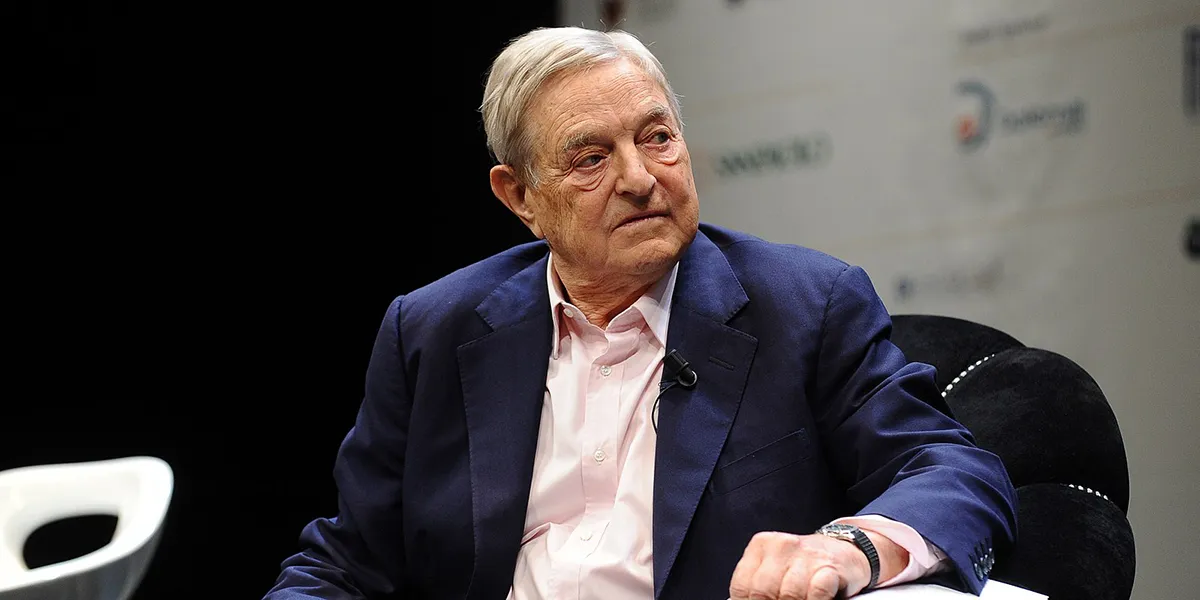
Funding Dissent in the Crosshairs: Trump’s War on the Soros Foundations (Elections & Politics Policy Brief #200)
Elections & Politics Policy Brief #200 | Morgan Davidson | 11/3/2025
Summary
The Trump administration has targeted George Soros and the Open Society Foundations (OSF) in its post-Kirk “crackdown” on what it calls radical left networks. Trump has floated the use of RICO charges, ordered agencies to scrutinize progressive donors and Non-Governmental Organizations (NGOs), and tied OSF to so-called organized political violence. OSF and other left-leaning groups have dismissed these moves as a politically motivated effort to silence dissent and restrict civil society.
In the weeks following the assassination of Charlie Kirk, the White House’s rhetoric hardened.
- Aug 27, 2025 – Trump publicly called for George and Alex Soros to face RICO charges, offering no evidence, an apparent act of political revenge after Fulton County DA Fani Willis pressed similar charges against Trump for his 2020 election actions in Georgia.
- Sept 22, 2025 – Trump signed an order designating Antifa as a domestic terrorist organization, framing it as a first step in a wider crackdown on leftist “support networks.”
- Sept 25, 2025 – The administration broadened its push against what it calls “organized political violence.” The Attorney General refused to confirm or deny investigations into OSF, stating only that “everything is on the table.” OSF responded by calling the move a politically motivated attack, and Reuters later confirmed the DOJ had provided no evidence connecting the foundation to extremist activity.
- Sept–Oct 2025 – Senior Trump allies, including J.D. Vance and Stephen Miller, explicitly named OSF as a target to be “dismantled.”
- Oct 9, 2025 – A Reuters deep dive revealed a multi-agency plan led by Miller to investigate liberal nonprofits and donors linked to OSF’s funding network.
These developments mark one of the administration’s most ambitious and symbolic efforts yet to tie democratic support to domestic terror.
Analysis
The Open Society Foundations have long been a fixture in global democracy and human rights work. Founded by George Soros, OSF operates through a network of regional foundations that support justice, education, civil rights, and government transparency. With an estimated $25 billion in assets and $1.2 billion in expenditures in 2024, the foundation funds thousands of projects worldwide, from court reform to media independence. Alex Soros now chairs the board, and Binaifer Nowrojee serves as president, continuing the network’s mission under a new generation of leadership.
What distinguishes OSF from many of the other groups targeted by the Trump administration, such as Antifa or grassroots protest movements, is its institutional scale and legitimacy. OSF’s work happens not in the streets but through grants, partnerships, and advocacy. Yet, this formality makes it visible and traceable, giving the administration a more tangible target than diffuse movements like Antifa.
On Sept 25, OSF released a statement calling the rumored investigations “politically motivated attacks designed to silence dissent.” Progressive NGOs, including the ACLU, echoed this concern, warning that the administration’s tactics threatened First Amendment protections and risked chilling the broader ecosystem of nonprofit advocacy.
Legal experts also note that U.S. law provides no mechanism to designate a domestic group as a terrorist organization. Trump’s earlier Antifa order, used as a model, lacks binding legal force, making any similar action against OSF largely symbolic and constitutionally fraught. Even so, the administration could still pressure OSF through informal levers such as IRS audits, financial scrutiny, subpoenas, or expansive RICO charges to achieve the same silencing effect.
At its core, the crackdown appears to be as much about political retribution as policy. Trump’s call for RICO charges against Soros and his son came after the same statute was used against him. The administration’s rhetoric, paired with its investigations into liberal donor networks, reveals a multi-front strategy, attacking grassroots activists (Antifa), legal advocates (ACLU), and financiers (OSF) to suppress opposition at all levels.
This attack extends beyond philanthropy: it connects to the President’s repeated attacks on the press as “fake news” and his administration’s influence in media mergers and acquisitions, including cases like Paramount. Taken together, these efforts outline a vision of political control in which speech, funding, and reporting are viewed as threats if they challenge the state.
As the administration moves forward, the feasibility of any legal case against OSF remains doubtful. But the symbolism, painting the largest liberal foundation in the world as an enemy of the state, carries lasting consequences. It signals to other donors that supporting democratic institutions and rights groups may invite federal scrutiny. If the administration is able to take down or significantly crack down on the OSF then who can stand? It reframes philanthropy as terror, and it deepens America’s already dangerous divide between power and opposition, turning democratic infrastructure into another front in the political wars.
Engagement Resources
- Reuters: Evaluating Trump’s plan to crackdown on “radical left” https://www.reuters.com/legal/government/trumps-war-left-inside-plan-investigate-liberal-groups-2025-10-09/?utm_source=chatgpt.com
- Open Society Foundations: Who We Are – Overview of OSF’s mission, grants, and leadership. https://www.opensocietyfoundations.org/who-we-are
- Ebsco: Who is George Soros? A research starter- https://www.ebsco.com/research-starters/biography/george-soros

Bulldozing History (Social Justice Policy Brief #182)
Social Justice Policy Brief #182 | Valerie Henderson | October 29, 2025
Summary
The entire historic East Wing of the White House was demolished in late October 2025 to clear space for President Trump’s controversial $300 million private ballroom project. The rapid, irreversible destruction—which eliminated the offices of the First Lady and her staff, the Social Secretary’s office, the family movie theater, and the primary public entrance—was carried out in a matter of days. This action directly contradicted the President’s prior assurance in July that the new 90,000 sq ft ballroom would be “near it but not touching it,” and would not interfere with the existing structure. The administration proceeded with the demolition without legally required approvals from the National Capital Planning Commission (NPC) or the Commission of Fine Arts, deliberately bypassing the public review process intended to protect the national landmark.
Analysis
The demolition of the East Wing represents a strategic breach of both historic preservation laws and public trust, transforming the project from a controversial renovation into an act of cultural vandalism shielded by political expediency.
Deception and Irreversible Damage
The administration’s messaging involved a clear pattern of deception. The President initially promised the East Wing would remain intact, only for his staff to later claim the complete demolition was suddenly necessary for a “strong and stable” and “modernized” structure. This retrospective justification was used to excuse the unannounced destruction, highlighting a deliberate strategy to achieve an irreversible outcome before critics could organize a meaningful legal response. Critics and watchdog groups immediately labeled the President’s assurances a “Full Flop” and a flagrant abuse of power.
Bypassing Accountability
The most alarming aspect is the administration’s successful effort to circumvent the established oversight process. By arguing that demolition (unlike vertical construction) does not require NPC review, the administration effectively decoupled destruction from accountability. This was done even as the National Trust for Historic Preservation warned that the plans were legally required to undergo public review and that the new, massive ballroom (nearly twice the size of the main White House) would visually “overwhelm” the Executive Mansion itself. Trump further cemented his control over the process by firing the six members of the Commission of Fine Arts shortly after the demolition began
Privatization of a National Landmark
The project’s $300 million cost is being covered by private donors a list that includes major defense contractors and technology companies (e.g., Amazon, Lockheed Martin). The destruction of a historic public institution, the “People’s House,” to build a gilded, Mar-a-Lago-style private entertaining space, funded by corporate interests seeking influence, raises severe ethical and corruption concerns. It symbolizes the replacement of public stewardship with private-sector vanity, effectively treating a national monument as a private commercial property.
My Opinion
The demolition of the White House East Wing is an unforgivable act of political and cultural vandalism. It is not modernization; it is a physical metaphor for this administration’s contempt for the rule of law and the sanctity of public institutions.
This entire episode is a grotesque display of autocratic ego. The East Wing—the domain of First Ladies, the social heart, and the public’s doorway—was destroyed not for security or necessity, but because the sitting President found the existing ceremonial space insufficient for his personal brand. The deceit—promising not to touch the structure, then tearing it down in secret under the guise of an “emergency” build—is a clear breach of public trust.
By allowing private wealth to literally bulldoze and reshape the “People’s House” for his own grand designs, President Trump has effectively completed the privatization of the American presidency. The physical destruction of this landmark is a lasting injury to American history, accountability, and democracy.
Engagement Resources
- National Trust for Historic Preservation – Leading national voice on protecting America’s historic places; sent a formal letter to the administration demanding a pause on the demolition.
- National Capital Planning Commission (NCPC) – The federal agency legally responsible for reviewing construction projects in the National Capital Region.
- Citizens for Responsibility and Ethics in Washington (CREW) – Monitors ethics violations, private funding of public projects, and potential conflicts of interest in the Trump administration.
Pardoned for Profit (Social Justice Policy Brief #181)
Social Justice Policy Brief #181 | Valerie Henderson | October 29, 2025
Summary
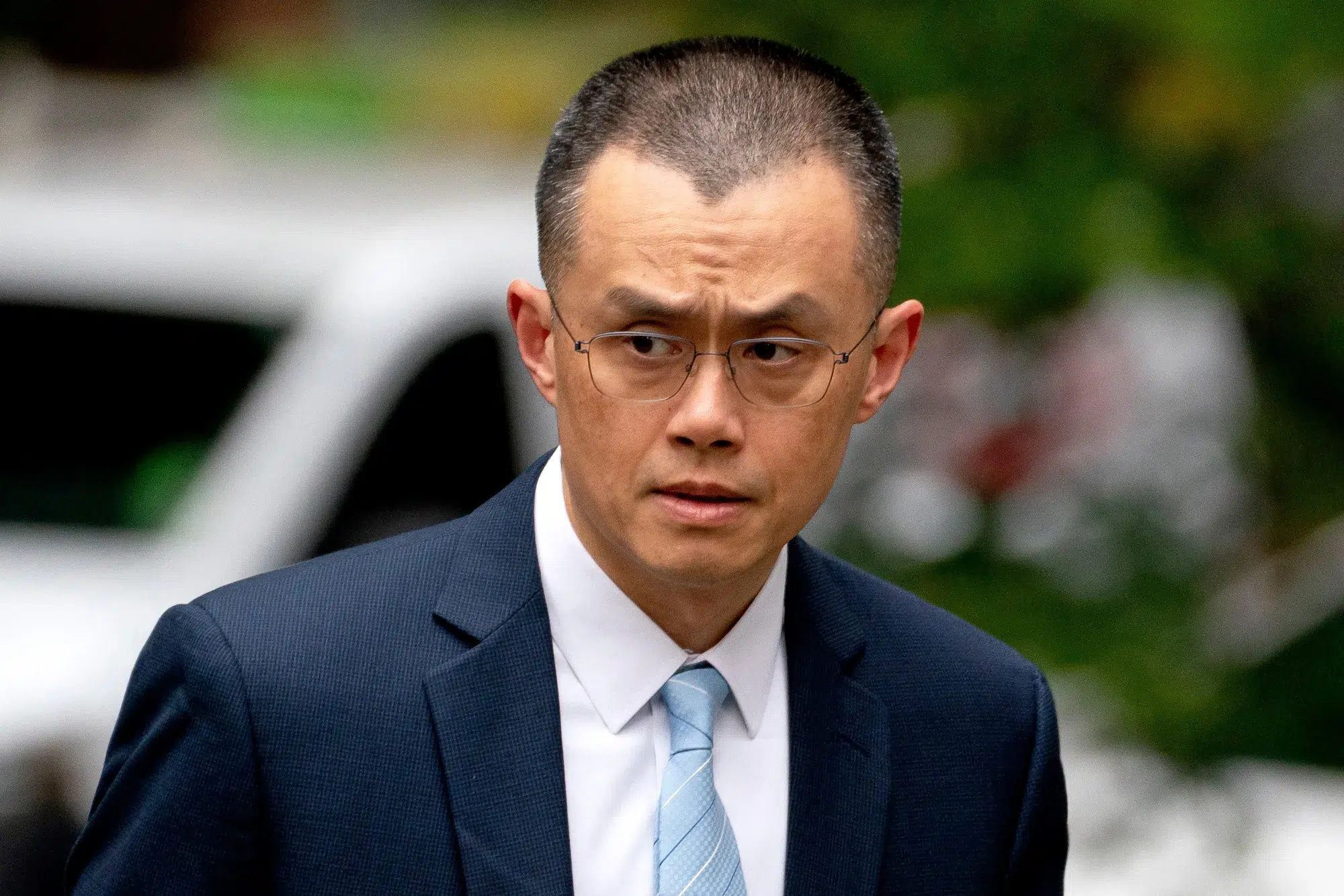
The pardon of Changpeng Zhao (“CZ”), the convicted founder of the world’s largest cryptocurrency exchange, Binance, by President Trump, is widely viewed by critics as a clear act of “pay-to-play” corruption and a severe abuse of executive clemency.
The controversy stems from the direct financial and lobbying links between CZ, his company, and the President’s family business, World Liberty Financial. CZ had pleaded guilty to a felony charge of failing to maintain an effective anti-money-laundering (AML) program, a failure that facilitated billions in illicit transactions for terrorist groups and child abusers. Despite this, the President granted a full pardon shortly after Binance and its associates provided financial and structural support to the Trump family’s new crypto venture, which yielded the President over $57 million in the last year.
Analysis
The executive pardon of Changpeng Zhao represents a critical nexus where executive authority intersects with private financial gain, drawing severe condemnation for its transactional nature and the damage it inflicts upon the rule of law. The highly scrutinized relationship with the Trump family’s venture, World Liberty Financial, provides the ethical framework for this criticism. Zhao’s conviction was not for a minor infraction, but for a federal felony—willfully violating the Bank Secrecy Act—which prosecutors established enabled over $900 million in criminal activity, including money laundering for groups like Hamas, al-Qaeda, and organizations peddling child sex abuse material. Yet, instead of upholding the verdict, the President utilized the constitutional pardon power to effectively erase this crime, a decision immediately following the public emergence of a lucrative financial entanglement.
The connection is threefold and explicit: First, the President’s financial disclosure showed he earned more than $57 million from World Liberty Financial. Second, Binance provided technical support (creating the smart contract) and financial legitimacy to World Liberty’s USD1 stablecoin. Third, this support culminated in a $2 billion investment into Binance that utilized the World Liberty stablecoin, creating a direct economic bond between the President’s family and the convicted executive’s company. The fact that Zhao hired a lobbyist known as a close associate of Donald Trump Jr. to seek “assistance from the administration” only cemented the narrative of a “pay-to-play” scheme, where clemency was a political payoff for business support.
Furthermore, this act aligns perfectly with the strategic patterns of political power and manipulation criticized in USRESIST NEWS foreign policy briefs. The pardon is a form of “narrative erasure”, where the administration denies the atrocity of financial crime by rebranding CZ as a victim of the previous administration’s “war on cryptocurrency”. This move “whitewashes the crime” of enabling money laundering, replacing the need for legal accountability with the “illusion of economic salvation” for the crypto industry and the President’s own financial empire. It converts a legal crisis into a “business plan,” asserting that power absolves itself and that the highest office can be used as a “tool of ego” to reward loyal, wealthy allies. This action sets a dangerous precedent, signaling global impunity for financial crime when it is politically or personally advantageous to the executive branch.
My Opinion
The pardon of Changpeng Zhao represents a profound moral affront to the principles of justice and public service.
This is not an act of mercy; it is a brazen privatization of executive power. The President is shown to have used a solemn constitutional authority—the power to forgive federal crimes as an instrument for personal financial gain and commercial advancement for his family’s enterprise.
In this context, silence on the clear connection between the pardon and profit is not prudence it is complicity. This action signals to the world that if one can provide sufficient financial support to the power structure, one can escape accountability for even the most severe financial crimes. It is the logical and disastrous extension of a worldview that transforms justice into a business plan, and where political access is sold to the highest bidder.
Engagement Resources
- Senate Committee on Banking, Housing, and Urban Affairs (Minority Staff): Provides official legislative and oversight efforts, including pressuring the Department of Justice and Treasury on the pardon’s impact on enforcement.
- Americans for Financial Reform (AFR): A non-profit coalition that advocates for financial accountability and has issued strong statements against the pardon as rewarding “crypto crime”.
- US: A non-partisan government watchdog that monitors and exposes corruption and conflicts of interest within the executive branch.
- Brennan Center for Justice: Provides in-depth analysis and reports on the erosion of oversight, abuses of executive authority, and potential self-dealing in government.
- Transparency International: A global civil society organization that fights corruption, specifically focusing on the integrity and corruption risks associated with executive clemency powers.
Keywords
Pardon Corruption, Changpeng Zhao (CZ) Clemency, Binance Anti-Money Laundering (AML) Failure, World Liberty Financial Conflict of Interest,

A Primer on Commodity Metals (Economic Policy Brief #90)
Economic Policy Brief #90 | William Campbell | October 2025
Commodity metals are raw metals that are globally standardized and traded in bulk. They are typically categorized as industrial (base) metals (copper, aluminum, zinc), or precious metals (gold, silver, platinum). Precious metals are valued for investment and jewelry, while base metals are essential for industrial use and manufacturing. This Brief seeks to explain the ways in which fluctuations in demand influence the pricing and availability of commodity metals. In addition to commodity metals, rare earth minerals play an important role in various technologies but are not globally standardized. We will discuss these in an upcoming brief.
It is anticipated that the demand for most commodity metals will soon increase due to the growth of AI and renewable energy. Commodity metal demand forecasts need to be examined to understand the near and long-term effects of market shifts and their policy implications. For commodity-producing countries, if demand is to fall short of expectations, it would mean revenue shortfalls, which require austerity measures. Policymakers rely on frameworks that allow countercyclical responses to market dynamics, but if they are not aware of how to alleviate price volatility, they cannot combat inflation or encourage economic growth. To mitigate supply-demand imbalances, policymakers need some insight into commodity futures.
Demand for industrial metals is affected by indicators of economic growth, such as technological advancement and infrastructure development. Preparation for an upturn in demand has caused many industrial metals to be in oversupply. Aluminum is necessary for solar and wind power, energy storage, and for the bodies of electric vehicles (EVs). Cobalt is a necessary component for building lithium-ion batteries for EVs and energy storage. Copper is the most cost-effective and efficient industrial metal for conducting heat and electricity. Without it, data centers would be much less viable, and the transmission of electricity necessary for solar and wind power would be dampened. Iron ore is a necessary input to produce steel, which is used to create infrastructure for most green energy sources. Lithium is the key component of rechargeable lithium-ion batteries, which are used to power electric cars and clean energy devices. Nickel is important for high density energy storage and strengthening materials used in clean energy technologies. Zinc is used to galvanize steel, strengthening infrastructure used for solar and wind power collection.
TABLE 1: The Relationship Between Supply and Demand for Industrial Metals
Aluminum→Market Deficit→40% demand increase by 2030
Cobalt→Oversupply→Market deficit by 2030→Demand increase
Copper→Market Deficit→24% demand increase by 2035
Iron Ore→Oversupply→Demand increase, but only for high-quality ores
Lithium→Oversupply→Inelastic producers outpace demand→Market deficit by 2030
Nickel→Oversupply→Market rebalancing will create a market deficit in the 2030s
Zinc→Oversupply→Slow demand increases starting in the 2040s
Precious metals other than gold have more volatile demand. Silver, platinum, and palladium exist in smaller markets with higher expenditures per purchase. Gold is comparatively more stable due to its larger market and universal recognition. It is capable of conductivity needed for quick and efficient transmission of data while being malleable enough to coat circuit board components. Gold is seen as a safe investment during economic uncertainty, in turn facing price slumps as investors sell for profit. The market for gold is too large to accurately predict changes in specific industries.
Palladium is used in advanced memory storage, so its usage in AI technology could increase its sensitive market value. Palladium’s growth over the next two decades is due to hydrogen synthesis, which makes analysis difficult. Platinum is useful for creating sensors to maintain conditions for AI operations, such as gauging temperature spikes. Silver demand is projected to increase in the 2030s due to its necessity for solar energy collection. Its high conductivity and unmatched optical reflectivity make it unparalleled.
TABLE 2: The Relationship Between Supply and Demand for Precious Commodity Metals
Gold→Market Deficit→40% demand increase by 2030
Palladium→Oversupply→Market deficit by 2030→Demand increase with unsure impact
Platinum→Market Deficit→24% demand increase by 2035
Silver→Market Deficit→170% demand increase by 2030
Engagement Resources
- Council on Foreign Relations | David Hart | The World Will Miss U.S. Investment in Energy RD&D
- Everstream Analytics | Commodity Outlook: Supply Chain for Metals
- Reuters | David Russel | Critical minerals are stuck between demand hopes and oversupply reality
- S&P Global | Katya Bouckley | Nickel Market Could Stay in Oversupply until 2030
- World Bank | Commodity Markets

Silence as Strategy: U.S. Denial of Genocide in Gaza (Foreign Policy Brief #220)
Foreign Policy Brief #220 | Valerie Henderson | October 16, 2025
Summary
In September 2025, a United Nations Commission of Inquiry concluded what many on the ground have known for months: Israel is committing genocide in Gaza. The commission cited deliberate acts—mass civilian killings, destruction of vital infrastructure, deprivation of basic needs, and explicit incitement from Israeli officials—that collectively meet the threshold under the 1948 Genocide Convention.
And yet, in the United States, the word “genocide” remains politically taboo. Lawmakers dodge it, journalists dilute it, and diplomats avoid it altogether. This isn’t semantic caution—it’s calculated silence. By refusing to name genocide, U.S. officials shield allies from accountability, sidestep treaty obligations, and normalize a global hierarchy in which some human lives are deemed less grievable than others.
Analysis
The U.N. commission’s report was clear: Israeli authorities have committed acts consistent with genocide, including killing members of a protected group, inflicting conditions designed to destroy life, and preventing births among Palestinians. The findings recommended that all member states review military and economic cooperation with Israel and suspend arms transfers immediately.
Despite that clarity, Washington’s response was predictably evasive. President Trump and senior administration officials characterized the findings as “one‑sided,” insisting the situation was “complex” and that Israel had the right to defend itself. These talking points echo years of U.S. foreign policy continuity: affirm Israel’s actions, minimize Palestinian death, and defer accountability indefinitely.
But denying genocide is not a neutral act—it is participation. The Genocide Convention, to which the U.S. is a signatory, obligates states not only to punish but also to prevent genocide. Pretending not to see it allows the killing to continue under diplomatic cover. Silence becomes a strategy, not a lapse.
Meanwhile, Trump’s so‑called “takeover plan” for Gaza only deepens the moral rot. His February 2025 proposal to “redevelop” Gaza under U.S. supervision and transform it into the “Riviera of the Middle East” reads like a colonial blueprint, not a peace proposal. The plan includes relocating populations, restructuring governance, and inviting American investors to “rebuild” on flattened Palestinian neighborhoods.
Such proposals convert genocide into an opportunity—where mass death becomes the pretext for real estate speculation, economic control, and narrative cleansing. It is the “displacement economy”: an old imperial tactic dressed in new neoliberal language.
This pattern—silence on atrocity, appropriation of reconstruction, rewriting of agency—reveals how global power sustains itself. Gaza’s suffering is filtered through press releases, branded as progress, and sold as stability. Trump’s rhetoric is not merely tone‑deaf; it’s a strategic repackaging of colonial dispossession for a modern audience.
The Price of Silence
Failing to name genocide has consequences far beyond Gaza. It signals to aggressors everywhere that impunity is possible if you have the right allies. It erodes the credibility of international law and diminishes the power of global institutions meant to protect civilians. It tells survivors that their suffering will be footnoted, not honored.
For Palestinians, this denial compounds trauma. Generations have witnessed occupation, blockade, and bombardment—but 2025 has introduced annihilation on an industrial scale. When the U.S. refuses to say “genocide,” it denies victims even the dignity of acknowledgment.
The Weaponization of Language
The refusal to use the term “genocide” also reflects a deeper problem: the manipulation of language as political armor. Calling it “war” implies mutuality. Calling it “conflict” implies parity. Both distort the reality of asymmetrical power—an occupying army versus an imprisoned civilian population.
This linguistic sleight of hand allows U.S. leaders to maintain the façade of diplomacy while backing policies that perpetuate death. The insistence on neutrality is itself a form of violence. Neutrality in the face of massacre is not balance—it is endorsement.
My Opinion
To deny genocide is not prudence—it is complicity. The United States, under Trump, has chosen to mute its conscience in service of geopolitical loyalty and domestic politics. His refusal to name or condemn atrocity is not ignorance; it is intentional. It aligns perfectly with a worldview where power absolves itself, where victims must prove their humanity before earning recognition.
Trump’s vision of Gaza—as property to be “redeveloped,” as chaos to be “controlled,” as history to be “rebranded”—is the logical extension of this silence. It transforms a genocide into a business plan. It commodifies pain and cloaks it in patriotic rhetoric.
We cannot allow that erasure. Every civilian buried under rubble, every hospital stripped of power, every family displaced from land is a record of what silence produces. To speak plainly—to say genocide—is to reclaim moral language from political cowardice.
Naming matters. It is the first step toward justice, accountability, and repair. Until the United States abandons its strategic silence, it remains not an observer of atrocity, but its enabler.
Engagement Resources
- Human Rights Watch – Monitoring and documenting human rights violations, especially in Gaza.
- International Federation for Human Rights (FIDH) – Global coalition of human rights NGOs, often engaged in legal advocacy.
- Genocide Watch – Monitors and warns against escalating genocidal risk, offers alerts and policy guidance.
California’s Landmark AI Regulations Don’t Go Far Enough (Technology Policy Brief #158)
Technology Policy Brief #158 | Mindy Spatt | October 29, 2025
Summary
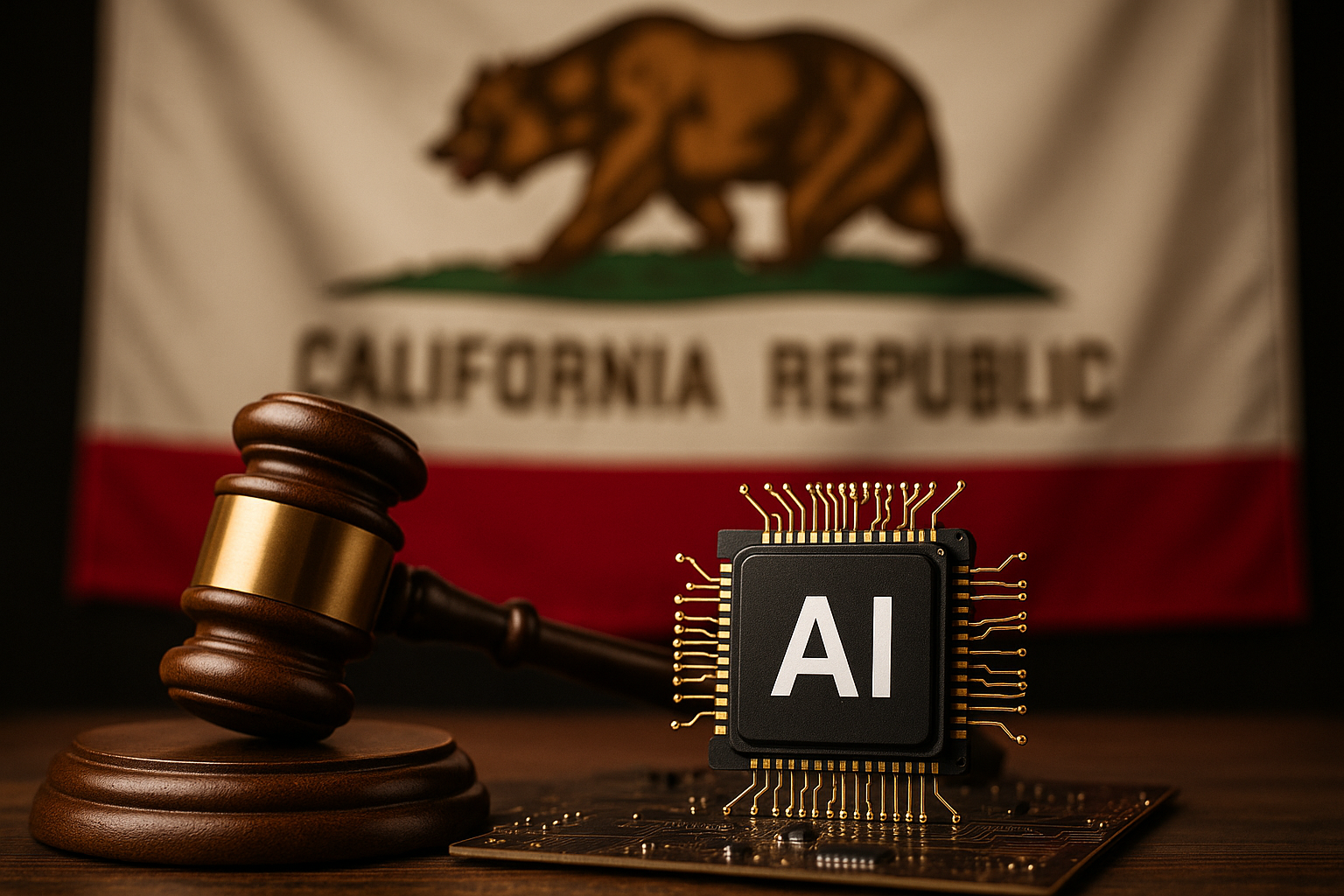
California styles itself as a leader in AI regulation. Two landmark bills were signed by Governor Newsom this year over the usual industry objections. But the bills don’t go as far as safety advocates wanted, and don’t offer sufficient protections to young, vulnerable users.
Analysis
Reporting on AI Risks- Senate Bill 53
A landmark bill with first-in-the-nation AI standards, Senate Bill 53 imposes new reporting requirements on large AI models (models trained on enormous and diverse datasets that include trillions of data points) and extends whistleblower protections. It targets catastrophic risks, which the bill defines as “a foreseeable and material risk “that an AI model could:
- Contribute to the death or serious injury of 50 or more people or cause at least $1 billion in damages;
- Provide expert assistance in creating or releasing a chemical, biological, radiological, or nuclear weapon;
- Engage in criminal conduct or a cyberattack without meaningful human intervention; or
- Evade the control of its developer or user.
A predecessor bill, SB 1047, would have applied to a wider range of AI systems, but Governor Newsom failed to sign it. Critics have complained that SB 53’s focus specifically on large AI models is much too limited. And SB 53’s exemption for smaller companies and start-ups is a blatant give-away to an industry Newsom sees as key to California’s prosperity.
Senate Bill 1074 was more focused on prevention than compliance. It would have required AI models to meet safety certification standards before they went live. Senate Bill 53 doesn’t have similar provisions; it only requires reporting on the models after they are put into use. Independent third-party audits were also dropped in the new version of the bill.
“California has proven that we can establish regulations to protect our communities while also ensuring that the growing AI industry continues to thrive,” Governor Newsom bragged in his signing statement. But other proposed bills, like New York’s RAISE Act, set higher liability standards; harm must be a “probable consequence” of the model that could not have been “reasonably prevented.” The New York State Legislature has approved the Responsible AI Safety and Education Act, and it is awaiting Governor Hochul’s signature. It applies more broadly to “large developers” that spend over $100 million in training costs and requires companies not to use AI models that present …” unreasonable risks of critical harm” until the risks are mitigated.
Deadly Chatbots- Senate Bill 243
Senate Bill 824 is one of the first attempts in the nation to regulate chatbots, but child safety advocates say it doesn’t go far enough.. Under SB 243, companies that offer chatbots, such as OpenAI’s ChatGPT, would be required to add safeguards that would monitor conversations for signs of suicidal ideation and take steps to prevent self-harm, such as referrals to mental health services. ChatGPT is currently being sued for wrongful death in a case where a teen boy’s relationship with a chatbot allegedly drove him to suicide.
Makers of the chatbots will be required to add reminders to users of the artificial nature of the chats, and kids using the bots will also get reminders to take breaks. Companies would have to take steps to prevent children from being exposed to sexually explicit content through Chatbots. Meta, Facebook’s parent company, faced outrage from parents after a leaked copy of its chatbot rules revealed that the company’s bots were allowed to have “sensual” conversations with children.
Child safety advocates from Tech Oversight and Common Sense Media had supported a stronger bill, AB 1064, that would have prevented children from using “companion” chatbots unless companies met specific safety thresholds. Common Sense Media, whose CEO is Jim Steyer, a brother of billionaire climate activist Tom Steyer, and former Biden administration U.S. Surgeon General Vivek Murthy recently announced they will file a ballot initiative in California to rein in the use of artificial intelligence chatbots by young people and hold big tech companies accountable for any harms their products cause.
Called “The California Kids AI Safety Act,” the initiative would establish guardrails for companion chatbots, ban cellphones in classrooms, prohibit the sale of children’s data, require regular independent safety audits, and provide for education in AI literacy and safety.
In announcing the move, Steyer and Murthy specifically pointed to the multiple teenagers who died by suicide after using chatbots. The family of one of those teenagers, Adam Raine, had directly urged Newsom to sign the stronger chatbot bill he vetoed. Raine’s death was also referenced in a Statement by Commissioner Melissa Holyoak in announcing a Federal Trade Commission investigation into Chatbots, linked below.
ENGAGEMENT RESOURCES
- Statement of Commissioner Melissa Holyoak Regarding Issuance of Section 6(b) Orders to Companies That Offer Generative AI Companion Products or Services, September 11, 2025, https://www.ftc.gov/legal-library/browse/cases-proceedings/public-statements/statement-commissioner-melissa-holyoak-regarding-issuance-section-6b-orders-companies-offer
- Accountable Tech Commends New York State Senate on Passage of RAISE Act, Urges Gov. Hochul to Sign, https://accountabletech.org/statements/accountable-tech-commends-new-york-state-senate-on-passage-of-raise-act-urges-gov-hochul-to-sign/
Trump’s Staff Reductions Leave FEMA Less Prepared: When the Helpers Don’t Show Up (Social Justice Policy Brief #180)
Social Justice Policy Brief #180 | Charles Sweeney | October 31, 2025
The Disaster Gap
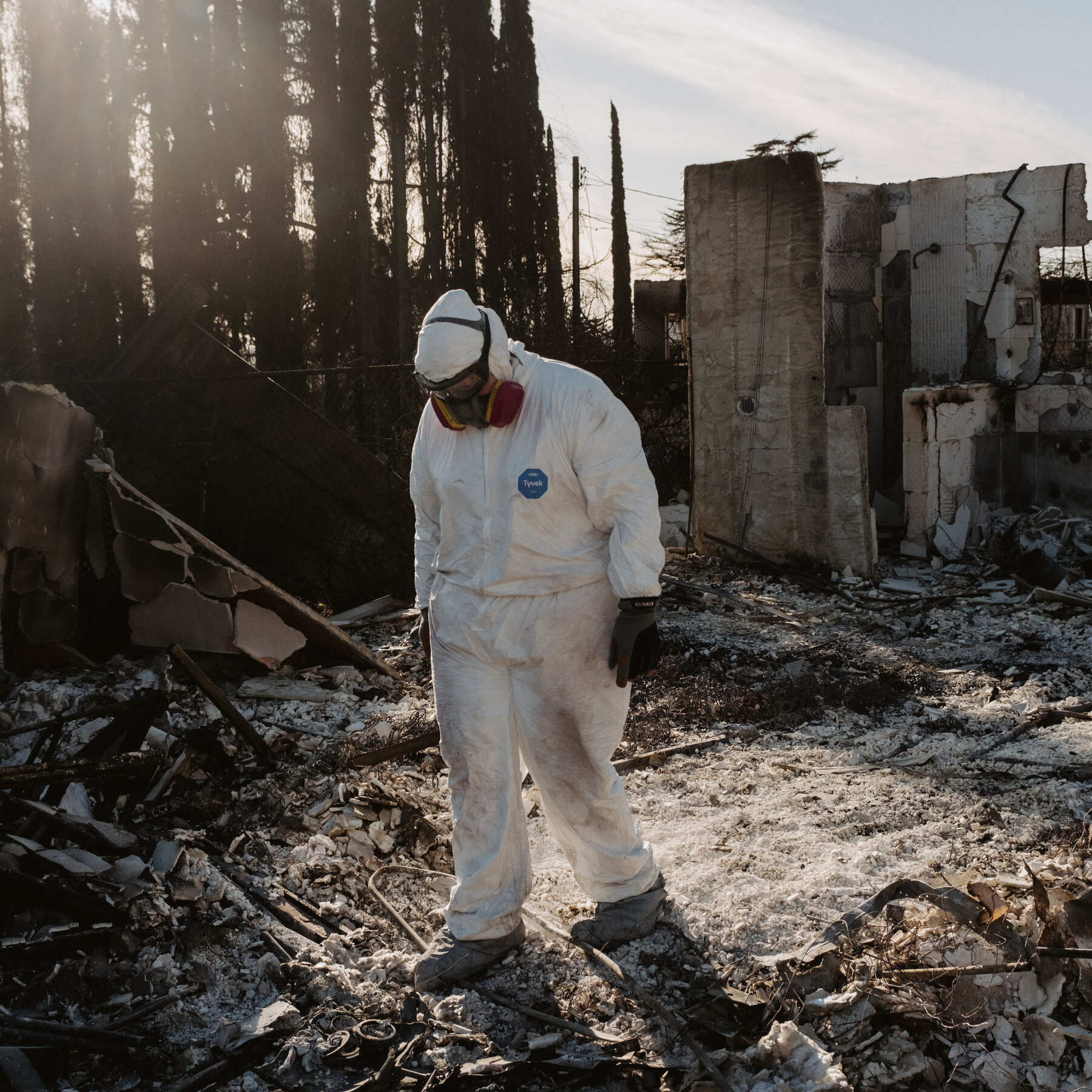
We’ve all seen the images on our screens — homes splintered, power gone, dazed residents wandering through shattered neighborhoods. They’re desperate for water, cell service, and food. Some are still searching for missing loved ones.
In those first chaotic hours after disaster strikes, one question echoes through every devastated community: Where is FEMA? This spring, in parts of Kentucky and Missouri, that question went unanswered for days. Local officials expected the familiar convoy of federal trucks, inspectors, and field officers — but the help never came.
In St. Louis, Missouri, Mayor Tishaura Jones publicly lamented that the Federal Emergency Management Agency “has not been on the ground” days after a deadly tornado. “We cannot shoulder this alone,” she told reporters, calling for faster federal support (The Daily Beast). Meanwhile, in Kentucky, frustration boiled over among state leaders.
Several Republican lawmakers accused FEMA of being unresponsive and disorganized. They said the agency “set up command centers far from the hardest-hit communities” and that many locals “refused to deal with FEMA any more because of how adversely they were treated” (News From the States). Even Governor Andy Beshear pleaded with President Trump to expedite a disaster declaration to speed recovery funds (Kentucky Lantern).
Fewer Workers, Slower Response
The slow response isn’t happening in a vacuum. Since January 2025, FEMA has lost more than 2,400 employees — nearly 10 percent of its workforce — through a mix of buyouts, retirements, and firings (Government Accountability Office). About 1,500 staffers left through voluntary buyouts or early-retirement programs.
In February, more than 200 probationary employees were abruptly dismissed during a government-wide “performance realignment,” many learning of their termination by email . Later that summer, another 23 IT specialists were fired after a cybersecurity breach. Four senior officials — including FEMA’s CFO — were also removed following an internal audit of hotel reimbursements (Associated Press).
The result has been predictable. FEMA’s Public Assistance grants, which fund infrastructure repairs, now take over 90 days on average to process — up from about two months in 2024. Individual Assistance awards, the direct cash help for survivors, have fallen roughly 14 percent year-over-year (Department of Homeland Security Inspector General).
Local emergency managers say they’re stretched too thin. “People who used to get site visits in 48 hours now wait a week or more,” one Louisiana parish director told The Advocate. “Some never see a FEMA badge at all.”
Modernization or Mismanagement?
FEMA leaders insist the agency is modernizing. New automation tools and digital case-management systems are supposed to “streamline assistance and speed recovery.” But internal reviews and watchdog reports show those tools aren’t ready to replace human expertise.
A veteran analyst told the Union of Concerned Scientists that morale has “cratered” since February’s mass firings — and warned that “you can’t automate compassion.” Governors and emergency directors across the South and Midwest are also sounding the alarm. The National Emergency Management Association warned in May 2025 that “the erosion of FEMA’s workforce undermines national resilience.”
Some states — including Florida and Texas — are creating their own “mini-FEMAs,” expanding local programs to fill federal gaps. But experts say those state efforts can’t replace FEMA’s national coordination role. As Mayor Jones put it after the St. Louis tornado: “We cannot shoulder this alone.”
Climate Warnings and What Comes Next
All of this comes at a moment when climate science points to more frequent and more severe disasters. The National Oceanic and Atmospheric Administration (NOAA) recorded a record 28 billion-dollar weather disasters in 2024. Projections show that number could climb further as global temperatures rise and atmospheric moisture fuels stronger storms, floods, and wildfires (NOAA Climate Report).
In short, the nation’s disaster curve is going up — just as FEMA’s staffing curve is going down. This widening gap threatens not only response times but also long-term recovery for low-income and rural communities that rely most heavily on federal assistance. Experts warn that this imbalance could leave the nation dangerously unprepared for back-to-back catastrophes.
Scientists have long cautioned that the U.S. is entering a “new normal” of overlapping crises — where one hurricane, wildfire, or heat wave hits before the last disaster is fully recovered. With the planet warming and extreme weather becoming routine, this may be the worst possible time for FEMA to be smaller, slower, and stretched thinner than ever.
Engagement Resources
- The Daily Beast: https://www.thedailybeast.com/st-louis-mayor-says-fema-still-hasnt-helped-with-tornado-recovery/
- News From the States: https://www.newsfromthestates.com/article/some-kentucky-republicans-echo-trumps-complaints-about-fema-after-latest-flood
- Kentucky Lantern: https://kentuckylantern.com/2025/05/21/as-tornado-disrupts-regions-tourism-economy-beshear-asks-trump-for-expedited-disaster-declaration/
- ABC News: https://abcnews.go.com/US/agencies-federal-workers-fired/story?id=118901289
- Associated Press: https://apnews.com/
- Government Accountability Office: https://www.gao.gov/
- Department of Homeland Security Inspector General: https://www.oig.dhs.gov/
- Union of Concerned Scientists: https://blog.ucsusa.org/shana-udvardy/trumps-6-worst-attacks-on-fema-in-the-first-100-days/
- National Emergency Management Association: https://www.nemaweb.org/
- NOAA Climate Report: https://www.noaa.gov/news

Europeans no longer feel safe because of Russia; A First Person Account (Foreign Policy Brief #218)
Foreign Policy Brief #218 | Yelena Korshunov | October 23, 2025
During my trip across Europe a week ago, I spoke with people from different countries — ordinary men and women I met along the way. I asked each of them whether they feel safe in their country today and whether they expect a war.
Their answers echoed the broader mood across the continent. Many Europeans no longer feel safe because of Russia’s growing threats. According to a recent YouGov survey conducted in seven EU countries, “the closer a country lies to Russia, the more likely its people are to view the Kremlin as one of Europe’s main threats.” Russian aggression was named as one of Europe’s greatest dangers by 62 percent of respondents in Denmark, 57 percent in Lithuania, and 51 percent in Poland. In Germany, 36 percent considered Russia a top threat, followed by 31 percent in France, 22 percent in Spain, and 20 percent in Italy. Interestingly, in addition to fears of Moscow’s aggression, 19 percent of Spaniards and 17 percent of Italians said they also feel unsafe because of Washington’s actions.
Vaida lives in Vilnius, the capital of Lithuania. She is a university professor. “There’s a lot of talk here about Russia preparing to attack us. We’re afraid that the Russians might suddenly invade Lithuania just as they invaded Ukraine,” Vaida says. “We’re digging anti-tank trenches along the border and getting ready to repel an attack. I’m very afraid that my sons and my husband will have to go to war to defend us from the Russians.”
Carl runs a small restaurant in Dresden, a beautiful city in Germany. “I’m disturbed by Trump’s attitude toward Europe and his strange friendship with Putin. There is a lot of talk that Trump was recruited by the KGB years ago and has been their long-term project. How else can you explain the way he dances to Putin’s tune, as if following his orders? Trump is trying to weaken NATO — and that’s exactly what Moscow needs to attack European countries.”
Gerhard held a senior position in a large trading company for many years. Now he’s retired, living in Austria. He believes that NATO is capable of stopping a Russian attack on European countries, but America’s stance toward the alliance plays into Putin’s hands. “How could you elect Trump as president?” he’s wondering, looking at me inquisitively. “Half the country considered him a worthy candidate,” I replied. “I apologize for my country — and for our president.”
Adam drives us from the airport to Prague, the capital of the Czech Republic — a former member of the socialist bloc. He says he was a child when, in 1968, Soviet tanks rolled into Prague, crushing in blood the attempt of liberalization of the totalitarian Soviet regime. Adam tells us about this in very broken English, but we understand him. We also know about the “Prague Spring” — the period of liberalization in Czechoslovakia from December 10, 1967, to August 21, 1968, associated with the election of Alexander Dubček as First Secretary of the Communist Party and his reforms aimed at expanding citizens’ rights and freedoms and decentralizing power.
On the plane to Prague, my husband and I wondered which language we should speak there so as not to irritate the locals. Given Trump’s attitude toward escalating Russian threats toward Europe — “it’s none of my business” — English didn’t seem like the best option. The older generation of Czechs learned Russian in school, but after Russian tanks on Prague streets in 1968, Russian is not a beloved language in the Czech Republic. As it turned out, however, speaking English was perfectly acceptable — at least in tourist areas.
Kristina works at the reception desk of a cozy hotel in Old Prague. She’s a student and works part-time there on weekends. “I don’t think about the possibility of war here. None of us talk about it. We just live our lives. I hang out with friends, but we don’t discuss politics. There are many Ukrainian refugees in Prague. A girl from Ukraine studies with me. We don’t talk about what’s happening there,” Kristina says.
I understand her. It’s hard to imagine that incredibly beautiful, vibrant, tourist-filled Prague could ever come under shelling. May it always stay that way — may the sky over the Czech Republic and the entire Europe remain peaceful. But Ukrainian cities — Kyiv, Odesa, and Lviv — were once just as full of tourists and bright lights before they, too, came under relentless Russian bombardment, destroying lives and leaving behind ruins and tragedy.
Engagement Resources
- The closer to Russia the greater the fear, opinion poll finds, https://www.politico.eu/article/russia-opinion-poll-closer-border-fear-yougov-eu-countries/
- What Europeans think of Trump’s approach to Ukraine (and what they might do next), https://www.atlanticcouncil.org/blogs/new-atlanticist/experts-react/what-europeans-think-of-trumps-approach-to-ukraine-and-what-they-might-do-next/
- Senior German General Says Europe Must Do All It Can to Help Ukraine, https://www.nytimes.com/2025/10/20/world/europe/ukraine-russia-war-europe.html

How the Trump Administration Shook Up Education — and What It Means for Students with Disabilities (Education Policy Brief #211)
Education Policy Brief #211 | Charlie Sweeney | October 23, 2025
While most of the major media headlines about the Trump Administration’s education policies have focused on ideological battles with the nation’s premier universities, a quieter but more radical reshaping is taking place at the heart of the American education system itself.
When the Trump administration took office on January 20, 2025, its first moves sent shockwaves through classrooms across the country — especially for students with disabilities. For decades, federal laws like the Rehabilitation Act of 1973 and the Individuals with Disabilities Education Act (IDEA) have guaranteed every child a free and appropriate education. But as the new administration began reorganizing the Department of Education, many families started to wonder whether those rights would still hold the same meaning.
Within weeks, the Department of Education announced major staff cuts and rolled back key guidance documents. Hundreds of employees who monitored compliance with IDEA were dismissed or reassigned. Offices that once advised schools on federal special-education requirements fell silent. The message was clear: less federal oversight, more “local control.” For families of children with disabilities, that meant confusion and uncertainty. Districts didn’t know which rules still applied or who to call for help. Reporting by Education Week and The Hechinger Report detailed how these cuts disrupted special-education oversight and left parents facing long delays in getting help for their children.
By mid-2025, the administration began exploring an even larger structural shift — moving special-education programs, including IDEA, out of the Education Department and into the Department of Health and Human Services. The stated goal was efficiency and flexibility for states. But critics saw danger ahead. Moving oversight away from career education specialists, they warned, could weaken the federal protections that millions of students depend on. Analysis from the Brookings Institution described this as one of the most sweeping bureaucratic reorganizations of special-education governance in half a century.
The legal rights of students with disabilities technically remain intact. But with fewer federal staff, slower investigations, and shifting rules for grant distribution, those rights are harder to enforce. Schools may delay evaluations or reduce therapy and support services. In under-resourced districts, families could lose access to the very protections the 1970s laws were meant to guarantee. A review by the Center on Budget and Policy Priorities warned that these moves risk deepening inequities, leaving enforcement up to the uneven capacities of individual states.
Conclusion
The 2025 Trump administration’s changes didn’t repeal the landmark laws protecting students with disabilities — but they weakened the system that upholds them. Parents, advocates, and educators now face a tougher fight to ensure that every child, regardless of ability, continues to receive the education they are promised under federal law.
Sources
- Center on Budget and Policy Priorities — “Trump Administration Threatens Support for Children with Disabilities.”
- Education Week — “How Trump’s Layoffs Threaten Students with Disabilities.”
- Brookings Institution — “Trump Administration Weighs Future of Special Education Oversight and Funding.”
- Hechinger Report — “Parents, Advocates Alarmed as Trump Leverages Shutdown to Gut Special Education Department.”
Saudi Arabia Enters the Video Game Industry (Foreign Policy Brief #219)
Foreign Policy Brief #219 | Reilly Fitzgerald | 10/9/2025
Policy Summary
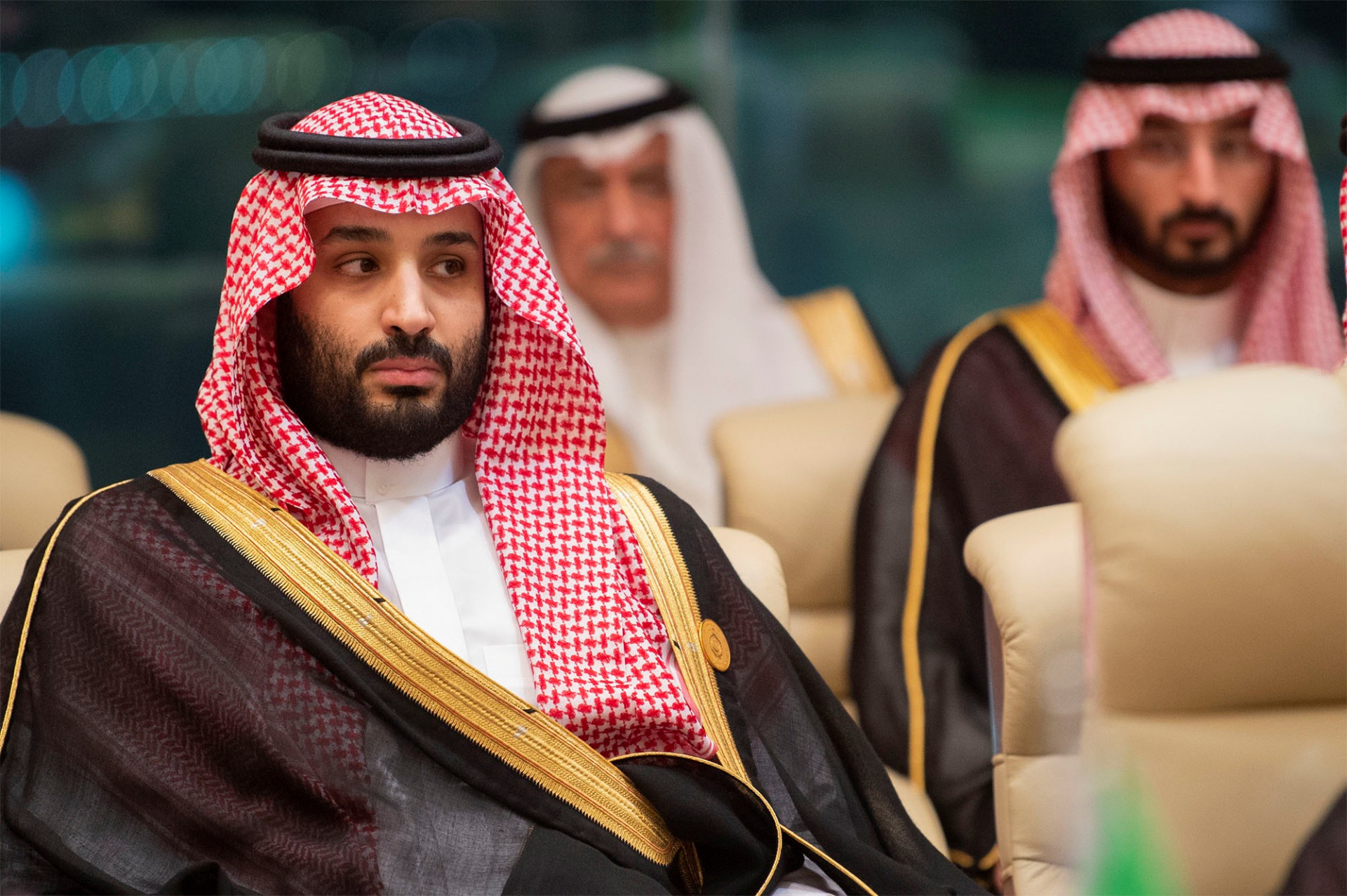
The Saudi Arabian Public Investment Fund (PIF) purchase of the video gaming company- Electronic Arts (EA)- comes with a $55 billion price tag. It is a joint-venture between the PIF and the private equity firm Silver Lake , and Jared Kushner’s Affinity Partners (another private equity firm). The purchase will take EA from a public company to a privately-owned company, which means that all of the stock in the company will be entirely owned by the PIF and Silver Lake, and cannot be purchased.
According to the BBC, $36 billion of the deal will be paid directly by the PIF and Silver Lake, and the remainder will be purchased with loans. The move is interesting on many levels, according to Axios, Saudi Arabia already had a 9.9% stake in EA prior to the purchase. Also, Jared Kushner is directly involved in the purchase involving Saudi Arabia at a time when he is in the Middle East (for the Gaza peace deal) as senior advisor to the President of the United States, his father-in-law, is quite intriguing if not worrying.
Analysis
Electronic Arts, known as EA, is one of the world’s most popular and prolific video gaming companies. Their games include EA FC (formerly known as the FIFA franchise of games), the Madden franchise, Battlefield, NBA, NHL, and many other wildly popular games! Video games is an industry with tremendous reach globally. Since 1993, 325 million copies have been sold around the world of EA FC, and FIFA as it was formerly known ; making it one of the most popular game series ever. In the United States, Madden is the most popular sports game which gets its name from NFL legend John Madden.
Saudi Arabia’s Public Investment Fund, or PIF, has been a soft power tool of the Saudi government. The PIF Fund has helped increase Saudi investment in various sectors and strengthen Saudi relationships with countries. PIF is a major owner and investor in football (or soccer) clubs around the world with the likes of Newcastle United in the UK.
Saudi’s investments in sports, in particular, has been labeled “sportswashing,” i.e. it has been a way for the Saudi Arabian government to increase its publicity and popularity while also maintaining a regime that violates human rights. Their move into new sectors and industries has also been a part of their Saudi Vision 2030 program which aims to diversify their entire economy away from traditional fossil fuels (which has propped their economies for decades) and transition into a post-oil world. Is the move to purchase EA a new moment of economic diversification, or is it more in the way of “sportswashing”? The answer isn’t totally clear.
Saudi Arabia has invested heavily in the video game industry for years. The Saudi PIF owns the Savvy Games Group, which in 2023 bought Scopely, a video game company that owns products like (the very popular) PokémonGO, MonopolyGO, and ScrabbleGO, among many other games. Scopely was bought by Savvy Games Group for $4.9 billion.
Saudi Arabia is also hosting the eSports World Cup, and the Olympic eSports Games in 2027 (an International Olympic Committee [IOC] event). The government is already involved with Nintendo and TakeTwo Interactive, which are both video game companies.
The Saudi Arabian PIF’s purchase of Electronic Arts (EA) comes with a $55 billion price tag, and is a joint-venture between the PIF and Silver Lake, which has direct ties to Jared Kushner’s Affinity Partners. The purchase will take EA from a public to a privately-owned company, which means that all of the stock in the company will be entirely owned by the PIF and Silver Lake, and cannot be purchased. According to the BBC, $36 billion of the deal will be paid directly by the PIF and Silver Lake, and the remainder will be purchased with loans.
The move is interesting on many levels, according to Axios, Saudi Arabia already had a 9.9% stake in EA prior to the purchase. Also, Jared Kushner being directly involved in the purchase involving Saudi Arabia at a time when he is in the Middle East (for the Gaza peace deal) as senior advisor to the President of the United States, his father-in-law, is quite intriguing if not worrying.
So, is it “sportswashing”, or “gamewashing”? It remains yet to be seen. However, it is clear that Saudi Arabia is interested in investing and purchasing brands around the world in various industries to increase their relations with foreign governments. It remains to be seen if this is a soft power tool, just a means to diversify their oil dependent economy into burgeoning industries.
Engagement Resources
- Saudi Vision 2030 – https://www.vision2030.gov.sa/en
- Savvy Games Group (PIF) – https://www.pif.gov.sa/en/our-investments/our-portfolio/savvy-games-group/
- Olympic eSports Games (IOC) – https://www.olympics.com/ioc/olympic-esports-games