During my trip across Europe a week ago, I spoke with people from different countries — ordinary men and women I met along the way. I asked each of them whether they feel safe in their country today and whether they expect a war.


During my trip across Europe a week ago, I spoke with people from different countries — ordinary men and women I met along the way. I asked each of them whether they feel safe in their country today and whether they expect a war.

While most of the major media headlines about the Trump Administration’s education policies have focused on ideological battles with the nation’s premier universities, a quieter but more radical reshaping is taking place at the heart of the American education system itself.
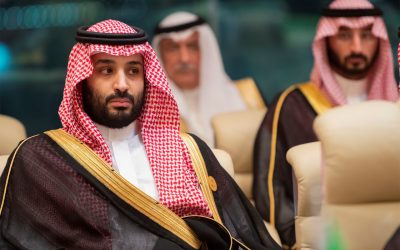
Saudi’s investments in sports, in particular, has been labeled “sportswashing” and a way for the Saudi Arabian government to increase its publicity and popularity in the world while also maintaining a regime that violates human rights. Their move into new sectors and industries has also been a part of their Saudi Vision 2030 program which aims to diversify their entire economy away from traditional fossil fuels (which has propped their economies for decades) and transition into a post-oil world. Is the move to purchase EA a new moment of economic diversification, or is it more in the way of “sportswashing”? The answer isn’t totally clear.

Diplomatic “soft power” is related to a country’s ability to influence other nations through its core values and culture. American democratic values including a free press, the legal justice system, and foreign engagement programs are potent sources of American soft power. When public trust in these American democratic norms and institutions wanes, America stands to lose its invaluable soft power. Among President Trump’s many actions that diminish U.S. soft power—from his persistent, pernicious attacks on the American media, legal system, electoral process, universities, and allies, to his constant maligning of past U.S. presidents and his racist mocking of current U.S. politicians—it’s Trump’s attempt to terminate the nation’s long-running international exchange and aid programs that could have the most deleterious effects, making America weaker at home and abroad.
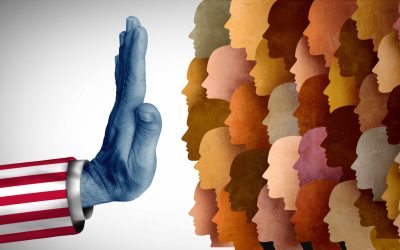
International migration continues to grow, with the UN’s International Organization for Migration (IOM) estimating there were 281 million international migrants globally in 2020. While much migration is South-South (between developing nations), displacement from conflict, climate change, and economic instability drives significant South-North movement. This visible migration has become a foundational issue for populist movements, particularly in Europe and North America, which frame migrants as a threat to cultural identity and national security. In response, governments are increasingly adopting deterrence-focused policies, raising significant human rights concerns.
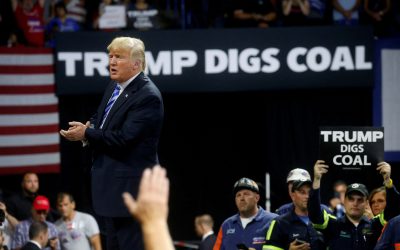
In a move that has startled climate scientists and energy economists alike, the Trump administration recently unveiled a sweeping new initiative aimed at reviving America’s coalindustry—a sector long regarded as both an economic relic and a climate catastrophe. The plan, a mix of subsidies, deregulation, and export promotion, represents a dramatic reversal of the Biden-era shift toward renewable energy and the most significant policy intervention in favor of coal since the early 2000s.
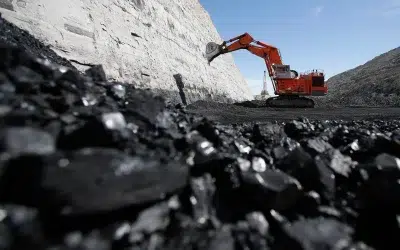
Most economic and energy analysts define coal as having an impending obsolescence, regardless of government intervention. Forcing more years out of coal plants that are aging past their end of life will end up passing unnecessary costs onto consumers. A study by independent consulting firm Grid Strategies has found that the real cost of mining defunct coal facilities will end up costing end consumers up to $6 billion a year USD.
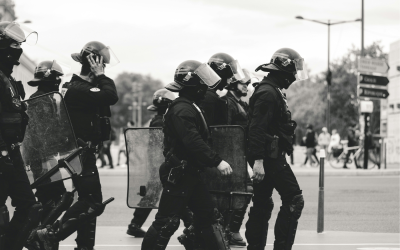
At the center of all affective communities is an element of trust. There needs to be trust that you can say and write and do things without fear of a violent reprisal. Of course criticism and non-violent blowback are fair game. But murder or even messages instilling hatred and violence towards one’s opponent cannot be tolerated. These acts are the destroyers of trust as well as lives.
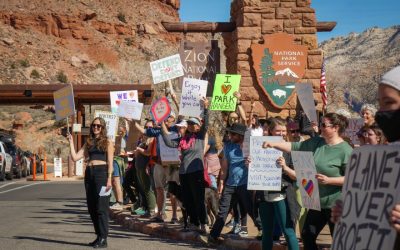
For the 2026 federal budget year, beginning October 1st, the White House has proposed a $1.2 billion – or 36% – cut to the National Park Service (NPS). Prior to this proposed budget cut, around 2,800 NPS employees had either been fired or resigned their positions under an early retirement buyout. Under the Biden administration, the NPS employed around 20,000 staff. The NPS manages 63 national parks and 370 other sites that include lesser-known historic sites, monuments, and national seashores.
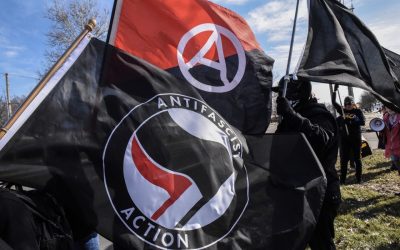
Trump’s crackdown on political opposition, announced in the wake of the assassination of Charlie Kirk, is aimed at a range of Democratic and resistance groups. The first of these under examination is Antifa, a key target of the administration’s rhetoric and investigations. Yet Antifa is a far more diffuse and abstract entity than the White House suggests.