Search Results

Europe Is Getting Hotter Part 2 of 2 – Summer Wildfire Spread Across France and Spain (Environment Policy Brief #169)

Europe Is Getting Hotter Part 2 of 2 – Summer Wildfire Spread Across France and Spain (Environment Policy Brief #169)

Spain’s summer of 2026 has shown how dangerous extreme heat and wildfires can be. Thousands of fires have damaged forests, threatened communities and raised concerns about the effects of climate change. According to Spain’s Ministry of the Interior, by September 29 the country had recorded 8,122 forest-fire incidents, with 275,209 hectares (680,056 acres ) of land burned.


Guns In America Part 1: Who Owns Them? (Social Justice Policy Brief #194)

Guns In America Part 1: Who Owns Them? (Social Justice Policy Brief #194)

Around one-third of American adults personally own a firearm, while roughly four-in-ten live in a household where at least one gun is present. Gun ownership is not evenly distributed across the population. Men, White Americans, rural residents, and Republicans are all more likely to personally own firearms than their respective counterparts.

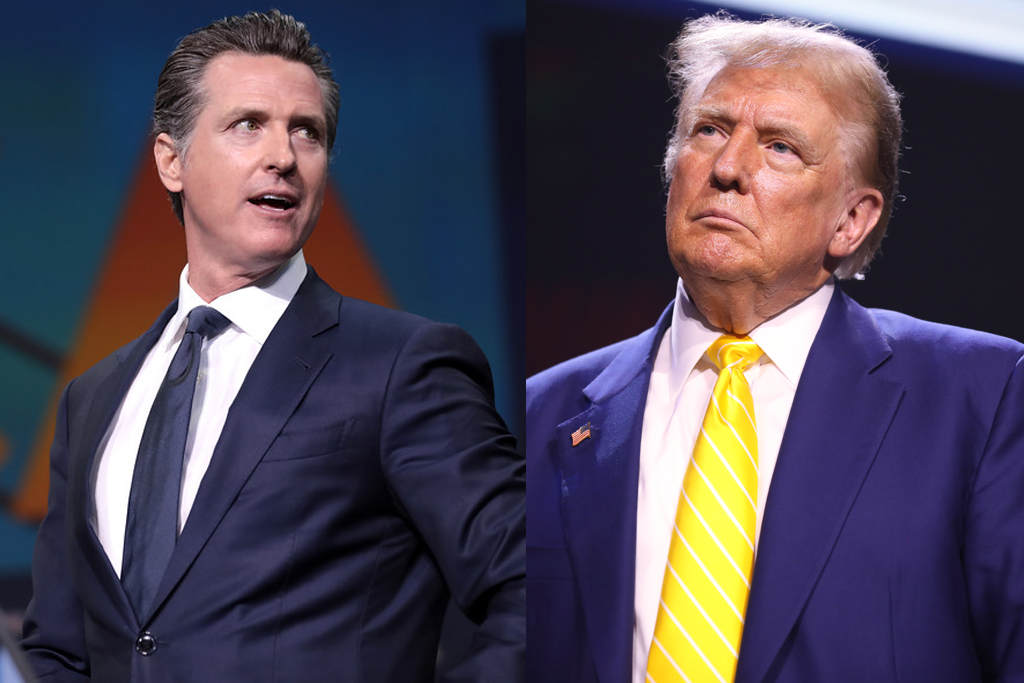
Tepid Responses To AI Concerns from Political Rivals Trump and Newsom (Technology Policy Brief #171)

Tepid Responses To AI Concerns from Political Rivals Trump and Newsom (Technology Policy Brief #171)

California Governor Gavin Newsom, ending his 8 years in office and eyeing a presidential run, faces pressure at home to respond to public concerns about artificial intelligence and data centers.  But he can’t afford to upset his billionaire backers whose dollars will be crucial to his presidential campaign.  He signed a series of bills designed to provide a few protections that already seem outdated and ineffectual. The  alarm over AI’s immensely dangerous capabilities is growing in California and elsewhere  to a fever pitch and encompasses concerns far beyond the reach of measures approved by Newsom or agreed to by the CEOs Trump recently called to the white house.

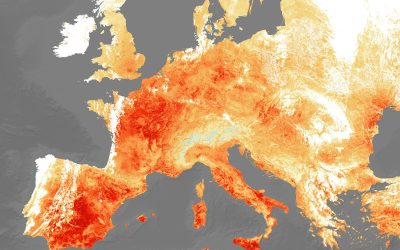
Europe Is Getting Hotter (Foreign Policy Brief #233)

Europe Is Getting Hotter (Foreign Policy Brief #233)

Florentines say July has been unusually hot this year. Outside, temperatures climb to 105 degrees Fahrenheit. It is not much cooler indoors. Tommaso, the son of the woman who owns the apartment where we are staying, says summers seem to be getting hotter every year. The heat is impossible to ignore. Inside the Uffizi Gallery, the air feels heavy and the temperature is high. Because of the oppressive heat, the museum is closing for two days to visitors without advance reservations. Standing among some of the world’s greatest masterpieces, I find myself wondering how the collection is protected under such conditions. Can extreme heat really have no effect on paintings that have survived for centuries?

Capital, Compute, and Control: Governance Across AI, Digital Privacy, and Cryptocurrency (Economic Policy Brief #196)

Capital, Compute, and Control: Governance Across AI, Digital Privacy, and Cryptocurrency (Economic Policy Brief #196)

The unchecked expansion of multinational technology conglomerates across artificial intelligence, digital privacy, and cryptocurrency represents a critical threat to public sovereignty, labor rights, and ecological stability. These interconnected domains function as a new frontier of extractive capitalism, demanding urgent international democratic governance to rein in tech monopolies that treat personal data as raw material and planetary resources as expendable. This systemic crisis stems from a deliberate business model designed to outpace legislative oversight, concentrating unprecedented wealth and structural power into the hands of a few unaccountable corporate executives and speculative investors.

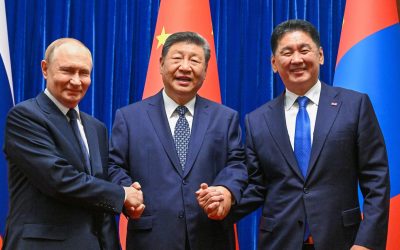
Understanding China’s Foreign Policy (Foreign Policy Brief #232)

Understanding China’s Foreign Policy (Foreign Policy Brief #232)

Foreign policy is a collection of goals, strategies, and actions that a government uses to guide its relationships with other countries and international organizations. Such goals include national security, economic prosperity, global stability, and values promotion. China’s foreign policy seeks to advance all of these goals using the tools of diplomacy, economic measures, military power and soft power (sharing a nation’s culture, values, and media to build good will and influence opinions).

x
x
Support fearless journalism! Your contribution, big or small, dismantles corruption and sparks meaningful change. As an independent outlet, we rely on readers like you to champion the cause of transparent and accountable governance. Every donation fuels our mission for insightful policy reporting, a cornerstone for informed citizenship. Help safeguard democracy from tyrants—donate today. Your generosity fosters hope for a just and equitable society.

Pin It on Pinterest