
Summary
Russia bet on a slow grind. Ukraine answered with drones.
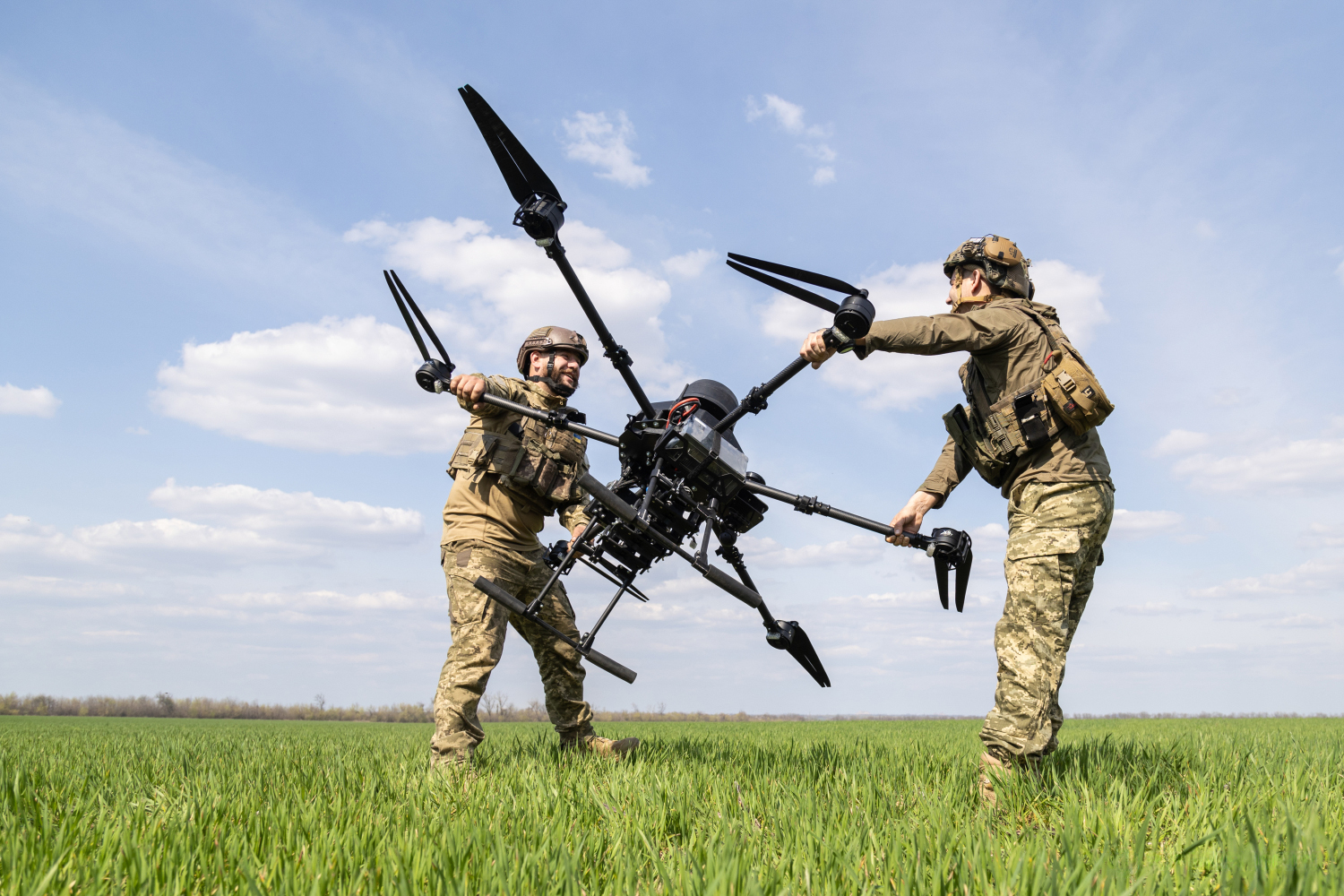
The Institute for the Study of War (ISW) assesses that Russian forces have made near-zero net gains since March. Ukraine has counterattacked successfully near Kupyansk, Oleksandrivka and Lyman since late 2025. NPR reports the front has slowed because drones and ground robots make it deadly to move troops in the open.
The newest Ukrainian tactic is Operation Vivaldi, near Lyman. Ukrainian commanders say they first hit the ATVs and motorcycles Russia uses to resupply small infiltration groups behind the lines. Cut off and short on supplies, those groups were then defeated. Surprise carried Ukrainian troops deep enough to reach Russian drone-operator and electronic-warfare positions, a battalion commander said. ISW called the approach innovative.
Ukraine is also striking deep. On September 20 it launched more than 1,000 drones at Russia overnight, hundreds toward Moscow, NPR reported. Reuters, citing industry sources, says the Perm refinery halted operations after a Ukrainian drone strike on September 25. Two people were killed and 20 wounded in the Moscow region, and the city’s mayor called it the largest attack on the capital. Ukraine’s General Staff also says it hit a Russian refinery in Krasnodar Krai and, using Neptune missiles and jet-powered drones, a Rostov plant that makes missile components.
Analysis
This is not a story of Ukraine winning. It is a story of Ukraine refusing to lose, and getting smarter while it does.
Russia still holds large areas and still probes for gaps. But the slow advance Putin once counted on has stalled. ISW now assesses that Moscow is shifting to a winter of long-range strikes built around faster, jet-powered Geran drones. Zelensky said Russia plans to spend $12 billion on jet-powered drones and loitering munitions alone. On September 25 and 26, Russia launched 162 drones and then 173. Ukraine reported downing 127 and 134.
Closer to the front, a Ukrainian corps says its steady strikes on Russian logistics in occupied Luhansk have strained Russia’s ability to shield its troops from drones. Russia is adapting too. A Ukrainian brigade spokesperson says Russian forces are moving FPV drone launch points deeper into the gray zone to reach Ukraine’s rear.
That sets up a race. Ukrainian firms have field-tested interceptor drones built to catch the jet models, ISW says, but it is unclear how fast they can scale. Putin claims Ukraine has no countermeasures to the new Gerans. ISW says he is wrong. Bloomberg reported that Ukraine’s military stopped producing missile-interception figures in August. That silence matters.
A caution: much of the battlefield detail comes from Ukrainian officials and ISW’s reading of their reports. Treat claims of success with care.
Still, the lesson is clear. Cheap, mass-produced drones let a smaller country impose real costs on a larger one. Every refinery that goes dark and every supply column that burns taxes Russia’s war machine. That is why Moscow is changing its plan.
Take Action
- Call your senators and House member. Ask where they stand on air-defense and interceptor support for Ukraine before winter.
- Give to vetted humanitarian groups helping Ukrainian civilians under the strikes. Check ratings on Charity Navigator first.
- Follow primary assessments such as ISW’s daily updates, not viral battlefield clips.
- Ask this fall’s candidates directly. The midterms decide who funds this fight.
Sources: ISW/Critical Threats (Sept. 20 and 26, 2026); NPR (Sept. 20, 2026); Reuters via ISW; Bloomberg.