
Photo Credit © Markus Felix | PushingPixels
Summary:
Today’s celebrities have large audiences who follow their everyday lives outside their music, acting, or entertainment jobs. Millions of followers log on to see glimpses of their personal lives and often, their stances on popular social justice issues.
As celebrities use social platforms to let fans get to know them, they face more pressure from fans to speak out on popular social justice issues that need attention. Many feel the pressure from a large audience to use their platform to speak about issues they care about, and some even frame their careers around it.
Analysis:
Many fans believe celebrities have a duty or moral obligation to use their platforms to speak out on issues. More musical artists have become vocal advocates, using their tours and stage performances to speak up. Coldplay designed their whole tour to be highly sustainable and used it to raise awareness for the climate crisis. Others have used their tours to promote trans rights, voting registration, and Planned Parenthood.
Why is it important to know your favorite singer’s stance on politics or social justice issues? In a divided country like the United States, with so many high-impact topics under discussion and at risk, fans want to make sure the people they support will also support their interests. While some fans can ‘separate the art from the artist,’ many view the celebrities they enjoy as an extension of their ideals. They want to support, financially or indirectly via social media attention, people whose ideas align with theirs.
Fans don’t just want to support artists who think like them; they also don’t want to support artists who advocate against them. In many ways, supporting an artist equates to supporting the artist’s beliefs.
Some artists even put advocacy at the forefront of their messaging. Singer Olivia Rodrigo created Daisy Chain Fields Music Festival to support organizations like the Center for Reproductive Rights, Johns Hopkins Center for Indigenous Health, and Planned Parenthood. The festival’s mission statement says, “Music and collective experience can serve as enduring drivers of progress and social change. It’s a place where inspiration and curiosity lead to knowledge, strength, and action.” The event had a mix of music, art installations and information on women’s history, volunteer opportunities, and more. The festival raised $20 million for the nonprofits it supported.
Billie Eilish uses her music tours to promote sustainability and voter registration. Eilish is a co-founder of the Music Decarbonization Project and was on the 2023 Time100 Climate list. “When an industry as big, visible, and culturally important as music leads on climate action, others will follow,” Eilish told Time.
Eilish also has a history of speaking out on politics and encouraging fans to vote. Ahead of the 2020 elections, Eilish said, “I couldn’t want to be involved in politics less; I’d rather be doing literally anything else than talking about this. There just comes a certain point where you can’t ignore it and you can’t be silent. Especially having the platform that I have, I don’t want to waste that.” In 2022, fans who checked their voter registration status with the HeadCount website were entered to win tickets and airfare to Eilish’s show in Australia.
Genres that historically represent one major group of people typically lend to more vocal members. Country music and hip-hop tend to be more vocal in their lyrics about the artists’ and audiences’ ways of life. Vocal lyricists become vocal advocates, with artists publicly speaking out on issues important to them.
Country music, though occasionally and increasingly used by liberal singers like Tyler Childers to speak out, is often a place for conservative voices to rise. The values associated with the country music lifestyle often overlap with Republican values, and many country singers speak out on the issues their audiences value. In 2024, country singers Jason Aldean, Lee Greenwood, Chris Janson and Brian Kelley attended and performed at the Republican National Convention in support of Donald Trump for the 2024 election.
During that same election cycle, many singers also voiced their support for Democratic nominee Kamala Harris, though most were pop and hip-hop artists. Ariana Grande, John Legend and Taylor Swift posted on social media in support of Harris, to their combined audience of over 670 million followers. Even artists who were not outright vocal still showed their support in subtle ways. Beyoncé quickly approved the use of her song “Freedom” in Harris’ first campaign video.
In just 20 years, public opinion on entertainers speaking out on issues has completely flipped. In 2003, The Chicks were criticized and canceled from the industry over their remarks towards President George W. Bush and the invasion of Iraq. Today, the public encourages entertainers to speak out on politics and other issues, and criticizes them when they don’t.
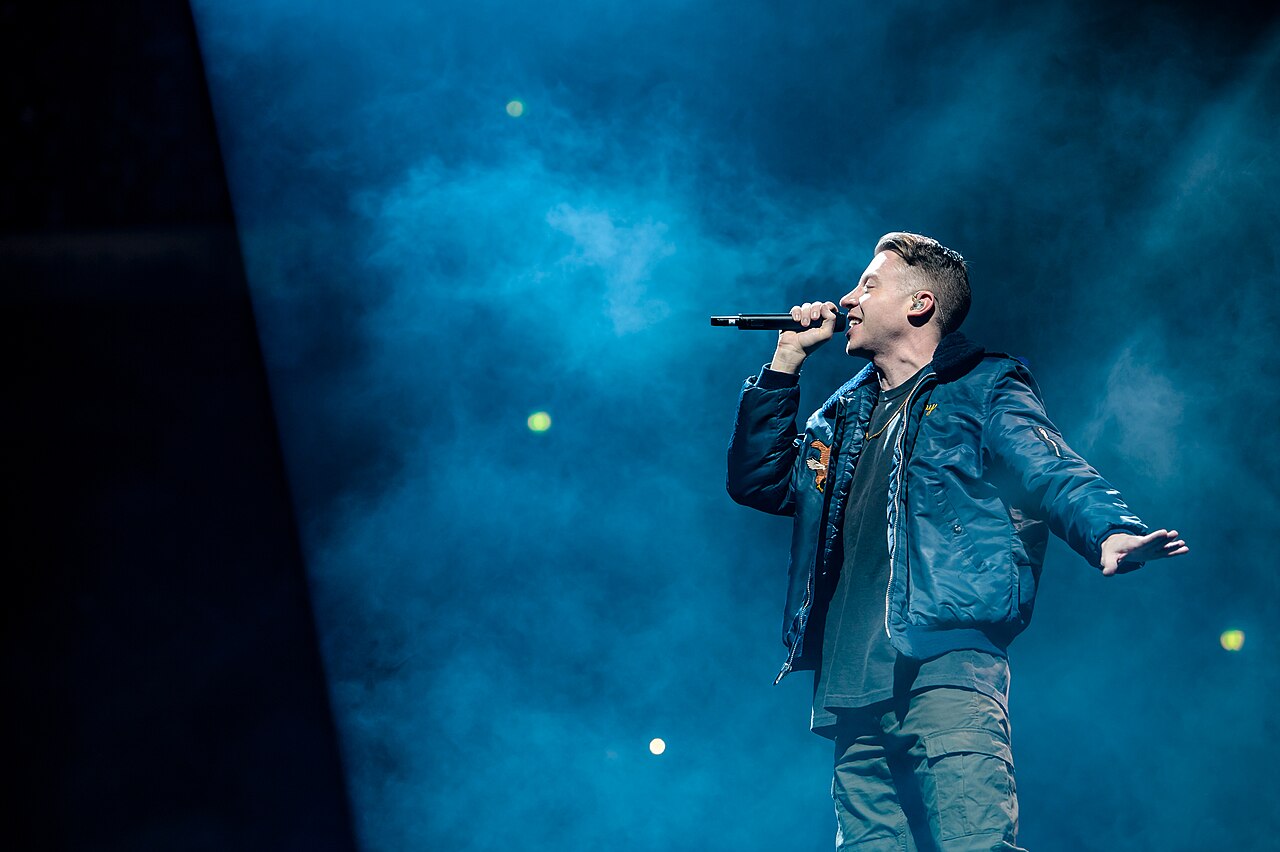
In September, Ed Sheeran faced major backlash after he removed Macklemore from his tour when Robert Kraft, owner of Gillette Stadium, told him Macklemore wasn’t allowed to perform there based on his support for Palestine.
Sheeran, who said he “never wanted to be an activist musician,” saw firsthand what happens when you don’t advocate for social justice issues. His first concert after the incident had protestors outside, and many would-be audience members requested refunds. Sheeran did later vocalize his support for Palestine, a rare but not unprecedented political statement from the singer.
Take Action:
- https://www.usresistnews.org/2026/10/07/coldplays-tour-targets-climate-change-environmental-policy-brief-167/ Read more on Coldplay’s sustainable global tour.
- https://www.looktothestars.org/ Learn more about celebrity charity news and information.