
Summary:
On July 13, President Trump announced he is reducing the Bears Ears and Grand Staircase-Escalante National Monuments in Utah by 90%, which many argue is illegal without Congressional approval. This will leave 3 million acres unprotected and susceptible to uranium mining, oil drilling and more.
President Obama first designated these national monuments in December 2016 under the Antiquities Act, based on their cultural and spiritual significance to five tribal nations in the area. In 2017, Trump issued a proclamation to reduce Bears Ears by 1,150,860 acres, leaving just under 200,000 acres protected. The Hopi Tribe, among others, filed lawsuits against Trump, which were still active until President Biden restored the monument protections in 2021.
Analysis:
Under the Antiquities Act, the president can create national monuments to preserve public land. The Act does not expressly allow a president to remove or modify national monument protections. Many argue that Trump’s actions to modify the Bears Ears and Grand Staircase-Escalante National Monuments without congressional approval are illegal, just as they were when he first tried to do it in 2017.
Trump states that Biden’s 2021 proclamation to restore the monuments “rests on the purported need to protect items that are not historic landmarks, historic or prehistoric structures, or other objects of historic or scientific interest.” Trump claims the landscape features are “generic” and not “worthy of protection.” While he may not see the historic or scientific significance of these areas, these monuments hold extreme importance for the tribal nations that live there.
According to the Native American Rights Fund (NARF), “Since time immemorial, Native peoples cherished Bears Ears and regarded it of cultural, spiritual, historical and aesthetic importance.” Bears Ears is important to five different tribes: the Ute Mountain Ute Tribe, Navajo Nation, Ute Indian Tribe of the Uintah Ouray, Hopi Nation, and Zuni Tribe. In fact, these five tribes worked together to create the Bears Ears Inter-Tribal Coalition in 2015 and advocate for protecting this area. This was the first time in history tribal nations in the area banded together to advocate for a sacred site.
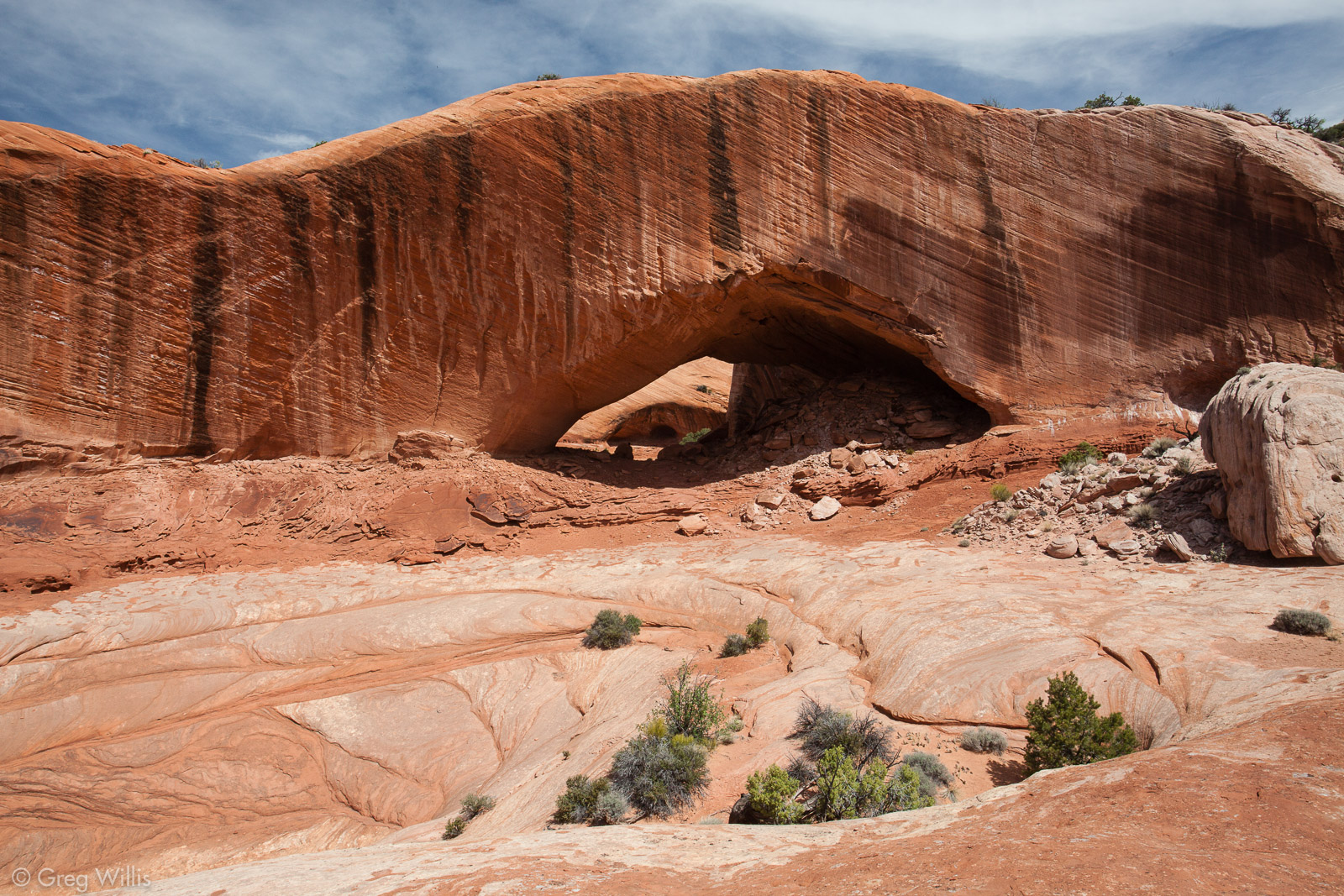
Bears Ears is home to villages with roads, pictographs, ceremony locations, sweat lodges, houses, and more. This area includes over 100,000 archeological and cultural sites and at least 18 endangered species. Some plants and medicinal resources used in religious ceremonies are found only in Bears Ears.
Modifying these monuments sets a dangerous precedent for removing protections on public lands to benefit private companies and mining operations. The area contains resources such as uranium, coal, silver, copper, lead and zinc. It is no surprise, then, that several mining claims were filed for the area on July 14, the day after Trump’s proclamation, which is illegal. Mining claims cannot be staked until 60 days after the proclamation, which is September 11 for these areas. The Bureau of Land Management is expected to reject these claims, but has not yet done so.
According to Trump, these resources are vital to resource independence and national security. “It is imperative that the United States not rely on foreign sources for these resources,” Trump said in his proclamation. “Modifying the Monument’s boundaries will help ensure that adequate domestic supplies exist, thereby reducing the threat posed by our Nation’s reliance on foreign sources.”
Uranium is one of the key resources in Bears Ears and is used by nuclear power plants to create energy. However, the U.S. currently has enough uranium stockpiled to last through 2060. The International Panel on Fissile Materials says the United States has “huge stocks of HEU (highly enriched uranium) recovered from excess Cold War warheads with which they could supply their own non-weapon needs and those of most other countries for many decades.”
The need for uranium and similar resources does not justify the slashing of 3 million acres of public land that also hold great significance to the tribes that live there. This is yet another step in Trump’s continued attack on public lands, fresh air, clean water and environmental regulations. When Trump first tried to reduce Bears Ears in 2017, he was met with “an outpouring of public support for Bears Ears and other monuments,” according to NARF. “More than 95% of comments received by the Department of the Interior supported keeping the national monuments, including 65% of comments from Utah residents.”
Similar outrage has followed this year’s proclamation. On September 2, 18 Native and conservation organizations filed a lawsuit against President Trump. These organizations include Patagonia, the Natural Resources Defense Council, the Center for Vertebrate Paleontology and Archaeology Southwest, and Utah Diné Bikéyah.
Take Action:
https://narf.org/support-us/: Read more on how to stand for justice with the Native American Rights Fund.
https://www.bearsearscoalition.org/: Learn more from the Bears Ears Inter-Tribal Coalition, the five tribes that inhabit the Bears Ears area.
https://www.patagonia.com/actionworks/take-action/monuments-are-not-for-sale/?utm_source=paw&utm_medium=web&utm_content=A26GWB001&utm_campaign=s26_bearsEars: Sign Patagonia’s petition against reducing the Bears Ears and Grand Staircase-Escalante National Monuments.