Money in politics is as American as apple pie and tossing the pigskin, but its sheer size and impact would boggle an onlooker’s mind. When you show the size of total spending on advertisements in 2024, it looks almost comical: $11,200,000,000.


Money in politics is as American as apple pie and tossing the pigskin, but its sheer size and impact would boggle an onlooker’s mind. When you show the size of total spending on advertisements in 2024, it looks almost comical: $11,200,000,000.

South Dakota, or the Mount Rushmore State, is deeply Republican, but the national environment has opened the door for Democrats to make inroads across the country, even with South Dakotans. While a Democrat has not won a federal statewide race in the state since 2008, Trump’s declining approval, the prolonged war with Iran, & persistent inflation have created a more difficult environment for Republicans nationally. Recent polling shows Trump’s approval at a second-term low while support for the war in Iran has also fallen, including among Republicans.
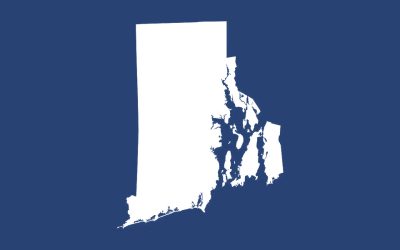
Rhode Island, or the Ocean State, enters 2026 as another reliable Democratic stronghold in New England. Democrats currently control both of the state’s Senate seats & both House districts, giving the party complete control of Rhode Island’s federal delegation. Incumbent Senator Jack Reed is seeking another term alongside House incumbents Gabe Amo in RI-01 & Seth Magaziner in RI-02. All three enter the election cycle in strong positions to return to Washington.
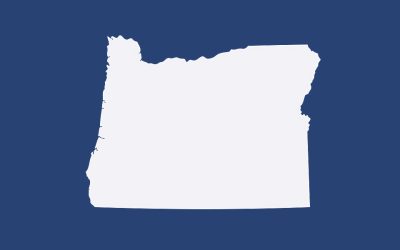
Oregon should easily remain a Democratic stronghold in 2026. Democrats control both of the state’s Senate seats & 5 of its 6 House seats. Incumbent Senator Jeff Merkley should secure re-election, maintaining Democrats’ sweep in the Senate.

As AI rapidly expands its impact over our lives, jobs, and politics, more and more people are raising alarms about its potential harms. In many cases, those speaking out about the danger are those who know the most: current and former workers in the industry.

For years, congress has kicked the proverbial can of Social Security’s financial deficit down the road to be dealt with at a later date. In 2026, we may be looking at the end of that road. This year’s Social Security Trustees’ Report warns that the retirement fund is only 6 years from absolute insolvency, when the program will no longer have the funds to continue paying benefits.
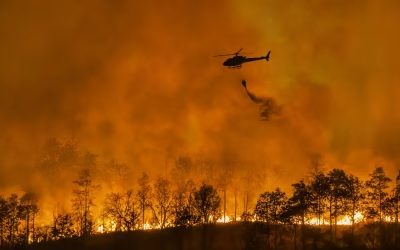
So far this year, over 45,000 wildfires have burned more than 12 million acres across the U.S. and Canada, and it’s only July. The U.S. has seen more wildfires so far this year than any January to July in the past decade. The ever-worsening climate crisis increases the risk of wildfires, the length of wildfire season, and limits responders’ ability to contain the fires.

In July of 2025, President Trump signed the “One Big Beautiful Bill” (OBBBA) into law, setting into motion one of the most sweeping transformations to the American welfare state in modern history. At the center of this legislative overhaul is the Supplemental Nutrition Assistance Program (SNAP). As the nation’s preeminent anti-poverty initiative since 1964, SNAP provides an estimated 42 million Americans with vital funds for food.
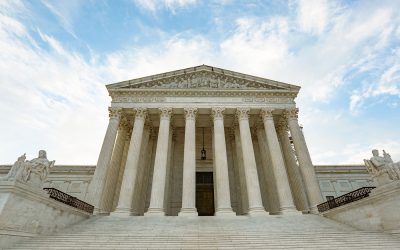
There are a lot of cases that the Supreme Court, under Chief Justice John Roberts since 2005, loves to take on; cases involving the First and Second Amendments, executive power overreach, and voting protections. But one of the most consistently targeted topics by SCOTUS is the issue of campaign finance.

Before its dissolution, the U.S. Agency for International Development (USAID) was a leading actor in combating Ebola outbreaks globally. The agency established a robust infrastructure in nations such as Democratic Republic of Congo, Uganda, and Kenya after the deadly Ebola outbreak in 2014, in which the United States took a forefront role in responding.