
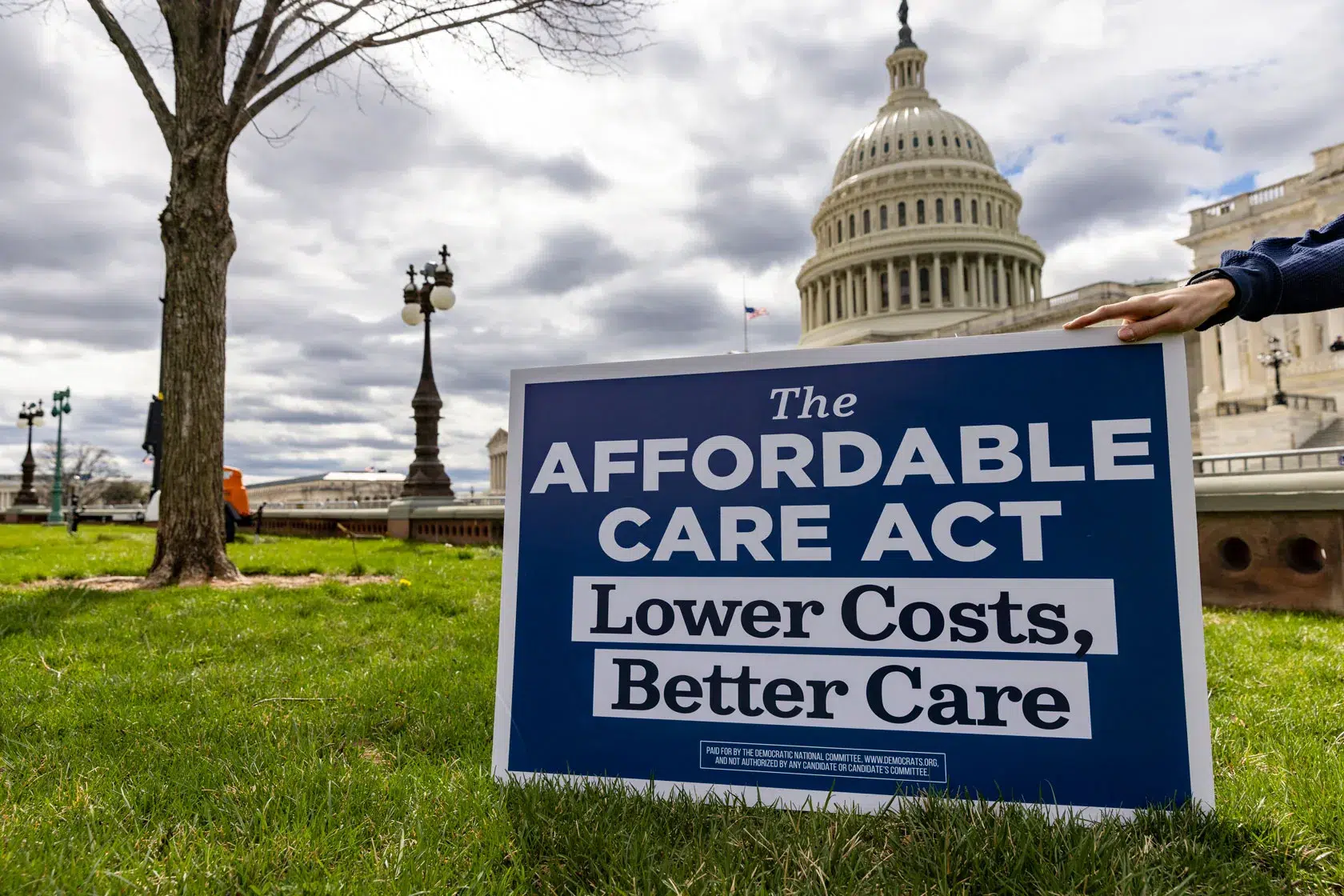
The Affordable Care Act (ACA) (also known as Obamacare) was signed into law by President Obama on March 23, 2010. The ACA aimed to make healthcare more affordable to more people, expand Medicaid to individuals with incomes below 138% of the federal poverty level, and for private health insurance, prohibit insurers from denying coverage due to preexisting health conditions and from denying coverage to people.
The ACA’s Premium Tax Credit (PTC) is a refundable credit that helps people to cover the premiums for their health insurance, which helps to lower health insurance costs for those enrolled in Marketplace insurance. The PTC was increased in 2021 and was set to expire at the end of 2025. However, on January 8th, 2026, the U.S. House of Representatives passed legislation to extend the enhanced Affordable Care Act PTC for three years. The Senate has yet to confirm the House’s legislation. With its future not yet decided, this raises the question of what possible impacts the expiration of the ACA’s enhanced premium tax subsidies could have on Americans and healthcare systems.
Analysis
The ACA enhanced PTC’s goal was to make health insurance more affordable and accessible, but its possible expiration would do the complete opposite.
The expiration may negatively affect Americans’ health and create more of a financial burden by leading to higher health insurance premiums for millions of Americans who are self-employed, do not qualify for Medicare or Medicaid, and whose jobs do not offer health insurance. Those enrolled in the ACA program will start to see their premium costs increase, to where some may choose altogether to go without health insurance because they can no longer afford it. This outcome will further affect Americans by creating more financial burden if unforeseen health problems arise and they are forced to pay the full price of their medical bills. Health problems may arise or worsen, as one may neglect getting treated due to the lack of health insurance and the finances to go to the hospital. People who need insulin and other medications may no longer be able to afford the lifesaving medication needed, as there would be a risk of losing coverage.
Healthcare systems will suffer with the looming expiration of the enhanced Affordable Care Act PTC. People will not just stop going to the hospitals, but they might refuse or be unable to pay, which creates a financial strain and leads to closures. This may affect rural hospitals and healthcare systems more because rural communities have higher rates of poverty and people with lower incomes than urban areas. Due to the financial strain, job losses may occur, leading to hospitals being understaffed and staffers being overworked.
Conclusion
The enhanced Affordable Care Act Premium Tax Credit Program was set to expire at the end of 2025, but may continue for three more years if decided by the Senate. If it does not continue, many Americans and hospitals will be negatively impacted due to the financial hardships and possible health concerns that will come with the program’s expiration.
Engagement Resources
- About the Affordable Care Act https://www.hhs.gov/healthcare/about-the-aca/index.html
- The Affordable Care Act 101 https://www.kff.org/affordable-care-act/health-policy-101-the-affordable-care-act/?entry=table-of-contents-what-did-the-aca-change-about-health-coverage-in-the-u-s
- Health subsidies expire, launching millions of Americans into 2026 with steep insurance hikes https://www.pbs.org/newshour/health/health-subsidies-expire-launching-millions-of-americans-into-2026-with-steep-insurance-hikes
- Five Key Facts About Medicaid Coverage for People Living in Rural Areas https://www.kff.org/medicaid/5-key-facts-about-medicaid-coverage-for-people-living-in-rural-areas/