
Summary
Governments and climate regulators are currently trying to determine how engineered carbon removal technologies should qualify for international carbon credit markets. Currently, the International Organization for Standardization (ISO) is developing and updating the technical standards to align with GHG reporting and climate management. The publication of the revised ISO 14001:2026 standard is planned for April 2026 with a transition period of three years.
This push for a global standard is driven by the Intergovernmental Panel on Climate Change (IPCC) finding that large-scale carbon dioxide removal (CDR) is needed to achieve net-zero CO₂ emissions by 2050. As the standards are being developed, countries are debating verification rules. This matters because the rules created will determine whether carbon removal frameworks can be a credible climate tool or a controversial offset market.
ANALYSIS
Carbon removal involves technologies that actively remove carbon dioxide (CO₂) from the atmosphere. The United Nations defines it as “human interventions that extract CO₂ from the atmosphere and store it durably in land, ocean, geological reservoirs, or products.”
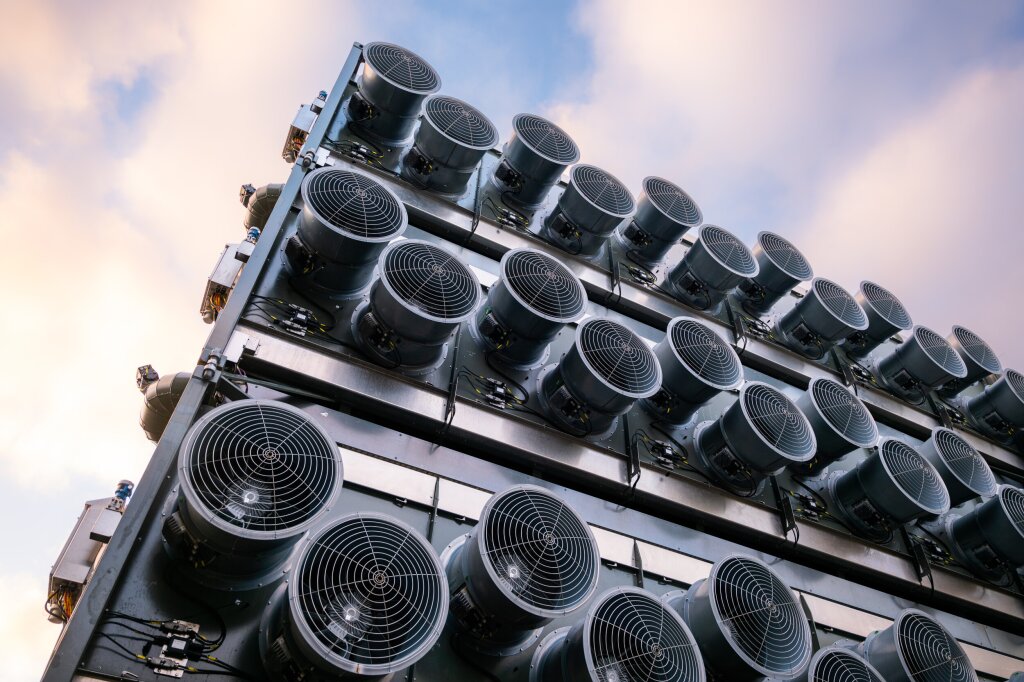
Unlike the act of planting trees, which is an offset, carbon removal is engineered and makes use of equipment like Direct Air Capture (DAC) machines that chemically pull CO₂ from the air. Captured CO₂ is purified or stabilized for storage (like mineralized rock) or reuse. According to the Integrity Council For The Voluntary Carbon Market, CDR currently represents less than 1% of the voluntary carbon market by issued volume but is expected to grow in the coming years.
This is why global lawmakers are trying to determine strict standards in the new ISO framework about how carbon is removed and stored. How long must carbon be stored? How accurately can removal technologies be measured? These are just some of the questions that need to be answered. A revision to ISO 14001:2026 sees a more climate-focused management standard. The standard also includes requirements for determining GHG emission and removal boundaries, quantifying an organization’s GHG emissions and removals, and identifying specific company actions or activities aimed at improving GHG management.
The development of a global standard will seek to avoid repeating past carbon market failures, like allowing low-quality offsets. Past carbon markets have long faced criticism for rewarding companies whose carbon efforts do not actually represent real climate benefits. A 2025 review paper found that the failure of carbon offsets (such as reforestation and renewable energy) stems from systemic problems that incremental change will not solve.
For years, experts have warned that carbon offset projects are prone to over crediting, and the report revealed that 85% of CDM projects (Clean Development Mechanism) had a “low likelihood of ensuring environmental integrity.” Only 2% had a high likelihood. For example, more than a third of all US offset project credits are from improved forest management, but studies find that such projects have minimal benefit.
Regulators are trying to ensure that carbon removal credits are much stricter to prevent companies from claiming climate progress with carbon offsets without reducing emissions.
The standards being written now will define the credibility of future carbon markets and how removal is verified.
Engagement Resources
- The Intergovernmental Panel on Climate Change
- Revised ISO 14001 standard
- What is Carbon Dioxide Removal (CDR)?
- Understanding Carbon Credits