
Policy Summary
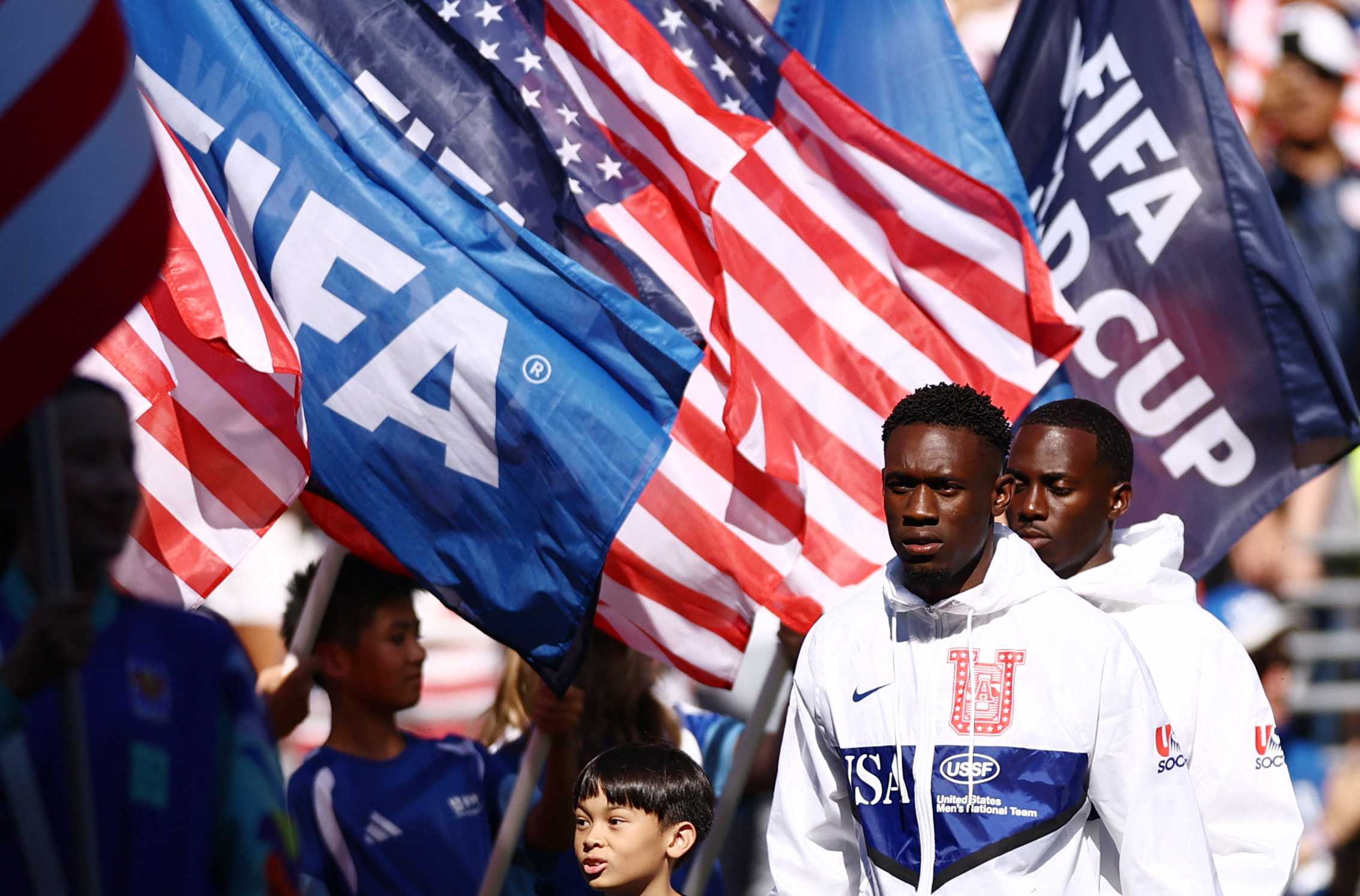
The United States Men’s National Team’s (USMNT)World Cup quest is over as of Monday, July 6th, in a Round of 16 match against Belgium. This World Cup for the US Men’s National Team has had a lot of positives, some negatives, and some question marks for the future and where to go from here.
Analysis
The USMNT came crashing out of the World Cup, somewhat unexpectedly, after losing to Belgium in a 4-1 thumping of a match. Naturally, there will be lots of thoughts, and opinions, about what happened and where to go from this point. So, let’s start this post-mortem analysis with the negative side of the USMNT’s World Cup.
Obviously, the loss to Belgium is the most disappointing moment of the World Cup for the USMNT and their fans. Losing 4-1 to Belgium came as a shock to most USA fans, and clearly to the players as well; however, perhaps it should not have since the only time the USA has ever beat Belgium was in the 1930 World Cup (the very first World Cup ever). Since 1930, Belgium has won every time they have played the United States. So, though, the USMNT was riding a serious wave of fandom and support, but the historical data suggests that they may have never really stood much of a chance anyway.
Also, a negative impact on the USMNT leading into the match against Belgium was the Folarin Balogun red card situation and President Trump’s insertion of himself into the World Cup. Folarin “Flo” Balogun was given a red card in the match before Belgium (against Bosnia and Herzegovina) for accidentally stepping onto the ankle of an opponent. The red card was given which meant that he was ejected from the Bosnia match, and then supposed to be given a one-match suspension which was supposed to keep him out of the Belgium match. President Trump asked the FIFA President, Gianni Infantino, to re-examine the red card and the suspension. This led to FIFA altering the one-match ban on Folarin Balogun by giving the suspension a one-year delay; meaning, he would be available to play against Belgium and would serve the one-match ban at a later date (and in a match that lacks any of the weight of the World Cup knockout round). This decision could have massive implications regarding fairness for the rest of the World Cup, and beyond. It begs the question, can FIFA interfere with these very normal rules and referee decisions when they feel like it (or are urged by political figures like Donald Trump)?
There are a few positive takeaways from this World Cup for the USMNT, namely viewership. Soccer, or football as the rest of the world calls it, is rapidly rising in popularity according to the viewership numbers that the USMNT achieved in this World Cup. Their first match, against Paraguay, had about 27.5 million viewers, according to the New York Times. Their final match against Belgium had 42 million viewers, according to the Wall Street Journal. This makes their final match the most watched USMNT match in history. Comparing these numbers to other sports major games/matches shows just how popular this team was, and how popular soccer is becoming. The 2025 SuperBowl had about 137.7 million viewers; the 2026 NBA Finals had an average of 20.6 million viewers; the 2026 Stanley Cup had about 5.2 million viewers; and the 2025 World Series had 33 million viewers at its peak during Game 7. Clearly, American Football and the SuperBowl continue to be the most dominant sporting match in America, but the Belgium match puts soccer firmly in the #2 spot, based on viewership. And for the record, the US Women’s National Team (USWNT) had a record viewership of 23 million viewers when they won the 2015 Women’s World Cup ( higher numbers than the NBA Finals and Stanley Cup).
The other positives are based on the actual performance of the USMNT. For the first time in World Cup history, the USA won three matches (they played 5 total). They won a knockout round match in the Round of 32, which is the first time the Round of 32 has ever existed as this World Cup had an expansion of teams involved from 32 to 48 teams. Also, they had a variety of goal-scorers with players like Folarin Balogun (3), Malik Tillman (2), Sebastian Berhalter (1), Alex Freeman (1), Auston Trusty (1), and Giovanni Reyna (1). It is not uncommon for some teams to have just one or two main goal scorers; the USA had goals scored from six players.
Going forward, beyond the 2026 World Cup, the U.S. Soccer will have to address some major questions to ensure that the USMNT is able to go further into the next World Cup in 2030. Some of the major questions that ought to be asked are:
- Is having American players playing in European club teams, outside of the World Cup, truly the difference maker?
- How can the United States change their youth systems and programs to ensure that they are going after the most talented players out there, and not just becoming an out-of-touch and out-of-reach over-priced sport?
I plan to write more on both of these topics in the future, but the United States has to address these two questions before going forward.
Engagement Resources
- FIFA World Rankings (FIFA) – https://inside.fifa.com/fifa-world-ranking/men
- World Cup in graphics and charts (Reuters) – https://www.reuters.com/graphics/SOCCER-WORLDCUP/zgvolqqoypd/
Project Play (Aspen Institute) – https://projectplay.org/news/2025/2/24/project-play-survey-family-spending-on-youth-sports-rises-46-over-five-years - Let Kids Play Act (US Congress) – https://www.congress.gov/bill/119th-congress/senate-bill/4522