
Summary:
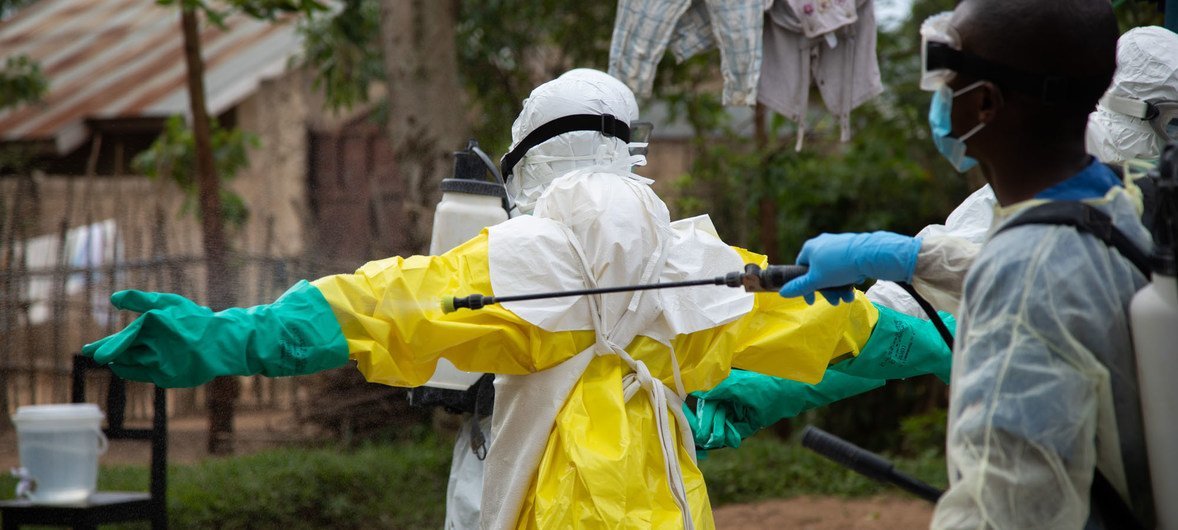
Before its dissolution, the U.S. Agency for International Development (USAID) was a leading actor in combating Ebola outbreaks globally. The agency established a robust infrastructure in nations such as Democratic Republic of Congo, Uganda, and Kenya after the deadly Ebola outbreak in 2014, in which the United States took a forefront role in responding. Paired with material and informational support from agencies such as the World Health Organization (WHO), the Center for Disease Control and Prevention (CDC), and local ministries of health, USAID was able to coordinate preventative measures to curb the spread of Ebola by 80%. In February 2025, the agency experienced major funding cuts directed by the Department of Government Efficiency (DOGE) and eventually, a total dismantling of the agency as a whole. The ramifications of this decision is evident from the stark contrast between the response of the 2014 Ebola outbreak to the current Ebola outbreak today. As of July 11, there have been 2000 confirmed cases and over 700 deaths. Experts warn that this could be the fast-growing and deadliest outbreak of Ebola on record, highlighting that the Bundibugyo strain of Ebola, has no treatments or vaccines.
Analysis:
It is a common misconception that the only beneficiaries of USAID are people overseas. However, this isn’t exactly the case. After World War II, development aid became a primary instrument of foreign policy. It forged diplomatic relationships between the United States and countries like Germany and Italy after the war, operating as a vehicle for the United States to exert soft power on the global stage.
In many ways, USAID has also protected US national security. Take the ebola outbreak and vaccine diplomacy for example. For years, USAID’s investments in health infrastructure and vaccine distribution strengthened relationships with allies critical to maintaining a competitive edge with rival countries such as China. With the dismantling of USAID, China has stepped in as a major donor and health knowledge producer, soliciting global influence and forming partnerships with countries who have historically received aid from the United States. Cambodia and Nepal turned towards partnerships with China to fill the aid gap left from the dismantling of USAID. As Ebola continues to ravage a region already experiencing a multitude of social, political, and economic turmoil, USAID’s dissolution leaves in its place a leadership vacuum that China is well equipped to step into.
That being said, the dismantling of USAID should not solely be viewed through a foreign policy lens. On a humanitarian level, the dismantling of USAID had harrowing consequences. According to models from Boston University epidemiologist Brooke Nicholsmore, the absence of USAID has resulted in more than 762,000 deaths including more than 500,000 children deaths worldwide. It is predicted for this toll to rise as the Ebola outbreak strikes African countries already vulnerable from social, political, and economic turmoil. and Chikwe Ihekweazu, executive director of the WHO Health Emergencies Programme, warns that actual numbers can be double or four times the number of confirmed cases. To escalate matters, doctors and healthcare workers in the DRC threatened to go on strike this week as their labor remains unpaid and numbers of healthcare worker deaths rise.
Take Action
Despite the pullout of USAID from countries in Africa, there are still a multitude of organizations working to combat the disease. International humanitarian NGOs such as the International Rescue Committee and Doctors Without Borders are responding to the rising Ebola cases through measures like providing disease prevention training to local healthcare workers and operating treatment centers. However, they face many hurdles in delivering adequate responses. As of right now, armed conflict between the DRC and the Rwandan-backed militia group, M23, is escalating. This poses a threat to DRC’s already insecure health infrastructure and its healthcare worker’s mobility. It also increases displacement numbers, making it harder to identify and isolate cases. Local health systems also lack the health infrastructure needed to safely conduct tests. To help and support these organizations, you can donate directly on their websites at rescue.org or doctorswithoutborders.org. Although there is no vaccine or cure for the virus, there are a couple of preventative measures you can take if you find yourself travelling to the region inflicted by the virus. The strain of the Ebola virus is spread by contact with blood or bodily fluids from a person or animal infected with the virus. It can also be spread through contaminated objects such as clothing, needles, and bedding. Avoid contact with anybody and anywhere that has been exposed to the virus. You can learn more about the Ebola virus on the CDC’s website to remain vigilant in the case that you find yourself exposed to the disease.