
Summary
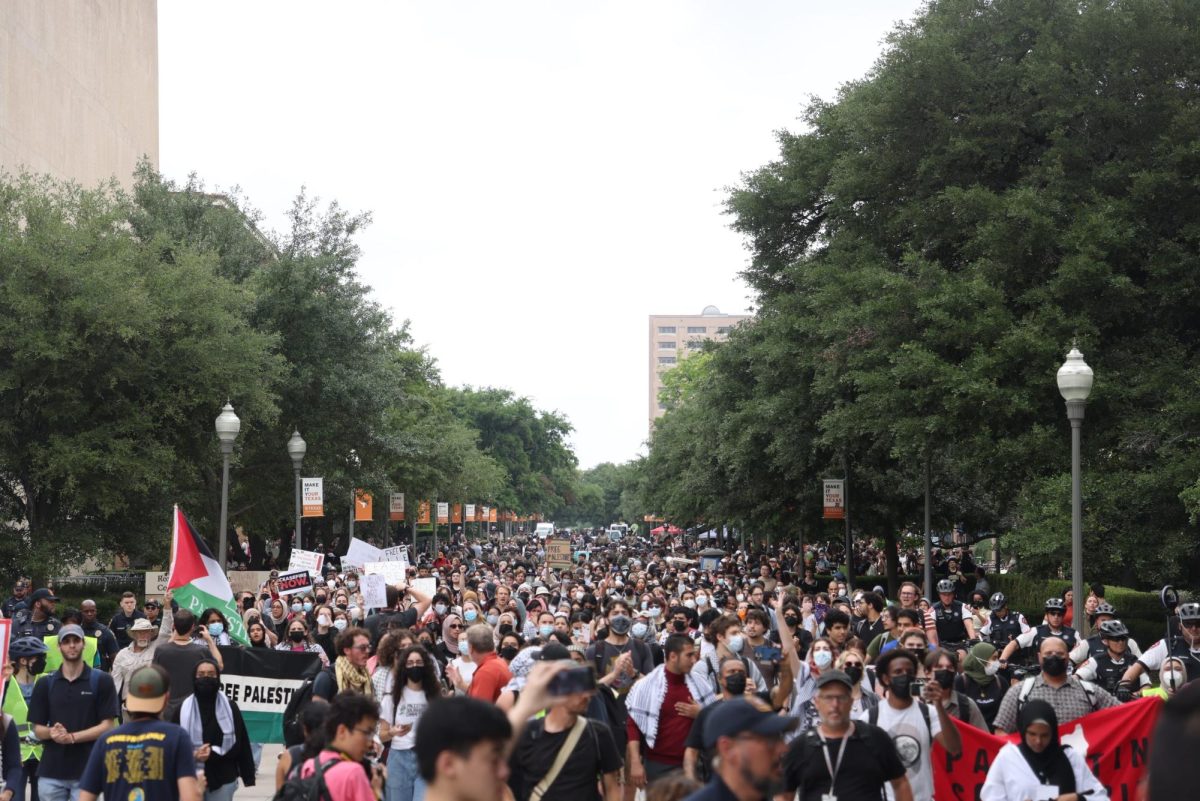
On October 6, 2026, the U.S. Court of Appeals for the 5th Circuit heard oral arguments in a major First Amendment challenge regarding Texas Senate Bill 2972. The state-level statute requires public colleges and universities across Texas to enforce strict restrictions on expressive activities, banning student demonstrations, rallies, and overnight speech between 10:00 p.m. and 8:00 a.m., as well as during final exam weeks. Student groups across the University of Texas system filed a federal lawsuit to block the enforcement of SB 2972, arguing that the law unconstitutionally chills political assembly and free speech on public grounds. While lower federal courts previously granted a temporary injunction to halt key parts of the ban, state attorneys presented arguments before the 5th Circuit this week urging the appeals panel to reinstate the overnight restrictions.
Analysis
This legal battle highlights a tension between state-mandated institutional control and constitutional civil liberties. State officials argue that restricting expressive activity during overnight hours and exam periods is a reasonable restriction necessary to maintain public safety, protect property, and prevent campus disruptions. However, civil rights organizations and legal experts note that public university campuses have historically functioned as core public forums for political discourse and civil rights advocacy. By outlawing peaceful gatherings during specific hours, the state risks criminalizing nonviolent protest and assembly. Furthermore, civil rights advocates emphasize that the timing of these regulations disproportionately limits student activism surrounding emerging national and local social issues, creating a chilling effect on political engagement among younger demographics.
My Opinion
This campus protest ban is an unjustified overreach that undermines core First Amendment freedoms under the guise of maintaining order. Universities should be places where open debate, passionate dissent, and free expression are protected, not restricted by government mandates. Banning student speech during overnight hours or specific weeks sets a dangerous precedent for civil liberties. People should be allowed to assemble and express their political views peacefully without fearing state enforcement or administrative penalties. Suppressing student voices on public property directly contradicts the principles of a democratic society. Instead of passing restrictive regulations that censor political expression, state leadership should protect public forums and respect the rights of students to stand up for the issues they care about.
Engagement Resources
- The Texas Tribune: Texas College Campus Protest Law Faces First Amendment Challenge
- ACLU of Texas: Know Your Rights: Protests and Free Speech
- Texas Standard: Higher Education and Free Speech Regulation Updates