
Summary
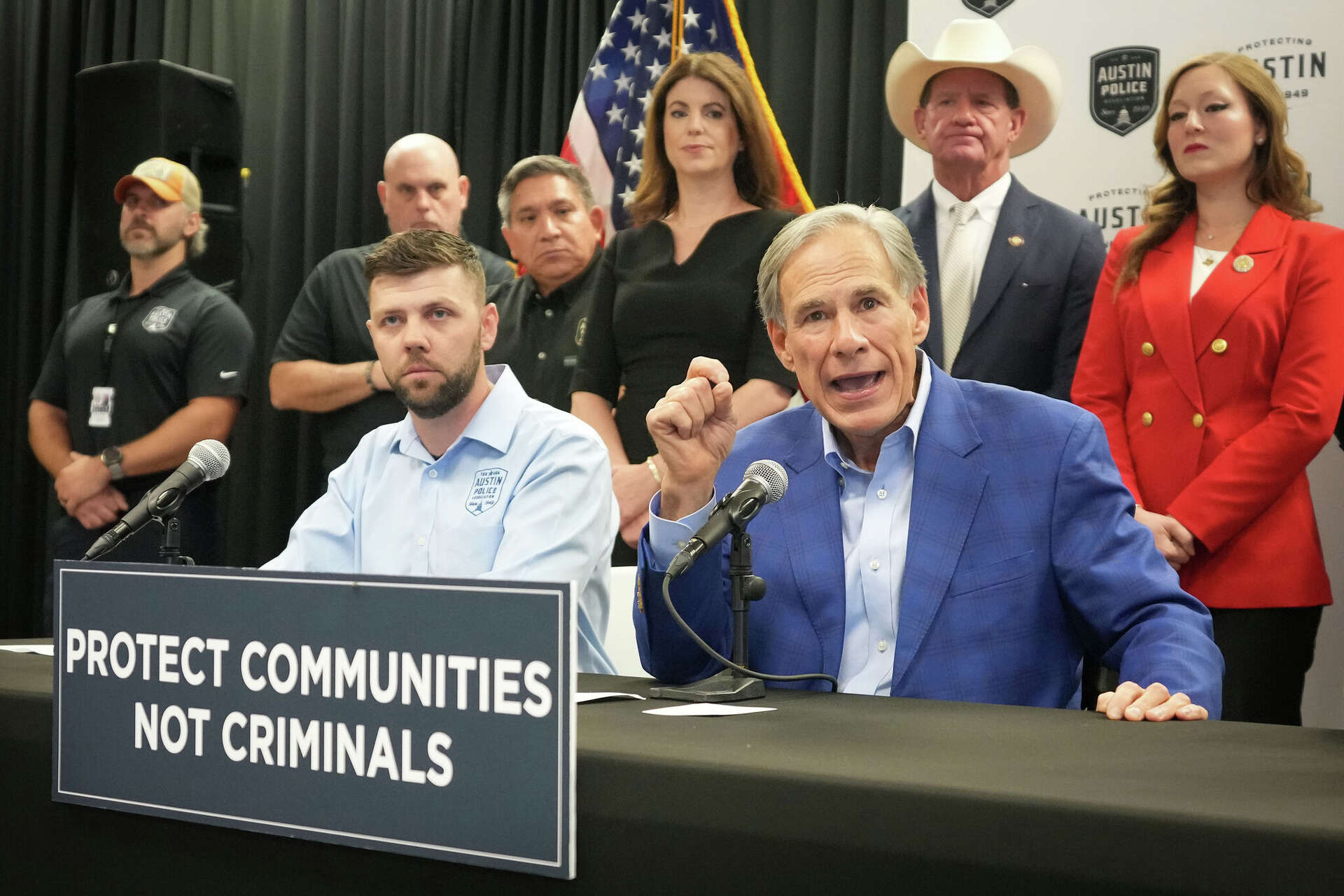
On May 15, Texas Governor Greg Abbott announced a new initiative titled “Protect Communities, Not Criminals,” which includes a proposal to create a statewide prosecutor with the authority to override local district attorneys in certain cases. This proposed role would allow a state-appointed prosecutor to step in when a local prosecutor has not secured an indictment within 90 days, effectively creating a “backstop” to ensure cases move forward. Supporters of the proposal frame it as a necessary response to what they describe as “rogue prosecutors” local district attorneys who decline to pursue certain categories of crimes based on policy or resource limitations. The initiative is presented to ensure consistency in enforcement across Texas counties and to prioritize victims’ rights.
However, critics argue that the proposal represents a significant shift in power, moving authority away from locally elected officials and into the hands of a centralized, state-controlled prosecutor. This raises concerns about government overreach, political interference in the justice system, and the erosion of local democracy.
Beyond structural concerns, the proposal also has potential implications for communities that are already disproportionately impacted by the criminal justice system particularly Black and Brown communities across Texas. With expanded prosecutorial power and fewer local checks, the policy could deepen existing disparities in policing, charging decisions, and incarceration rates.
Analysis
At its core, the proposal to create a statewide prosecutor is not just about efficiency it is about who holds power in the criminal justice system. Historically, district attorneys in Texas are locally elected, meaning they are accountable to the communities they serve. They make decisions based on local priorities, resource realities, and, ideally, the needs of their constituents. This proposal disrupts that structure by introducing a top-down authority that can override those locally elected officials. Under the plan, if a district attorney does not act within 90 days, a statewide prosecutor, appointed and confirmed at the state level, can take control of the case. While this is framed as a safeguard for public safety, it also sets a precedent where state leadership can intervene in local decision-making, potentially influenced by political agendas rather than community context.
The justification for this change rests heavily on the narrative of “rogue prosecutors.” However, that framing is highly subjective. In many urban counties, prosecutors have adopted policies that focus on reducing incarceration for low-level offenses, addressing systemic inequities, and reallocating resources toward more serious crimes. These decisions are often rooted in data, and public mandates are not neglected. Labeling them as “rogue” creates a political justification for removing local control. From a racial justice perspective, this shift raises serious concerns. Research and long-standing data show that Black and Brown communities are already disproportionately impacted at every stage of the criminal justice system from arrest to sentencing. Expanding prosecutorial power without strong accountability measures risks amplifying those disparities.
As a Black woman and a mother of both sons and daughters, this is where the policy becomes deeply personal. Policies like this do not operate in a vacuum, they shape how young people are policed, charged, and sentenced. When prosecutorial power expands, it often does not expand evenly it is applied more aggressively in communities that are already over-surveilled and under-protected. Additionally, removing local discretion can erase the progress some communities have made toward reform. Local prosecutors who are attempting to implement alternatives to incarceration or address systemic bias could be overridden by a state-level authority that does not share those priorities. This creates a chilling effect on reform and reinforces a one-size-fits-all approach to justice, something Texas’s diverse population cannot afford.
The statewide prosecutor position is currently a proposed law, not an enacted law. lawmakers are not scheduled to consider the measure until the next legislative session. While the new statewide prosecutor is just a proposal, Texas lawmakers did pass a law in 2023 (Texas House Bill 17) that allows for the removal and impeachment of local district attorneys who refuse to prosecute certain crimes. T e likelihood of a statewide prosecutor law passing is moderately high, but it faces steep constitutional and procedural hurdles. creating a centralized “Chief State Prosecutor” with the power to override locally elected officials may require an amendment to the Texas Constitution.
My Opinion
This proposal raises a fundamental question: Is this truly about public safety, or is it about control? As a Black woman raising both sons and daughters, I understand firsthand how policies like this can have unequal consequences. The idea of expanding prosecutorial power without equally expanding accountability is concerning because history has shown us exactly where that imbalance tends to land. It lands hardest on communities that already experience disproportionate policing and harsher outcomes within the justice system. Local prosecutors are not perfect, but they are elected by the people they serve. That matters. It means communities have a direct voice in how justice is carried out in their neighborhoods. When that power is shifted to a centralized authority, it dilutes that voice and distances decision-making from the people most impacted by it. There is a difference between ensuring accountability and removing autonomy. And when policies begin to blur that line, especially in a state with a long history of inequitable outcomes for minority communities, it is worth asking who ultimately benefits and who bears the cost.
If the goal is truly to protect communities, then solutions should invest in those communities, not override them.
Take Action
- Texas Civil Rights Project (TCRP)
- ACLU of Texas
- Texas Appleseed
Keywords
Texas statewide prosecutor; Greg Abbott policy; criminal justice reform Texas; prosecutorial power; local vs state control; racial disparities justice system; Black communities policing; systemic inequality Texas; mass incarceration; criminal justice accountability; government overreach; Texas law enforcement policy.