
Summary:
Coldplay puts sustainability at the forefront of their world tour, using innovative energy-producing practices such as a power-producing dance floor to combat the high-emission live music industry.
In 2023, live music in the U.S. generated greenhouse gas emissions equivalent to 3.1 million cars. In the U.K. alone, the music industry emits 540,000 tons of greenhouse gases each year, which is equivalent to the emissions of 60,000 households.
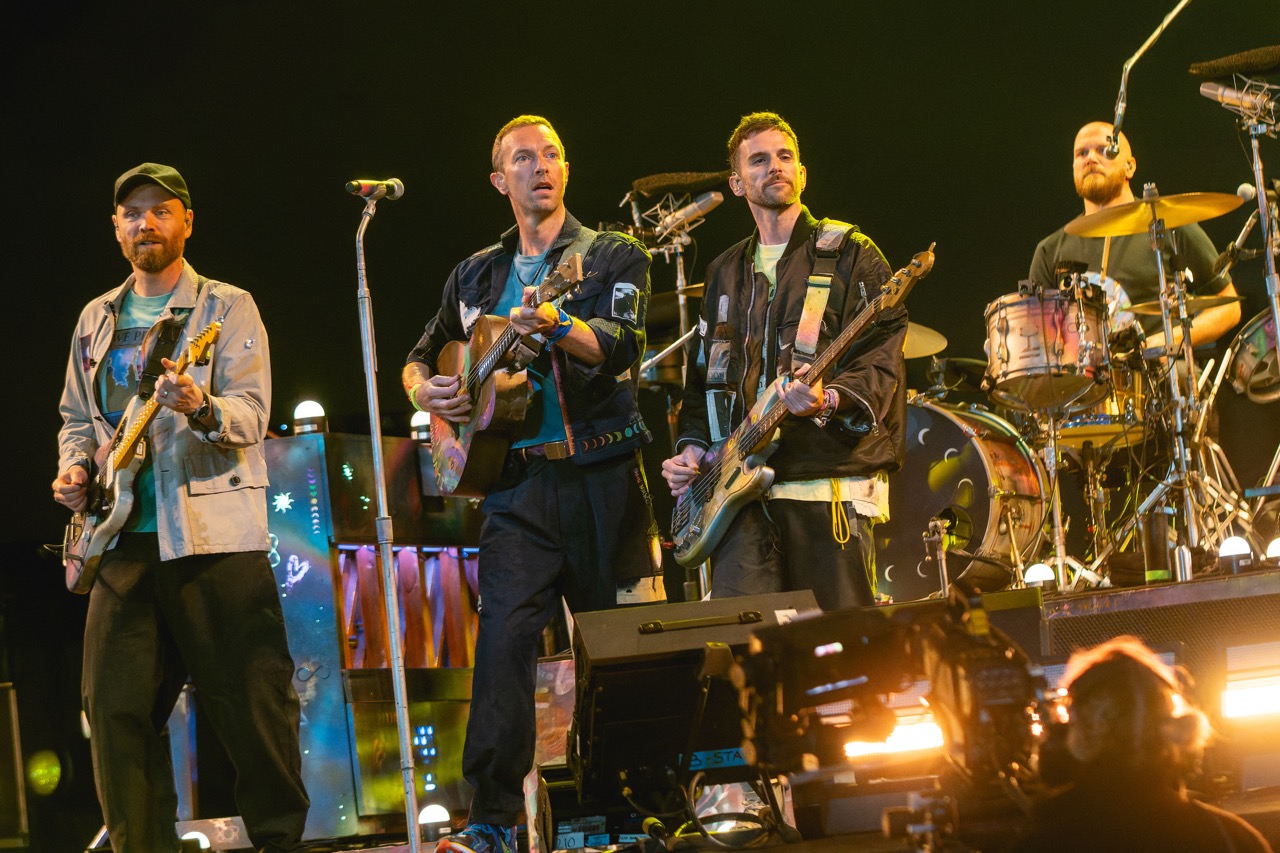
Coldplay’s Music of the Spheres World Tour is the first global stadium tour to use deliberate sustainable practices to power the show and reduce its carbon footprint at this scale. Their policy is to reduce carbon emissions, reinvent sustainable and low-carbon technologies, and restore by funding projects that will draw down “significantly more CO2 than the tour produces.”
Analysis:
Coldplay pledged to reduce carbon emissions from show production and freight, band and crew travel by 50%. Within the first two years of this tour, they reduced those emissions by 59% from their previous stadium tour by planning routes with minimal air travel and flying commercial when possible. For all flights, they use Sustainable Aviation Fuel, which reduces greenhouse gas emissions by up to 80% compared to regular jet fuel.
Inventing new green technologies was key in Coldplay’s sustainability plan. Fans can dance on the custom-made Energy Floors to convert their kinetic energy into power for the concert, or ride stationary bikes to help power the show batteries.
Each venue is also equipped with solar panels to help power the show and charge the show batteries. Low-energy LED screens, lighting systems and PA systems used up to 50% less power than their previous tour.
Studies show the most significant factor in live music carbon emissions is audience travel. Coldplay created an app that encourages low-carbon transport and collects data on the total carbon footprint of fans’ travel to all shows. Using this data, Coldplay “will drawdown all of these emissions via nature-based solutions like rewilding and conservation.”
Despite these low-emission efforts, live music like this tour still has a significant carbon footprint. Coldplay pledges to “drawdown more CO2 than the tour produces supporting projects based on reforestation, rewilding, conservation, soil regeneration, carbon capture & storage and renewable energy.” Among other projects, they have contributed to 7 million trees planted, one for each concert attendee, which will be supported to maturity by One Tree Planted.
Action in the entertainment industry is necessary to lower carbon emissions, and the industry also plays a “critical role inspiring people to imagine and realize a low-carbon, just and climate-resilient future,” according to U.N. Climate Change Executive Secretary Simon Stiell.
“In my world, climate is often described through targets, treaties, technologies and finance. All are essential. But climate change is about people,” Stiell said at a Climate Week NYC event in September. “Climate action does not just need policy and investment. It needs imagination. Creative and cultural sectors reach people in ways no communique, report or negotiation text ever could.”
To adequately combat the climate crisis, we must address every sector of life. Coldplay’s success with carbon-lowering and restoring practices on a stadium tour proves a low-emission, large-scale music tour is possible. This tour gives a little hope for the future of sustainable live music.
Take Action:
https://sustainability.coldplay.com/ Learn more about Coldplay’s sustainability practices.
https://onetreeplanted.org Learn about the work One Tree Planted is doing to “rebuild nature’s balance” and how you can help.
https://justenergy.com/blog/concerting-in-green-style/ Learn how to reduce your carbon footprint when attending events.