
Summary
The Energy Department is using an emergency provision of the Federal Power Act, Section 202(c), to order coal plants to run past their retirement dates. Orders that may conflict with environmental law expire after 90 days but can be renewed, and the 2026 list runs to 61 entries. On September 11 the D.C. Circuit vacated the order that kept Michigan’s J.H. Campbell plant open, but the department keeps issuing orders. Oil and gas workers face a different squeeze: extraction employment fell to 114,500 in June with production near a record. The orders settle whether a plant runs. They leave open what happens to the people who run it.
Analysis
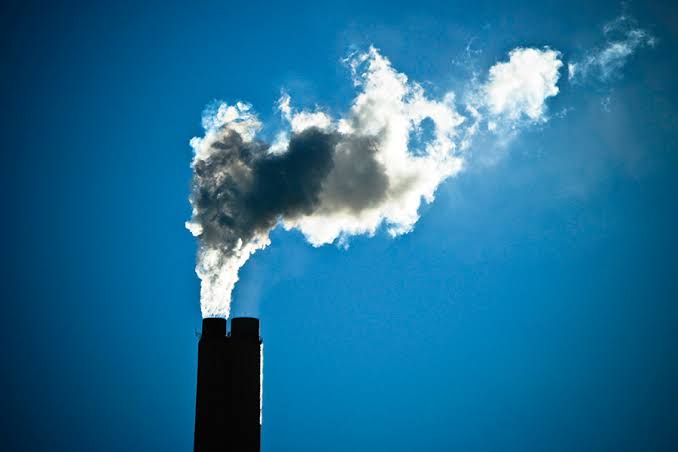
The J.H. Campbell COAL? plant stands on Lake Michigan’s shore in West Olive, Michigan. Consumers Energy planned to close it on May 31, 2025, after a yearslong process overseen by the state, and about 250 workers were to be reassigned. Eight days before the closing, Energy Secretary Chris Wright ordered it to stay open. A sixth order this August carries it to mid-November, nearly a year and a half past retirement.
In the first summer, workers who had planned to switch jobs or retire were left waiting to learn whether they would stay on. By the end of June, the plant had cost its owner a net $259 million, and Consumers is seeking to recover costs from customers across the Midwest grid. WHY ARE THEY TRYING TO RECOVER COSTS?
The department says the orders protect reliability and cites an internal report finding that outages could multiply 100 times by 2030. IF WHAT HAPPENS?
Th regional grid operator concluded years ago that Campbell could retire without triggering reliability problems, a Michigan official said, and the court has limited the emergency power. WHAT DOES THIS MEAN?
Oil and gas workers are losing jobs to a different force. Extraction employment was the second-lowest for any June in federal records, and the same report ties layoffs at major producers to mergers and automation rather than prices. It also cites researchers who found that places losing oil and gas jobs are rarely the places adding clean energy ones. Retraining alone cannot bridge that distance.
Federal support also flows to coal without labor conditions. The 2025 budget law added metallurgical coal to the 45X credit through 2029, and 45X carries no prevailing wage requirement. Miners know what happens when an employer fails: bankruptcies stripped health benefits from thousands, the union told Congress in 2019.
Five changes that give workers a say in the order
- Write workforce terms into every emergency order. The Energy Department can set staffing, safety and retention terms and name who pays.
- Replace rolling 90-day orders with dated plans. Where a plant is truly needed, grid operators and FERC should contract for it over a set term, giving workers a horizon and ratepayers a price.
- Bridge benefits across fossil fuel sectors. Congress should create pension bridges, portable health coverage and wage insurance for displaced coal, oil and gas workers.
- Attach labor standards to federal fossil fuel support. Wage floors, safety enforcement and a fair path to union recognition should accompany any credit or loan. Agencies can act on loans. Credits need Congress.
- Spend transition money where the layoffs are. Fund site reuse and local hiring with worker representatives at the table. Fossil fuel unions and clean energy advocates will not agree on every priority, so the design must reconcile them.
The current Campbell order expires November 14. Another may follow. The people running that plant deserve more than a calendar.
Take Action
- United Mine Workers of America: Follow its advocacy on miners’ benefits.
- Bridge Michigan’s reporting: Read how Campbell’s workers have waited on each order.
- The original Campbell order: Read the May 2025 emergency order.
- Michigan’s court challenge: Follow the attorney general’s case against the orders.
Shannon Roxborough is a journalist and geopolitical analyst with more than 30 years of international reporting experience. His work has appeared in Money, Fortune and The Wall Street Journal Asia, with commentary cited in Barron’s. At US Resist News, he covers how federal environmental, energy, labor and economic policy lands on workers and communities.