
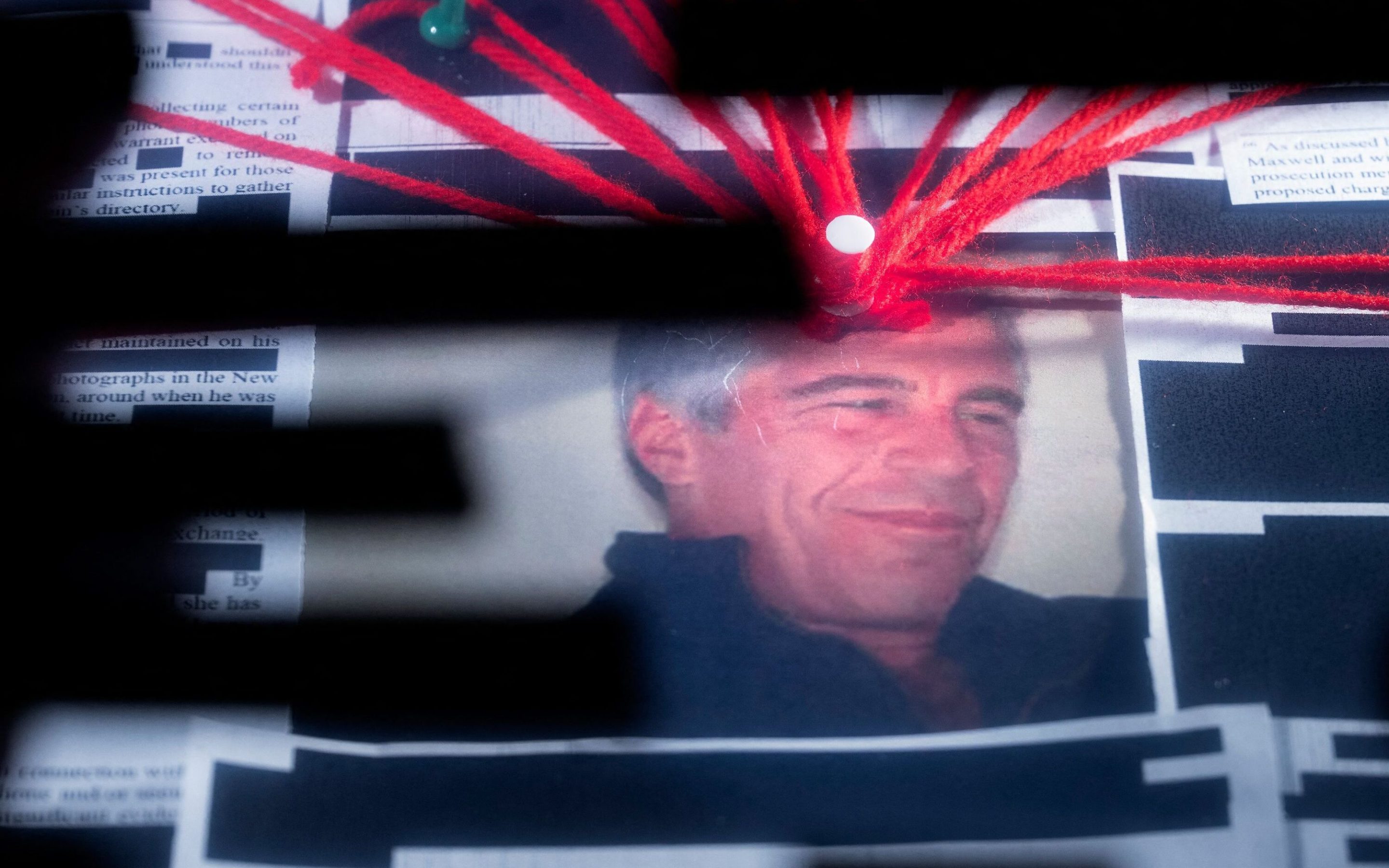
On July 23rd, 2025, a House Subcommittee voted to subpoena the Department of Justice (DOJ) for the Epstein files. During that time, the Subcommittee agreed to redact the names and personal information to protect the victims. However, in January 2026, with the release of more than 3 million more documents, that agreement was not fulfilled.
Analysis
Over 3 million documents of the Epstein files were released in January 2026, but not without controversy. The files released included more than 2,000 explicit videos and 180,000 images. The images and videos were supposed to be redacted to protect the victims’ identities and their privacy. Among the information left unredacted were victims’ driver’s licenses, passports, names, and statements. The incompetence of the DOJ to ensure the safety and protection of the victims included in the files has led to victims being retraumatized and left vulnerable. This is not an accident but a careless act, especially given the information redacted and the individuals protected by redaction. Despite some of the victims’ information and identities not being redacted, notably high-profile individuals were heavily redacted.
Of the high-profile individuals redacted in the January release of the Epstein files, Trump’s name was left completely out of them. Trump’s past relationships with Epstein have been documented, and according to him, that relationship began in the late 1980s. Yet he denies having had a close relationship with Epstein. However, according to an NPR investigation and an accusation by Robert Garcia, a Democratic Representative on the House Oversight Committee, the DOJ withheld files that referenced Trump. Even going as far as saying that pages mentioning him were removed from the public record. That is, until early March of this year. According to NPR, DOJ has since released 16 new pages that include allegations from a woman who accused Trump of sexual abuse when she was a minor. However, even though DOJ released some files accusing Trump, they are still lacking transparency, as pages still appear to be missing from the files, and redactions still appear to be inconsistent.
The release of the files this time around is a stark difference from the flight logs that were released in early 2025, which were heavily redacted to the point where they were almost illegible. This time around, DOJ is blaming the inconsistency of the redactions on “technical or human error,” but this still does not answer why certain people’s right to privacy was not respected. This incident begs the question of who decided what information got redacted and why.
The Epstein Files Transparency Act was sponsored by Representatives Ro Khanna and Thomas Massey, and Senator Jeff Merkley, to force DOJ to release the Epstein files. It was signed into law by President Trump on November 19th, 2025. This Act requires the attorney general to release records, documents, and investigative materials related to Jeffrey Epstein, and designates the attorney general, Pam Bondi, responsible for executing the redactions, where the tasks are delegated to her department and relevant agencies (ALJAZEERA). The Act mandates that the files should not be redacted due to embarrassment or reputational harm to government officials or public figures. Redactions are to be permitted if information provided contains personal identifiable information of victims, depicts or contains child sexual abuse material, jeopardizes active federal investigations, depicts or contains images of death or physical abuse, or when the information provided has been authorized to be kept a secret in the interest of national security (ALJAZEERA).
Conclusion
Given the House Oversight Committee’s agreement to protect and redact the information of the victims in the newly released Epstein files, the Department of Justice and the FBI neglected to do so. Instead, those given the protection of redaction were the high-profile individuals being accused. One of those individuals was Donald Trump, who, surprisingly, was not mentioned in the recent files despite having had a documented relationship with Epstein. The redactions from both the DOJ and the FBI directly go against the reasoning for redaction due to the Epstein Files Transparency Act and fail to protect the privacy and identifiable information of the victims included in the files released. The redactions instead protected those who did not deserve nor need protection.
Engagement Resources
- DOJ admits redaction errors in Epstein docs while names in files face scrutiny https://www.npr.org/2026/02/06/nx-s1-5702692/epstein-files-doj-trump-clinton-oversight
- DOJ announces full release of Epstein files https://www.politico.com/news/2026/01/30/epstein-drop-live-00757275
- Department of Justice Publishes 3.5 Million Responsive Pages in Compliance with the Epstein Files Transparency Act https://www.justice.gov/opa/pr/department-justice-publishes-35-million-responsive-pages-compliance-epstein-files
- Six men named in US Congress: Why is so much redacted in the Epstein Files? https://www.aljazeera.com/news/2026/2/11/six-men-named-in-us-congress-why-is-so-much-redacted-in-the-epstein-files
- Investigation reveals DOJ withheld Epstein files mentioning Trump https://www.pbs.org/newshour/show/investigation-reveals-doj-withheld-epstein-files-mentioning-trump