
USRESISTNEWSMaking Democracy Great Again: A Mission We Take To Heart

Keeping Democracy Alive

2026 Democratic Primary Preview Series
Profiles of Democratic candidates in 2026 state congressional elections.

Alabama (2026 Democratic Primary Preview Series Brief #1)

Alaska (2026 Democratic Primary Preview Series Brief #2)

Arizona (2026 Democratic Primary Preview Series Brief #3)

USRESIST 2026 Democratic Primary Preview Series Brief #6: Colorado

2026 Democratic Primary Preview Series: Connecticut (Brief #5)

2026 Democratic Primary Preview Series: Delaware (Brief #7)

2026 Democratic Primary Preview Series: Hawaii (Brief #8)

2026 Democratic Primary Preview Series: Iowa (Brief #9)

2026 Democratic Primary Preview Series: Kansas (Brief #10)
Kansas has one Democratic member of the house up for re-election Sharice Davids of the 3rd Congressional District.

2026 Democratic Primary Preview Series: Idaho (Brief #11)

2026 Democratic Primary Preview Series: Indiana (Brief #12)

2026 Democratic Primary Preview Series: Louisiana (Brief #13)

2026 Democratic Primary Preview Series: Kentucky (Brief #14)

2026 Democratic Primary Preview Series: Maine (Brief #15)

2026 Democratic Primary Preview Series: Michigan (Brief #16)

2026 Democratic Primary Preview Series: Montana (Brief #17)
Latest USRESISTNEWS and Analysis

Civil Rights
 Rodney A. Maggay
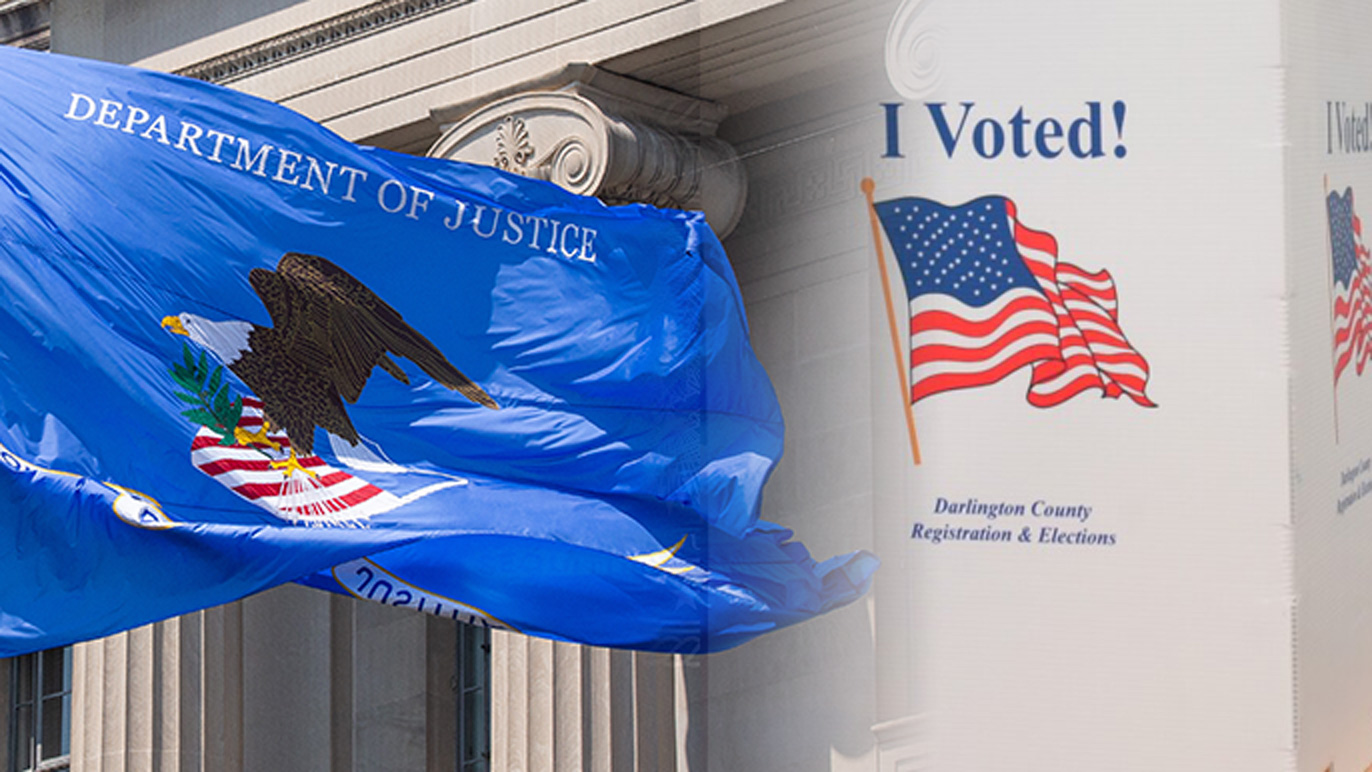
The Problem With DOJ Requesting Voter Roll Information From States (Civil Rights Policy Brief #251)
Rod Maggay
President Trump’s Odd Proposal to “Nationalize” U.S. Elections (Civil Rights Policy Brief #250)
Rodney A. Maggay

An Analysis of the California – Texas Re-Districting Fight (Civil Rights Brief #249)
Rodney Maggay
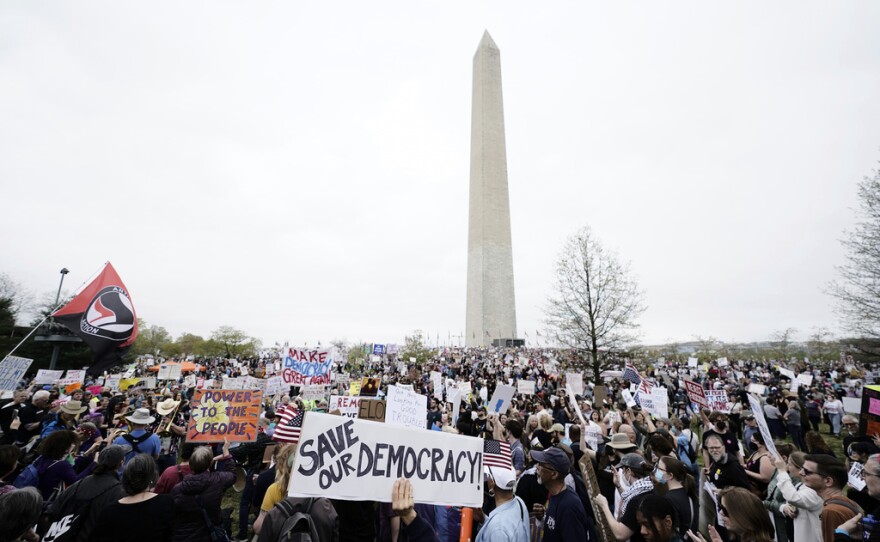
Can The Government Prosecute Protesters For Their Speech? (Civil Rights Policy Brief #248)
Rodney Maggay
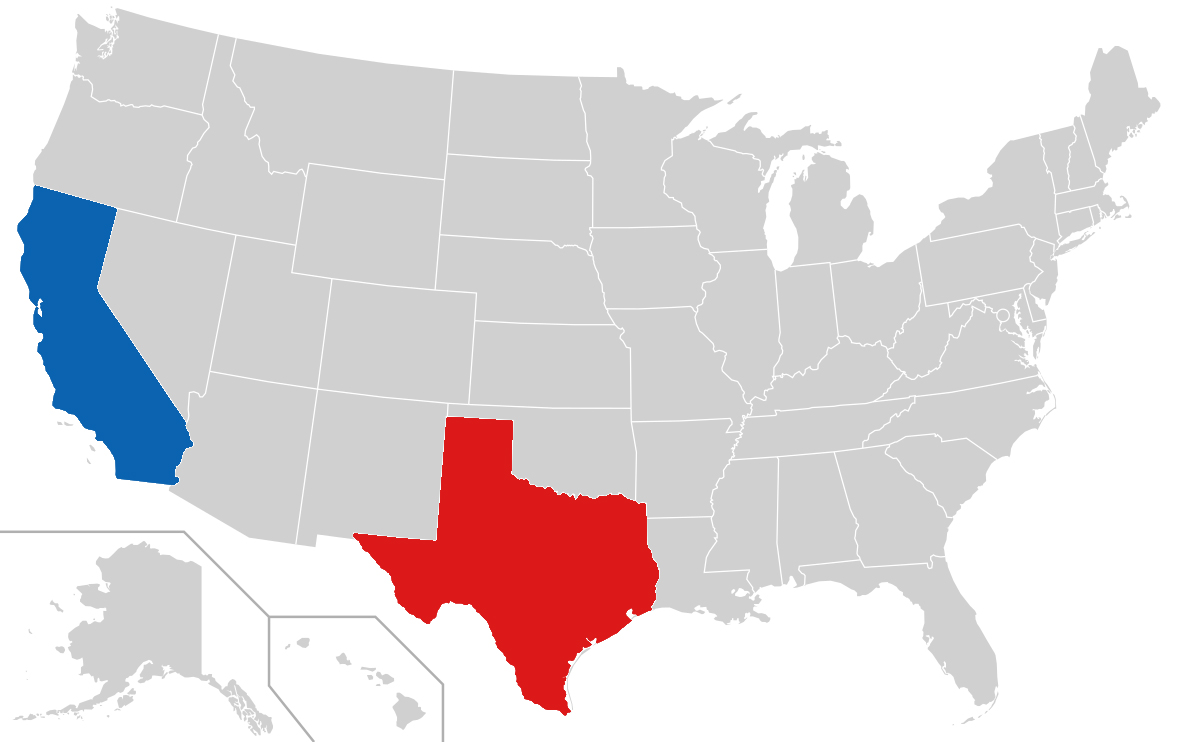
The Texas and California Re – Districting Fight Explained
Rodney A. Maggay

Why The Birthright Citizenship Rule Is Still Valid Today And What Comes Next (Civil Rights Brief #245)
 david
david

The Role of the Judiciary Against The Other Branches of Government – A Historical Background (Civil Rights Policy Brief #244)
Rodney Maggay

The Distinction Between Law and Policy And The Role of The Courts
Rodney Maggay
The Department of Justice Voting Section’s Shift In Priorities
Nicholas Gordon

Resistance is Not Futile: Upholding Civil Rights and Constitutional Norms to withstand Trump’s Autocratic Aims

Elections & Politics
Nicholas Gordon
JD Vance Blames the Victims (Elections & Politics Policy Brief #203)
Inijah Quadri
Democracy on the Brink: Structural Suppression and the Fight for the 2026 Midterms (Elections & Politics Brief #202)
Nicholas Gordon

How low will he go? President Trump’s penchant for debasing himself undermines U.S. Credibility (Elections & Politics Brief #201)
Morgan Davidson
Funding Dissent in the Crosshairs: Trump’s War on the Soros Foundations (Elections & Politics Policy Brief #200)
Morgan Davidson

Unmasking the Target: Antifa & Trump’s Crackdown on Dissent (Elections & Politics Brief #199)
Nate Iglehart
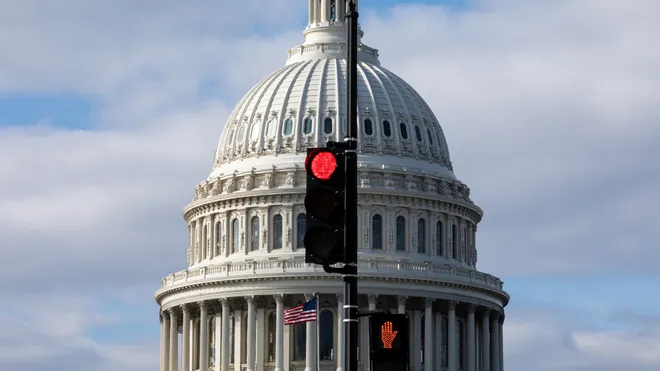
The Government Shutdown: Why it Happened, and What May Happen Next (Elections & Politics Brief #198)
Morgan Davidson

The ‘Radical Left’: Defining Dissent in Divided America (Elections & Politics Brief #196)
Nate Iglehart
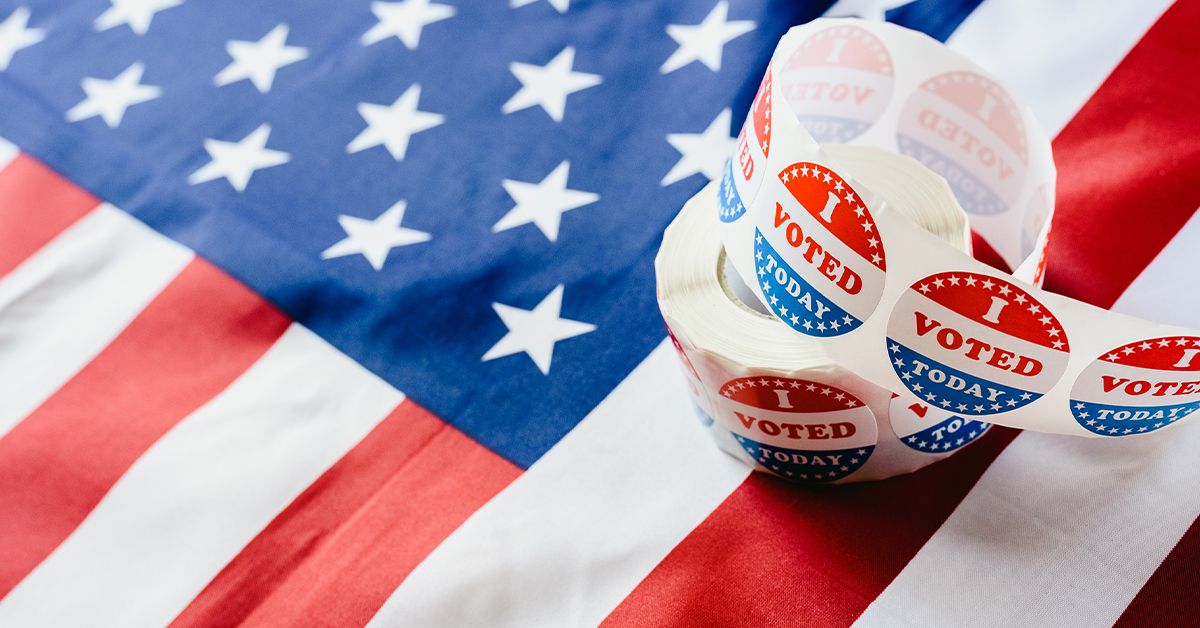
How To Ensure A Fair And Safe 2026 Midterm Election (Election and Politics #197)
Nate Iglehart

Trump and Intel — A Republican-Backed Nationalization (Elections & Politics Brief #194)
Inijah Quadri

Where Gerrymandering Comes From—and Where It’s Going (Elections & Politics Brief #193)

Foreign Policy

Foreign Policy

The U.S. Government Turns the Other Cheek to Resolving the Israel–Palestinian Conflict (Foreign Policy Brief #215)
Under the Trump administration, U.S. policy has shifted in tone, language, and substance: Washington has openly embraced Israeli priorities while sidelining Palestinian rights and claims. What had long been presented as a balancing act—security guarantees for Israel paired with a rhetorical commitment to Palestinian statehood—has become a policy that favors one side almost exclusively.
Duped by Putin for months on end, Trump must now hold the line on Russia (Foreign Policy Brief #212)
Trump’s egregious pre-election claim that he could “end the war in a day” between Russia and Ukraine has instead resulted in Russia’s huge surge of attacks on Ukraine and an increasing number of civilian deaths. While Trump often tries to deflect his responsibility for handling this war onto past U.S. presidents, he is now in fact the commander in chief and must take action to support an ally in Ukraine, help prevent further carnage, and demonstrate American democratic mettle vis-a-vis a ruthless dictator in Putin.
Peace Prizes and Bombs: The Theater of Trump’s Nobel Pursuit (Foreign Policy Brief #211)
In the summer of 2025, President Donald Trump became the centerpiece of a surreal global spectacle: a campaign to nominate him for the Nobel Peace Prize. Israeli Prime Minister Benjamin Netanyahu lauded Trump for supposedly brokering stability in conflict zones, and Cambodia’s deputy prime minister praised him for his role in a temporary ceasefire with Thailand. The White House eagerly embraced this narrative, touting Trump as a global peacemaker and repeatedly pointing to “six major conflicts” that he allegedly helped resolve.

Technology
Technology

AI Regulation: Who’s Up to the Challenge? (Technology Policy Brief #150)
Artificial intelligence (AI) is the discipline of designing computer systems that can perform tasks normally requiring human cognition—pattern recognition, language generation, planning—by learning statistical relationships from large data sets. Modern AI works by training vast machine-learning models on petabytes of text, images, audio, and code and then applying those models to new inputs to produce predictions or content; it now powers everything from chatbots and fraud detection to medical imaging and autonomous drones.
Trump’s Big Beautiful Gifts to Artificial Intelligence Companies (Technology Policy Brief # 149)
In his first few days in office, Donald Trump announced a $500 billion joint venture with OpenAI, Oracle, and Softbank to invest in growing the US’s AI infrastructure and rescinded former President Joe Biden’s executive order requiring safety submissions from AI developers. His big, beautiful bill showers much more money in the industry, and aims to eliminate state oversight or regulation of AI companies as well.
Israel’s Use of AI in Gaza Sparks Protest at Tech Companies in the U.S.
The Israeli military uses Artificial Intelligence to find and target Hamas fighters, but with a civilian death toll estimated at 52,000, critics allege the system is not reliable and may even be providing cover for widespread bombing and ethnic cleansing. And that US companies are complicit.

Environment
Environment

Introducing Gulf of America – from the person who gave us Trump Tower (Environmental Policy Brief #178)
For the last 475 years, the expanse of ocean from western Florida to southern Texas has been called the “Gulf of Mexico.” English geographer Richard Hakluyt referred to the “Gulfe of Mexico” in his work of 1589. With the stroke of a pen on February 9, 2025, the President of the United States signed Executive Order 14172 and renamed the body of water “Gulf of America.” In addition to “restoring American pride,” President Trump justified the name change by referencing territorial rights over much of the area and that those waters have “long been an integral asset to our once burgeoning Nation and has remained an indelible part of America.” Trump considers the Gulf a business asset.
The End of DEI in the Federal Government: Who’s Really Affected? (Social Justice Policy Brief #172)
Diversity, Equity, and Inclusion (DEI) policies in the United States trace their roots back to the civil rights movements of the 1960s, particularly through the enactment of Affirmative Action programs.
No shortage of Canaries in our Coastlines Signaling Catastrophe (Environmental Policy Brief #178)
40% of the U.S. population line our coasts. That equates to approximately 130 million people residing in coastal counties. In addition to those who retire seaside, entire economies are integrated into the coastal industries of fishing, tourism, energy, shipbuilding, and recreation. Even a cursory glance using google maps shows how tightly clustered the built space is, all on only 10% of the total U.S. land mass. Shoreline communities have five times the population density as compared to the U.S. average.

Education
Mindy Spatt
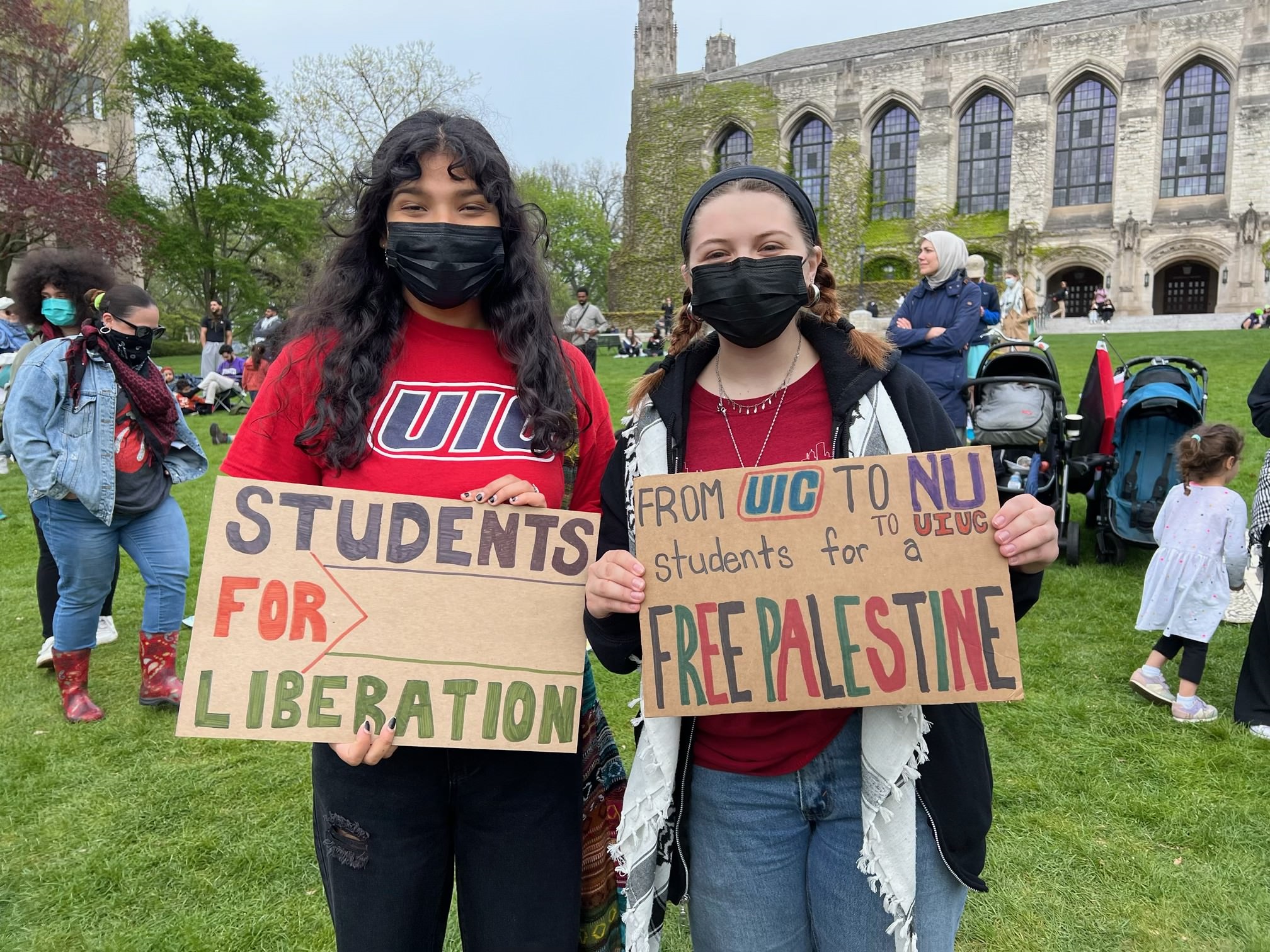
Antisemitism Is the Weapon, Teachers are the Target (Education Policy Brief #213)
Charlie Sweeney
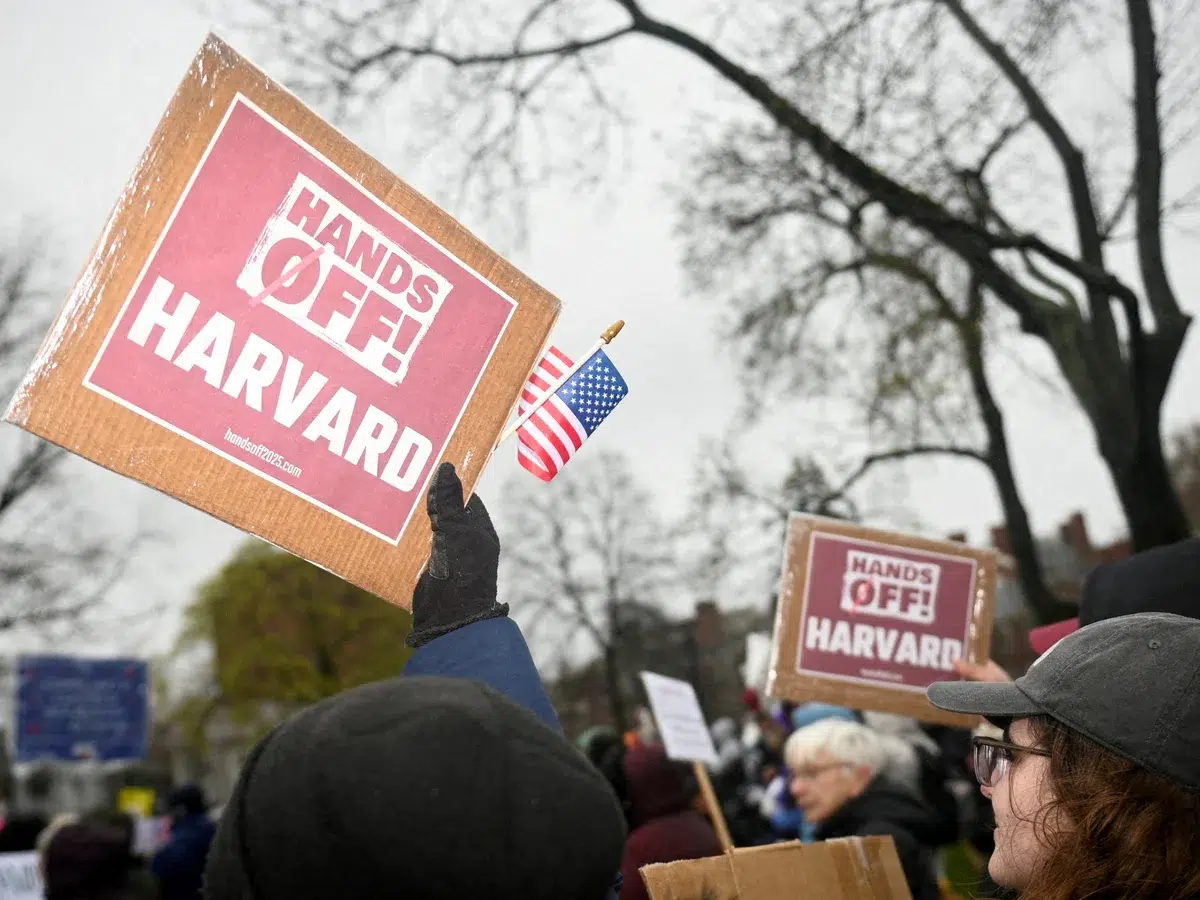
Trump’s War on Highest Ed: Shake-up or Shakedown? (Education Policy Brief #212)
Charlie Sweeney

How the Trump Administration Shook Up Education — and What It Means for Students with Disabilities (Education Policy Brief #211)
Nicholas Gordon
Trump’s Termination of U.S. Exchange Programs Weakens America at Home and Abroad
Katie Lever
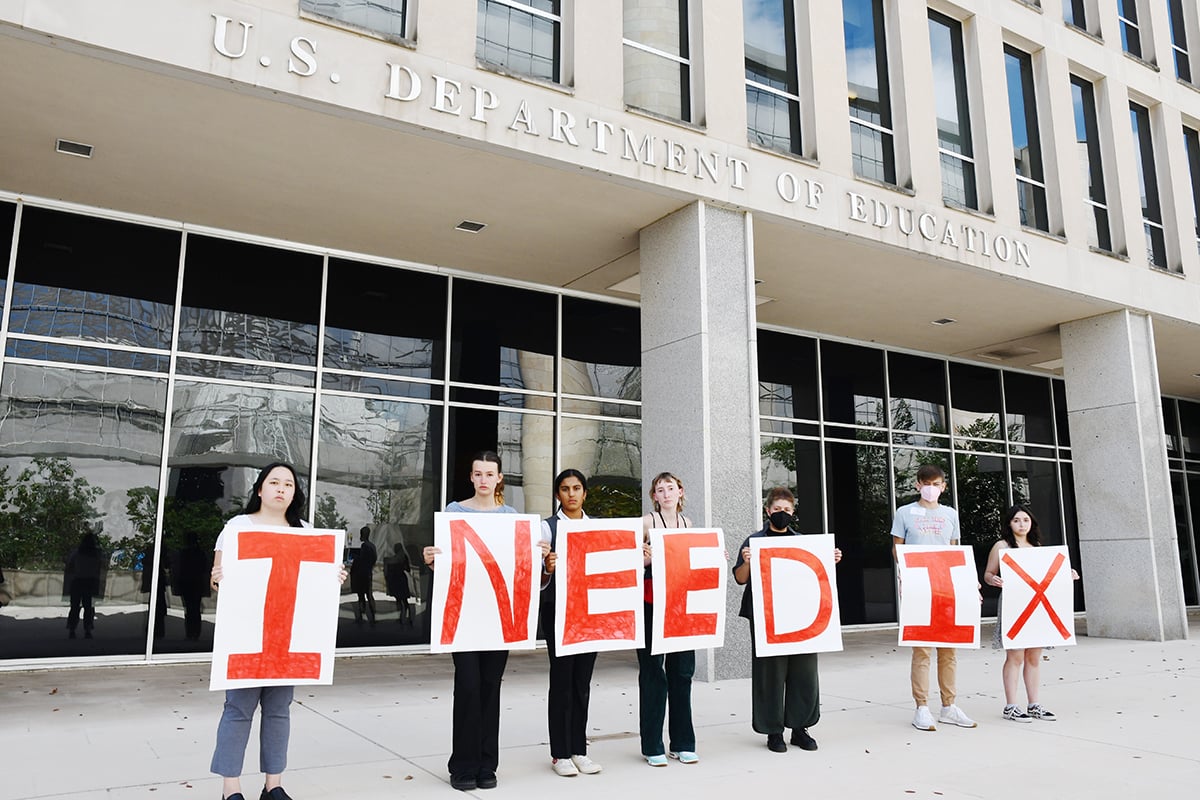
The Uncertain Future of the Department of Education and Title IX (Education Policy Brief #209)
Steve Piazza

The Downsizing of Student Learning Assessments (Education Policy Brief #208)
Yelena Korshunov
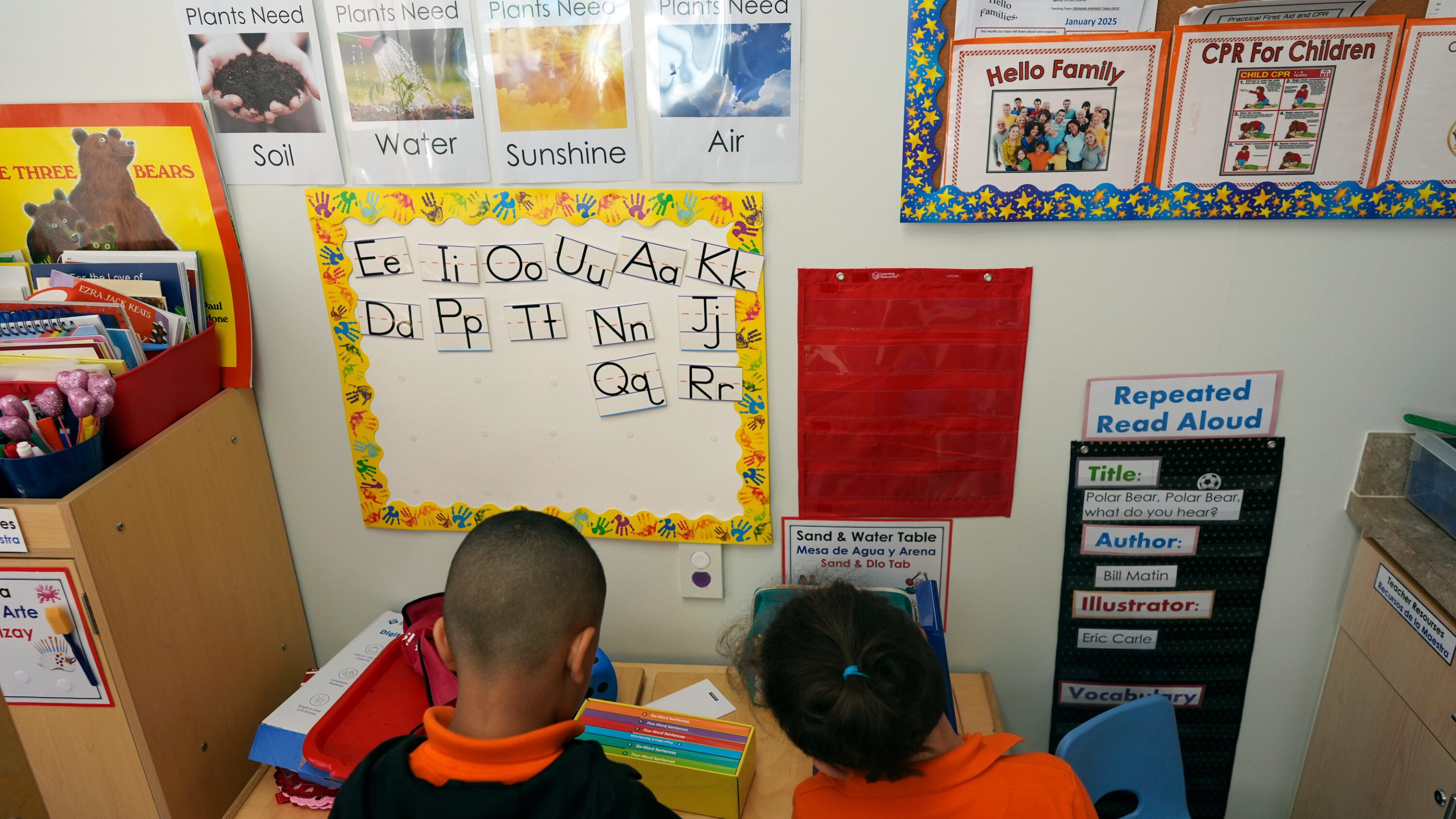
New Trump Rule Targets The Head Start Program (Education Policy Brief #206)
Steve Piazza

Current Efforts to Change State Education Curricula (Education Policy Brief #205)
Steve Piazza

Project 2025 and Federal Influence Over K-12 Curricula (Education Policy Brief #204)
Naja Barnes

The Future of Student Loans in Trump’s Presidency (Education Policy Brief #203)
Valerie Henderson

The Trump Administration and the University Communities: Part 1, Funding Suspension
Valerie Henderson

The Trump Administration and University Communities: Part II
Valerie Henderson

Understanding What the U.S. Department of Education Did
Damian DeSola

MAGA Against College: A Fight for America’s Minds
Valerie Henderson

The Reasons We’ve Had a Department of Education

Health & Gender
Health & Gender
Checking in on 14 Years of Obamacare: Part 1
Policy Brief #170 – Health and Gender
by Geoffrey Small
In its fourteenth year since enactment, the ACA, or Obamacare, aims to improve healthcare accessibility, affordability, and innovation. Despite premium increases, studies show significant progress in reducing uninsured rates, particularly among minorities and the LGBTQ community, highlighting strides towards healthcare equity since its implementation.
Abortion Restrictions Continue as Women Stockpile Medication
Policy Brief #169 – Health and Gender
by Geoffrey Small
With recent state developments in restricting access to abortion procedures, women across the U.S. are feeling the impact of their waning reproductive rights by taking precautions that were unimaginable in the Roe v. Wade era.
Republican-based Anti-Abortion Groups are Losing State Battles Over Reproductive Rights
Policy Brief #168 – Health and Gender
by Geoffrey Small
Republicans are struggling to maintain a consistent message, as anti-abortion activists have experienced infighting on how to administer laws post-Roe v. Wade.

Immigration
Immigration

The End of Title 42 and a New Beginning for Immigration Policy
Brief #133 – Immigration Policy
by Arvind Salem
On May 11th at 11:59 PM EDT, a pandemic-era immigration policy deriving from a law known as Title 42 expired after being in effect for over 3 years.
Biden Administration Reinstates Remain in Mexico, Under Federal Court Order
Brief #132 – Immigration Policy
By Kathryn Baron
Nearly a year ago, the Biden Administration suspended the Trump era Migrant Protection Protocols (MPP), aka Remain in Mexico. The policy consisted of a set of rules requiring asylum seekers to wait in Mexican border towns while their cases were processed in the US. In April 2021, the Attorney-Generals of Texas and Missouri sued the Biden Administration for suspending MPP and called for an injunction to pause the policy’s termination.
Pandemic Barriers Inhibit Return to Low-Wage Jobs and Have Caused Massive Decrease in Migrant Labor Needed to Sustain US Economy
Brief #131 – Immigration Policy
By Kathryn Baron
The US needs roughly 10 million people to work low-wage and high-skilled workers to comfortably sustain the economy. Only 8.4 million Americans are actively seeking work in this stage of the pandemic; workers are resigning in record numbers and the number of Americans returning to low-wage industries are persistently low. On average, the US accepts roughly 1 million immigrants and 75% of those immigrants actively contribute to the American labor force. In 2020, the US only admit 263,000 immigrants.

Economic Policy
Economic Policy

Who really won the Debt Ceiling Compromise?
Brief #54 – Economic Policy
by Arvind Salem
On June 3, 2023, just two days before a disastrous default and government shutdown, President Joe Biden signed the Fiscal Responsibility Act of 2023 to suspend the debt ceiling until 2025.
Balancing Power: The Anti-Trust Dilemma in the Tech Era
Brief #53 – Economic Policy
by Inijah Quadri
The concern here is not merely about dominance, but also about how these companies use their dominance.
The GOP’s Alarming Opposition to Raising the Debt Ceiling
Brief #52 – Economic Policy
By Caroline Howard
The United States is currently heading toward the path of a debt default, for the first time in the nation’s history. This could have catastrophic effects not only on the American economy but on the entire world economic order. The country already went past its debt ceiling in January, going over the 31.4 trillion dollar limit it set for itself in December 2021.
Making Democracy Great Again
"*" indicates required fields