
USRESISTNEWSMaking Democracy Great Again: A Mission We Take To Heart

Keeping Democracy Alive

2026 Democratic Primary Preview Series
Profiles of Democratic candidates in 2026 state congressional elections.

Alabama (2026 Democratic Primary Preview Series Brief #1)

Alaska (2026 Democratic Primary Preview Series Brief #2)

Arizona (2026 Democratic Primary Preview Series Brief #3)

USRESIST 2026 Democratic Primary Preview Series Brief #6: Colorado

2026 Democratic Primary Preview Series: Connecticut (Brief #5)

2026 Democratic Primary Preview Series: Delaware (Brief #7)

2026 Democratic Primary Preview Series: Hawaii (Brief #8)

2026 Democratic Primary Preview Series: Iowa (Brief #9)

2026 Democratic Primary Preview Series: Kansas (Brief #10)
Kansas has one Democratic member of the house up for re-election Sharice Davids of the 3rd Congressional District.

2026 Democratic Primary Preview Series: Idaho (Brief #11)

2026 Democratic Primary Preview Series: Indiana (Brief #12)

2026 Democratic Primary Preview Series: Louisiana (Brief #13)

2026 Democratic Primary Preview Series: Kentucky (Brief #14)

2026 Democratic Primary Preview Series: Maine (Brief #15)

2026 Democratic Primary Preview Series: Michigan (Brief #16)

2026 Democratic Primary Preview Series: Montana (Brief #17)
Latest USRESISTNEWS and Analysis

Civil Rights
 Rodney A. Maggay
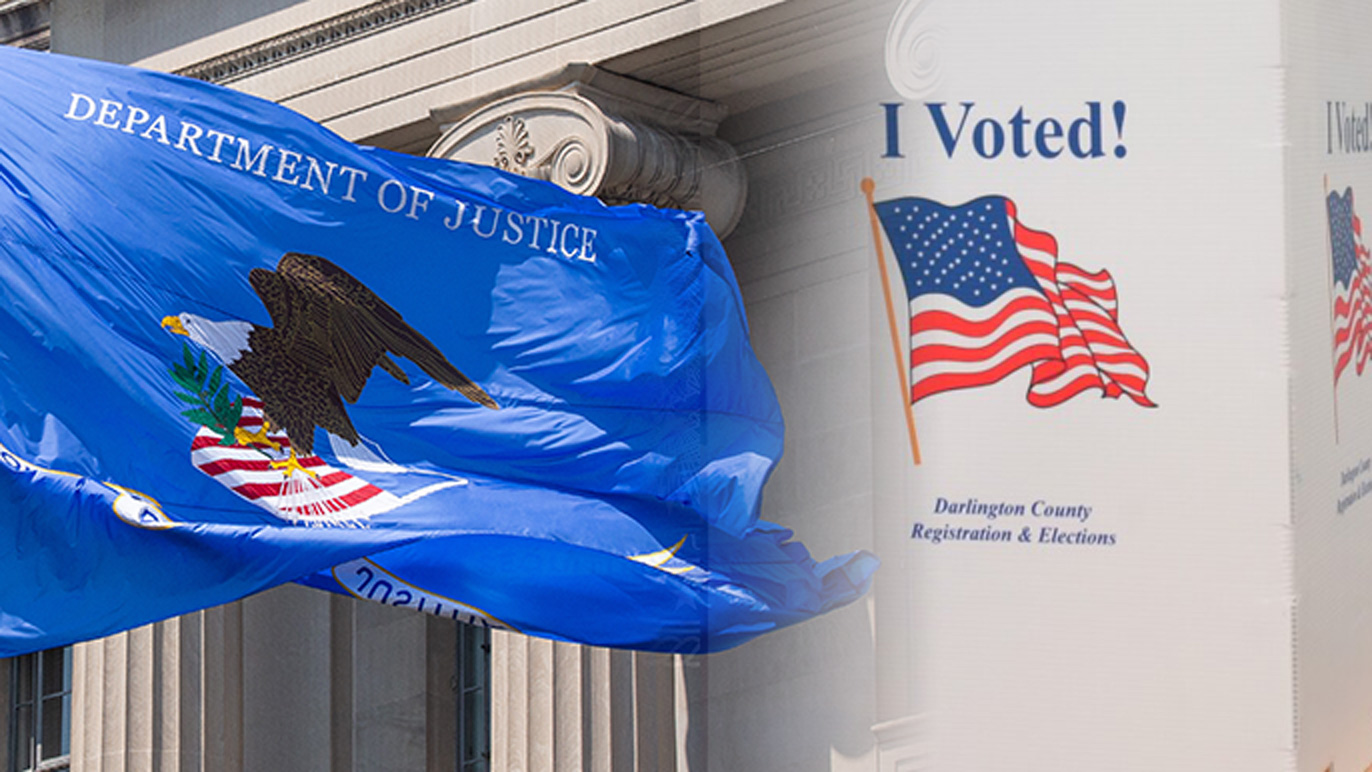
The Problem With DOJ Requesting Voter Roll Information From States (Civil Rights Policy Brief #251)
Rod Maggay
President Trump’s Odd Proposal to “Nationalize” U.S. Elections (Civil Rights Policy Brief #250)
Rodney A. Maggay

An Analysis of the California – Texas Re-Districting Fight (Civil Rights Brief #249)
Rodney Maggay
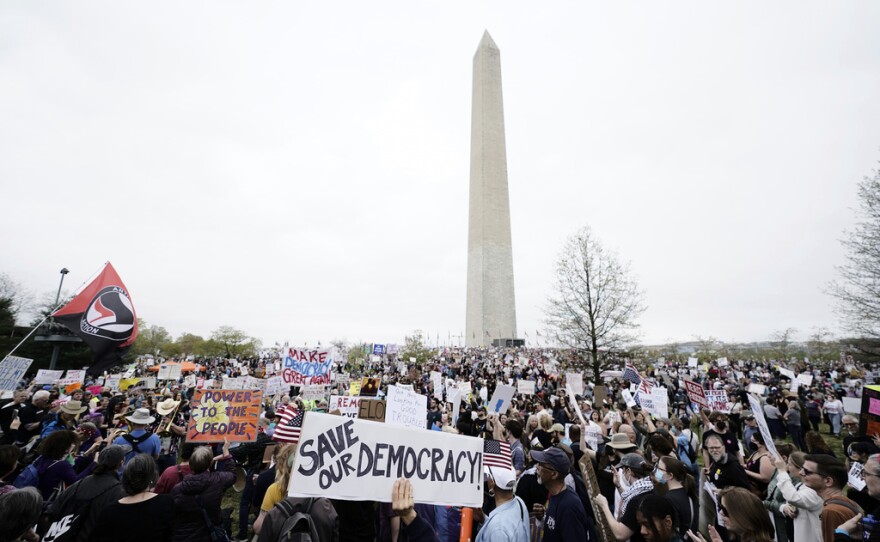
Can The Government Prosecute Protesters For Their Speech? (Civil Rights Policy Brief #248)
Rodney Maggay
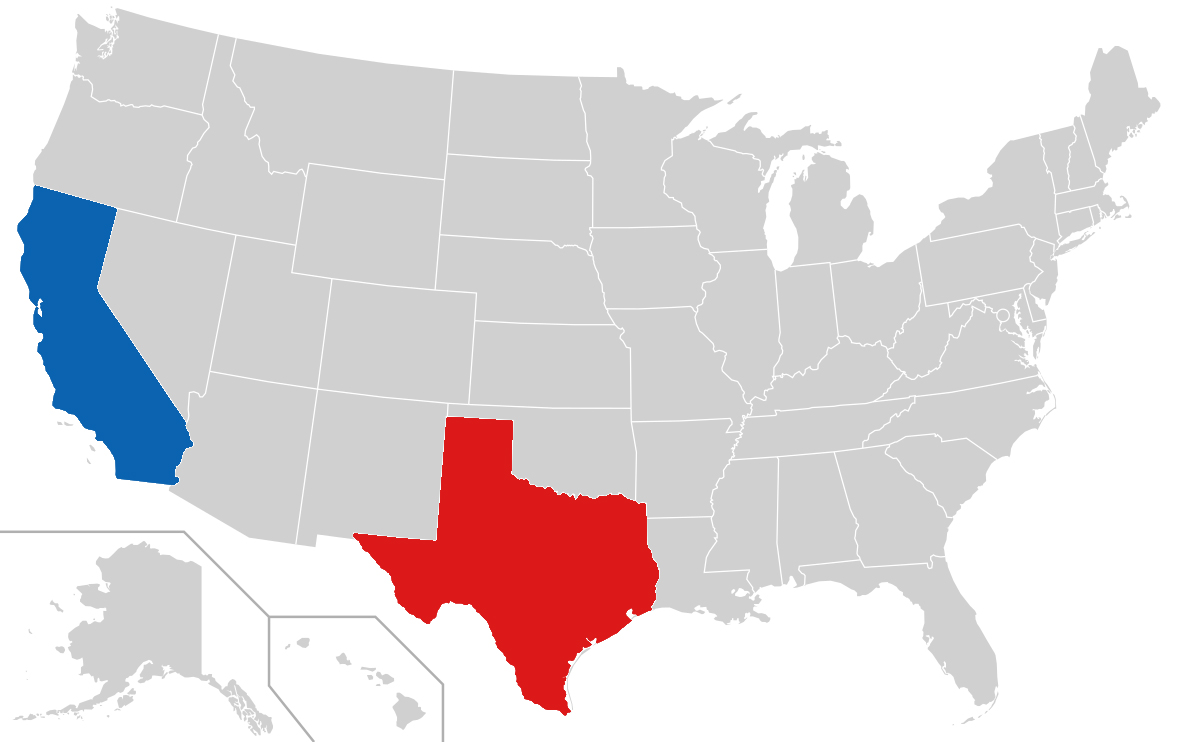
The Texas and California Re – Districting Fight Explained
Rodney A. Maggay

Why The Birthright Citizenship Rule Is Still Valid Today And What Comes Next (Civil Rights Brief #245)
 david
david

The Role of the Judiciary Against The Other Branches of Government – A Historical Background (Civil Rights Policy Brief #244)
Rodney Maggay

The Distinction Between Law and Policy And The Role of The Courts
Rodney Maggay
The Department of Justice Voting Section’s Shift In Priorities
Nicholas Gordon

Resistance is Not Futile: Upholding Civil Rights and Constitutional Norms to withstand Trump’s Autocratic Aims

Elections & Politics
Nicholas Gordon
JD Vance Blames the Victims (Elections & Politics Policy Brief #203)
Inijah Quadri
Democracy on the Brink: Structural Suppression and the Fight for the 2026 Midterms (Elections & Politics Brief #202)
Nicholas Gordon

How low will he go? President Trump’s penchant for debasing himself undermines U.S. Credibility (Elections & Politics Brief #201)
Morgan Davidson
Funding Dissent in the Crosshairs: Trump’s War on the Soros Foundations (Elections & Politics Policy Brief #200)
Morgan Davidson

Unmasking the Target: Antifa & Trump’s Crackdown on Dissent (Elections & Politics Brief #199)
Nate Iglehart
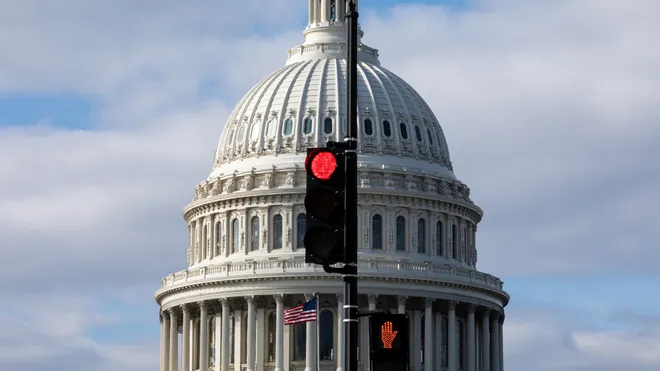
The Government Shutdown: Why it Happened, and What May Happen Next (Elections & Politics Brief #198)
Morgan Davidson

The ‘Radical Left’: Defining Dissent in Divided America (Elections & Politics Brief #196)
Nate Iglehart
How To Ensure A Fair And Safe 2026 Midterm Election (Election and Politics #197)
Nate Iglehart

Trump and Intel — A Republican-Backed Nationalization (Elections & Politics Brief #194)
Inijah Quadri

Where Gerrymandering Comes From—and Where It’s Going (Elections & Politics Brief #193)

Foreign Policy

Foreign Policy

Saudi Arabia Enters the Video Game Industry (Foreign Policy Brief #219)
Saudi’s investments in sports, in particular, has been labeled “sportswashing” and a way for the Saudi Arabian government to increase its publicity and popularity in the world while also maintaining a regime that violates human rights. Their move into new sectors and industries has also been a part of their Saudi Vision 2030 program which aims to diversify their entire economy away from traditional fossil fuels (which has propped their economies for decades) and transition into a post-oil world. Is the move to purchase EA a new moment of economic diversification, or is it more in the way of “sportswashing”? The answer isn’t totally clear.
Trump’s Efforts in Making Peace Between Russia and Ukraine (Foreign Policy Brief #217)
On August 15, after his meeting with Russia’s President Vladimir Putin, Donald Trump said it had been “a great and very successful day in Alaska.” In phone calls with Ukrainian President Volodymyr Zelensky, European leaders, and NATO Secretary-General Mark Rutte, Trump added that his talks with Putin had gone “very well.” He later wrote: “It was determined by all that the best way to end the horrific war between Russia and Ukraine is to go directly to a peace agreement, which would end the war, and not a mere ceasefire agreement, which oftentimes does not hold up.”
The Week That Was Around The Globe (Foreign Policy Brief #216)
Relatives of people killed by Israeli fire while they were waiting to receive humanitarian aid mourn outside al-Shifa hospital in Gaza City. Photograph: Anadolu/Getty Images

Technology
Technology

TikTok vs. U.S. Government: The Battle Over Data Privacy and Platform Ownership (Technology Policy Brief #153)
The clash between TikTok and the U.S. government centers on national security and data privacy concerns tied to its Chinese parent company, ByteDance. TikTok, with around 170 million American users, faces a federal mandate under the Protecting Americans from Foreign Adversary Controlled Applications Act (PAFACA), signed April 24, 2024, requiring it to divest its U.S. operations or face a nationwide ban effective January 19, 2025. The Supreme Court upheld PAFACA in TikTok v. Garland on January 17, 2025, finding it constitutional and not in violation of First Amendment rights.
Profits and Protests at Palantir (Technology Policy Brief #152)
Palantir Technologies’ data tracking software and Artificial Intelligence tools are playing a huge role in the ICE sweeps plaguing communities throughout the US, sparking a national day of protests and concerns over a revolving door between the company and key government agencies.
Trump’s Tech Ventures Positioned for Top Profits (Technology Policy Brief #151)
The Trump organization has dropped any pretense of avoiding conflicts of interest. Instead, it is blatantly cashing in on Trump’s presidency in every conceivable way. At the top of the list is tech, with both Trump and his wife selling digital currencies and a new Trump mobile phone on the way. An additional bonus is that Trump has a great deal of power over the agencies that oversee these industries, and Congress is doing nothing to stop him from taking advantage of it.

Environment
Environment

An Energy Sector Stuck Between a Lump of Coal and a Hard Place (Environment Policy Brief #181)
Coal is not going away anytime soon; it remains the dominant source of the world’s electricity. 15% of U.S. electricity is fueled by coal. Globally, it is forecasted that carbon in the form of coal will still contribute 22% of power generation by 2040. In China and India, the reliance upon coal is significantly higher, almost double that of the U.S. and Europe. And for good reasons: it is the most economical, stable, and reliable power source.
Old Growth Forest Policy Made at the 19th Hole (Environment Policy Brief #180)
Through an Executive Order issued March 1, 2025, there is to be an expansion of American timber production that meets goals to achieve “sound forest management, reduce time to deliver timber, and decrease timber supply uncertainty.” Approximately 100 million acres, the equivalent of 60% of our national forests, are to be within earshot of a chainsaw. In so doing, the Trump administration declares this a “new era” in national forest management. Legally protected forest land and parts of old growth forest are slated be part of the expanded production.
The Growing Global Battle for Rare Earth Minerals (Environment Policy Brief #179)
Where there’s oil, there’s the United States of America. It’s an old joke, fostered by a century of U.S.-backed coups and military interventions in the name of cheap access to oil reserves. But the age of oil politics may be giving way to a new age of mineral politics.

Education
Mindy Spatt
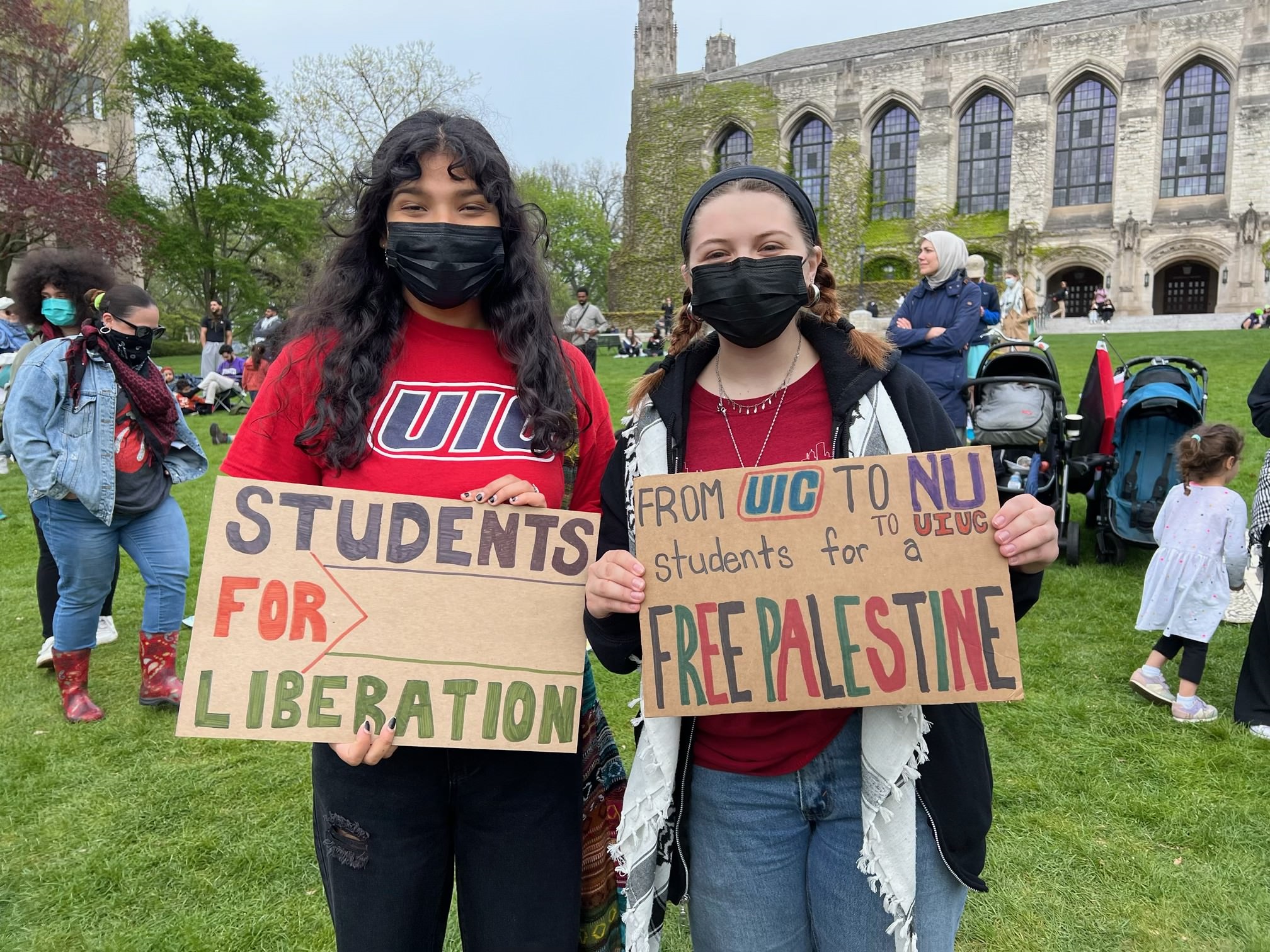
Antisemitism Is the Weapon, Teachers are the Target (Education Policy Brief #213)
Charlie Sweeney
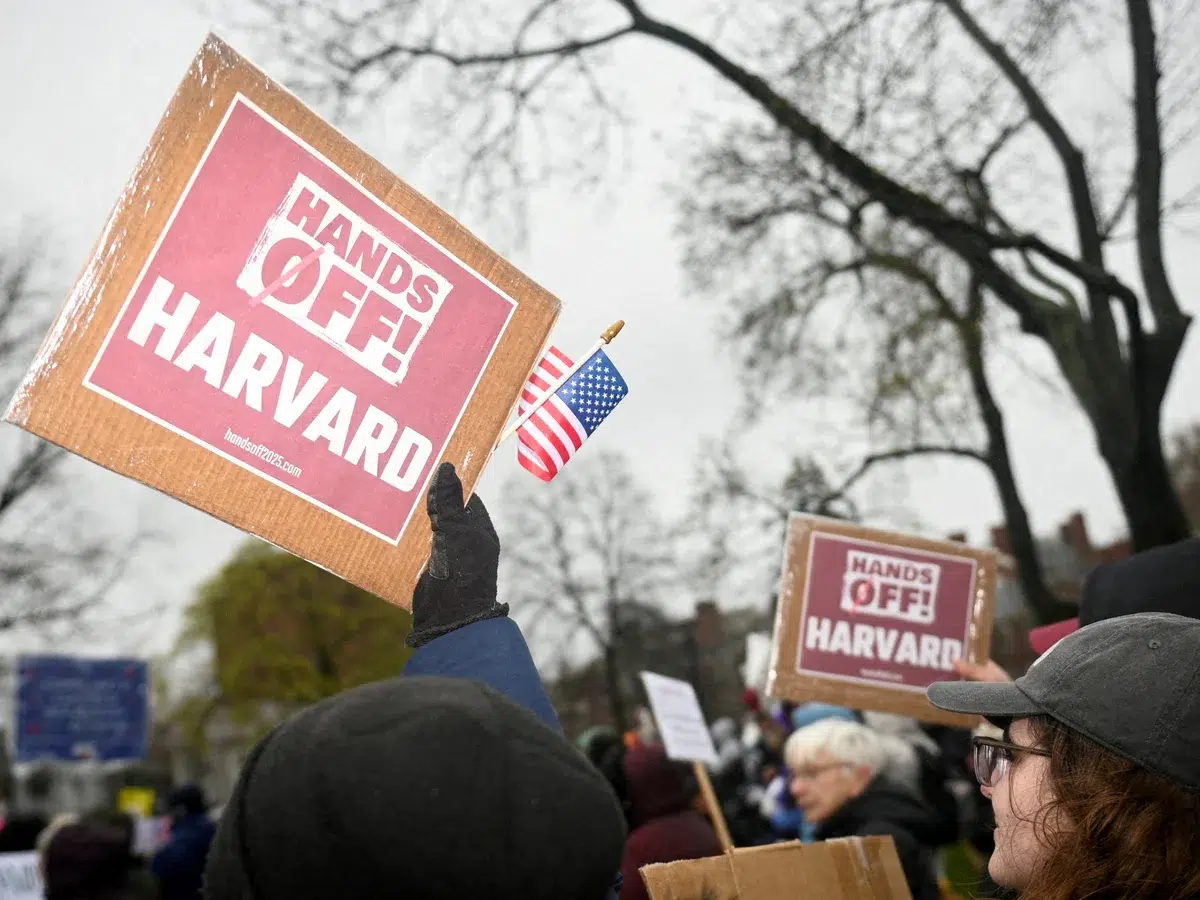
Trump’s War on Highest Ed: Shake-up or Shakedown? (Education Policy Brief #212)
Charlie Sweeney

How the Trump Administration Shook Up Education — and What It Means for Students with Disabilities (Education Policy Brief #211)
Nicholas Gordon
Trump’s Termination of U.S. Exchange Programs Weakens America at Home and Abroad
Katie Lever
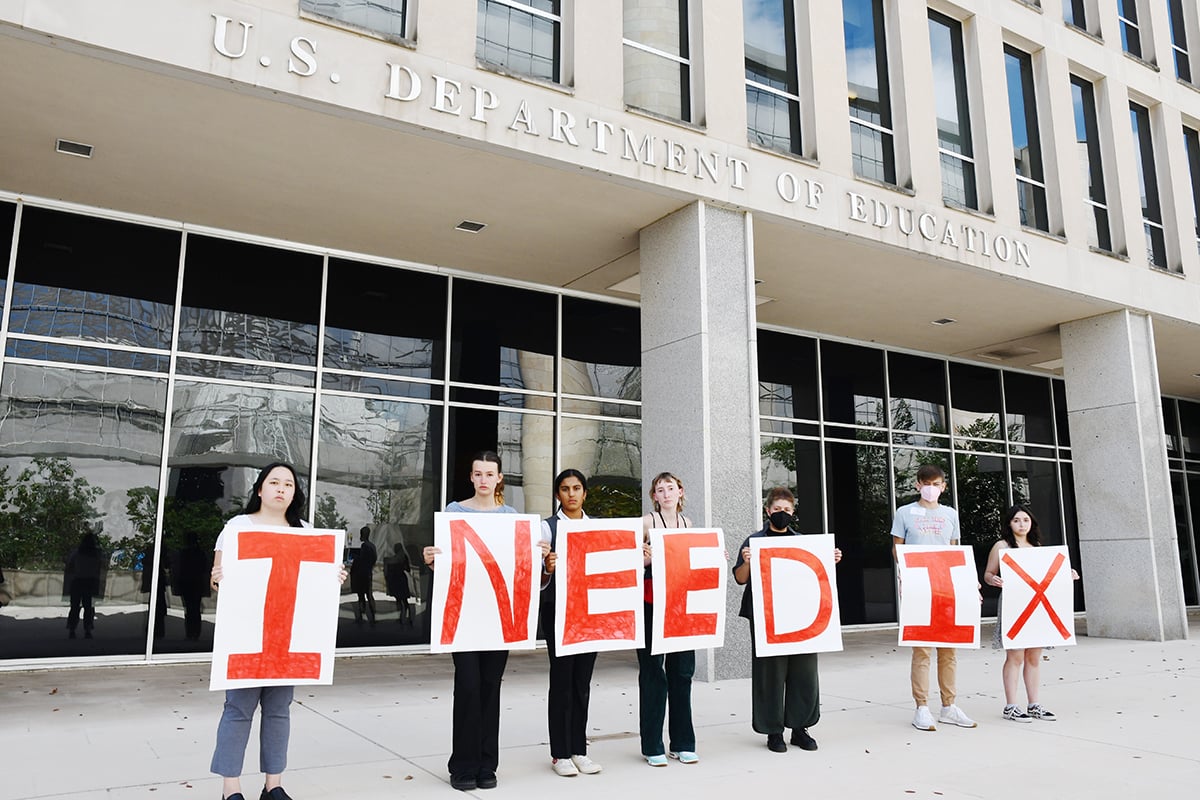
The Uncertain Future of the Department of Education and Title IX (Education Policy Brief #209)
Steve Piazza

The Downsizing of Student Learning Assessments (Education Policy Brief #208)
Yelena Korshunov
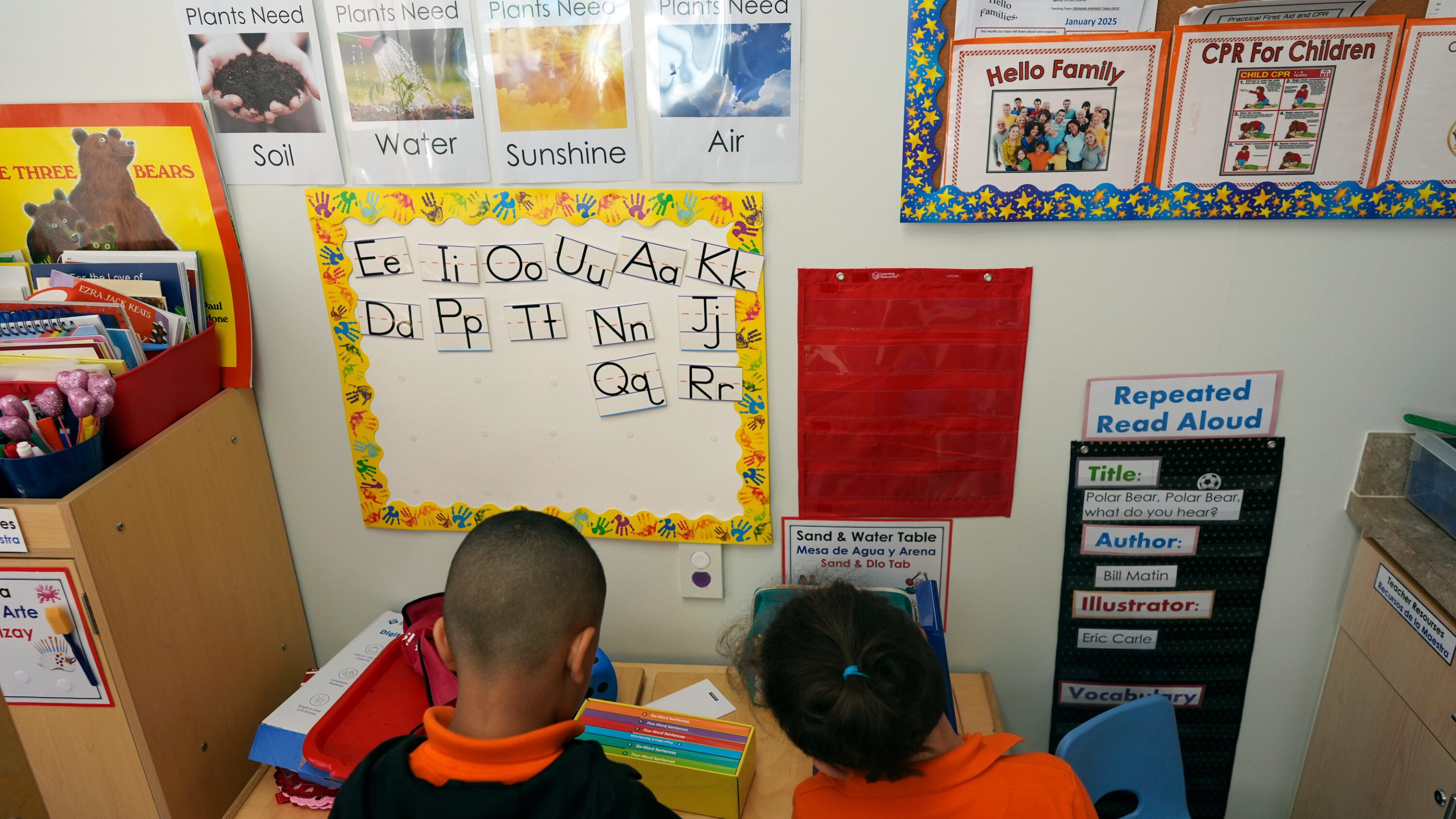
New Trump Rule Targets The Head Start Program (Education Policy Brief #206)
Steve Piazza

Current Efforts to Change State Education Curricula (Education Policy Brief #205)
Steve Piazza

Project 2025 and Federal Influence Over K-12 Curricula (Education Policy Brief #204)
Naja Barnes

The Future of Student Loans in Trump’s Presidency (Education Policy Brief #203)
Valerie Henderson

The Trump Administration and the University Communities: Part 1, Funding Suspension
Valerie Henderson

The Trump Administration and University Communities: Part II
Valerie Henderson

Understanding What the U.S. Department of Education Did
Damian DeSola

MAGA Against College: A Fight for America’s Minds
Valerie Henderson

The Reasons We’ve Had a Department of Education

Health & Gender
Health & Gender
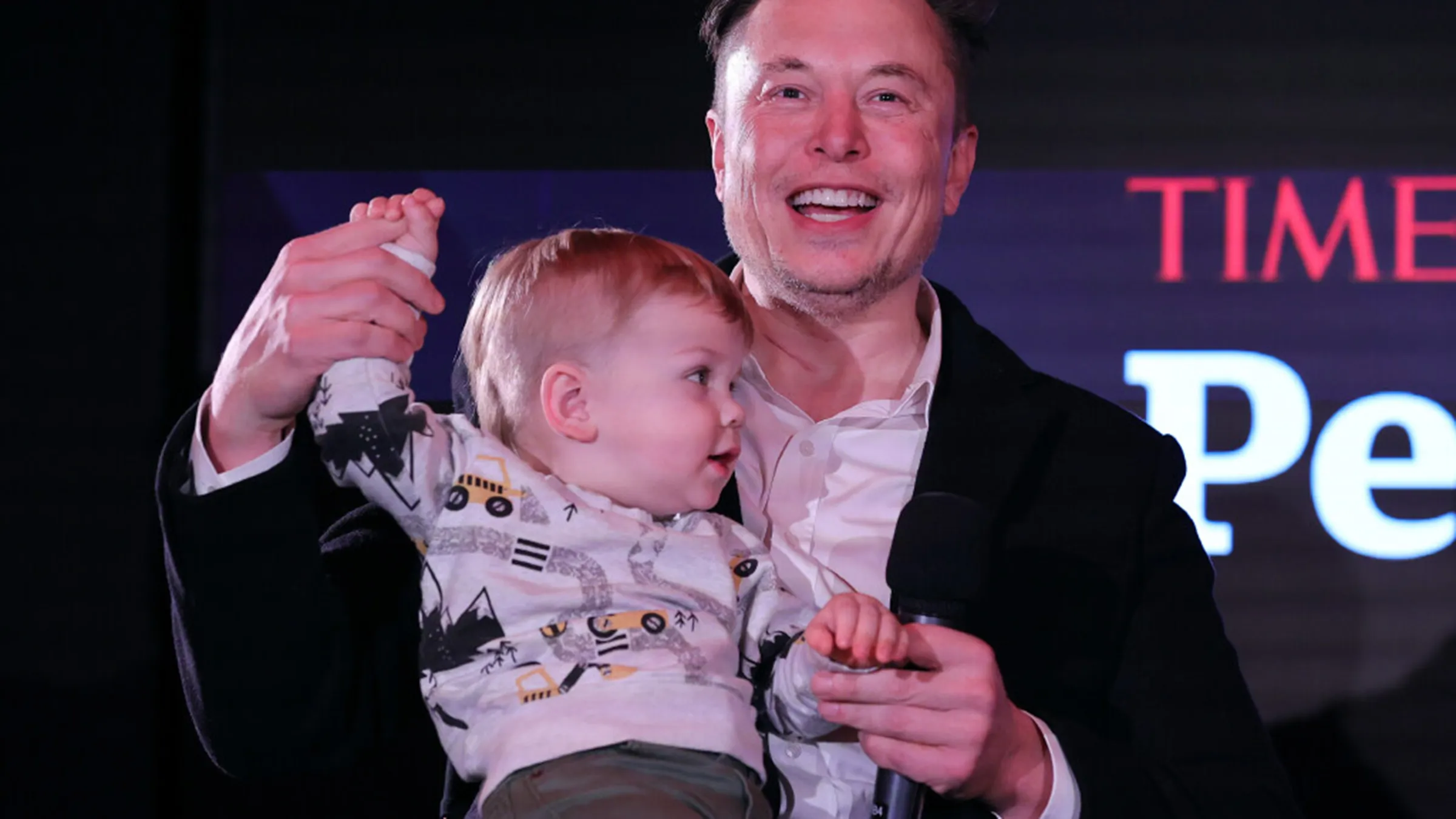
Women’s Health Research Gets Its Priorities Straight
Policy Brief #173 – Health and Gender
by: Abigail Hunt
President Biden’s executive order on Women’s Health Research marks a significant step toward prioritizing gender-inclusive medical studies. The move aims to rectify historical gender biases, significantly impacting women’s health care policies.
Checking in on 14 Years of Obamacare: Part 2
Policy Brief #172 – Health and Gender
by: Geoffrey Small
This article examines the impact of the Affordable Care Act (ACA) on Medicaid expansion across states. Despite the ACA’s goal to make health insurance more accessible and to encourage Medicaid expansion, some states have resisted, leading to ongoing debates and policy changes regarding healthcare coverage and access.
The Aftermath of Alabama’s Supreme Court Ruling on IVF
Policy Brief #171 – Health and Gender
by Devyne Byrd
Alabama’s Supreme Court ruling, declaring frozen embryos as extrauterine children under state law, sends shockwaves across the nation in the wake of the Dobbs decision. The decision prompts immediate action from Alabama lawmakers to protect IVF practices amidst bipartisan concern over its implications, highlighting the ongoing debate over reproductive rights as a pivotal issue in the upcoming 2024 election.

Immigration
Immigration

Immigrants vs. the Trump Administration: Part 1: Immigration in America: Crisis, Contribution, and the Path Forward
Immigrants vs. the Trump Administration: Part 1: Immigration in America: Crisis, Contribution, and the Path Forward Immigration #136 | By: Morgan Davidson | November 26, 2024 US RESIST NEWS has asked Morgan Davidson, one of our outstanding Reporters, to chronicle and...
From a Square to a Triangle: An Analysis of Modern Issues in Education and Immigration
Brief #135 – Immigration Policy Brief
by Rudy Lurz
Education as a field typically distances itself from the activist rhetoric which plagues immigration reform efforts.
What Makes Good Immigration Policy and Why Does it Matter?
Brief #134 – Immigration Policy
by Arvind Salem
With the expiration of Title 42, a pandemic era immigration policy that allowed the United States to turn away immigrants seeking asylum due to public health concerns, the United States…

Economic Policy
Economic Policy

What did Sam Bankman Fried Do and What Does it Mean for Cryptocurrency?
Brief #57 – Economic Policy Brief
by Arvind Salem
Fried was found guilty on 7 counts of fraud, including wire fraud, securities fraud and money laundering, all of which he took from customers of FTX for his own personal gain.
Gig Economy Insights: Benefits, Drawbacks, and the Future of Freelancing
Policy Brief #56 – Economic
by Inijah Quadri
In the age of digital transformation, the gig economy has emerged as a significant paradigm shift. Platforms like Uber, Airbnb, Upwork, and Fiverr have become the bridges connecting freelancers with opportunities, altering the traditional employment landscape.
The United Auto Workers (UAW): Who Are They? Why Are They On Strike? Why Does It Matter?
Policy Brief #55 – Economic
by Arvind Salem
This is an incredibly calculated decision, which allows the UAW to inflict the most harm by having the workers of the most profitable plants go on strike, while everyone else works… A strike of this magnitude has multiple downstream effects on the economy…
Making Democracy Great Again
"*" indicates required fields