
USRESISTNEWSUnderstanding Public Policy and Taking Action

Keeping Democracy Alive

2026 Democratic Primary Preview Series
Profiles of Democratic candidates in 2026 state congressional elections.

Alabama (2026 Democratic Primary Preview Series Brief #1)
Alaska (2026 Democratic Primary Preview Series Brief #2)

Arkansas (2026 Democratic Primary Preview Series)

Arizona (2026 Democratic Primary Preview Series Brief #3)

Colorado (2026 Democratic Primary Preview Series Brief #6)

Connecticut (2026 Democratic Primary Preview Series Brief #5)

Delaware (2026 Democratic Primary Preview Series Brief #7)

Hawaii (2026 Democratic Primary Preview Series Brief #8)

Georgia (2026 Democratic Primary Preview Series)
Georgia is set to be one of the biggest battleground states in 2026, with one senator, Democrat Jon Ossoff, up for election.

Iowa (2026 Democratic Primary Preview Series Brief #9)

Kansas (2026 Democratic Primary Preview Series Brief #10)
Kansas has one Democratic member of the house up for re-election Sharice Davids of the 3rd Congressional District.

Idaho (2026 Democratic Primary Preview Series Brief #11)

Indiana (2026 Democratic Primary Preview Series Brief #12)

Louisiana (2026 Democratic Primary Preview Series Brief #13)

Kentucky (2026 Democratic Primary Preview Series Brief #14)

Maine (2026 Democratic Primary Preview Series Brief #15)

Michigan (2026 Democratic Primary Preview Series Brief #16)

Montana (2026 Democratic Primary Preview Series Brief #17)

Mississippi (2026 Democratic Primary Preview Series)

New Jersey (2026 Democratic Primary Preview Series Brief #18)

New York (2026 Democratic Primary Preview Series Brief #19)

Massachusetts (2026 Democratic Primary Preview Series Brief #20)

Minnesota (2026 Democratic Primary Preview Series Brief #21)

North Dakota (2026 Democratic Primary Preview Series Brief #22)

Oklahoma (2026 Democratic Primary Preview Series Brief #23)

Missouri (2026 Democratic Primary Preview Series Brief #24)

New Mexico (2026 Democratic Primary Preview Series Brief #25)

North Carolina (2026 Democratic Primary Preview Series Brief #26)

Wyoming (2026 Democratic Primary Preview Series #27)
Florida (2026 Democratic Primary Preview Series #28)

California (2026 Democratic Primary Preview Series #29)

Oregon (2026 Democratic Primary Preview Series)

Rhode Island (2026 Democratic Primary Preview Series)

South Dakota (2026 Democratic Primary Preview Series)

Who are the Biggest Donors in American Politics? (Economic Policy Brief #94)
Latest USRESISTNEWS and Analysis

Civil Rights
 Valerie Henderson
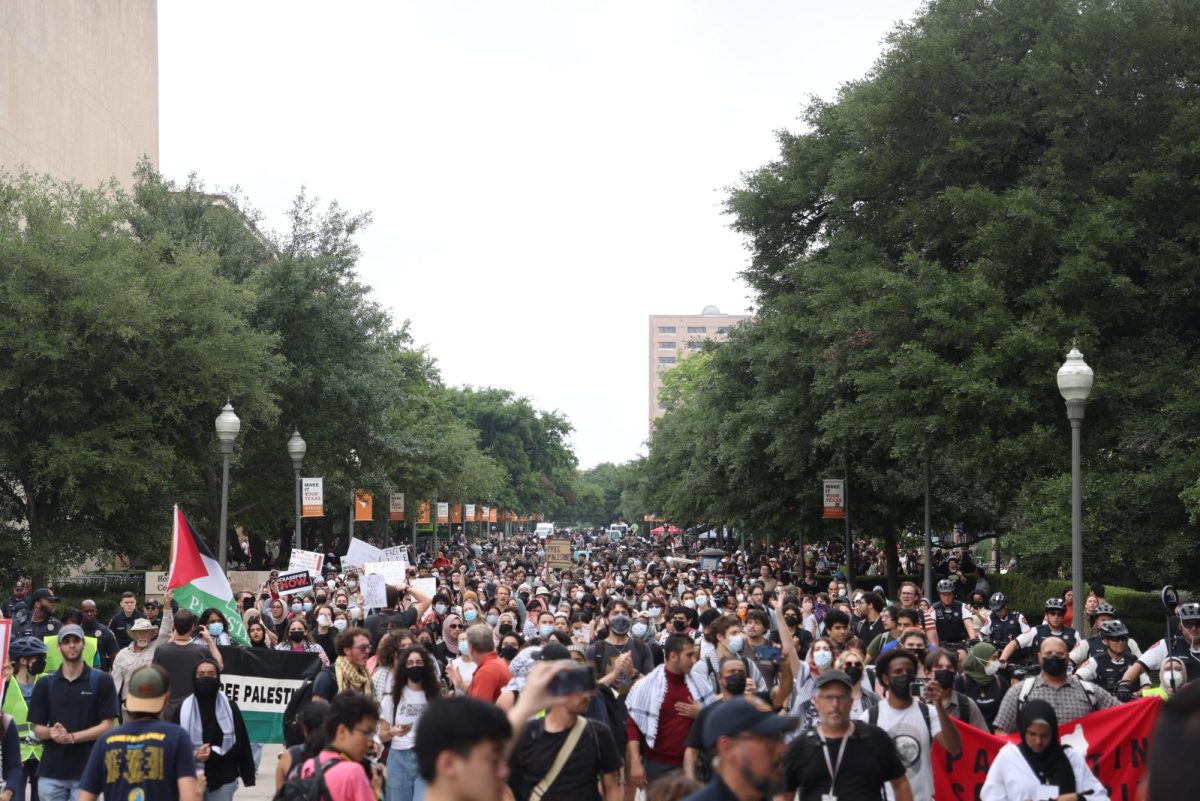
First Amendment Challenge to Campus Speech Bans (Texas) (Civil Rights Brief #257)
Rodney A. Maggay
League of Women Voters of Massachusetts v. Trump and Mail Ballots (Part 1) (Civil Rights Policy Brief #256)
Rodney A. Maggay
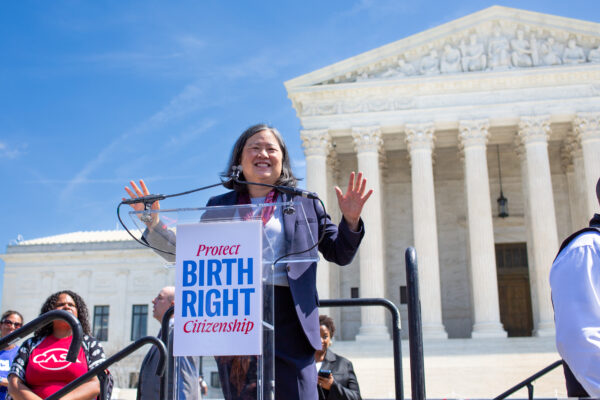
U.S. Supreme Court Upholds Birthright Citizenship in Trump v. Barbara (Civil Rights Policy Brief #255)
Rodney A. Maggay
United States Supreme Court Upholds Mail Ballot Receipt Grace Periods (Civil Rights Policy Brief #254)
Todd Hill
A Preview of Supreme Court June Cases (Civil Rights Policy Brief #253)
Rodney A. Maggay

Why Louisiana v. Callais Is Problematic For The Voting Rights Act (Civil Rights Policy Brief #252)
Rodney A. Maggay
The Problem With DOJ Requesting Voter Roll Information From States (Civil Rights Policy Brief #251)
Rod Maggay
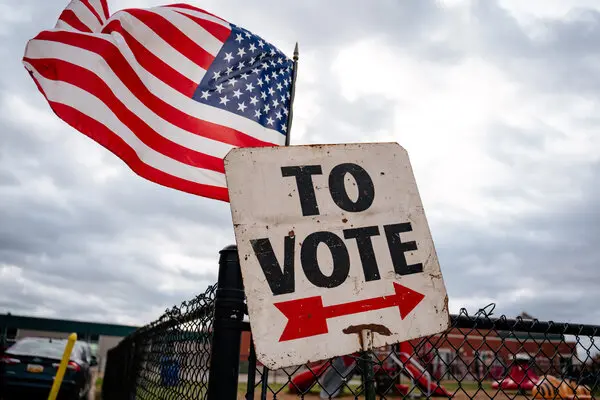
President Trump’s Odd Proposal to “Nationalize” U.S. Elections (Civil Rights Policy Brief #250)
Rodney A. Maggay

An Analysis of the California – Texas Re-Districting Fight (Civil Rights Brief #249)
Rodney Maggay
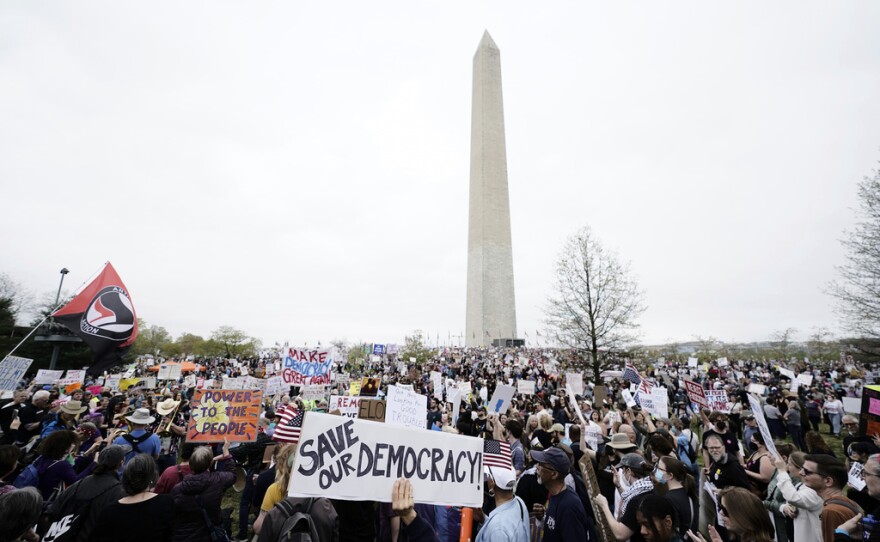
Can The Government Prosecute Protesters For Their Speech? (Civil Rights Policy Brief #248)

Elections & Politics
Ryan Dulaney
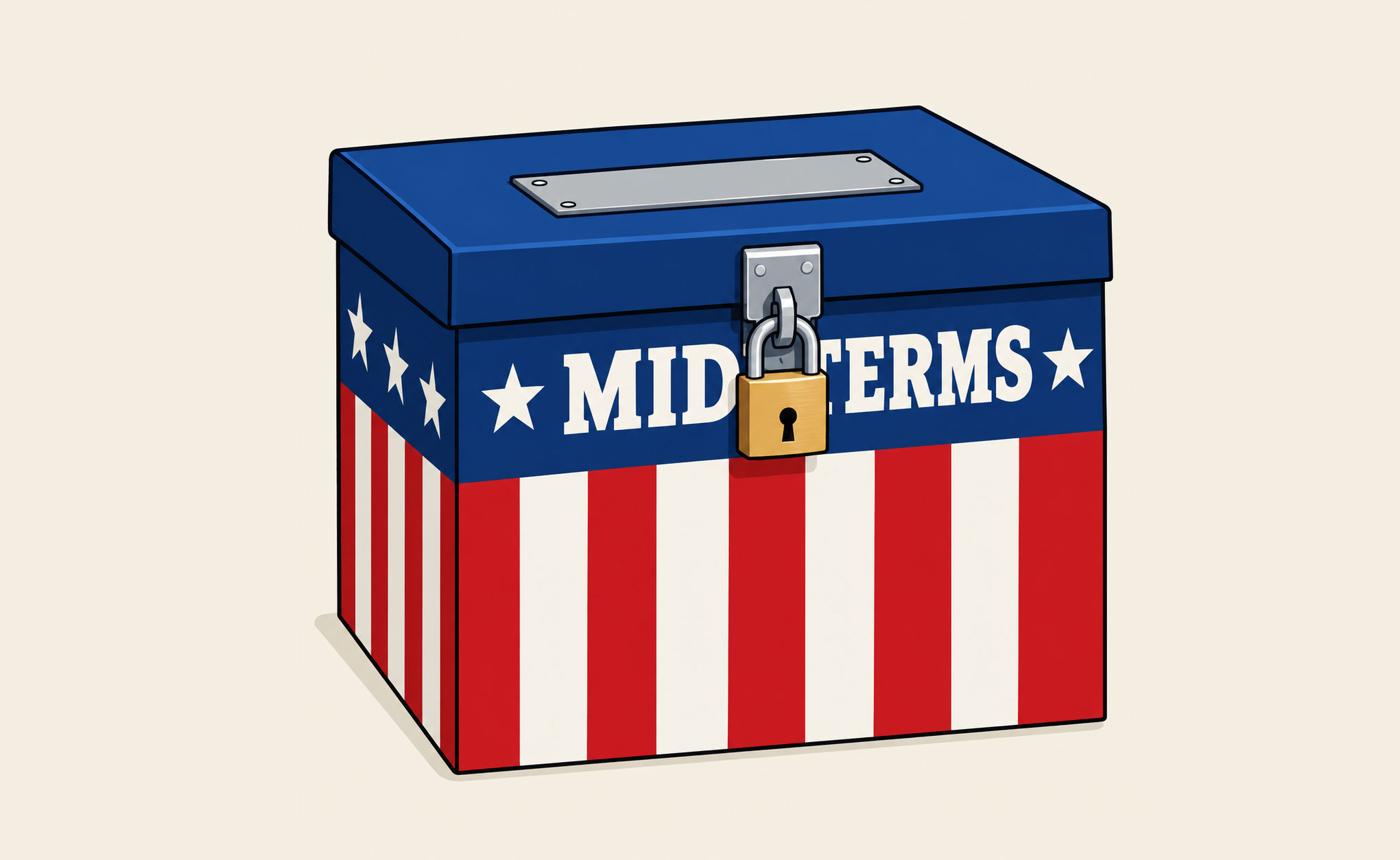
Is Trump Trying to Stop the Midterms? What the Record Shows (Elections & Politics Brief #207)
Election Day is 34 days away. The fight over who runs it is already in court.
Nate Iglehart
With NRSC v. FEC, SCOTUS Topples Another Bulwark Against Corruption (Elections & Politics Brief #206)
Nicholas Gordon
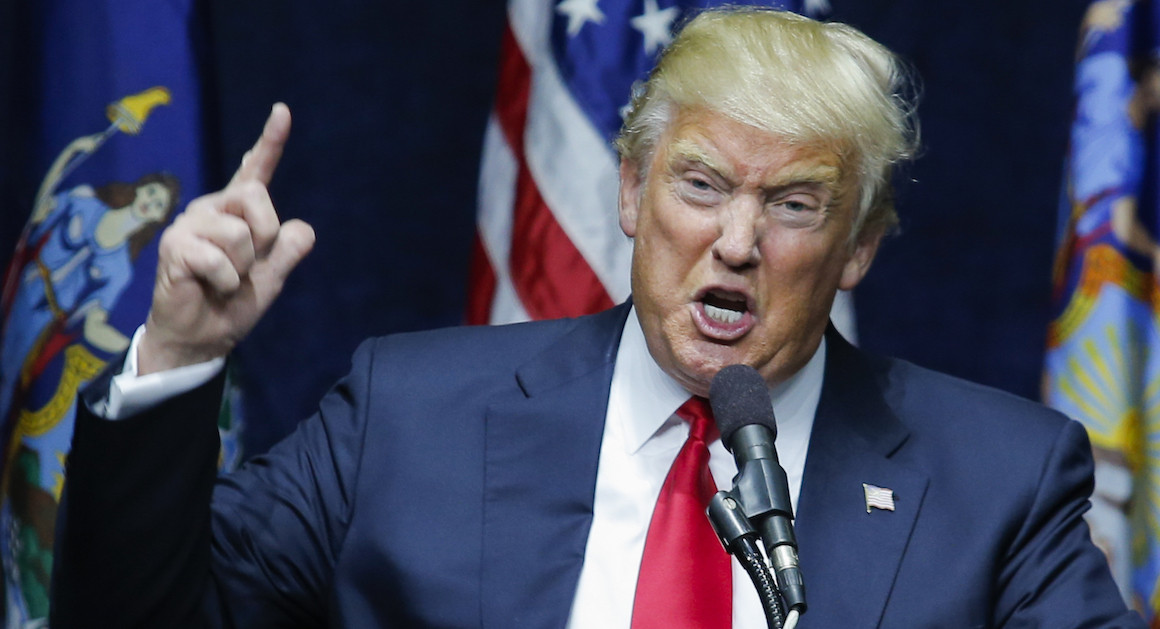
Trump’s Brand of Vicious Hatred Spreads to Others, and Reveals Insecurity and Weakness (Elections & Politics Brief #206)
Followers of President Donald Trump who imitate his cruel style of spitting out hateful insults beware: the style reveals your insecurity and weakness.
Mindy Spatt
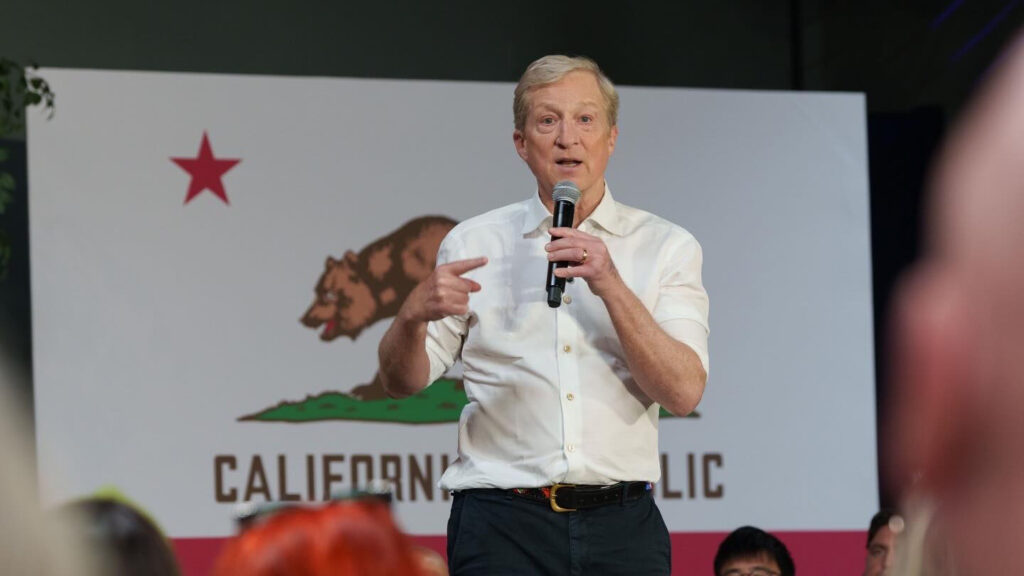
Tech Bros Fail to Advance in California Elections (Elections & Politics Policy Brief #205)
Haley Gabrielle Lloyd
Issues Affecting Democrat Messaging in the Upcoming Midterm Elections (Elections and Politics Brief #204)
Nicholas Gordon
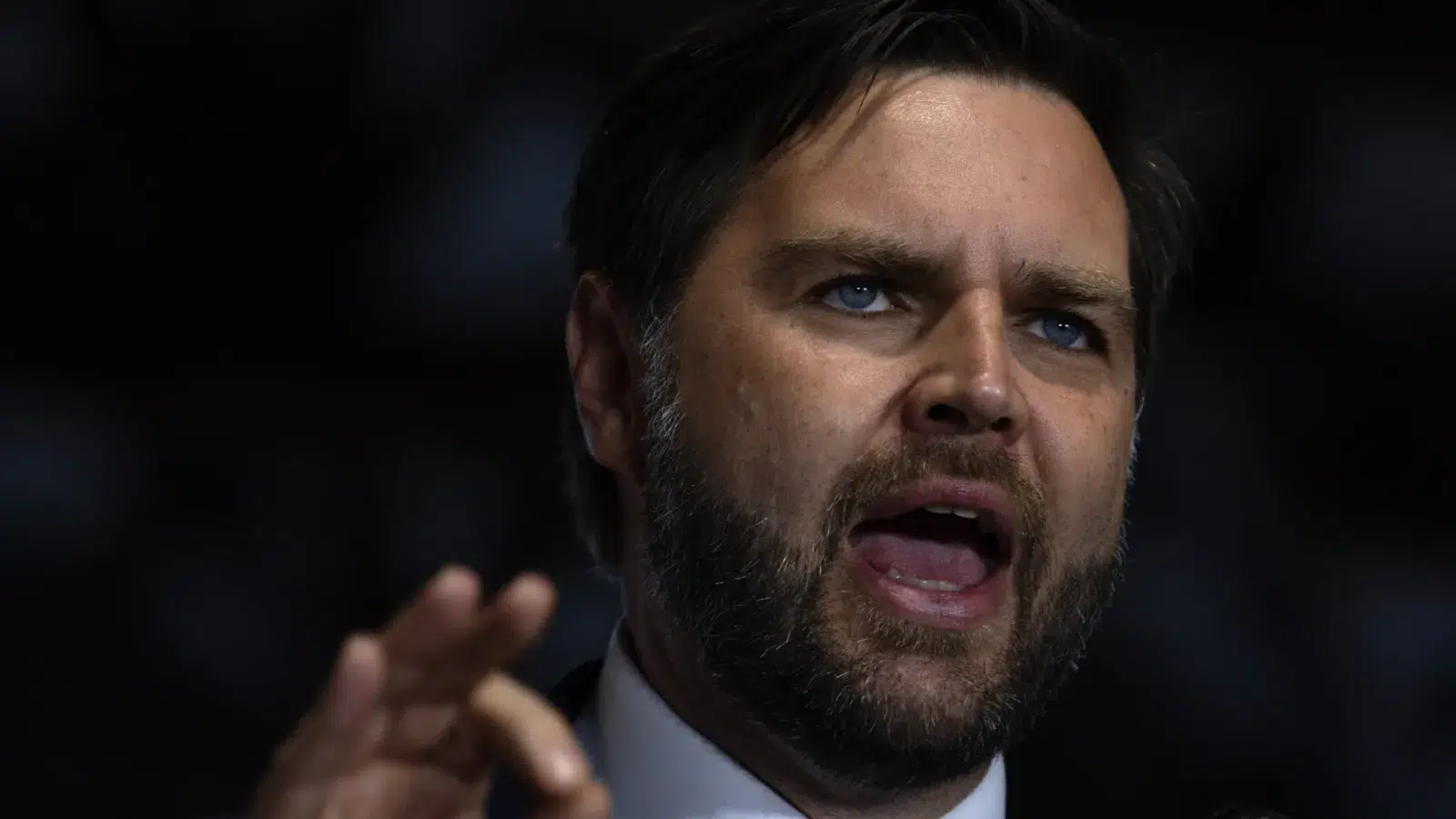
JD Vance Blames the Victims (Elections & Politics Policy Brief #203)
Inijah Quadri
Democracy on the Brink: Structural Suppression and the Fight for the 2026 Midterms (Elections & Politics Brief #202)
Nicholas Gordon

How low will he go? President Trump’s penchant for debasing himself undermines U.S. Credibility (Elections & Politics Brief #201)
Morgan Davidson
Funding Dissent in the Crosshairs: Trump’s War on the Soros Foundations (Elections & Politics Policy Brief #200)
Morgan Davidson

Unmasking the Target: Antifa & Trump’s Crackdown on Dissent (Elections & Politics Brief #199)

Foreign Policy

Foreign Policy
Stalemate in the Russia-Ukraine War (Foreign Policy Brief Brief #231)
The ongoing war in Ukraine seems to have slipped into the back of collective consciousness. If the war enters the news cycle it’s usually new footage of the sides trading missile and drone attacks on energy infrastructure, weapon factories, or apartment buildings.
Ebola Case in DRC, Uganda, and Kenya Escalating Rapidly, Responses Hampered by USAID Cuts (Foreign Policy Brief #229)
Before its dissolution, the U.S. Agency for International Development (USAID) was a leading actor in combating Ebola outbreaks globally. The agency established a robust infrastructure in nations such as Democratic Republic of Congo, Uganda, and Kenya after the deadly Ebola outbreak in 2014, in which the United States took a forefront role in responding.
Understanding China Part III: How China’s Economy and Defense System Work (Foreign Policy Brief #228)
China’s economic and defense systems are increasingly integrated under a unified strategy of “high-quality development” and “military-civil fusion.” In March 2026, the National People’s Congress formally adopted the 15th Five-Year Plan (2026–2030), which serves as the master blueprint for the nation’s trajectory through the end of the decade. The central pillar of this plan is the cultivation of “New Quality Productive Forces,” a term championed by the leadership to describe a shift away from traditional, labor-intensive manufacturing toward a technology-led economy driven by artificial intelligence, quantum computing, and green energy.

Technology
Technology
California Seeks to Limit Passenger Abuse by Uber Drivers (Technology Policy Brief #167)
Uber has buried statistics on assaults and accidents on its platform for years. Journalists and advocates have dug hard and are revealing disturbing levels of both. As more customers are suing the company for its inadequate safety measures, Uber is responding with a ballot initiative in California that would limit its liability for accidents, and consumer attorneys are supporting measures that would increase Uber’s liability and accountability.
Will the Meta Verdicts Spur Change? (Technology Policy Brief #166)
Do social media companies try to hook children on their products? Do they fail to adequately protect those children from harmful content, predators, and exploitation? Millions of parents would probably agree with the juries in California and Texas that recently answered those questions with a resounding yes. As a result, one young plaintiff was awarded $6 million from YouTube and Meta in one case, and Meta was ordered to pay $374 million in civil penalties in the other. Meta and YouTube have, of course, vowed to appeal. Despite a growing awareness of the risks to children and teens online, new legislation on children’s online safety remains stalled in Congress, and a robust regulatory system is nowhere in sight.
Tech Billionaires Making a Killing on AI War Machines (Technology Policy Brief #165)
The Pentagon is enriching the pockets of the tech billionaire owners of AI companies. While the Department of Defense/War has broken its contract with the company Anthropic, other AI companies are signing large contracts, such as Open AI and Palantir.

Environment
Environment

Unmasking the Realities of Climate-Driven Migration (Environment Policy Brief #165)
Climate change has fundamentally reshaped global human mobility, acting as a dominant and accelerating force behind mass displacement. Unpredictable weather patterns, rising sea levels, and catastrophic extreme heat are rendering vast swaths of the planet uninhabitable. A nearly 2026 report from the United Nations High Commissioner for Refugees reveals that almost 120 million people are displaced globally, with a staggering 75 percent residing in countries facing high-to-extreme exposure to climate-related hazards.
The Removal of the Climate Science Chapter From The U.S. Judiciary’s Scientific Reference Manual (Environmental Policy Brief #164)
In early February 2026, the Federal Judicial Centre removed a chapter explaining climate science from the Reference Manual on Scientific Evidence. Judges used this manual to evaluate scientific testimony in U.S. courtrooms. The removal was prompted after Republican state attorneys argued that the chapter presented climate science in a manner that could influence litigation against fossil fuel companies. The chapter,
Undersea Internet Cables Are Becoming the Front Line of Climate Monitoring (Environment Policy Brief #163)
Scientists are exploring ways to turn the world’s submarine internet cables into climate-monitoring infrastructure. The infrastructure will be capable of detecting changes in ocean temperature, earthquakes, and deep-sea pressure shifts linked to climate change. The use of existing global infrastructure gives this idea added potential but also raises security concerns when modifying critical internet systems.

Education
Valerie Henderson
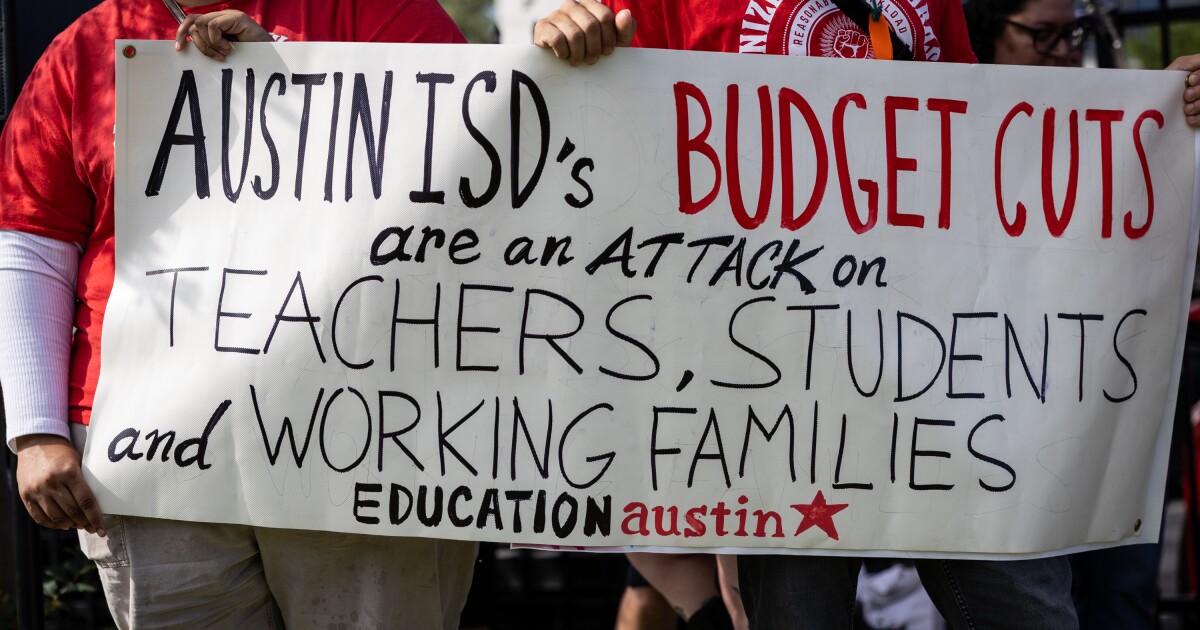
Texas Said ‘Fix Education’—and Gave Us Vouchers, Bibles, and Budget Cuts (Education Policy Brief #214)
Mindy Spatt
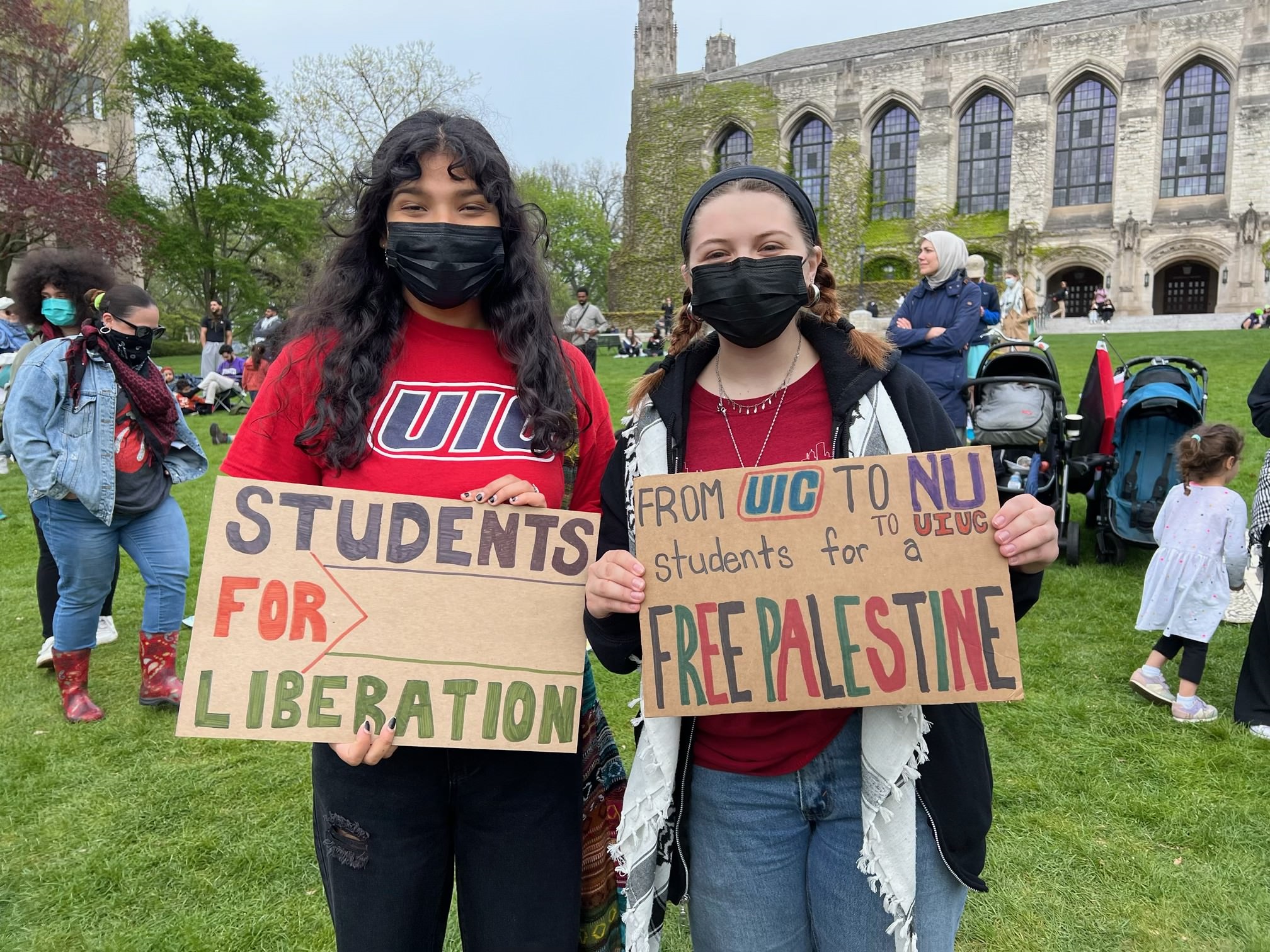
Antisemitism Is the Weapon, Teachers are the Target (Education Policy Brief #213)
Charlie Sweeney
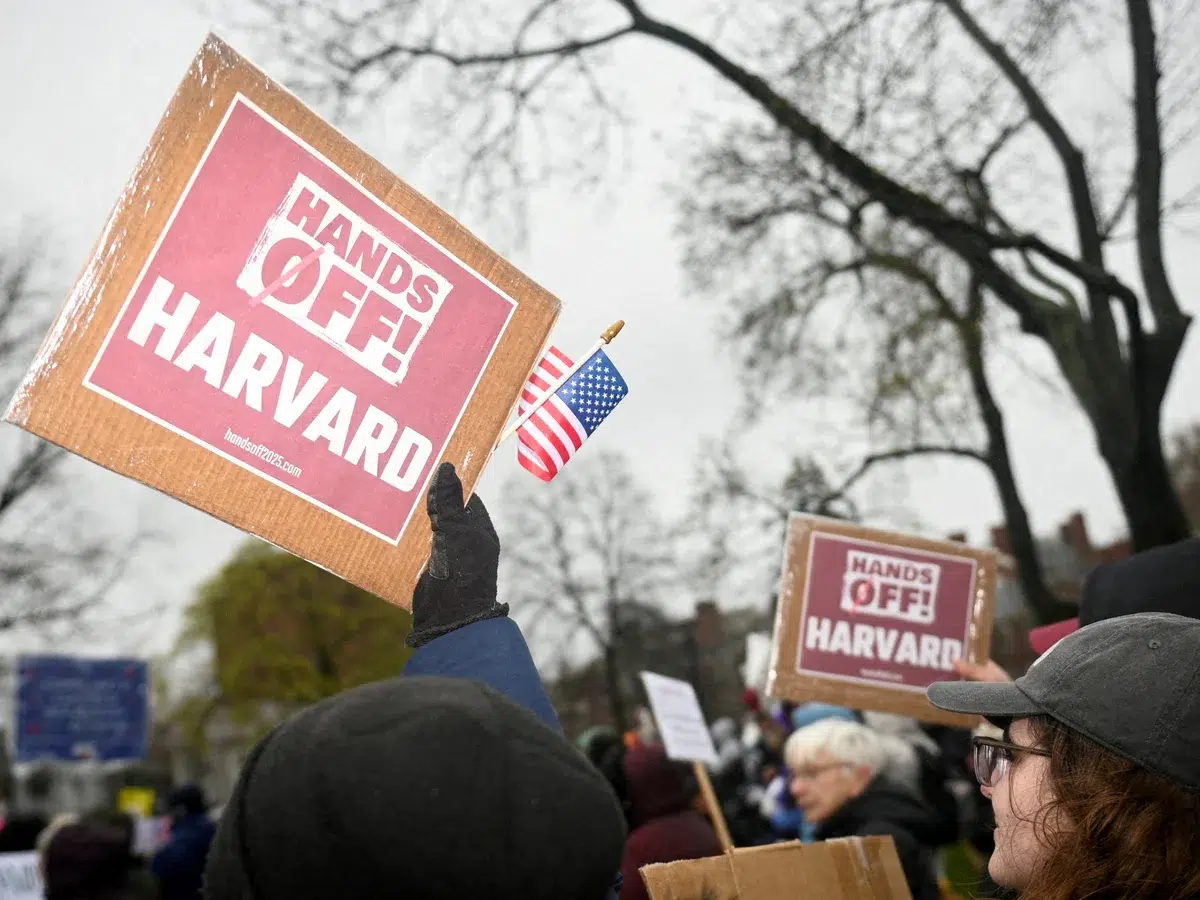
Trump’s War on Highest Ed: Shake-up or Shakedown? (Education Policy Brief #212)
Charlie Sweeney

How the Trump Administration Shook Up Education — and What It Means for Students with Disabilities (Education Policy Brief #211)
Nicholas Gordon
Trump’s Termination of U.S. Exchange Programs Weakens America at Home and Abroad
Katie Lever
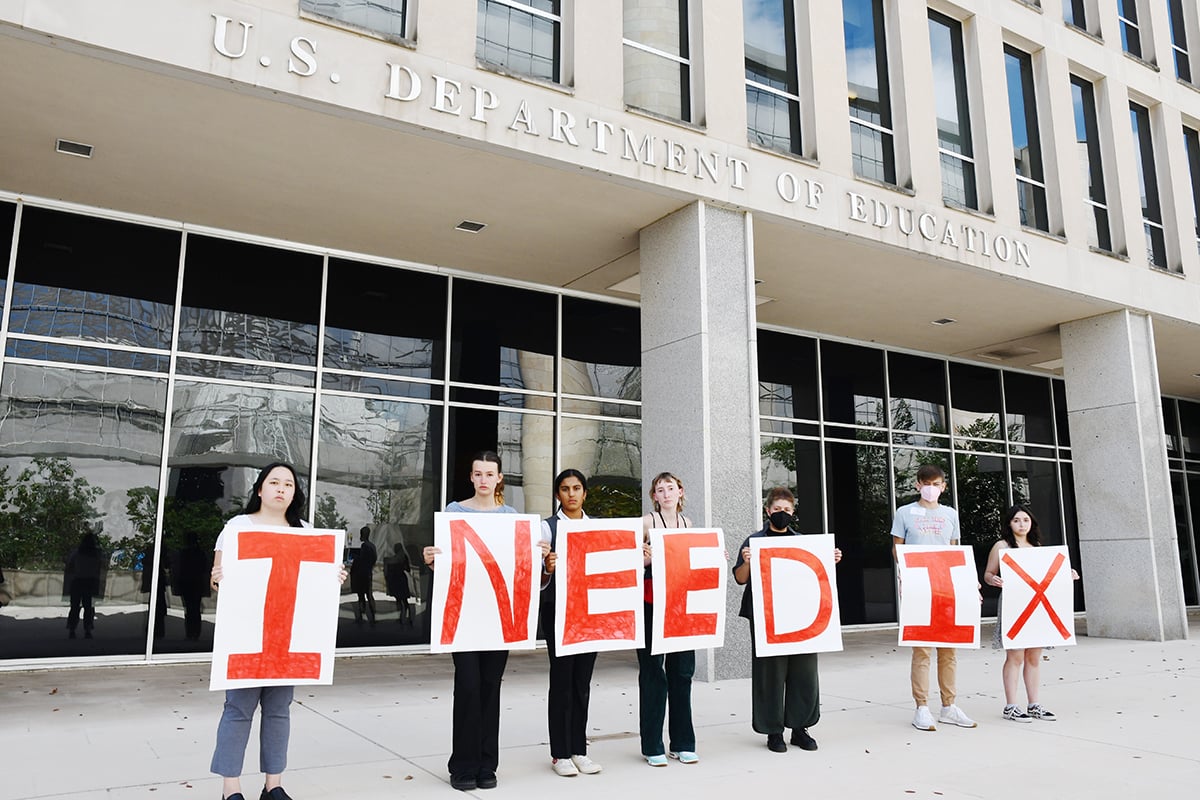
The Uncertain Future of the Department of Education and Title IX (Education Policy Brief #209)
Steve Piazza

The Downsizing of Student Learning Assessments (Education Policy Brief #208)
Yelena Korshunov
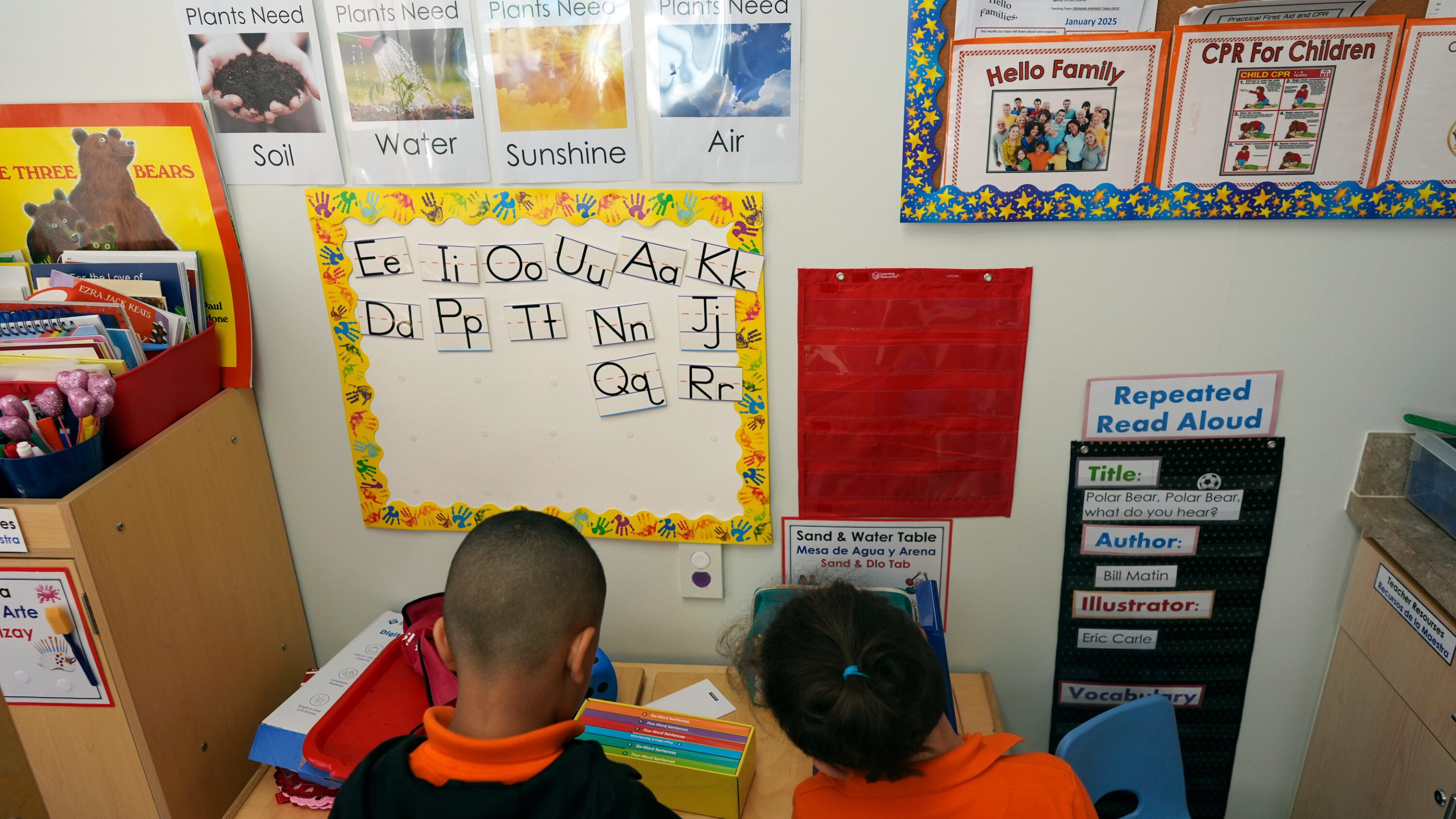
New Trump Rule Targets The Head Start Program (Education Policy Brief #206)
Steve Piazza

Current Efforts to Change State Education Curricula (Education Policy Brief #205)
Steve Piazza

Project 2025 and Federal Influence Over K-12 Curricula (Education Policy Brief #204)
Naja Barnes

The Future of Student Loans in Trump’s Presidency (Education Policy Brief #203)
Valerie Henderson

The Trump Administration and the University Communities: Part 1, Funding Suspension
Valerie Henderson

The Trump Administration and University Communities: Part II
Valerie Henderson

Understanding What the U.S. Department of Education Did
Damian DeSola

MAGA Against College: A Fight for America’s Minds

Health & Gender
Health & Gender

Impacts of the Expiration of the Affordable Care Act
The Affordable Care Act (ACA) (also known as Obamacare) was signed into law by President Obama on March 23, 2010. The ACA aimed to make healthcare more affordable to more people, expand Medicaid to individuals with incomes below 138% of the federal poverty level, and for private health insurance, prohibit insurers from denying coverage due to preexisting health conditions and from denying coverage to people.
The Challenges to Federal Vaccination Policy (Health & Gender Policy Brief #182)
The Protecting Free Vaccines Act (H.R. 5448) aims to preserve stable vaccine coverage by freezing ACIP recommendations as of 2024 and requiring all major insurance programs to continue covering those vaccines without cost-sharing until 2030. H.R. 5448 was introduced on Sept. 18, 2025, by Rep. Frank Pallone D-NJ-6. Since this is a Democrat-sponsored bill in a Republican-controlled House, its chances of passing are currently low unless bipartisan support grows.
A Review and Analysis of the Health Policies of RFK Jr. (Health & Gender Policy Brief #181)
Robert F. Kennedy Jr., confirmed on February 13, 2025, as U.S. Secretary of Health and Human Services under the Trump administration, launched a sprawling “Make America Healthy Again” (MAHA) agenda targeting chronic illness, food quality, and vaccine policy. His platform positions ultra‑processed foods (UPFs) and environmental toxins as primary drivers of America’s health crisis. Prominent proposals include banning UPFs in schools, nursing homes, and prisons; eliminating synthetic food dyes; restricting SNAP purchases of junk food; and overhauling the quintennial Dietary Guidelines to emphasize whole, minimally processed foods.

Immigration
Immigration

Justice Delayed: The Mounting Crisis of America’s Immigration Court Backlog (Immigration Policy Brief #144)
There are over 3 million cases currently pending in U.S. immigration courts, with the trend steadily rising since 2012, according to Syracuse University’s TRAC project. These cases reflect more than just bureaucratic dysfunction—they represent a failing immigration system. The problem goes beyond inefficient government & red tape; it’s a legal & human rights crisis affecting families, asylum seekers, & entire communities.
How ICE Works (Immigration Policy Brief #144)
Immigration and Customs Enforcement (ICE) was created in 2003 as a component of the Department of Homeland Security to enforce immigration laws inside the United States and investigate transnational crime. Twenty‑two years later, the agency employs more than 20,000 personnel across more than 400 domestic and foreign offices.
Deporting Democracy: The Crackdown on Foreign Student Visas (Immigration Policy Brief #143)
Institutions of higher education are under attack. Since the return of the Trump administration, more than 1,500 international students and recent graduates from over 240 institutions, across at least 45 states and Washington, D.C., have had their F-1 academic and J-1 exchange visas revoked.

Economic Policy
Economic Policy

A Primer on Commodity Metals (Economic Policy Brief #90)
Commodity metals are raw metals that are globally standardized and traded in bulk. They are typically categorized as industrial (base) metals (copper, aluminum, zinc), or precious metals (gold, silver, platinum). Precious metals are valued for investment and jewelry, while base metals are essential for industrial use and manufacturing. This Brief seeks to explain the ways in which fluctuations in demand influence the pricing and availability of commodity metals. In addition to commodity metals, rare earth minerals play an important role in various technologies but are not globally standardized. We will discuss these in an upcoming brief.
How Elon Stays in Business (Economic Policy Brief #89)
Elon Musk’s corporate empire—Tesla, SpaceX/Starlink, X, Neuralink and the Boring Company—has become a single, privately steered ecosystem whose combined annual revenues now rival the GDP of a midsize nation.
No Capital Gains Tax in Texas: What It Means for Businesses and Residents (Economic Policy Brief #88)
In 2025, the Texas Legislature passed House Joint Resolution 6 (HJR 6), placing a proposed constitutional amendment on the ballot for the November 4, 2025, election. If approved by voters, the amendment would permanently prohibit Texas from ever imposing a tax on individuals’ net capital gains.
Making Democracy Great Again
"*" indicates required fields