
USRESISTNEWSUnderstanding Public Policy and Taking Action

Keeping Democracy Alive

2026 Democratic Primary Preview Series
Profiles of Democratic candidates in 2026 state congressional elections.
Alabama (2026 Democratic Primary Preview Series Brief #1)
Alaska (2026 Democratic Primary Preview Series Brief #2)

Arkansas (2026 Democratic Primary Preview Series)

Arizona (2026 Democratic Primary Preview Series Brief #3)

Colorado (2026 Democratic Primary Preview Series Brief #6)

Connecticut (2026 Democratic Primary Preview Series Brief #5)

Delaware (2026 Democratic Primary Preview Series Brief #7)

Hawaii (2026 Democratic Primary Preview Series Brief #8)

Georgia (2026 Democratic Primary Preview Series)
Georgia is set to be one of the biggest battleground states in 2026, with one senator, Democrat Jon Ossoff, up for election.

Iowa (2026 Democratic Primary Preview Series Brief #9)

Kansas (2026 Democratic Primary Preview Series Brief #10)
Kansas has one Democratic member of the house up for re-election Sharice Davids of the 3rd Congressional District.

Idaho (2026 Democratic Primary Preview Series Brief #11)

Indiana (2026 Democratic Primary Preview Series Brief #12)
Louisiana (2026 Democratic Primary Preview Series Brief #13)

Kentucky (2026 Democratic Primary Preview Series Brief #14)

Maine (2026 Democratic Primary Preview Series Brief #15)
Michigan (2026 Democratic Primary Preview Series Brief #16)

Montana (2026 Democratic Primary Preview Series Brief #17)

Mississippi (2026 Democratic Primary Preview Series)

New Jersey (2026 Democratic Primary Preview Series Brief #18)

New York (2026 Democratic Primary Preview Series Brief #19)

Massachusetts (2026 Democratic Primary Preview Series Brief #20)

Minnesota (2026 Democratic Primary Preview Series Brief #21)

North Dakota (2026 Democratic Primary Preview Series Brief #22)

Oklahoma (2026 Democratic Primary Preview Series Brief #23)

Missouri (2026 Democratic Primary Preview Series Brief #24)

New Mexico (2026 Democratic Primary Preview Series Brief #25)
North Carolina (2026 Democratic Primary Preview Series Brief #26)

Wyoming (2026 Democratic Primary Preview Series #27)
Florida (2026 Democratic Primary Preview Series #28)

California (2026 Democratic Primary Preview Series #29)

Oregon (2026 Democratic Primary Preview Series)
Rhode Island (2026 Democratic Primary Preview Series)

South Dakota (2026 Democratic Primary Preview Series)

Who are the Biggest Donors in American Politics? (Economic Policy Brief #94)
Latest USRESISTNEWS and Analysis

Civil Rights
 Valerie Henderson
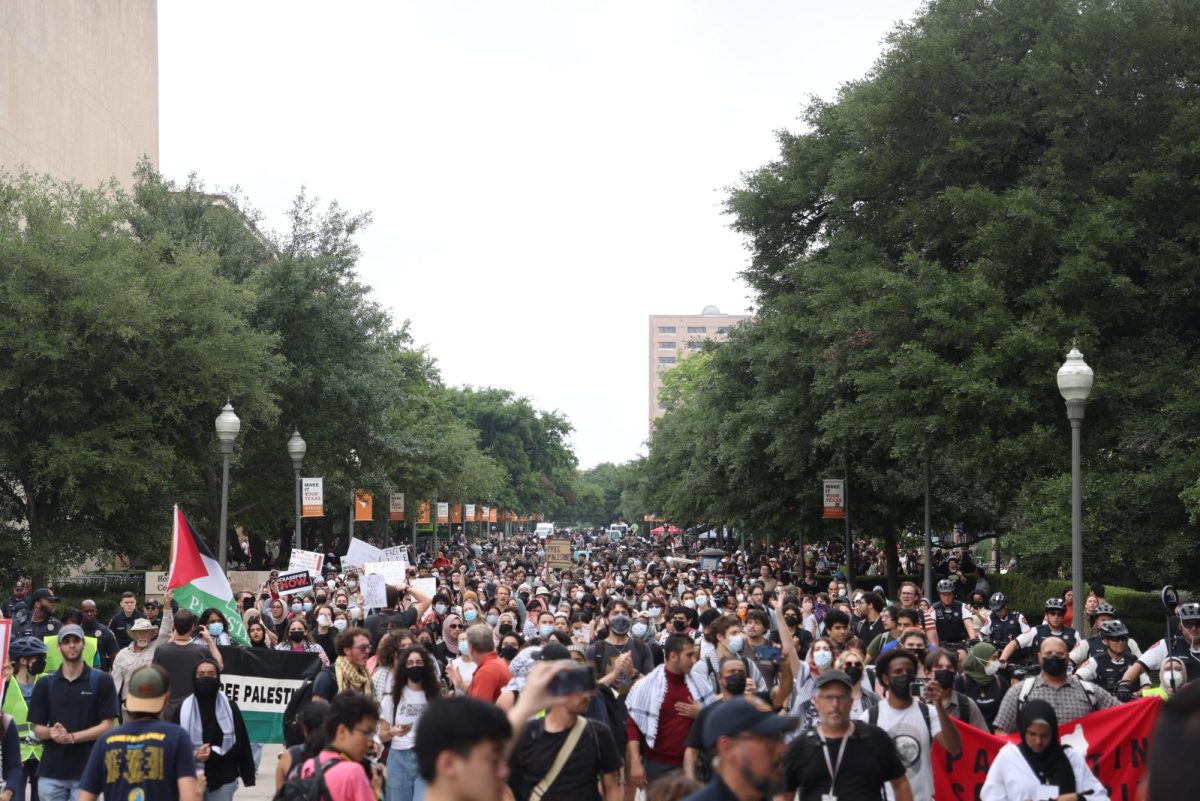
First Amendment Challenge to Campus Speech Bans (Texas) (Civil Rights Brief #257)
Rodney A. Maggay
League of Women Voters of Massachusetts v. Trump and Mail Ballots (Part 1) (Civil Rights Policy Brief #256)
Rodney A. Maggay
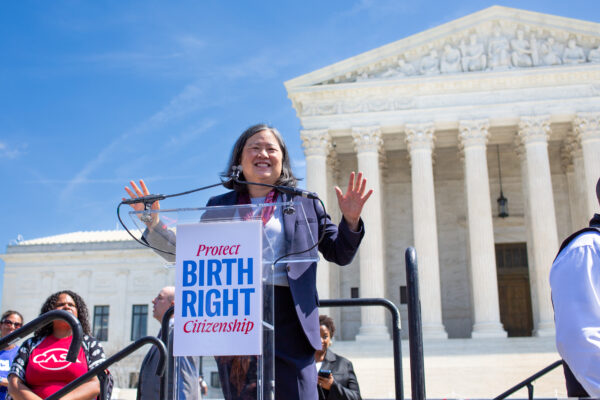
U.S. Supreme Court Upholds Birthright Citizenship in Trump v. Barbara (Civil Rights Policy Brief #255)
Rodney A. Maggay
United States Supreme Court Upholds Mail Ballot Receipt Grace Periods (Civil Rights Policy Brief #254)
Todd Hill
A Preview of Supreme Court June Cases (Civil Rights Policy Brief #253)
Rodney A. Maggay

Why Louisiana v. Callais Is Problematic For The Voting Rights Act (Civil Rights Policy Brief #252)
Rodney A. Maggay
The Problem With DOJ Requesting Voter Roll Information From States (Civil Rights Policy Brief #251)
Rod Maggay
President Trump’s Odd Proposal to “Nationalize” U.S. Elections (Civil Rights Policy Brief #250)
Rodney A. Maggay
An Analysis of the California – Texas Re-Districting Fight (Civil Rights Brief #249)
Rodney Maggay
Can The Government Prosecute Protesters For Their Speech? (Civil Rights Policy Brief #248)

Elections & Politics
Ryan Dulaney
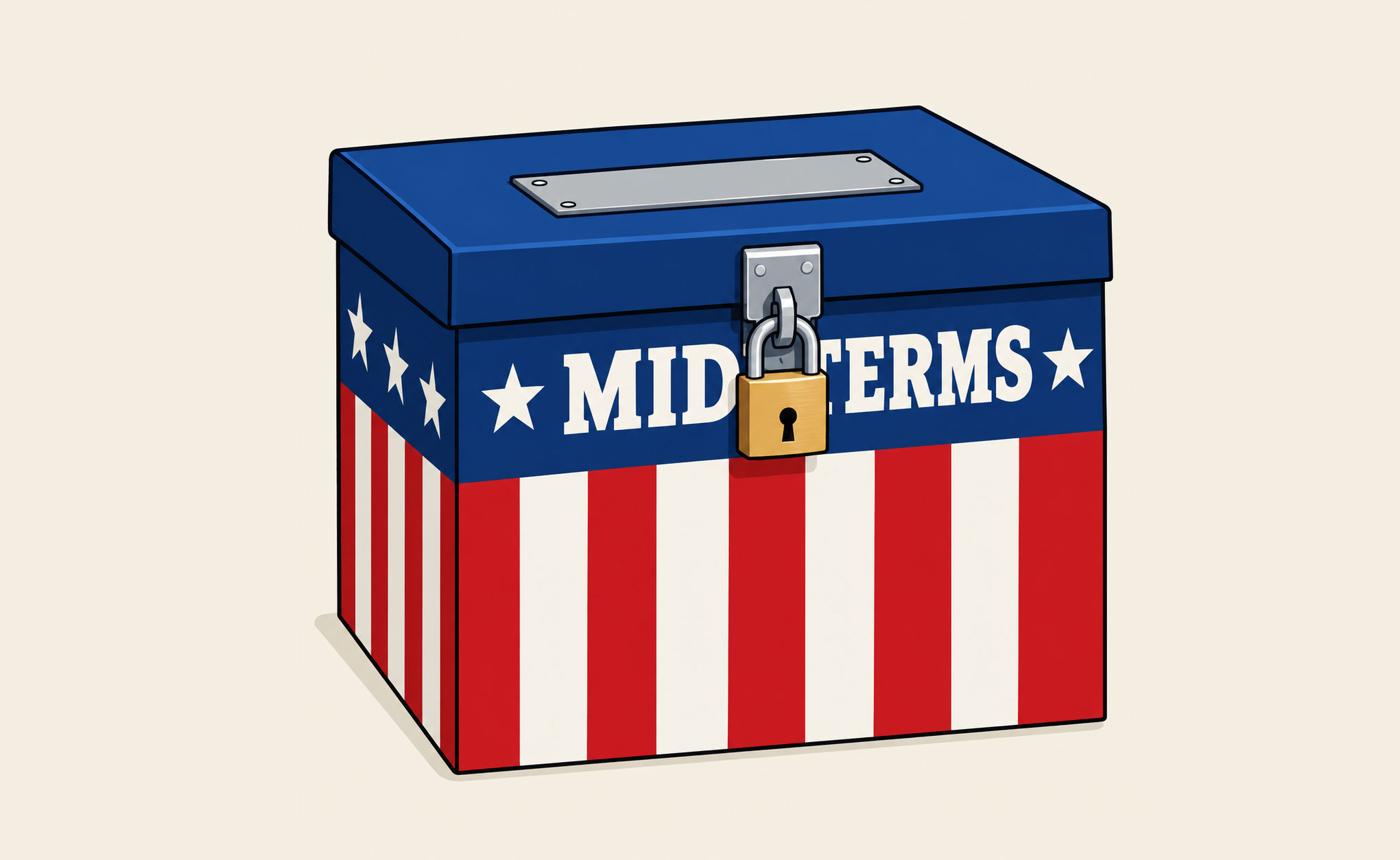
Is Trump Trying to Stop the Midterms? What the Record Shows (Elections & Politics Brief #207)
Election Day is 34 days away. The fight over who runs it is already in court.
Nate Iglehart
With NRSC v. FEC, SCOTUS Topples Another Bulwark Against Corruption (Elections & Politics Brief #206)
Nicholas Gordon
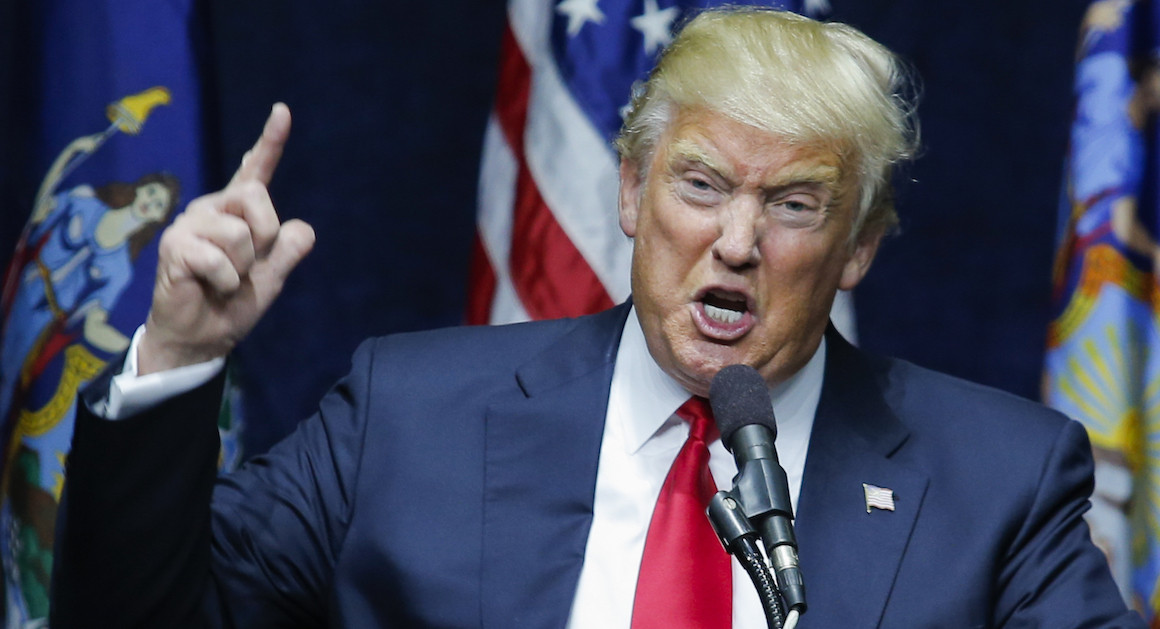
Trump’s Brand of Vicious Hatred Spreads to Others, and Reveals Insecurity and Weakness (Elections & Politics Brief #206)
Followers of President Donald Trump who imitate his cruel style of spitting out hateful insults beware: the style reveals your insecurity and weakness.
Mindy Spatt
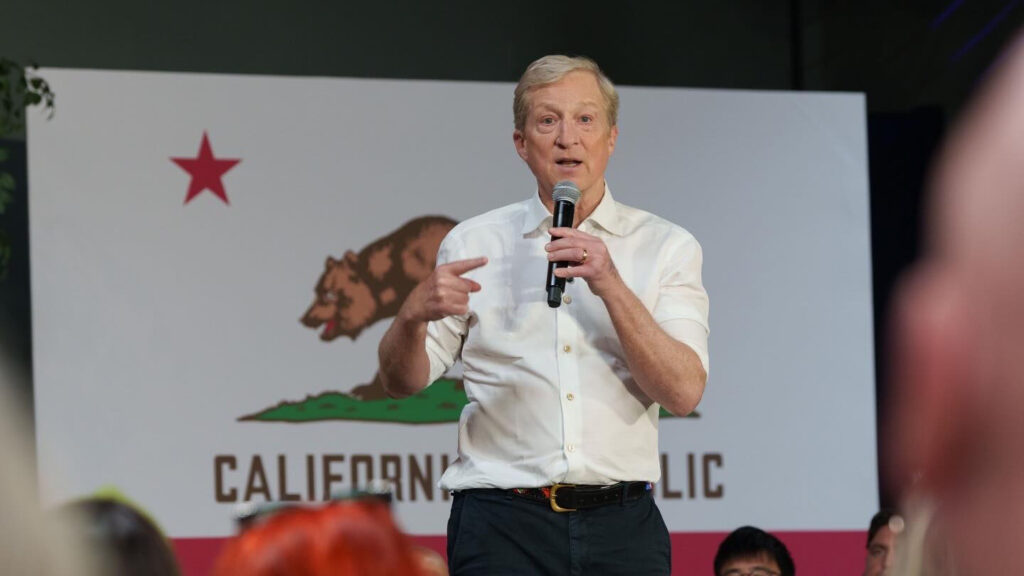
Tech Bros Fail to Advance in California Elections (Elections & Politics Policy Brief #205)
Haley Gabrielle Lloyd
Issues Affecting Democrat Messaging in the Upcoming Midterm Elections (Elections and Politics Brief #204)
Nicholas Gordon
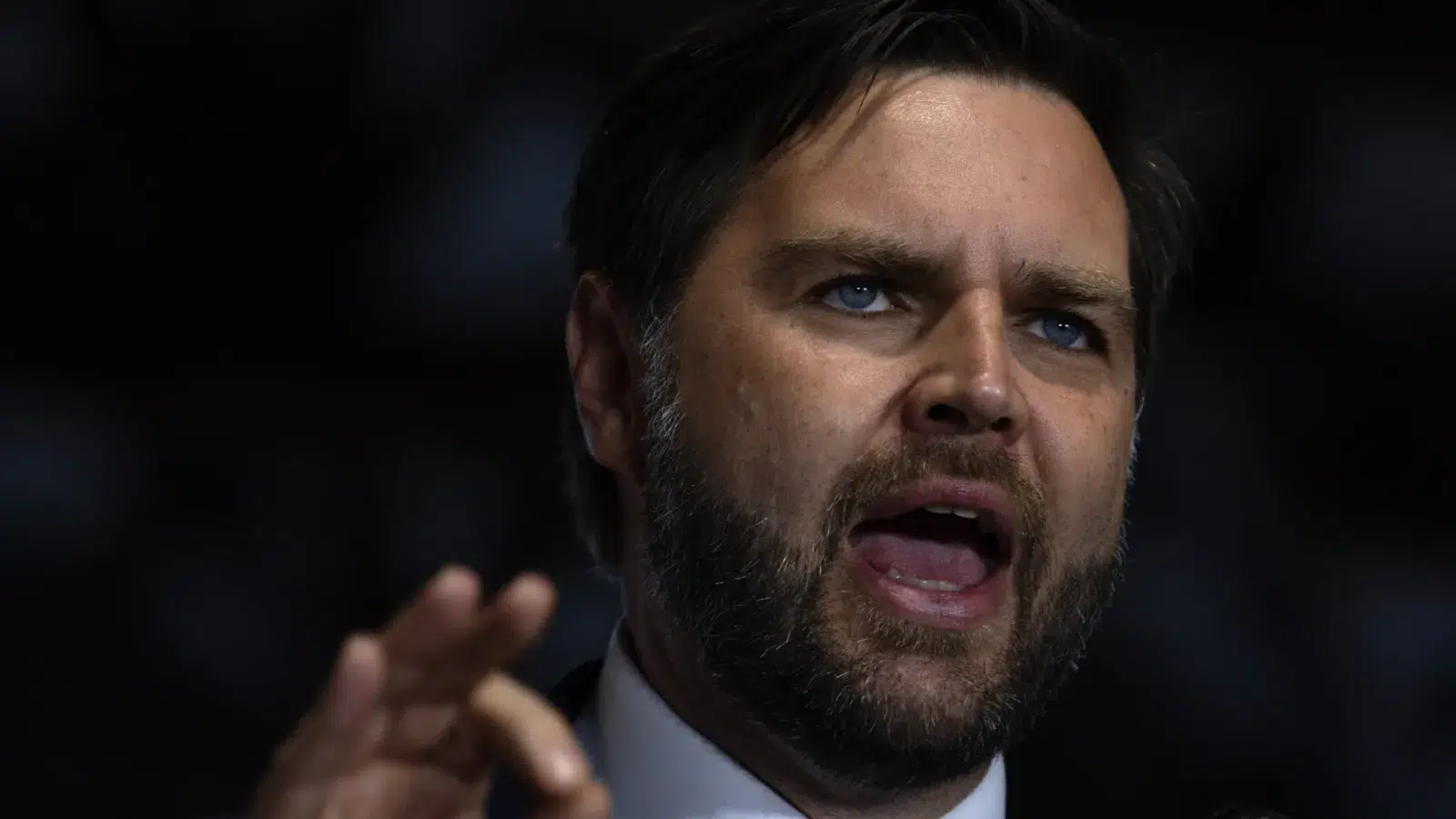
JD Vance Blames the Victims (Elections & Politics Policy Brief #203)
Inijah Quadri
Democracy on the Brink: Structural Suppression and the Fight for the 2026 Midterms (Elections & Politics Brief #202)
Nicholas Gordon

How low will he go? President Trump’s penchant for debasing himself undermines U.S. Credibility (Elections & Politics Brief #201)
Morgan Davidson
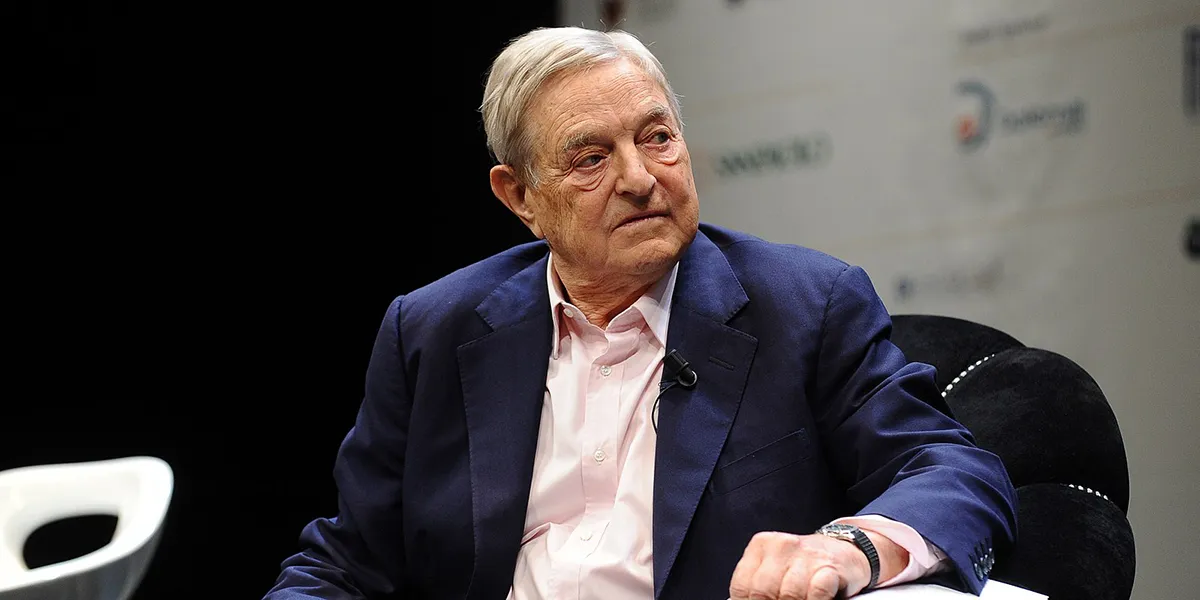
Funding Dissent in the Crosshairs: Trump’s War on the Soros Foundations (Elections & Politics Policy Brief #200)
Morgan Davidson

Unmasking the Target: Antifa & Trump’s Crackdown on Dissent (Elections & Politics Brief #199)

Foreign Policy

Foreign Policy
Week That Was: Global News in Review (Foreign Policy Brief #227)
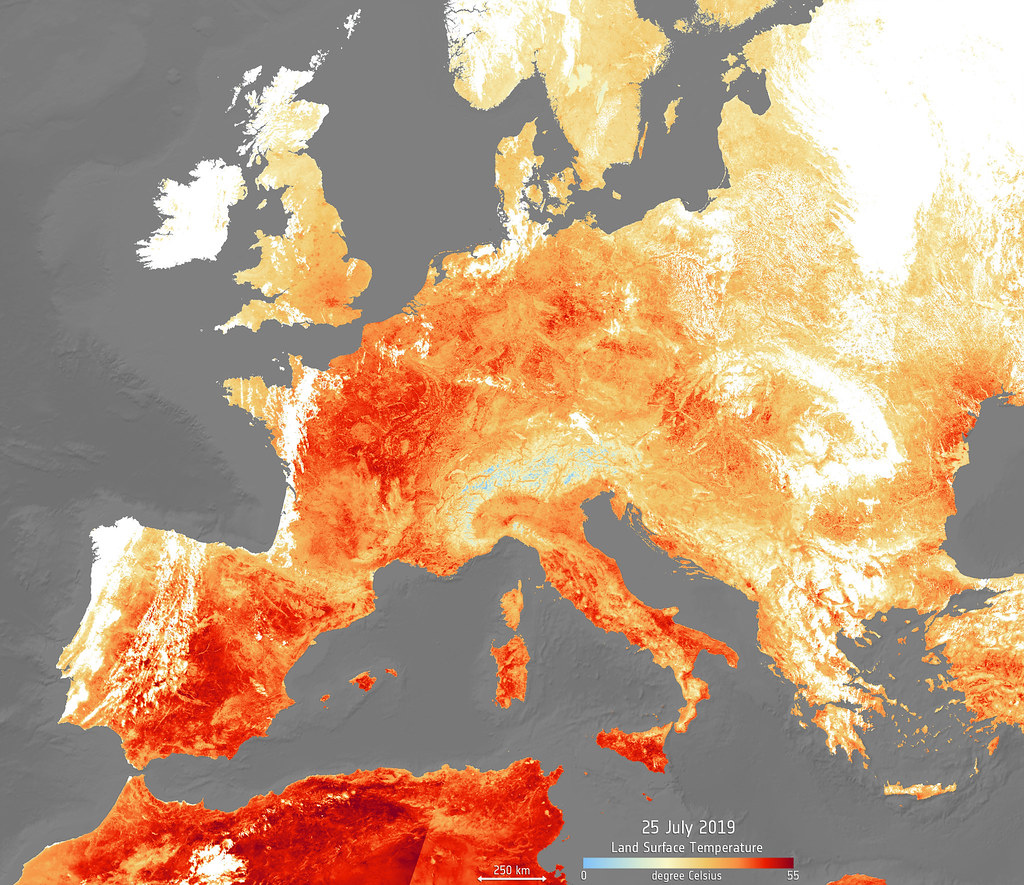
Recent days have seen resumed fighting between the United States and Iran. Multiple days of US airstrikes targeting Iran, following Iran’s attacks on three ships in the strait. US and Iranian officials had agreed to a preliminary memorandum of understanding to end the costly and destructive 110 day conflict. Both the US and Iran, along with their allies, agreed to declare an end to military operations on all fronts, which includes Israel’s war on Lebanon. Including Lebanon in the deal had been a hurdle in reaching the deal as Israel has refused to end its attacks and withdraw from Lebanese territory.
United States Men’s National Team World Cup Post-Mortem (Foreign Policy Brief #226)
Obviously, the loss to Belgium is the most disappointing moment of the World Cup for the USMNT and their fans. Losing 4-1 to Belgium came as a shock to most USA fans, and clearly to the players as well; however, perhaps it should not have since the only time the USA has ever beat Belgium was in the 1930 World Cup (the very first World Cup ever). Since 1930, Belgium has won every time they have played the United States. So, though, the USMNT was riding a serious wave of fandom and support, but the historical data suggests that they may have never really stood much of a chance anyway.
Week That Was: Global News in Review (Foreign Policy Brief #225)
An explosion lights up the sky over the city during a Russian missile and drone strike, amid Russia’s attack on Ukraine, in Kyiv, Ukraine June 2, 2026

Technology
Technology
The Illusion of Global Data Privacy Standards (Technology Policy Brief #165)
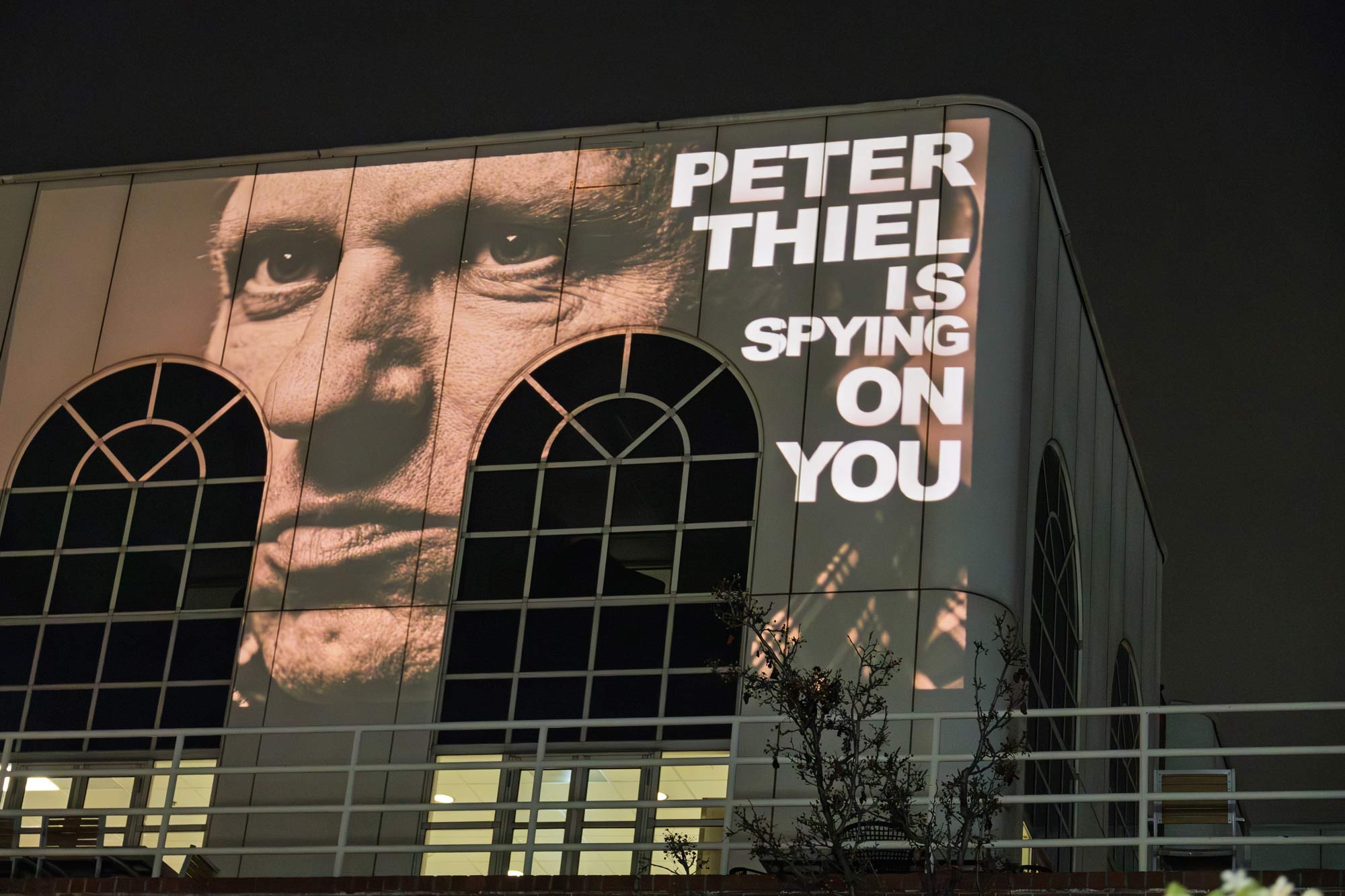
A single, binding global data privacy standard does not yet exist. Instead, governments and companies operate under regional systems with different priorities.
36 States Move to Block Federal Preemption of AI Laws, Setting Up Major Court Fight (Technology Brief #164)
On November 25, 2025, the National Association of Attorneys General, led by Connecticut Attorney General William Tong, sent a letter on behalf of a bipartisan coalition of 36 state attorneys general to Congress. The letter urged Congress leaders to reject the proposed ban on state-level artificial intelligence (AI) laws. The attorneys general argue that a broad federal law would prevent individual states from addressing and responding to AI risks quickly.
How Will Tech Money Influence the California’s Governor’s Race (Technology Policy Brief #163)
Tech billionaires are spending at historic levels to influence politics in California. Google and Facebook, and their CEO’s, are donating heavily to key races in November 2026, as are venture capitalists, cryptocurrency entrepreneurs, and Palantir’s co-founders. Whether or not the candidates they are backing win, they will have an impact.

Environment
Environment

The First Global Rules for Carbon Removal Credits Are Being Written Right Now (Environment Policy Brief #191)
Governments and climate regulators are currently trying to determine how engineered carbon removal technologies should qualify for international carbon credit markets. Currently, the International Organization for Standardization (ISO) is developing and updating the technical standards to align with GHG reporting and climate management. The publication of the revised ISO 14001:2026 standard is planned for April 2026 with a transition period of three years.
Blue States Initiate Legal Pushback After Administration Overturns Endangerment Finding (Environment Policy Brief #190)
Federal climate regulation is at risk as the U.S. Environmental Protection Agency (EPA) rescinded the 2009 “endangerment finding” on February 12, 2026. The EPA called the engagement finding “the single largest deregulatory action in U.S. history.” States like California and Wisconsin, as well as several organizations, are preparing for a legal battle that could eventually reach the Supreme Court, which could take years. They argue that the U.S. could be left with far less ability to regulate emissions at a national level.
Dangers lurk as Zeldin repeals EPA’s endangerment finding (Environment Policy Brief #189)
Scientists first suspected a link between greenhouse gases and climate in the mid-19th century. Swedish scientist Svante Arrhenius won the Nobel Prize in chemistry with calculations in 1897 that linked burning coal to global warming. From that time onwards, scientists took up studying this linkage with better tools, more resources, and coordination.

Education
Valerie Henderson
Texas Said ‘Fix Education’—and Gave Us Vouchers, Bibles, and Budget Cuts (Education Policy Brief #214)
Mindy Spatt
Antisemitism Is the Weapon, Teachers are the Target (Education Policy Brief #213)
Charlie Sweeney
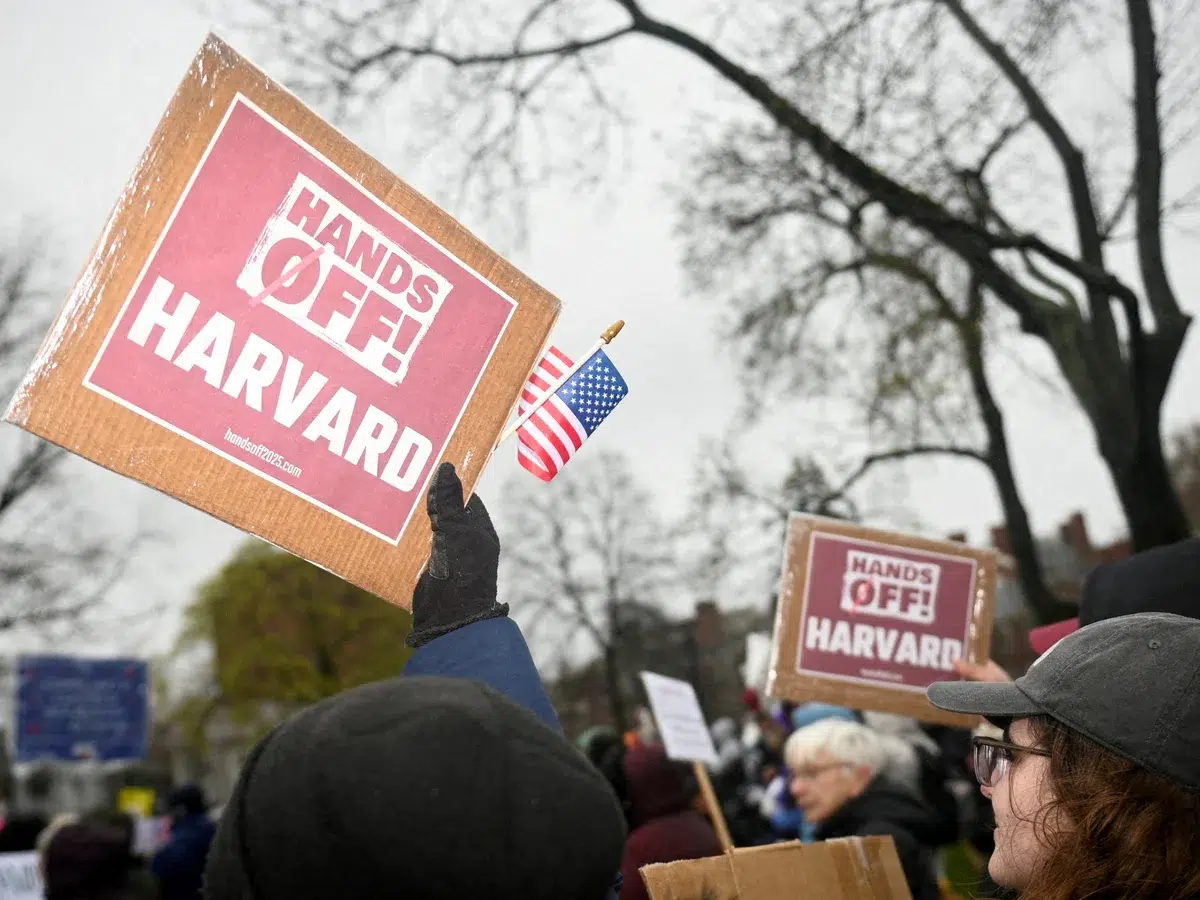
Trump’s War on Highest Ed: Shake-up or Shakedown? (Education Policy Brief #212)
Charlie Sweeney

How the Trump Administration Shook Up Education — and What It Means for Students with Disabilities (Education Policy Brief #211)
Nicholas Gordon
Trump’s Termination of U.S. Exchange Programs Weakens America at Home and Abroad
Katie Lever
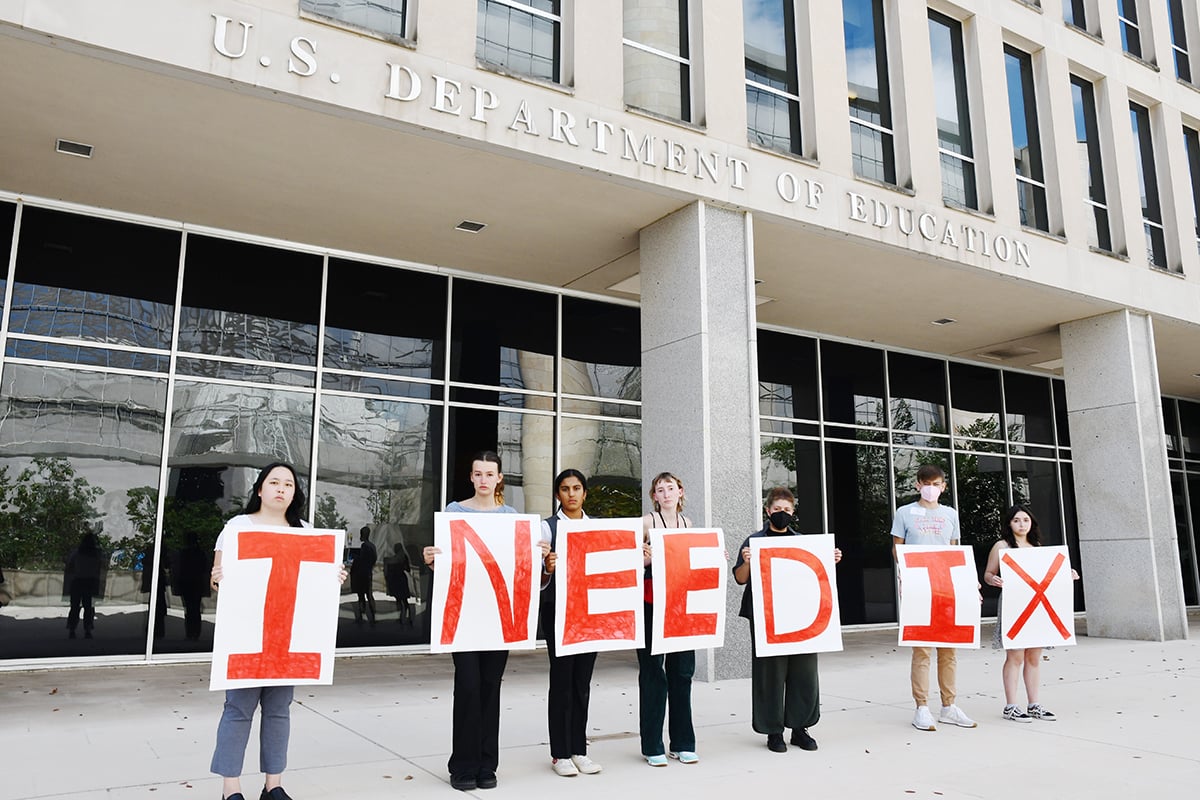
The Uncertain Future of the Department of Education and Title IX (Education Policy Brief #209)
Steve Piazza

The Downsizing of Student Learning Assessments (Education Policy Brief #208)
Yelena Korshunov
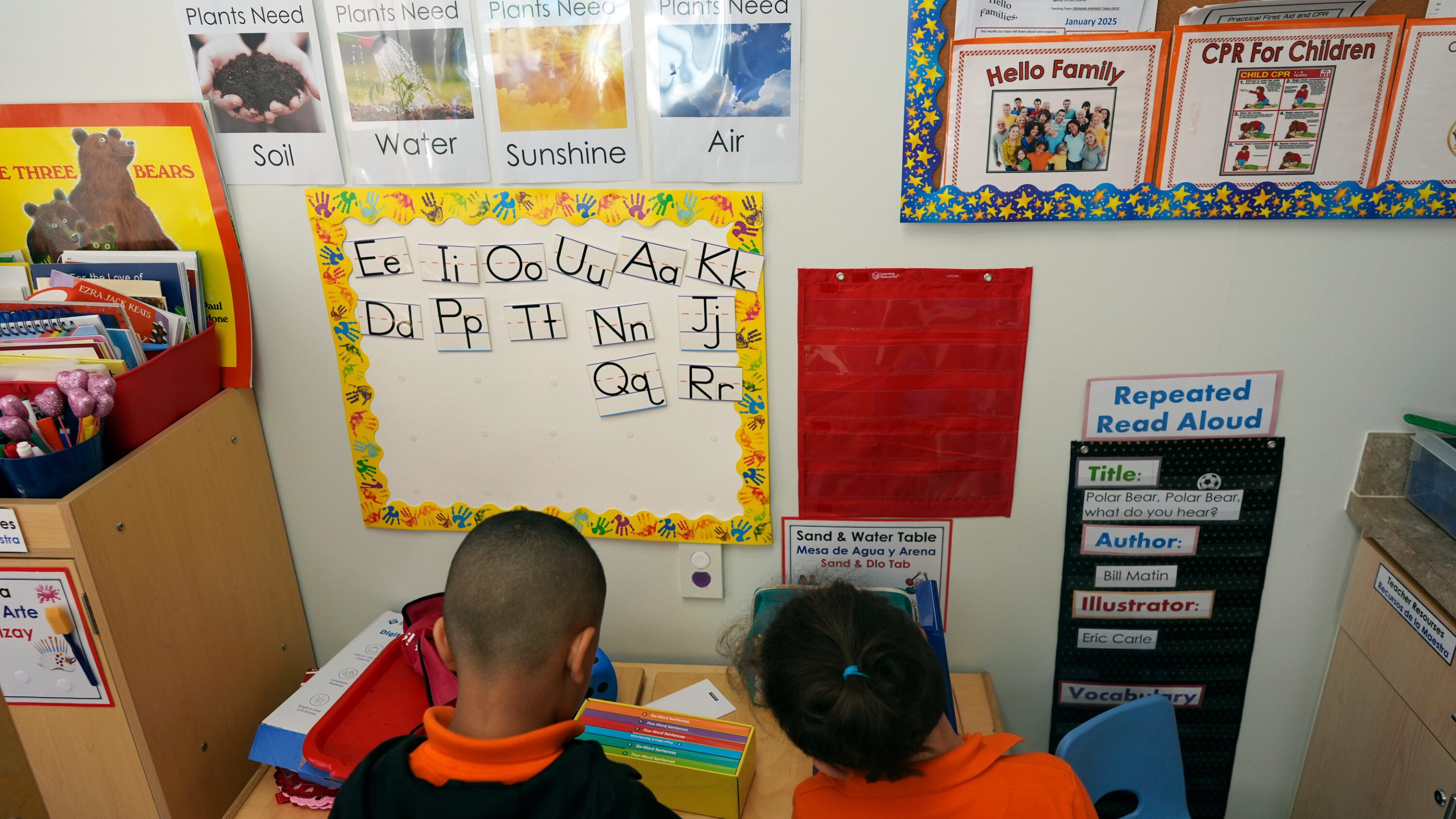
New Trump Rule Targets The Head Start Program (Education Policy Brief #206)
Steve Piazza

Current Efforts to Change State Education Curricula (Education Policy Brief #205)
Steve Piazza

Project 2025 and Federal Influence Over K-12 Curricula (Education Policy Brief #204)
Naja Barnes

The Future of Student Loans in Trump’s Presidency (Education Policy Brief #203)
Valerie Henderson

The Trump Administration and the University Communities: Part 1, Funding Suspension
Valerie Henderson

The Trump Administration and University Communities: Part II
Valerie Henderson

Understanding What the U.S. Department of Education Did
Damian DeSola

MAGA Against College: A Fight for America’s Minds

Health & Gender
Health & Gender

Current Abortion Laws and Their Challenge to Bodily Autonomy (Health & Gender Policy Brief #180)
Before the overturning of Roe v. Wade on June 24th, 2022, concerns were raised about the potential effects and consequences it would have on reproductive rights. After the overturning, those concerns have come into fruition, and have not only affected the rights to an abortion, but also the rights to bodily autonomy.
Utah, Fluoride, and the Public Water System Panic
Science is ever-evolving. When new information comes out, it is protocol to test it rigorously and check every assumption along the way. But what happens when the public takes a single new data point as gospel?
The Eyes of Texas Are Upon You: A Tribe’s Response to the Measles Outbreak
Seminole, Texas is where I graduated high school, where I met my best friends, where I played football, and where I drank my first beer. Seminole is where I learned to pick myself up by the bootstraps, that no one is better than me, and that hard work coupled with perseverance will get you far. Seminole is where I learned the value of a handshake, that a person is only as good as their word, how to overcome adversity, and that it takes a Tribe to solve our biggest problems.

Immigration
Immigration

A Fear-based Immigration Policy (Immigration Policy Brief #142)
Trump’s mass deportation efforts remain ongoing across the U.S., capturing headlines with the arrests of student activists like Mahmoud Khalil and Rumeysa Ozturk, and the deportation of alleged Tren de Aragua members/Venezuelans legally here on asylum, not to Venezuela but El Salvador, including a U.S. resident misidentified as a gang member. Despite the high-profile raids and fiery rhetoric, government data shows that deportations under Trump still lag behind levels seen under the Biden administration.
An Update on Trump’s Mass Deportation Efforts (Immigration Policy Brief #141)
As we enter the second month of Donald Trump’s return to office, his stance on immigration remains as hardline as ever—if not more extreme. He has ramped up his rhetoric against so-called “criminals,” but communities across the country are feeling the tangible effects of his deportation policies. Friends, neighbors, workers, and community members are being forcibly removed, leaving behind fractured families and economic instability.
Exploring Different Types of Immigrants & Immigration Realities (Immigration Policy Brief #140)
The Trump administration has recently begun redefining its view on what it sees as the appropriate options for gender in the education system. The newly released Trump executive order on “Ending Radical Indoctrination in K-12 Schooling” released on January 29 seeks to prohibit federal funding for schools that are teaching gender ideology and critical race theory in the classroom.

Economic Policy
Economic Policy

The Hidden Burden: How Tariffs Hurt Marginalized Communities and Lower-Income Americans (Economic Policy Brief #87)
Since his re-election in 2024, President Donald Trump has reignited a trade war strategy similar to his first term, escalating tariffs against China, Mexico, and the European Union.
Economic Crossroads: Are Tariffs Ending North American Relations? (Economic Policy Brief #86)
Since his re-election in 2024, President Donald Trump has reignited a trade war strategy similar to his first term, escalating tariffs against China, Mexico, and the European Union. These tariffs, framed as efforts to “protect American jobs,” have significantly raised the cost of imported goods such as electronics, food, clothing, and raw materials. While intended to support domestic industries, the policy has instead imposed hidden costs on American consumers—especially those from lower-income and marginalized communities.
The Prison-Industrial Complex: Profiting Off Punishment in America (Economic Policy Brief #85)
The prison-industrial complex (PIC) in the United States represents a deeply entrenched system where incarceration is commodified, intertwining the interests of government agencies and private enterprises. This nexus has transformed the U.S. criminal justice system into a profit-driven enterprise, often at the expense of marginalized communities.
Making Democracy Great Again
"*" indicates required fields